 Nurturing Marriages, Enriching Families!

Balancing Career and Marriage: How Nigerian Couples Can Thrive Professionally and Personally
In today’s fast-paced world, many Nigerian couples face a common challenge: balancing a demanding career with a fulfilling marriage. With the rising cost of living, increasing professional expectations, and family obligations, it is easy for one area of life to overshadow the other. Yet, career success should not come at the expense of marital happiness, and marriage should not hinder professional growth. Finding harmony between these two spheres is essential for long-term satisfaction, emotional health, and the stability of the family.
Balancing career and marriage is not just about managing time. It is about prioritizing values, fostering communication, setting boundaries, and cultivating emotional intelligence. Couples who succeed in this area create marriages that are supportive, resilient, and empowering, even in the face of external pressures such as extended family, financial expectations, and societal norms.
Why Balancing Career and Marriage Is Particularly Challenging in Nigeria
Nigeria’s cultural and economic realities add layers of complexity to this challenge. Many Nigerian households expect spouses—especially men—to be providers. At the same time, women are increasingly pursuing higher education, professional careers, and entrepreneurial ventures. Both partners often face long hours, demanding workloads, and competitive environments, which can leave little time or energy for their marriage.
Moreover, extended family obligations, such as caring for aging parents, funding siblings’ education, or participating in community and religious events, further complicate time management. Nigerian couples often feel torn between meeting these obligations and nurturing their marital bond, creating stress, fatigue, and sometimes conflict.
Social expectations also play a role. Couples are often judged based on financial success, social standing, and family engagement. This pressure can make it tempting to prioritize career achievements at the expense of personal relationships or, conversely, to sacrifice career ambitions to meet family expectations.
Understanding the Impact of Imbalance
When career demands consistently overshadow marriage, emotional distance can develop between spouses. Communication breaks down, intimacy decreases, and resentment can fester. Couples may find themselves living parallel lives, where one partner feels neglected while the other is consumed by work responsibilities.
On the other hand, prioritizing marriage excessively at the expense of career can lead to frustration, financial instability, and personal dissatisfaction. Both extremes—neglecting marriage or neglecting career—threaten long-term happiness and stability.
The goal, therefore, is not perfection but balance: creating a lifestyle where both marriage and career are nurtured and mutually reinforcing.
Communication: The Cornerstone of Balance
Effective communication is the foundation for balancing career and marriage. Couples must talk openly about their professional goals, schedules, and expectations. They should discuss questions such as: How many hours per week are acceptable for work-related activities? Which family obligations take priority? How can both partners support each other’s professional growth without compromising the relationship?
Listening is equally important. In many Nigerian marriages, one partner’s career may be viewed as secondary to family responsibilities. Without mutual understanding, this perception can breed resentment. By actively listening and empathizing with each other’s pressures and aspirations, couples build a shared framework for balance.
Communication should also include discussions about long-term goals. For instance, if a spouse is pursuing a demanding postgraduate program, the other partner must be prepared for temporary shifts in attention and energy. Clarifying expectations beforehand reduces surprises and emotional strain.
Time Management: Planning for Marriage and Career
Time management is critical for couples striving for balance. In Nigeria, where long commutes, unpredictable traffic, and demanding social obligations are common, careful planning is essential. Couples should set aside dedicated “marriage time,” whether it’s shared meals, weekend activities, or quiet evenings together.
Creating routines that prioritize both professional and personal responsibilities helps prevent burnout. For example, spouses can block specific hours for work-related tasks while protecting time for family and intimacy. Shared calendars, mutual planning, and accountability systems can reinforce this practice.
It is also essential to maintain flexibility. Emergencies, last-minute work demands, or family obligations may arise. Couples who approach time management with both structure and adaptability can navigate these challenges without emotional fallout.
Emotional Presence: Being There Beyond Physical Presence
Balancing career and marriage is not just about physical availability; it is about emotional presence. A spouse who is home but mentally absorbed in work is effectively absent. Nigerian professionals often work long hours or take on side ventures, but without intentional emotional engagement, marriage can suffer.
Emotional presence means actively listening, sharing experiences, offering support, and being available during significant moments. Small gestures—such as checking in during the day, sending thoughtful messages, or planning meaningful activities—reinforce emotional connection and prevent the sense of neglect.
Shared Goals and Mutual Support
Successful couples view career and marriage as complementary rather than competing priorities. Partners who support each other’s ambitions create a sense of teamwork. Celebrating professional achievements, offering help during stressful projects, and sharing household responsibilities are ways to maintain harmony.
In Nigerian households, where extended family responsibilities often intersect with professional life, shared goals are particularly important. Couples must align on financial planning, childcare responsibilities, and family engagement to prevent external pressures from straining the marriage.
Mutual support also involves constructive feedback. If one partner notices that work stress is affecting the marriage, they should address it compassionately, offering solutions rather than criticism. This approach encourages personal accountability without blame.
Financial Planning: Reducing Stress Through Cooperation
Finances are a significant source of marital tension, especially when careers demand time that could otherwise be spent managing household resources. Couples who fail to plan finances collaboratively often experience disagreements about spending, savings, or investments.
Financial planning requires transparency, clear roles, and shared decision-making. Nigerian couples should discuss income, expenditure, and long-term goals openly. This includes setting budgets for personal needs, household requirements, and extended family obligations. A well-structured financial plan reduces stress, prevents resentment, and ensures that career demands do not create unmanageable financial pressure.
Managing Extended Family Expectations
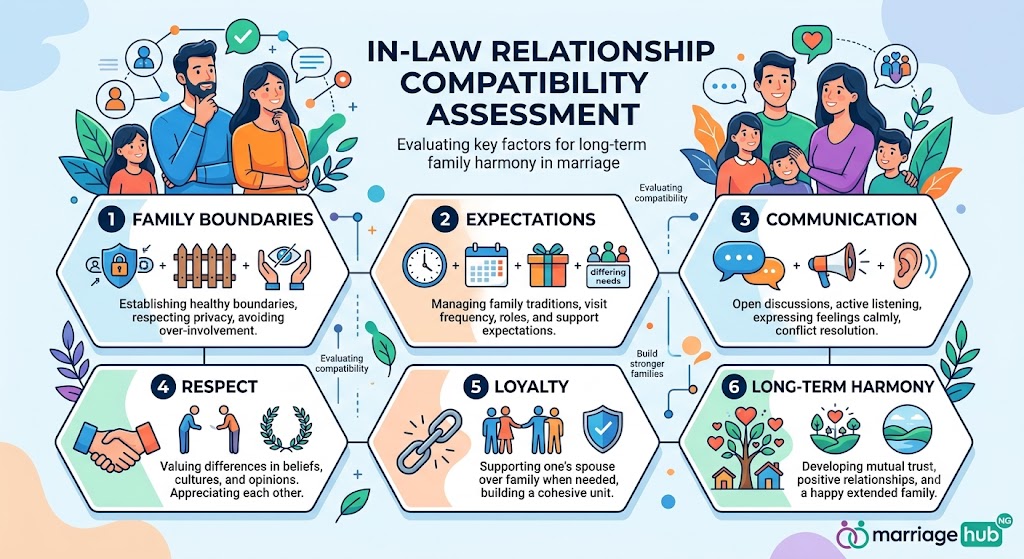
In Nigeria, balancing career and marriage cannot be separated from managing extended family expectations. Parents, in-laws, and other relatives often have opinions about how couples should spend their time, money, or energy. Without clear boundaries, these pressures can divert attention from the marriage.
Couples should establish respectful boundaries, such as agreed-upon frequency of visits, financial contributions, and decision-making authority. Communicating these boundaries clearly, together as a team, protects both the marital relationship and extended family ties.
Coping With Career-Related Stress
High-stress careers can spill into marriage, creating tension, irritability, and emotional withdrawal. Nigerian professionals in sectors such as banking, tech, oil, government, or entrepreneurship often work long hours with high pressure. Managing stress effectively is crucial to maintaining marital harmony.
Stress management techniques include setting realistic expectations, taking regular breaks, practicing mindfulness or meditation, exercising, and seeking professional counseling when needed. Spouses should recognize the signs of burnout in each other and intervene with care and support.
Prioritizing Intimacy and Connection
Physical and emotional intimacy is often the first casualty when career demands are high. However, intimacy is a critical glue that keeps marriages strong, even during busy seasons. Couples must intentionally schedule moments of closeness, affection, and sexual connection.
In the Nigerian context, where cultural expectations often emphasize decorum and modesty, finding creative ways to nurture intimacy—through conversation, shared experiences, or private gestures—can strengthen the marital bond. Couples who neglect intimacy risk emotional distance, frustration, and misunderstandings.
Flexibility and Adaptation
Balance is not static. Careers change, promotions occur, relocations happen, and family dynamics evolve. Nigerian couples must approach career-marriage balance as an ongoing negotiation rather than a fixed solution. Regular check-ins, reassessment of priorities, and willingness to adapt are key to sustaining harmony.
Flexibility also involves renegotiating roles at home. For instance, if one partner takes on additional work responsibilities, the other may temporarily assume more household tasks. Open communication ensures that this arrangement feels fair and sustainable.
Personal Growth Within Marriage
Balancing career and marriage is also about personal growth. Each partner should strive to be the best version of themselves, both professionally and personally. Personal development enhances resilience, emotional intelligence, and relational skills—all of which contribute to a healthier marriage.
Nigerian couples who invest in themselves—through education, skill-building, therapy, or spiritual growth—often experience more fulfilling marriages. Growth enables partners to support each other effectively while managing career pressures and household responsibilities.
Real-Life Nigerian Examples
Consider a Lagos-based couple, Tunde and Amaka. Both are professionals—Tunde is a banker, Amaka runs a tech startup. Their careers often demand long hours, and extended family pressures require financial and emotional attention. Initially, Tunde and Amaka struggled with frequent arguments, missed quality time, and resentment.
They started by scheduling weekly check-ins to discuss schedules, expectations, and shared goals. They blocked two evenings a week for “marriage time,” delegated household responsibilities, and agreed on boundaries with their extended families. Over time, communication improved, emotional connection strengthened, and career ambitions were supported without sacrificing their marriage.
Another example is Chidi and Funke in Abuja. Chidi’s government role involved frequent travel, while Funke’s teaching schedule was demanding. They implemented shared calendars, coordinated childcare with trusted family members, and created a weekly “date night” tradition. Even during busy seasons, these practices ensured their marriage remained a priority alongside career demands.
Conclusion: Creating Harmony Between Career and Marriage
Balancing career and marriage in Nigeria is challenging but entirely possible with intention, communication, and teamwork. It requires emotional maturity, mutual respect, and willingness to adapt. Couples who prioritize unity, set boundaries, and nurture both professional and personal growth often find that career success and marital happiness are not mutually exclusive—they reinforce each other.
Ultimately, marriage thrives when both partners feel supported, valued, and connected, even in the busiest of seasons. Careers provide purpose and fulfillment, while marriage provides love, support, and stability. When properly balanced, the two create a life that is both prosperous and deeply satisfying.








.jpg)


Sign in to comment