 Nurturing Marriages, Enriching Families!
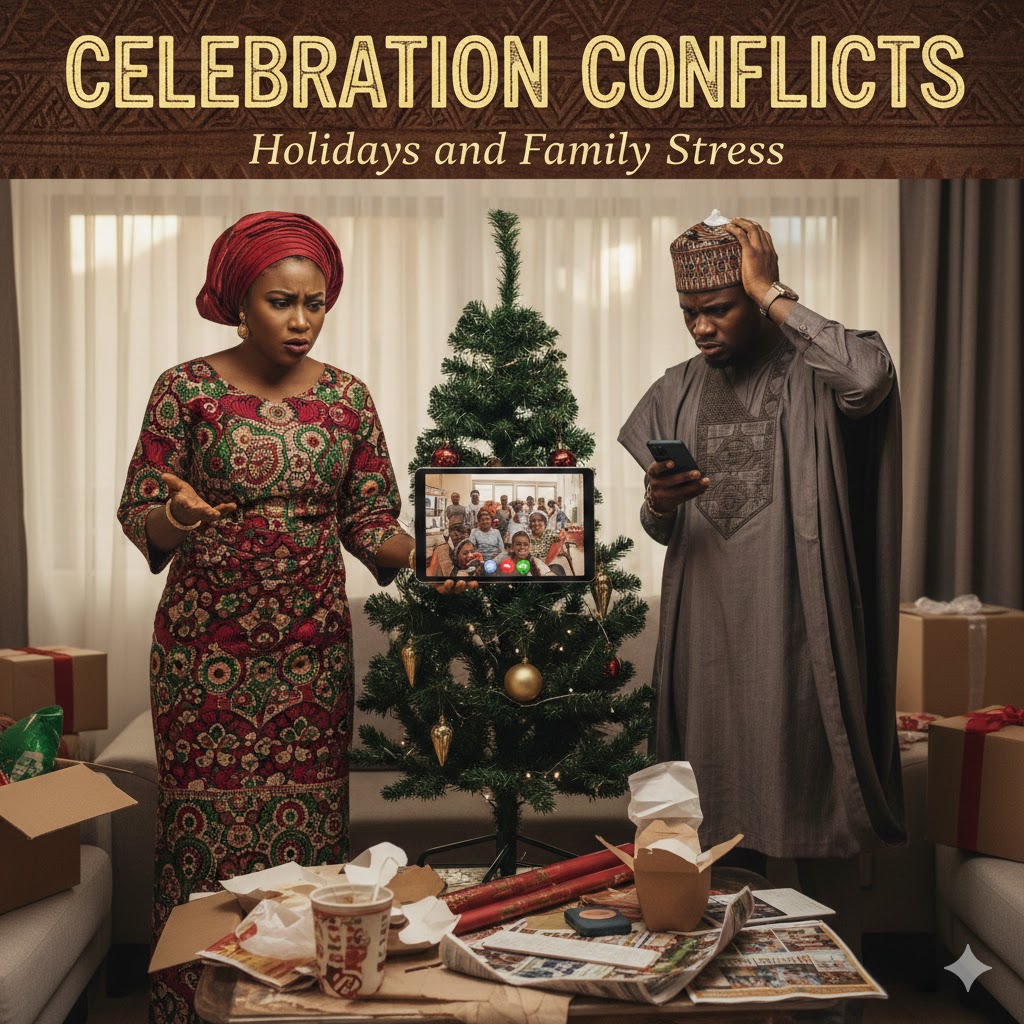
Celebration Conflicts: Holidays and Family Stress – A Nigerian Perspective
Holidays and festive celebrations are supposed to be times of joy, togetherness, and family bonding. In Nigeria, occasions like Christmas, Eid, New Year, traditional naming ceremonies, weddings, and other cultural festivals are marked with elaborate planning, food, gifts, and reunions. Yet, despite the festive spirit, these gatherings often become a breeding ground for family stress and conflict.
From disagreements over finances and gift-giving to intergenerational disputes and clashes over cultural expectations, holidays can strain relationships if not navigated carefully. Understanding why celebrations trigger conflict and adopting strategies to manage tension can transform stressful gatherings into genuinely joyful experiences. This article explores the dynamics of holiday-related family stress in Nigeria, provides real-life scenarios, and offers actionable strategies for mitigating conflict.
Why Celebrations Trigger Family Conflicts
Family conflicts during holidays are rarely about the celebrations themselves—they stem from underlying tensions, unmet expectations, and differences in values or priorities. Common causes in the Nigerian context include:
-
Financial Pressure: Nigerian families often go to great lengths to provide gifts, host feasts, and organize events. The cost of these celebrations can trigger disputes, particularly among spouses or between siblings.
Scenario: In Lagos, a family disagreed over who would fund a Christmas party. The older siblings felt the younger ones were not contributing, while the younger members argued they had other financial commitments. Tensions escalated until open discussion and transparent budgeting resolved the conflict.
-
Extended Family Dynamics: Nigeria’s culture emphasizes strong ties to extended family, including grandparents, aunts, uncles, and cousins. Conflicting advice, expectations, or criticism from relatives can create friction.
Scenario: In Enugu, during a wedding anniversary celebration, grandparents insisted on following traditional protocols that clashed with the couple’s modern preferences. The resulting disagreement required mediation and compromise to proceed smoothly.
-
Unrealistic Expectations: Holidays are often idealized as perfect, leading to disappointment when reality falls short. Family members may expect others to conform to their vision of a “perfect” celebration, causing tension.
-
Interpersonal History: Previous grievances, unresolved conflicts, or personality clashes can resurface during gatherings, especially when family members are together for long periods.
-
Cultural and Religious Differences: Nigeria is a culturally diverse nation with multiple ethnicities and religions. Differences in celebration styles, rituals, and priorities can inadvertently cause disputes.
-
Time and Logistics Stress: Traveling long distances, coordinating schedules, and managing household responsibilities can increase irritability and decrease patience, fueling arguments.
Common Types of Holiday Conflicts
1. Financial Disputes
-
Arguments over who pays for food, gifts, or accommodation.
-
Disagreement over splitting costs fairly.
-
Perceived inequities in contributions can lead to resentment.
2. Household Roles and Responsibilities
-
Stress over cooking, cleaning, and organizing events.
-
Disputes over who should host gatherings or manage logistics.
Scenario: In Abuja, siblings argued over hosting the annual New Year family dinner. Assigning tasks and creating a rotation system helped distribute responsibilities fairly.
3. Intergenerational Tension
-
Differences in values, traditions, or expectations between parents, children, and elders.
-
Criticism of modern practices or refusal to follow traditional norms.
4. Sibling Rivalries
-
Competition for attention, recognition, or resources during celebrations.
-
Long-standing grievances resurfacing during festive interactions.
5. Extended Family Meddling
-
Unsolicited advice or criticism from aunts, uncles, or grandparents.
-
Pressure to conform to cultural norms or family expectations.
Psychological and Emotional Impact of Holiday Stress
-
Increased anxiety and irritability.
-
Exhaustion from overcommitment and overexertion.
-
Resentment toward family members, potentially causing long-term rifts.
-
Emotional withdrawal, where family members avoid gatherings entirely.
-
Negative impact on children, who may internalize stress and conflict.
Scenario: A mother in Lagos noticed her children became anxious and withdrawn during the Christmas season due to constant arguments between her husband and in-laws over family traditions and finances. Open discussions and pre-holiday planning helped reduce tension.
Strategies to Prevent and Manage Celebration Conflicts
1. Plan Ahead
-
Start planning celebrations early to minimize last-minute stress.
-
Create a budget and assign responsibilities for food, decorations, and gifts.
-
Set clear timelines for tasks to prevent miscommunication.
Real-Life Scenario: In Ibadan, a family planned their Christmas celebration two months in advance. Each sibling had defined roles—food, décor, and gift management—which reduced arguments and ensured smoother coordination.
2. Communicate Expectations Clearly
-
Discuss holiday plans and expectations with all involved family members.
-
Include extended family in conversations about traditions, schedules, and budgets.
-
Clarify responsibilities and avoid assumptions.
Scenario: During Eid celebrations in Kano, a family gathered weeks prior to agree on prayer schedules, gift distribution, and meal preparations. Clear communication prevented potential disputes.
3. Prioritize Empathy
-
Understand and respect each family member’s perspective.
-
Recognize that stress, travel fatigue, or past conflicts may influence behavior.
-
Approach disagreements with patience and compassion.
Example: In Lagos, a father empathized with his teenager’s desire to celebrate with friends instead of attending every family gathering. Negotiating a compromise allowed the child to participate in key family events while also socializing with peers.
4. Set Boundaries
-
Define limits regarding finances, involvement, and personal space.
-
Communicate boundaries politely but firmly.
-
Avoid overcommitting to appease others at the expense of personal well-being.
Scenario: In Enugu, a mother set boundaries on gift-giving, explaining that the family would focus on meaningful rather than expensive presents. Relatives respected the decision, reducing financial tension.
5. Focus on the Purpose of Celebrations
-
Remind family members that holidays are about connection, gratitude, and joy.
-
Avoid letting minor disagreements overshadow shared experiences.
-
Encourage positive engagement rather than criticism or competition.
Example: In Abuja, a family reframed New Year celebrations as a time to appreciate each other’s company, emphasizing gratitude and storytelling over perfection in décor and food.
6. Involve Everyone in Decision-Making
-
Collaborative planning fosters ownership and reduces resentment.
-
Assign roles based on interest, capacity, and availability.
-
Rotate responsibilities for recurring celebrations to ensure fairness.
Scenario: In Lagos, siblings took turns hosting annual Christmas parties, with responsibilities rotated to prevent conflict and ensure equitable participation.
7. Manage Extended Family Dynamics
-
Respect elders while asserting your family’s choices politely.
-
Engage in private conversations to resolve disagreements rather than public arguments.
-
Seek compromise and balance between tradition and modernity.
Example: In Enugu, during a naming ceremony, parents negotiated with grandparents to incorporate both traditional rituals and personal preferences, creating a celebration that satisfied both generations.
8. Address Conflicts Early
-
Don’t let small disagreements escalate.
-
Address misunderstandings promptly in a calm and empathetic manner.
-
Use family meetings or one-on-one conversations to resolve issues.
9. Teach Children Conflict Resolution
-
Use holidays as teaching opportunities for children to learn negotiation, empathy, and cooperation.
-
Encourage sharing, turn-taking, and understanding different perspectives.
Scenario: In Lagos, children participated in gift exchanges, learning to negotiate and respect others’ choices. This reduced tantrums and arguments.
10. Incorporate Mindfulness and Stress-Reduction Techniques
-
Encourage brief breaks during festivities to manage fatigue and irritability.
-
Practice deep breathing, meditation, or quiet reflection to stay calm.
-
Promote positive interactions by focusing on gratitude and connection.
11. Simplify Where Possible
-
Avoid overcomplicating celebrations with unrealistic expectations.
-
Focus on meaningful activities, quality time, and shared experiences.
-
Reduce pressure by prioritizing essential elements rather than perfection.
Example: A Lagos family scaled down their Christmas celebration to focus on a shared meal and gift exchange, which lowered stress and enhanced enjoyment.
12. Seek Professional Guidance if Needed
-
Family therapists can provide strategies for managing recurring holiday conflicts.
-
Parenting workshops and counseling services offer tools for mediation and emotional regulation.
Benefits of Managing Holiday Conflict
-
Strengthened Relationships: Reduced tension fosters closeness among family members.
-
Positive Memories: Celebrations become associated with joy rather than stress.
-
Improved Emotional Health: Reduced anxiety and irritability in children and adults.
-
Enhanced Communication Skills: Families learn to express needs and negotiate solutions effectively.
-
Increased Resilience: Families are better prepared for future conflicts and challenges.
Scenario: In Ibadan, after implementing structured planning and empathy strategies, a family reported smoother New Year celebrations, more joyful interactions, and stronger sibling relationships.
Nigerian Cultural Considerations
-
Religious Observances: Respecting differing religious holidays within interfaith families.
-
Traditional Protocols: Incorporating cultural rituals without overburdening family members.
-
Community Expectations: Balancing societal expectations with household priorities.
By being culturally sensitive, families can reduce external pressures that contribute to holiday stress.
Conclusion
Holidays and celebrations in Nigeria are times of potential joy and connection, but they can also amplify existing family tensions if unmanaged. Recognizing the sources of conflict—financial pressures, extended family dynamics, unrealistic expectations, and logistical stress—is the first step toward creating harmonious gatherings.
Through early planning, clear communication, empathy, boundary-setting, shared decision-making, and professional support, families can transform holidays from stressful obligations into meaningful celebrations. By fostering understanding, patience, and collaboration, Nigerian families can enjoy holidays that strengthen bonds, create cherished memories, and promote emotional well-being for all members.
Investing in strategies to reduce holiday conflict not only enhances festive experiences but also builds resilient, connected, and emotionally intelligent families capable of handling challenges year-round.









.jpg)




Sign in to comment