 Nurturing Marriages, Enriching Families!
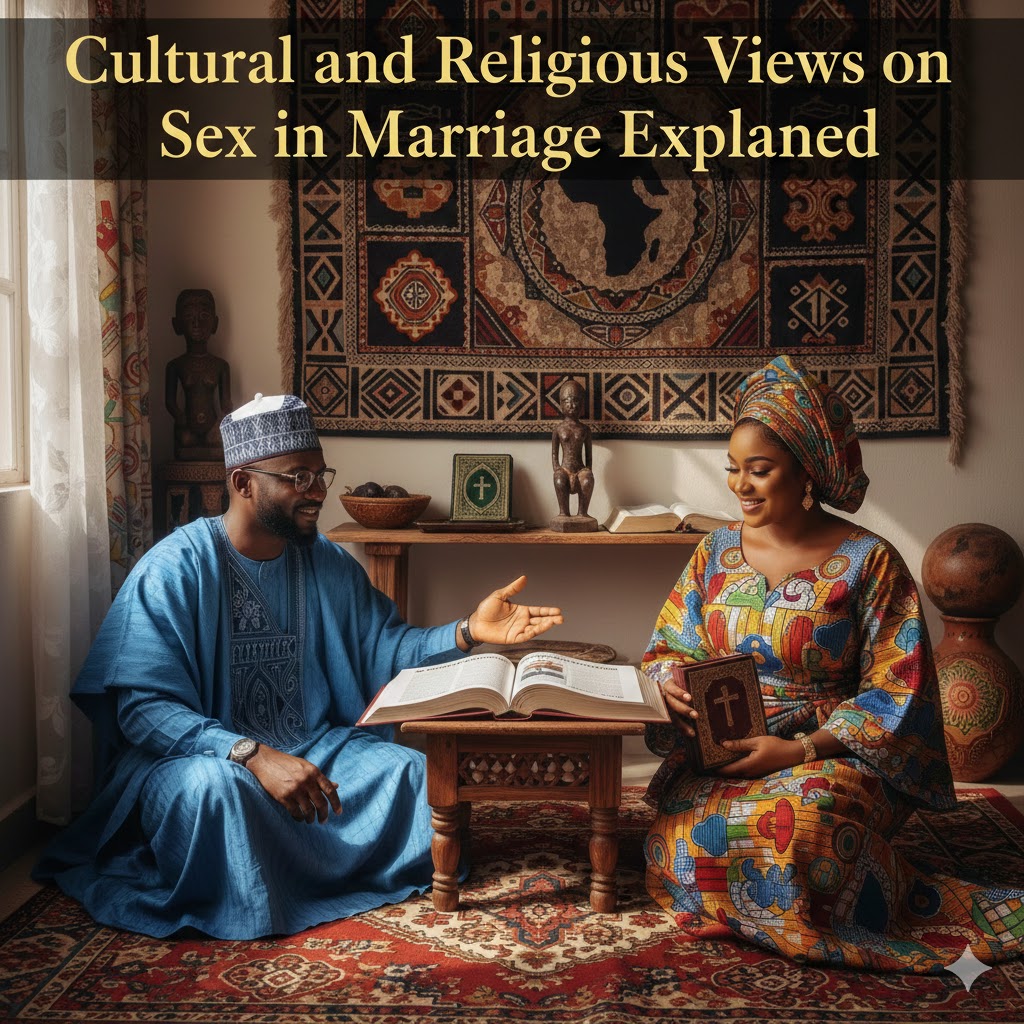
Cultural and Religious Views on Sex in Marriage Explained: A Nigerian Perspective
Sexual intimacy is an essential aspect of marriage, serving not only as a physical expression of love but also as a means of emotional bonding, trust-building, and mutual satisfaction. In Nigeria, sex within marriage is deeply influenced by cultural norms and religious teachings, which shape how couples perceive, experience, and communicate about sexual intimacy. Understanding these perspectives is crucial for couples to foster a healthy, satisfying sexual relationship while navigating societal expectations.
Cultural and religious views on sex are not uniform. Nigeria is a diverse country, with hundreds of ethnic groups and a population predominantly divided among Christianity, Islam, and indigenous spiritual practices. Each cultural and religious background offers distinct perspectives on sexual conduct, marital duties, gender roles, and communication about intimacy. These beliefs can either support healthy sexual relationships or, if misunderstood, create tension, shame, or unrealistic expectations.
By exploring cultural norms, religious teachings, and practical realities, couples can better navigate sexual intimacy, respect each other’s boundaries, and maintain satisfaction in marriage.
Cultural Views on Sex in Nigerian Marriage
In Nigerian culture, sex is often framed as both a marital duty and a private matter. Many ethnic traditions place a strong emphasis on marital fidelity, procreation, and the husband’s sexual satisfaction. For instance, in some communities, a woman’s value is partially linked to her ability to fulfill her husband’s sexual needs and bear children. Similarly, men are often expected to demonstrate virility, assert sexual leadership, and provide for their wives.
These cultural expectations can create pressure for both partners. Women may feel obligated to engage in sex even when tired, stressed, or emotionally distant. Men may feel anxiety if sexual desire is not matched by their wives or if they perceive performance difficulties as a failure of masculinity. Such pressures can hinder communication, reduce desire, and create conflict in marriage.
However, cultural traditions also offer positive frameworks for sexual intimacy. Many Nigerian communities emphasize marital fidelity, respect, and the sacredness of the marital bond. When couples interpret these traditions as promoting trust, emotional connection, and mutual care, they support a fulfilling sexual relationship rather than creating undue pressure.
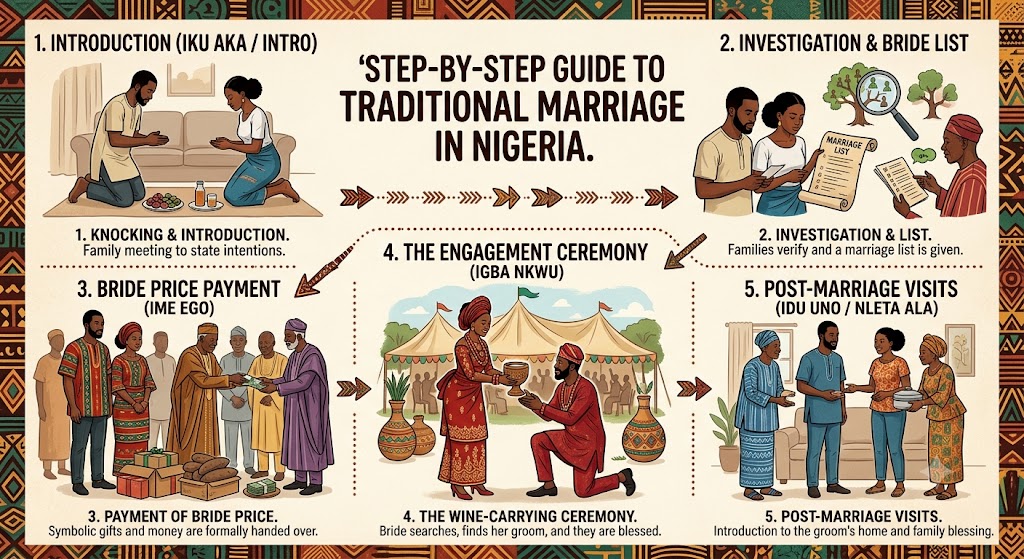
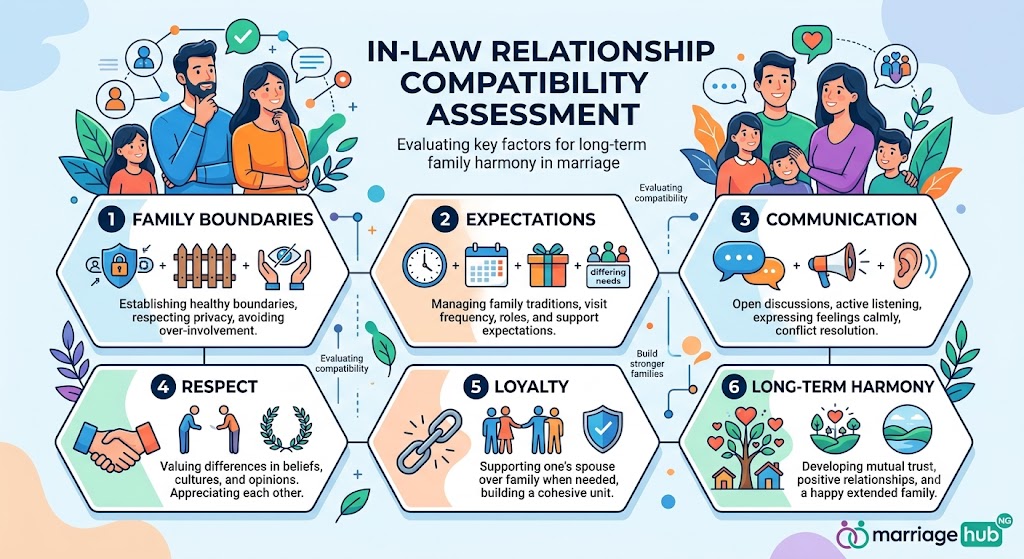
Another cultural factor is the role of family and community in marital life. In Nigeria, extended families are often involved in advising, guiding, or sometimes supervising marriages. Advice on sex may be passed down from parents, elders, or peer groups. While such guidance can be helpful, it may also perpetuate myths or unrealistic expectations about sexual frequency, sexual roles, or female submission. Couples benefit from discerning which cultural norms enhance intimacy and which may be outdated or harmful.
Religious Views on Sex in Nigerian Marriage
Religion significantly shapes sexual norms in Nigeria. Christianity and Islam are the two dominant religions, each with theological teachings that inform marital sex. Both traditions view sex as a gift within marriage, but interpretations and emphases differ.
Christianity generally emphasizes sex as a unifying act that strengthens the emotional, spiritual, and physical bond between husband and wife. The Bible encourages sexual intimacy as a joyful, mutual, and loving expression of commitment. Many Nigerian Christian couples are taught that sex is both a duty and a means of deepening love, fostering emotional connection, and maintaining marital fidelity. However, misinterpretations sometimes frame sex purely as obligation, causing feelings of guilt or resentment if one partner’s desire is lower.
In Islam, sex is considered lawful and virtuous within marriage, serving purposes of procreation, mutual pleasure, and strengthening marital bonds. Nigerian Muslim couples are encouraged to attend to each other’s sexual needs, ensuring satisfaction and fairness. Islamic teachings also emphasize consent, mutual respect, and emotional attentiveness, with the understanding that both husband and wife have rights to sexual fulfillment. Misunderstandings occur when cultural expectations about male dominance or female submission overshadow these teachings, creating imbalances in desire or satisfaction.
Indigenous religious practices, though less commonly discussed today, also inform cultural attitudes toward marital sex. Some traditional beliefs promote rituals, rites, or practices aimed at fertility, sexual compatibility, or marital harmony. These practices highlight the longstanding recognition of sex as a vital element of marriage in Nigerian societies. Couples integrating cultural rituals with personal and religious values can use these practices to enhance intimacy rather than enforce obligation.
The Interplay Between Culture, Religion, and Sexual Satisfaction
The intersection of culture and religion in Nigeria has a profound impact on sexual satisfaction in marriage. Couples often navigate multiple, sometimes conflicting, expectations. For example, a Christian wife may feel pressure from her cultural upbringing to be sexually available for her husband, even while her religious understanding emphasizes mutual consent and joy in intimacy. Similarly, a Muslim husband may feel conflicted between cultural notions of virility and the religious principle of ensuring his wife’s pleasure.
Sexual dissatisfaction often arises when cultural expectations or religious teachings are misinterpreted or applied rigidly. Nigerian couples may feel shame about discussing sexual needs openly, fear judgment from elders or religious leaders, or feel inadequate due to mismatched desire. Conversely, couples who learn to interpret cultural and religious teachings as supporting mutual respect, consent, and emotional connection often report higher sexual satisfaction.
Common Challenges Nigerian Couples Face
Several challenges arise when culture and religion intersect with sexual intimacy in marriage. First, communication is often limited. Cultural norms discourage open discussion about sex, especially from women, while religious interpretations may emphasize modesty or duty. As a result, couples may suppress desires, avoid discussing dissatisfaction, or make assumptions about each other’s needs.
Second, gender expectations can create imbalance. Men are often seen as sexual leaders, while women are expected to accommodate their husbands’ desires. This dynamic can limit women’s agency and reduce the quality of sexual intimacy. Nigerian couples need to negotiate expectations in ways that honor both partners’ comfort, desire, and boundaries.
Third, myths and misinformation persist. Many couples rely on anecdotal advice from friends, family, or religious leaders rather than accurate sexual education. Misconceptions about sexual performance, frequency, or physiology can create anxiety, guilt, or dissatisfaction.
Finally, the pressures of modern Nigerian life—work stress, long commutes, childcare, and financial challenges—interact with cultural and religious expectations to further strain sexual intimacy. Without deliberate effort, desire and satisfaction can decline, even in otherwise strong marriages.
Practical Strategies for Nigerian Couples
Understanding cultural and religious perspectives is only the first step. Nigerian couples can take deliberate actions to improve sexual satisfaction while respecting tradition and faith. First, open and empathetic communication is essential. Couples should express their desires, boundaries, and expectations without fear of judgment. Conversations about intimacy should focus on mutual satisfaction and emotional connection rather than performance or obligation.
Second, couples should prioritize emotional intimacy alongside sexual activity. Affection, appreciation, and supportive gestures outside the bedroom strengthen desire and satisfaction. Nigerian couples navigating postnatal periods, work stress, or extended family involvement often find that emotional closeness restores sexual interest and reduces tension.
Third, couples should seek accurate information and guidance. Consulting healthcare providers, counselors, or sex educators helps dispel myths and provides strategies for overcoming physical or emotional challenges. This is particularly relevant in Nigeria, where misinformation is prevalent and access to professional sexual guidance may be limited.
Fourth, couples can reinterpret cultural and religious teachings in ways that support mutual pleasure, consent, and partnership. Cultural emphasis on fidelity, marital unity, and respect can be reframed to encourage ongoing communication and emotional care. Religious teachings on love, respect, and mutual rights in marriage can be applied to foster balanced sexual relationships.
Finally, Nigerian couples should practice patience and flexibility. Desire fluctuates due to age, health, stress, and life events. Understanding that sexual satisfaction is a dynamic process rather than a fixed expectation helps couples adapt gracefully to changes, maintain intimacy, and preserve marital harmony.
Case Studies: Real-Life Nigerian Scenarios
In Lagos, a newlywed couple struggled with differing sexual expectations. The husband, raised in a culture that emphasized male sexual leadership, expected frequent sexual activity, while the wife, guided by religious teachings on consent and mutual satisfaction, prioritized emotional connection before physical intimacy. By learning to communicate openly about their desires, fears, and expectations, they negotiated a routine that respected both perspectives, resulting in increased satisfaction and closeness.
In Ibadan, a couple navigating postpartum intimacy faced cultural pressure to resume sex quickly after childbirth. The husband felt anxious about the delay, interpreting it as rejection, while the wife experienced pain and fatigue. They sought guidance from a counselor who helped them integrate cultural norms with medical advice and mutual consent principles. Over time, the couple rebuilt intimacy at a pace comfortable for both, strengthening trust and emotional connection.
These examples illustrate that understanding, negotiation, and communication are key to reconciling cultural and religious expectations with personal comfort and sexual satisfaction.
Moving Beyond Myths and Shame
In many Nigerian marriages, sex is shrouded in secrecy and myth. Common misconceptions—such as the idea that women must always initiate or that men must dominate—can reduce satisfaction and create unnecessary anxiety. Educating couples about physiology, desire, and emotional connection is crucial for breaking these myths. By focusing on mutual pleasure, consent, and communication, couples can navigate sexual intimacy confidently while respecting cultural and religious frameworks.
The Role of Counseling and Professional Support
Professional guidance is valuable for couples who struggle to align sexual intimacy with cultural and religious expectations. Marriage counselors, sex therapists, and healthcare providers can offer strategies for improving communication, addressing desire mismatches, and overcoming physical or emotional barriers. In Nigeria, seeking professional support may be viewed as unusual, but couples who do so often experience enhanced satisfaction, stronger emotional connection, and improved marital harmony.
Conclusion
Sex in marriage is deeply influenced by cultural norms, religious teachings, and societal expectations, particularly in Nigeria. While these influences can create pressure or confusion, they also provide frameworks for marital fidelity, respect, and emotional connection. Nigerian couples who understand these perspectives, communicate openly, and integrate cultural and religious principles with empathy and mutual consent experience greater sexual satisfaction and intimacy.
Healthy sexual relationships in marriage require awareness, patience, and collaboration. By embracing both cultural wisdom and religious guidance while prioritizing communication, couples can cultivate intimacy that is fulfilling, respectful, and sustainable. Understanding and applying these principles empowers Nigerian couples to enjoy sexual satisfaction while honoring the values and traditions that shape their lives.




.jpg)


Sign in to comment