 Nurturing Marriages, Enriching Families!
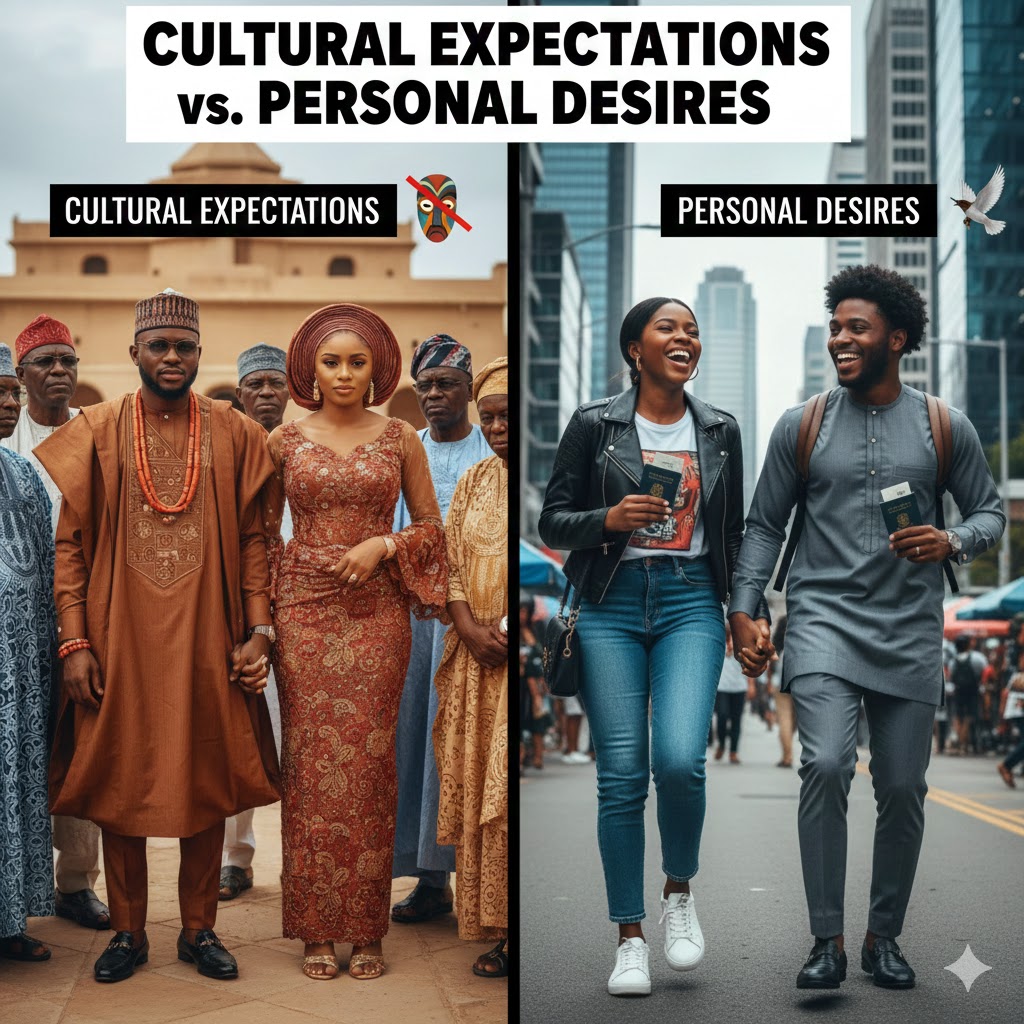
Cultural Expectations vs. Personal Desires in Marriage: Finding Balance Without Losing Yourself or Your Roots
Marriage does not happen in isolation. It is shaped by culture, family traditions, religion, community values, and deeply ingrained social expectations. At the same time, marriage is also a deeply personal journey—one driven by individual dreams, emotional needs, personality differences, and personal aspirations. The tension between cultural expectations and personal desires is one of the most common, yet least openly discussed, challenges facing modern marriages.
Many couples enter marriage believing love alone will resolve these tensions. But over time, conflicts begin to surface—not necessarily because partners dislike each other, but because they are torn between honoring cultural norms and living authentically as individuals. This struggle can quietly strain marriages, create resentment, and leave one or both partners feeling unheard or trapped.
Understanding how to navigate cultural expectations without sacrificing personal fulfillment is essential for building a healthy, lasting marriage.
Understanding Cultural Expectations in Marriage
Cultural expectations are the unwritten rules society places on married couples. They dictate how husbands and wives should behave, make decisions, relate with extended family, handle finances, raise children, and even express emotions.
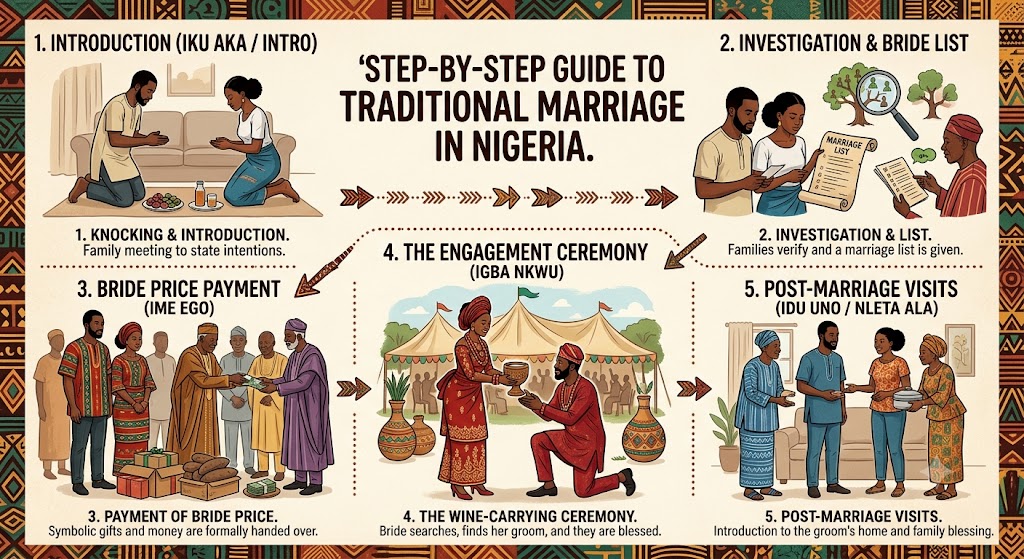
In many African and Nigerian contexts, marriage is not seen as a union between two individuals alone, but as a bond between families. Cultural norms may expect a wife to prioritize domestic responsibilities, submit to her husband, tolerate extended family interference, or sacrifice personal ambitions for the sake of harmony. Men may be expected to provide financially at all costs, suppress vulnerability, assert authority, and carry the weight of family expectations without complaint.
These expectations are often passed down through generations and reinforced by elders, religious institutions, and social pressure. While many cultural values promote unity, respect, and responsibility, others may clash with modern realities and personal desires.
What Are Personal Desires in Marriage?
Personal desires are the individual needs, dreams, values, and aspirations each partner brings into marriage. These include emotional needs, career goals, lifestyle preferences, communication styles, boundaries, and visions for the future.
A woman may desire emotional intimacy, partnership, and shared decision-making. A man may desire peace, respect, and emotional safety. One partner may want career advancement, while the other prioritizes family time. These desires are not selfish—they are expressions of identity and personal fulfillment.
Problems arise when personal desires are consistently dismissed in favor of cultural expectations, leading to emotional exhaustion and loss of self.
Where the Conflict Begins
Conflict between cultural expectations and personal desires often begins subtly. At first, partners may comply with expectations out of respect or fear of judgment. Over time, however, suppressed desires begin to surface as frustration, withdrawal, anger, or resentment.
Many couples do not fight openly about culture versus desire. Instead, the conflict shows up in repeated arguments about roles, money, boundaries, intimacy, and decision-making.
Real-Life Scenario: When Silence Becomes Heavy
Amina grew up in a traditional home where women were taught to endure quietly. She married Musa, who expected her to quit her job after marriage. Initially, she agreed out of respect for cultural norms and family pressure. Over time, however, Amina began to feel invisible and unfulfilled. She loved her family, but she missed her independence and sense of purpose.
She did not complain openly. Instead, she became emotionally distant. Musa felt the change but did not understand it. Arguments began—not about her job, but about attitude, respect, and emotional withdrawal. The real issue was never addressed: Amina’s personal desire had been sacrificed on the altar of cultural expectation.
The Role of Gender Expectations
Gender roles play a significant part in this tension. In many cultures, rigid expectations are placed on husbands and wives, leaving little room for individuality.
Men are often expected to be strong providers who never show weakness. When a man struggles financially or emotionally, he may feel shame rather than seek support. Women, on the other hand, may be expected to submit unquestioningly, even when their emotional needs are unmet.
These expectations can create emotional imbalance. One partner may feel overburdened, while the other feels powerless. Healthy marriages require flexibility, not rigid adherence to roles that no longer serve the couple.
Extended Family and Societal Pressure
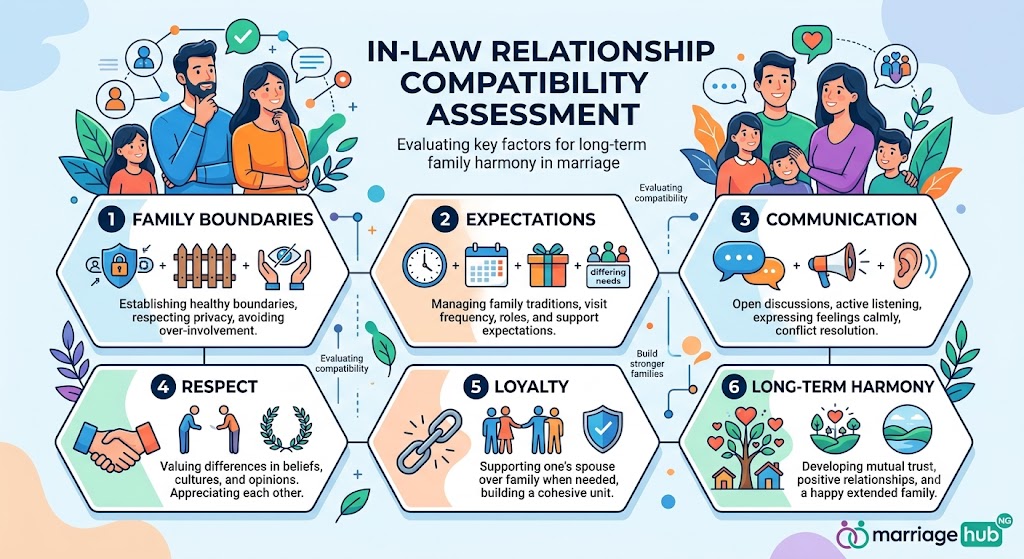
In many marriages, especially within African cultures, extended family plays a powerful role. In-laws may influence decisions about finances, parenting, housing, and even conflict resolution.
While extended family support can be beneficial, excessive interference often undermines marital intimacy and autonomy. Couples may find themselves making decisions to please family members rather than each other.
Real-Life Scenario: When Family Voices Drown the Marriage
Chinedu and Ifunanya struggled with constant interference from relatives. Decisions about their children, finances, and lifestyle were influenced by family opinions. Ifunanya felt suffocated, while Chinedu felt torn between loyalty to his family and commitment to his wife.
Over time, Ifunanya began to feel like an outsider in her own marriage. Her personal desire for privacy and partnership clashed with cultural expectations of extended family involvement. Without intentional boundaries, the marriage suffered emotional strain.
Emotional Consequences of Ignoring Personal Desires
When personal desires are consistently ignored, individuals may experience:
-
Emotional numbness
-
Loss of identity
-
Depression or anxiety
-
Resentment toward their partner
-
Withdrawal from intimacy
-
Passive-aggressive behavior
These emotional consequences do not appear overnight. They build gradually, often misunderstood as attitude problems or lack of commitment.
Marriage thrives when both partners feel seen, heard, and valued—not just compliant.
The Danger of Rebellion Without Dialogue
While suppressing personal desires is harmful, rejecting cultural values entirely can also damage marriage. Some individuals swing to the opposite extreme—rebelling against culture without dialogue, empathy, or compromise.
This approach often creates conflict with family, community, and even one’s spouse. Culture carries wisdom, identity, and structure. The goal is not to discard culture, but to adapt it thoughtfully to fit the realities of modern marriage.
Healthy marriages are not built on rebellion or blind obedience, but on intentional negotiation.
Finding Balance Between Culture and Personal Fulfillment
Balancing cultural expectations and personal desires requires honesty, courage, and communication. Couples must learn to ask difficult questions and listen deeply.
Key practices include:
Open Communication: Couples must talk honestly about expectations, values, and desires before and during marriage. Silence creates assumptions; conversation creates understanding.
Mutual Respect: Respecting culture does not mean sacrificing self. Respecting personal desires does not mean dishonoring tradition.
Setting Boundaries: Healthy boundaries protect the marriage from excessive external influence while maintaining respect for family and community.
Shared Decision-Making: Decisions should prioritize the well-being of the marriage, not external approval.
Flexibility: Culture evolves. Couples should feel empowered to adapt traditions in ways that serve their unique relationship.
When Partners Are at Different Stages of Awareness
Sometimes one partner becomes aware of this tension before the other. This can create imbalance. The aware partner may feel lonely or misunderstood, while the other feels attacked or threatened.
Real-Life Scenario: Growth at Different Speeds
Tayo began therapy and personal development, realizing how cultural conditioning affected his emotional expression. His wife, Bisi, felt he was changing and feared losing traditional stability. Their marriage entered a difficult season—not because love was gone, but because growth was uneven.
With time, dialogue, and counseling, they learned to meet in the middle—honoring tradition while allowing emotional growth.
Teaching the Next Generation
How couples navigate cultural expectations and personal desires sets a powerful example for their children. Children learn not just from what parents say, but from how they live.
A marriage that balances tradition with emotional health teaches children that culture can coexist with individuality, respect, and authenticity.
The Role of Counseling and Mentorship
Sometimes couples need neutral guidance to navigate this complex terrain. Counselors, mentors, or trusted elders who understand both tradition and modern realities can help couples find balance.
Seeking help is not weakness. It is wisdom.
Final Thoughts
The tension between cultural expectations and personal desires is not a sign of marital failure—it is a sign of growth. Every generation redefines marriage in response to changing realities. The challenge is to do so without losing identity, respect, or emotional connection.
Marriage thrives when couples choose intentional dialogue over silent endurance, partnership over pressure, and growth over fear.
Honoring culture should never require losing yourself. And pursuing personal fulfillment should never require destroying your roots. The healthiest marriages learn to hold both—with wisdom, grace, and love.





.jpg)
Sign in to comment