 Nurturing Marriages, Enriching Families!
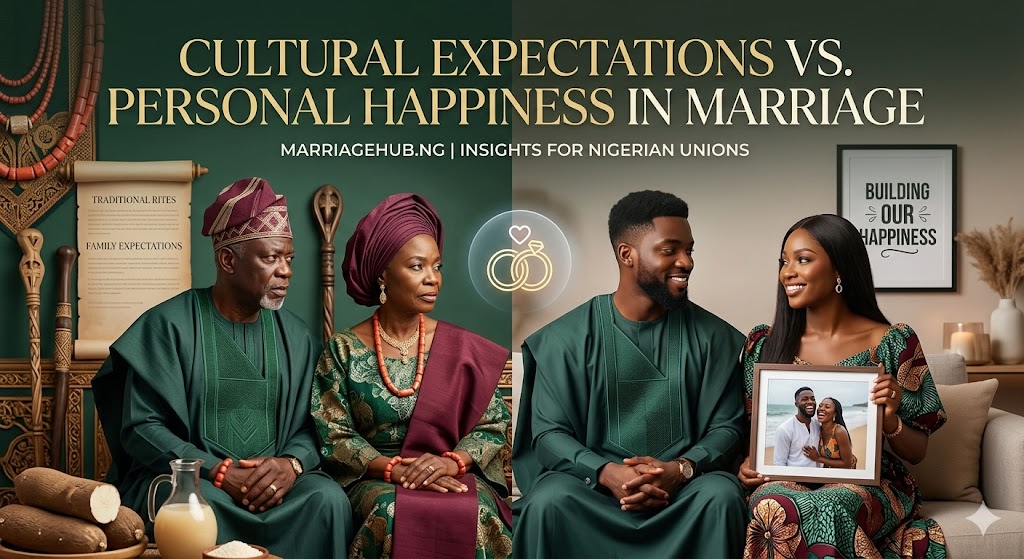
Cultural Expectations vs. Personal Happiness in Marriage: A Real-Life Nigerian Story of Love, Pressure, and Finding Balance
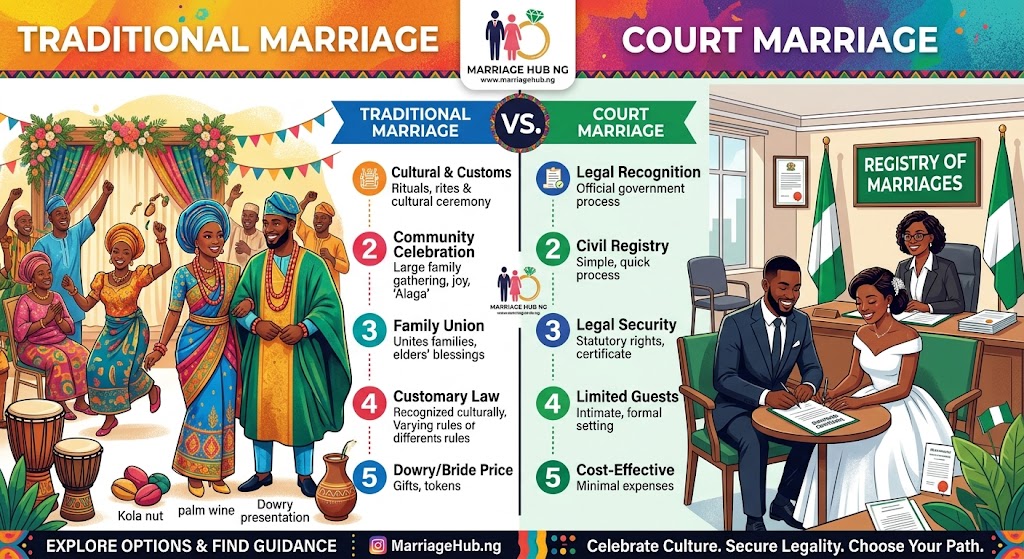
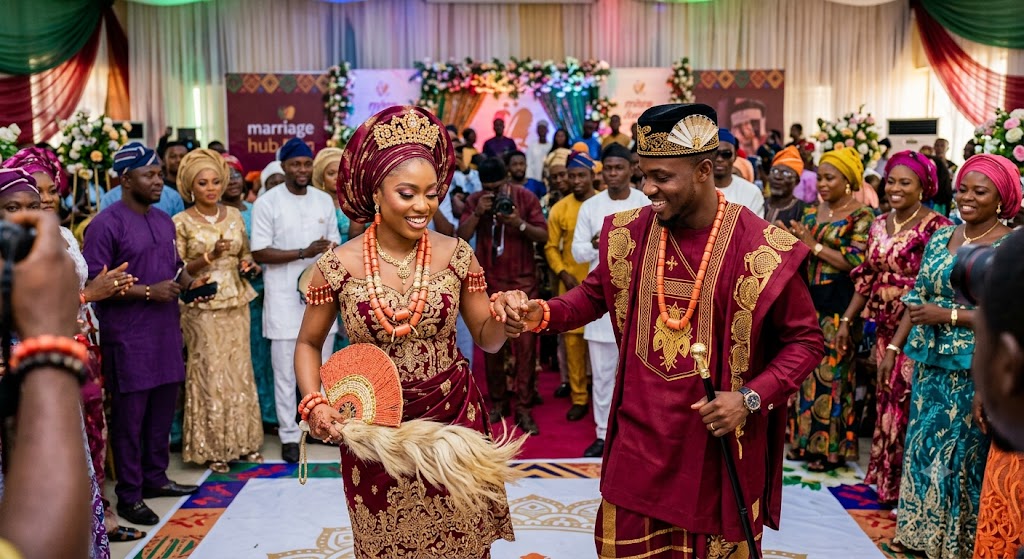
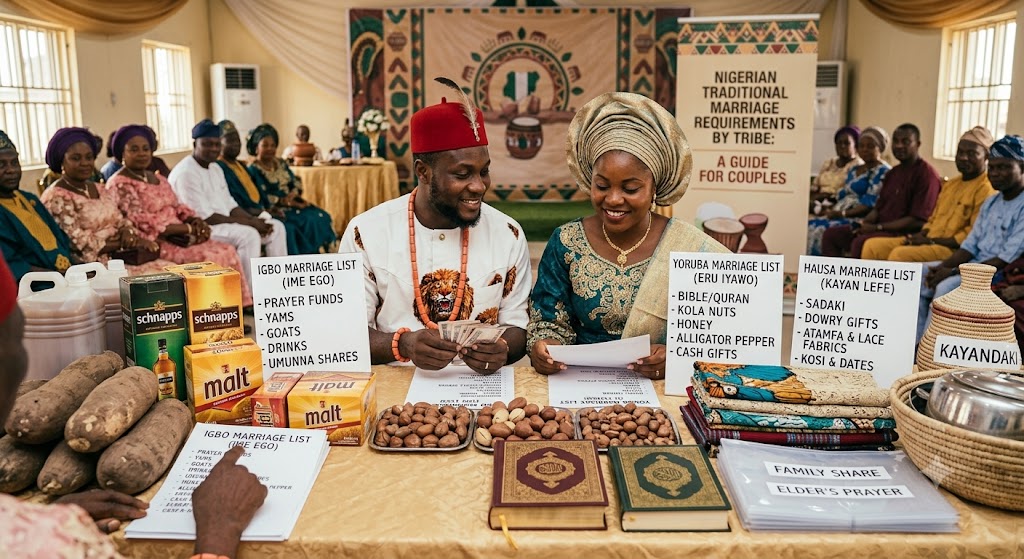
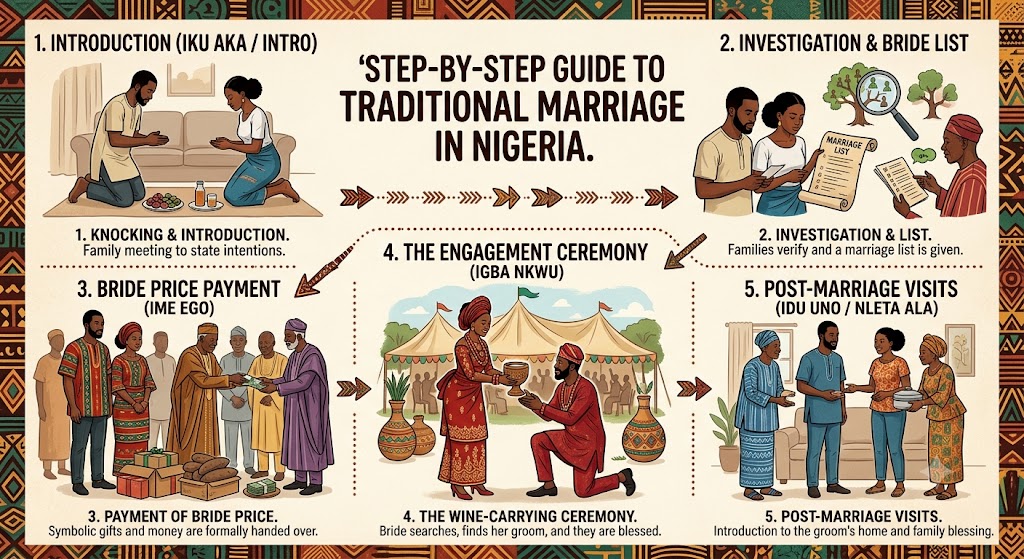
In Nigeria, marriage is more than a union between two people. It is a union between families, communities, traditions, and sometimes even entire villages. From bride price negotiations to elaborate traditional ceremonies, marriage carries deep cultural meaning.
But in modern Nigeria—where education, urbanization, and global exposure are reshaping mindsets—many couples find themselves caught between cultural expectations and personal happiness.
This is a real-life Nigerian-style story of how one couple navigated that tension and what others can learn from it.
“This Is Not How We Do It in Our Family” – Tola’s Story
Tola grew up in a traditional Yoruba household in Abeokuta. Respect for elders was non-negotiable. Marriage was seen as a lifelong commitment, regardless of circumstances. Divorce was whispered about, not discussed openly.
When she met Chuks, an Igbo software developer in Lagos, love came unexpectedly. They met through mutual friends, bonded over shared ambition, and built a relationship rooted in friendship and faith.
But from the beginning, cultural differences lingered in the background.
During their introduction ceremony, subtle comments emerged:
“Will she relocate to the East if needed?”
“Will he accept our family customs?”
“In our place, wives don’t challenge their husbands.”
At first, they laughed off the comments.
They didn’t realize those expectations would later test their happiness.
The Pressure to Conform
After marriage, Tola moved to Lagos Island to live with Chuks. Both had demanding careers. Tola worked in a marketing firm. Chuks worked remotely for an international tech company.
They agreed early in their marriage that decisions would be mutual.
But during their first year, extended family expectations began surfacing.
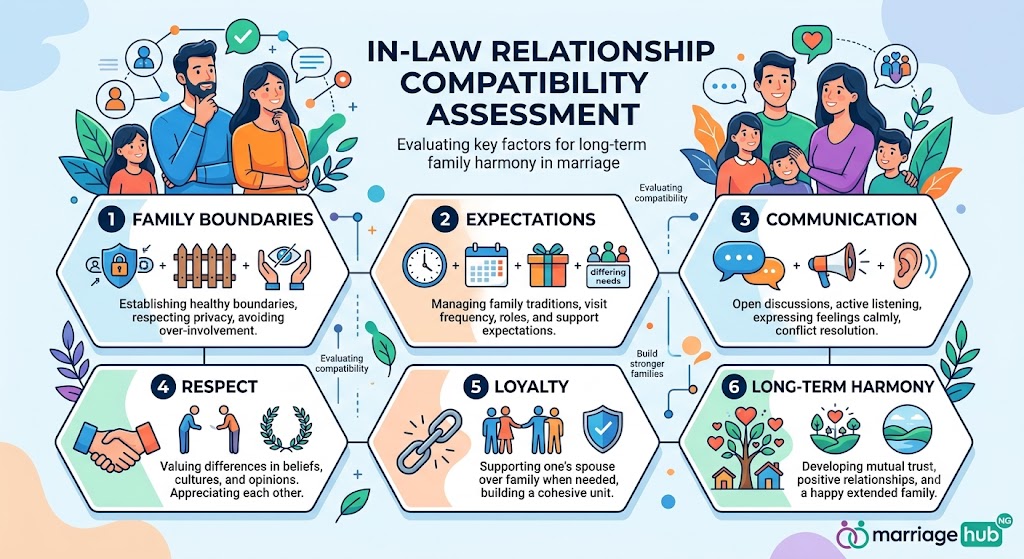
Chuks’ mother expected frequent visits and involvement in household decisions. Tola’s parents expected her to maintain certain Yoruba traditions, even if they conflicted with her new environment.
When Tola expressed opinions during family discussions, an elder once remarked:
“A good wife supports quietly.”
That sentence lingered in her heart.
Was personal expression a sign of disrespect? Or was it simply modern partnership?
The Conflict Between Tradition and Individual Identity
Cultural expectations in Nigerian marriages often include:
-
Immediate childbearing
-
The wife prioritizing home over career
-
Deference to elders in all decisions
-
Financial support for extended family
-
Gender-specific domestic roles
None of these are inherently wrong. But problems arise when they clash with a couple’s personal values and happiness.
Tola valued her career deeply. She had worked hard to build it. Yet subtle pressure suggested that her primary identity should be “wife” and “mother.”
Chuks supported her ambitions privately. But in public family settings, he sometimes remained silent to avoid conflict.
Silence, once again, created tension.
The Children Question
By their second year of marriage, the question of children became unavoidable.
“When are we expecting good news?”
“Don’t wait too long.”
“A woman’s glory is in her children.”
Though well-meaning, these comments created anxiety.
Tola and Chuks had agreed to wait until they felt financially and emotionally ready. But repeated pressure made Tola feel inadequate—as if she was failing a cultural timeline.
Personal happiness requires freedom of choice. Cultural expectations often impose deadlines.
The conflict intensified.
The Emotional Cost of Pleasing Everyone
Trying to satisfy every expectation drained Tola emotionally.
She attended every family event. She reduced overtime at work to appear “less career-focused.” She avoided voicing opinions during traditional gatherings.
Yet she felt increasingly disconnected from herself.
One night, after returning from a family function where she felt subtly criticized, she told Chuks:
“I don’t know who I’m becoming. I feel like I’m performing instead of living.”
That was the turning point.
Chuks’ Internal Struggle
Chuks faced his own battle.
In Nigerian culture, a man is often expected to maintain family harmony—even at the expense of personal comfort.
He loved his wife. He also respected his parents deeply.
Balancing those loyalties was exhausting.
When Tola expressed frustration, he initially felt defensive. “They mean well,” he would say.
But gradually he realized that meaning well does not always equal doing well.
Marriage requires prioritizing your spouse above external voices.
The Power of Honest Conversation
One Saturday afternoon in their Lekki apartment, they had the most honest conversation of their marriage.
They listed their fears:
-
Fear of disappointing parents
-
Fear of cultural rejection
-
Fear of being labeled “too modern”
-
Fear of losing each other
Then they asked a powerful question:
“What does happiness look like for us?”
Not for their families. Not for society. For them.
That question reframed everything.
Defining Their Own Marriage Model
Tola and Chuks realized they didn’t have to reject culture entirely. They needed to adapt it thoughtfully.
They agreed on key principles:
-
Respect elders, but make final decisions together.
-
Support extended family within financial limits.
-
Plan children on their own timeline.
-
Share domestic responsibilities fairly.
-
Protect each other publicly.
Culture became a guide—not a cage.
Setting Boundaries Respectfully
In Nigeria, boundary-setting must be done carefully to avoid perceived disrespect.
Chuks began speaking up gently during family discussions.
When childbearing questions arose, he would respond:
“We appreciate your concern. We are planning wisely.”
When domestic expectations were mentioned, he would add:
“We are building our home in a way that works for us.”
Firm. Calm. Respectful.
Over time, resistance reduced.
The Role of Modern Urban Life
Urban Nigeria has changed marriage dynamics significantly.
In cities like Lagos, Abuja, and Port Harcourt:
-
Nuclear families are more common.
-
Women are more financially independent.
-
Couples are more exposed to global relationship models.
-
Economic pressure requires dual incomes.
These realities often clash with traditional expectations shaped in rural or older economic contexts.
Tola’s career wasn’t a rebellion. It was economic necessity and personal fulfilment.
Modern marriage realities demand adaptation.
A Second Story: Aisha’s Choice
In Kaduna, Aisha faced a different cultural dilemma.
Her family expected her to remain in a polygamous arrangement after discovering her husband intended to marry a second wife.
Culturally and religiously, it was permissible. Personally, she was unhappy.
After months of inner struggle, she chose to leave the marriage respectfully.
Her decision was controversial. But she later said, “Peace is priceless.”
Personal happiness sometimes requires difficult choices.
When Culture Becomes Control
Culture is meant to preserve values—not suppress individuality.
Healthy cultural expectations promote:
-
Respect
-
Responsibility
-
Community
-
Support
Unhealthy expectations promote:
-
Fear
-
Shame
-
Forced conformity
-
Emotional suppression
Marriage thrives when culture supports love—not when it competes with it.
Balancing Respect and Self-Worth
Tola eventually found a balance.
She continued participating in family traditions but stopped shrinking herself to fit others’ comfort.
She spoke respectfully but confidently.
She pursued her career wholeheartedly.
She and Chuks welcomed their first child in their fourth year of marriage—on their terms.
Happiness returned not because culture disappeared, but because they aligned it with their shared vision.
Lessons for Nigerian Couples
1. Define Happiness Together
Your marriage blueprint should be mutual—not inherited blindly.
2. Respect Culture Without Losing Yourself
Adapt traditions in ways that align with your values.
3. Communicate Before Resentment Builds
Unspoken frustration becomes emotional distance.
4. Present a United Front
Disagreement between spouses invites external interference.
5. Set Boundaries With Grace
Firmness and respect can coexist.
The Mental Health Factor
Suppressed unhappiness can lead to anxiety, depression, and resentment.
Many Nigerian couples struggle silently to maintain appearances.
But personal happiness is not selfish—it strengthens the marriage.
A fulfilled spouse contributes more positively to the relationship.
Three Years Later
Today, Tola and Chuks describe their marriage as “intentional.”
They still navigate cultural expectations. But they no longer feel trapped by them.
They attend family events proudly. They honour traditions meaningfully. And they make decisions privately.
Their marriage is not perfect—but it is peaceful.
Conclusion: Choosing Balance in Modern Nigerian Marriage
Cultural expectations in Nigerian marriage are powerful. They carry history, identity, and communal pride.
But personal happiness matters too.
Marriage should not feel like constant performance. It should feel like partnership.
Balancing culture and happiness requires:
-
Honest communication
-
Mutual agreement
-
Courage
-
Respect
-
Boundary-setting
The goal is not to reject culture. It is to ensure culture serves the marriage—not suffocates it.
In modern Nigeria, the strongest marriages are not those that blindly conform nor those that recklessly rebel.
They are the ones that choose balance.
And sometimes, choosing happiness within culture is the bravest act of all.




.jpg)


Sign in to comment