 Nurturing Marriages, Enriching Families!

Cultural Traditions and Biblical Values: Harmonizing Your Home
Every family is shaped by culture. From naming ceremonies and marriage rites to burial customs and festive celebrations, cultural traditions form identity and community. At the same time, Christian families are guided by timeless truths found in the Bible.
In many societies—especially across Africa—families sometimes struggle to reconcile long-standing traditions with biblical convictions. Questions often arise: Should we follow every cultural practice? What if a tradition conflicts with Scripture? How do we honor our heritage without compromising our faith?
Harmonizing cultural traditions and biblical values is not about rejecting culture or blindly accepting it. It is about discernment, wisdom, and intentional leadership within the home. This article explores how families can respect cultural identity while remaining rooted in biblical truth.
Understanding the Role of Culture in Family Life
Culture shapes how we:
-
Celebrate milestones
-
Show respect to elders
-
Structure family authority
-
Approach marriage and parenting
-
Handle conflict and reconciliation
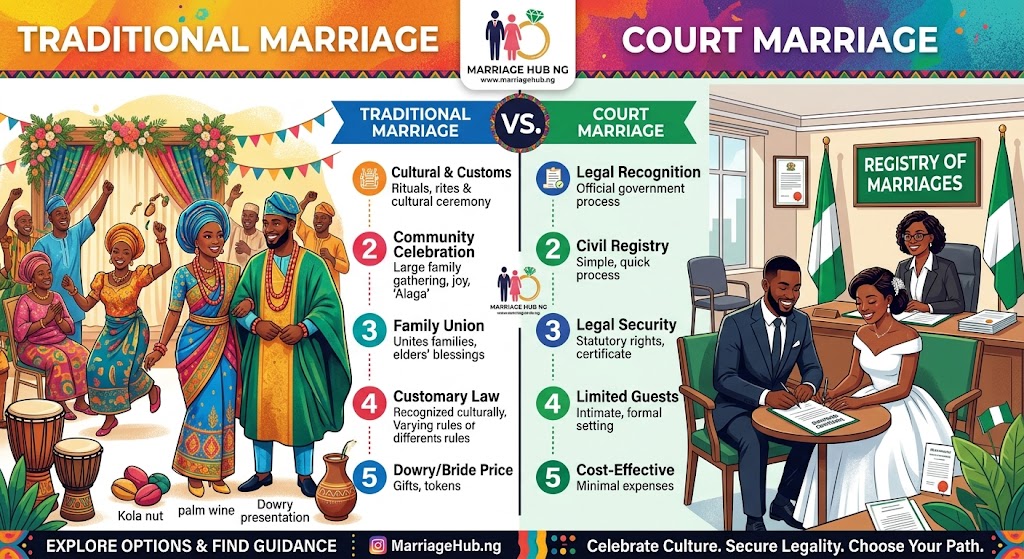
In places like Nigeria, cultural diversity is vast. The customs of the Igbo, Yoruba, and Hausa communities differ significantly in areas such as bride price, extended family roles, inheritance patterns, and ceremonies.
Culture itself is not inherently sinful. Many traditions promote respect, unity, hospitality, and responsibility—values that align with Scripture. However, some practices may conflict with biblical principles.
The key question becomes: Does this tradition honor God?
Biblical Values: The Foundation for the Christian Home
The Bible provides guiding principles for family life, including:
-
Love and sacrificial service
-
Integrity and honesty
-
Monogamous covenant marriage
-
Respect for parents
-
Justice and fairness
-
Worship of God alone
Biblical values are timeless and unchanging. While culture evolves, God’s Word remains consistent.
Psalm 119:105 describes God’s Word as a lamp to our feet and a light to our path. When cultural expectations create confusion, Scripture provides clarity.
When Culture and Scripture Align
Many cultural traditions beautifully complement biblical values. For example:
Respect for Elders
In many African cultures, greeting elders properly and seeking their counsel is highly emphasized. This aligns with biblical teachings about honoring parents (Exodus 20:12).
Community Support
Extended family systems often provide emotional and financial support during crises. This reflects the biblical principle of bearing one another’s burdens (Galatians 6:2).
Marriage Celebrations
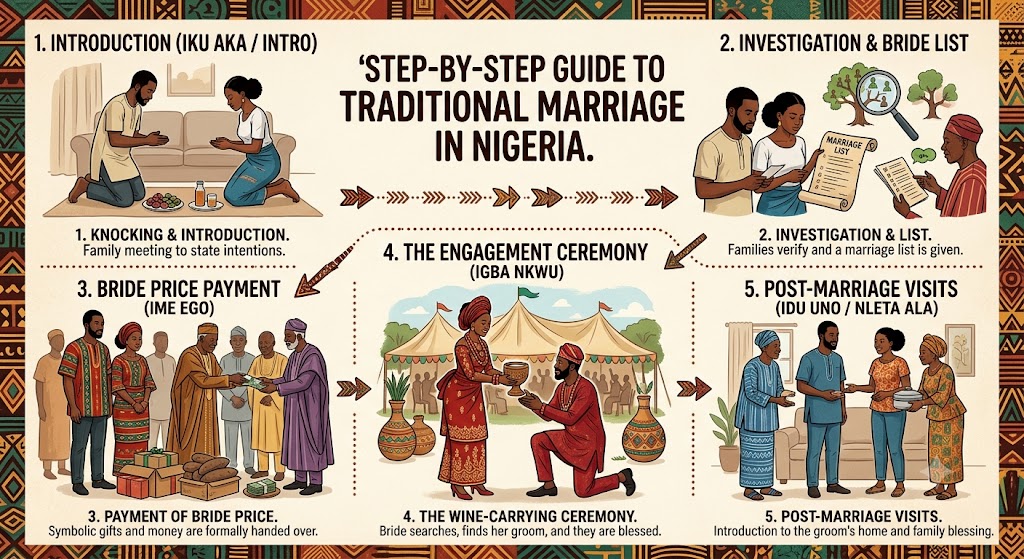
Traditional wedding ceremonies often emphasize family unity and public covenant, which aligns with biblical marriage principles.
In these cases, families can confidently celebrate culture while honoring God.
When Cultural Traditions Conflict with Biblical Values
Challenges arise when certain customs contradict Scripture. Examples may include:
-
Practices rooted in ancestral worship
-
Polygamy
-
Rituals involving spiritual mediation outside Christ
-
Gender inequality or oppression
-
Harmful initiation rites
When conflict occurs, Christian families must choose biblical obedience over cultural acceptance.
Jesus Himself challenged traditions that contradicted God’s commands (Mark 7:8 in the Bible). He demonstrated that cultural practices should never override divine truth.
The Pressure of Extended Family Expectations
In collectivist societies, family decisions often involve extended relatives. Refusing a tradition may be viewed as disrespectful.
For example:
-
Pressure to perform certain burial rites
-
Expectations regarding bride price negotiations
-
Financial obligations tied to ceremonies
Navigating these situations requires wisdom and respectful communication.
Explain your convictions calmly. Emphasize that your decision is based on faith, not rebellion. When possible, suggest alternative ways to honor family without compromising Scripture.
Firmness with humility often earns long-term respect.
Harmonizing Through Discernment
Not every tradition must be accepted or rejected entirely. Some can be reinterpreted or modified.
Ask these questions:
-
Does this tradition require me to violate Scripture?
-
Can it be practiced in a Christ-centered way?
-
What message does it send to my children?
-
Does it glorify God or elevate human pride?
Discernment allows families to adapt culture rather than abandon it completely.
Teaching Children Cultural Identity with Biblical Clarity
Children benefit from understanding their cultural roots. Teaching them native language, history, and values builds confidence and identity.
However, ensure they also understand:
-
God is supreme above cultural practices.
-
Scripture guides moral decisions.
-
Cultural pride should not replace spiritual identity.
A child grounded in both culture and Scripture grows balanced—not confused.
Marriage Across Cultural Lines
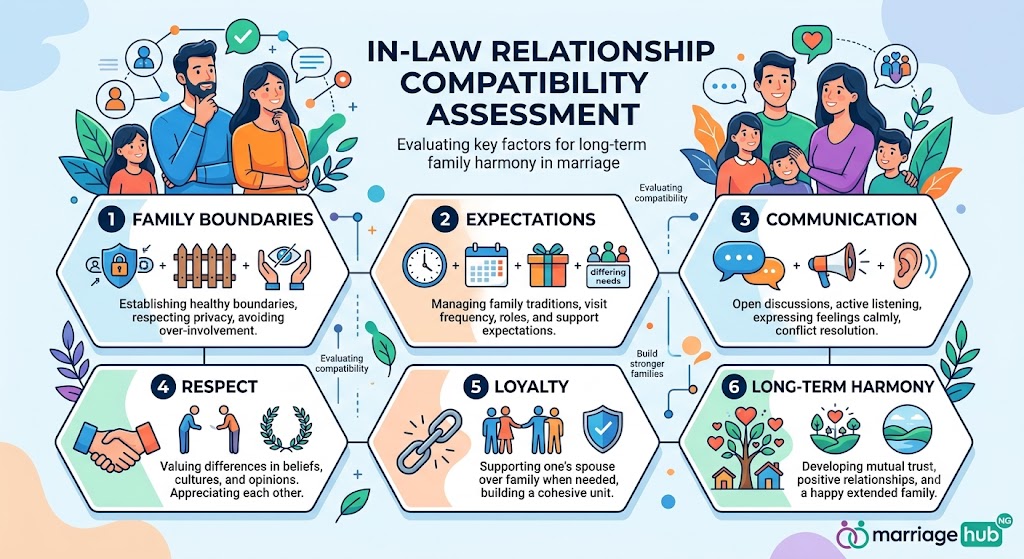
Intercultural marriages often amplify these tensions. A spouse from one ethnic group may bring different customs into the union.
Harmony requires:
-
Open discussions before marriage
-
Agreement on which traditions to adopt
-
Clear spiritual leadership
-
Mutual respect
Genesis 2:24 in the Bible reminds couples that marriage creates a new primary unit. Cultural loyalty must not override marital unity.
Preserving Cultural Celebrations with Spiritual Purpose
Many traditional festivals and celebrations can be reframed with biblical meaning.
For example:
-
Thanksgiving celebrations can emphasize gratitude to God.
-
Naming ceremonies can include prayer and Scripture reading.
-
Harvest festivals can incorporate church thanksgiving services.
By integrating prayer and biblical reflection into cultural events, families maintain identity while centering Christ.
Avoiding Cultural Legalism
Some families elevate cultural rules to the level of divine law. This can create unnecessary conflict and rigidity.
For instance:
-
Insisting on specific ceremonial formats
-
Enforcing dress codes beyond biblical modesty
-
Judging others based on tribal practices
Cultural expressions should never become tools of spiritual superiority.
Christian unity transcends ethnic divisions.
The Role of Spiritual Leadership in the Home
Parents play a crucial role in harmonizing culture and faith.
They must:
-
Study Scripture diligently
-
Pray for wisdom
-
Model integrity
-
Lead discussions about traditions
When children observe thoughtful decision-making rather than emotional reactions, they learn discernment.
Spiritual leadership ensures that decisions are guided by conviction rather than pressure.
Addressing Ancestral and Spiritual Practices
Some traditions involve ancestral reverence or rituals intended to appease spirits. These practices directly conflict with Christian teaching about worshiping God alone.
The Bible emphasizes that salvation and mediation come through Christ alone (1 Timothy 2:5).
Families must respectfully decline participation in rituals that contradict this truth. Replace such practices with prayer and trust in God’s sovereignty.
Unity Within the Household
Harmony begins at home. Even if extended family disagrees, unity within the immediate household is essential.
Discuss traditions openly. Agree as a family. Avoid internal division.
Amos 3:3 asks, “Can two walk together unless they agree?” Agreement strengthens peace.
Showing Respect Without Compromise
It is possible to disagree respectfully.
Ways to show honor include:
-
Attending family gatherings (without participating in conflicting rituals)
-
Expressing gratitude for elders
-
Explaining decisions privately rather than publicly confronting
Respectful refusal communicates maturity rather than rebellion.
Handling Criticism and Misunderstanding
Standing firm in biblical conviction may attract criticism.
You may hear:
-
“You are abandoning your culture.”
-
“This is how our ancestors did it.”
-
“You think you are better than us.”
Respond gently. Avoid arrogance. Remember that obedience to God sometimes requires courage.
Over time, consistent character often softens opposition.
Building a Christ-Centered Family Identity
Ultimately, your family’s primary identity should not be tribal, national, or cultural—it should be rooted in Christ.
Galatians 3:28 in the Bible teaches that believers are united in Christ beyond ethnic divisions.
Celebrate culture proudly, but let your children know that their eternal identity transcends geography.
Practical Steps to Harmonize Culture and Faith
-
Study Scripture together regularly.
-
Evaluate traditions prayerfully.
-
Seek counsel from mature Christian leaders.
-
Communicate decisions respectfully to extended family.
-
Teach children the “why” behind decisions.
-
Celebrate cultural beauty that aligns with faith.
Consistency builds clarity.
Final Thoughts
Cultural traditions enrich family life with color, history, and belonging. Biblical values provide moral clarity and eternal direction. When harmonized wisely, the home becomes a place where heritage and holiness coexist beautifully.
The Bible does not call believers to reject culture entirely, but to transform it under Christ’s lordship.
By exercising discernment, showing respect, and prioritizing Scripture, families can build homes that honor both their heritage and their faith.
In a world where identity is often fragmented, a harmonized home—rooted in culture yet grounded in biblical truth—becomes a powerful testimony of wisdom, unity, and devotion to God.







.jpg)


Sign in to comment