 Nurturing Marriages, Enriching Families!

Dividing Property: What Every Nigerian Couple Should Know During Divorce or Separation
Dividing property during divorce is often one of the most complex and emotionally charged aspects of separation. In Nigeria, property division is influenced by marriage type, legal frameworks, cultural norms, and individual agreements. Understanding how property is divided, what is considered marital versus personal property, and the legal rights of each spouse is essential to ensure a fair and smooth process.
Being informed reduces conflict, prevents disputes from escalating, and helps couples navigate divorce with clarity and confidence. This guide explains key considerations Nigerian couples should know when dividing property during divorce.
Understanding Marital vs. Personal Property
A crucial first step in property division is identifying what constitutes marital property versus personal property:
-
Marital Property: Generally includes assets acquired during the marriage, such as the family home, jointly purchased vehicles, savings, investments, and household items. These are usually subject to division between spouses.
-
Personal Property: Property owned before the marriage, gifts, or inheritance that was specifically given to one spouse may be considered personal property. Documentation is key to proving ownership.
Understanding these distinctions ensures that both spouses have realistic expectations and avoids unnecessary disputes.
Marriage Type and Its Impact on Property Division
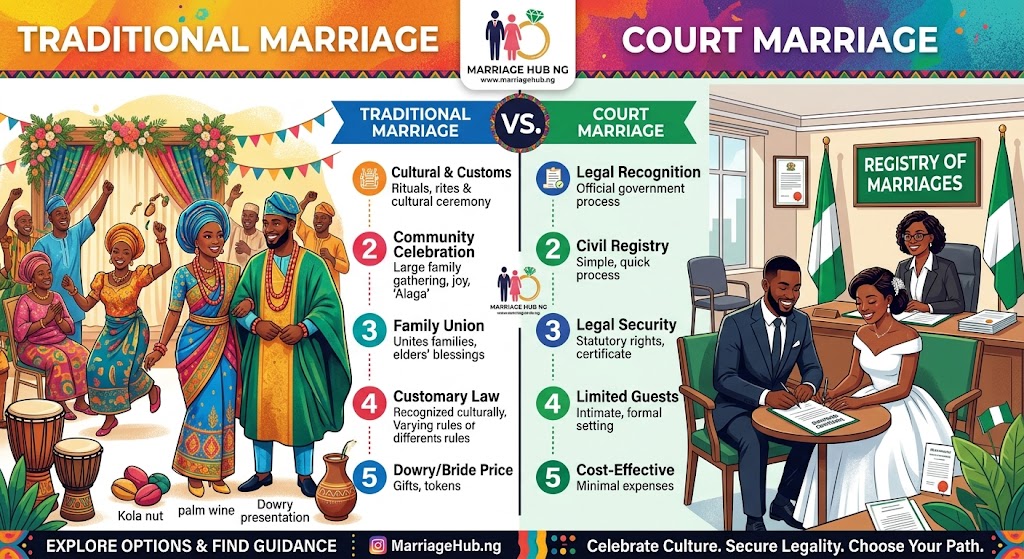
Nigeria recognizes several types of marriages—customary, statutory (civil), and Islamic marriages. Each type affects property division differently:
-
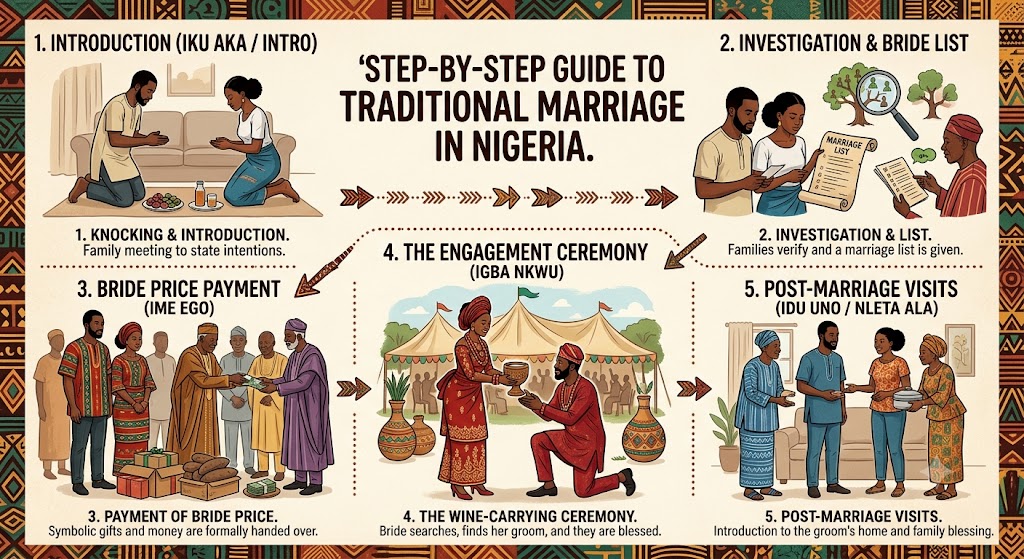
Customary Marriages: Property division may be influenced by family or community norms. In some cases, customary law favors male spouses or depends on the agreements made within the community.
-
Statutory (Civil) Marriages: Governed by the Matrimonial Causes Act, which provides guidelines for equitable distribution of property. Courts can order division based on contributions, financial needs, and fairness.
-
Islamic Marriages: Sharia law applies, and property division may follow Islamic inheritance principles, marriage contracts, or agreements made before the marriage.
Knowing the legal framework applicable to your marriage type ensures informed decision-making.
Factors Considered in Property Division
Courts in Nigeria consider several factors when dividing property, especially in statutory marriages:
-
Contributions of Each Spouse: Financial and non-financial contributions, including homemaking, childcare, and income generation.
-
Needs of Each Spouse: The standard of living during the marriage and ability to maintain that standard after separation.
-
Duration of the Marriage: Longer marriages may justify a more equitable distribution to balance contributions.
-
Welfare of Children: Property division may prioritize stability and care for children.
-
Agreements Between Spouses: Prenuptial or postnuptial agreements may influence court decisions.
Considering these factors ensures that division is fair, balanced, and legally enforceable.
Documentation and Proof
Proper documentation is essential during property division. Couples should gather:
-
Titles and deeds for real estate properties.
-
Bank statements and investment records.
-
Receipts for major purchases or renovations.
-
Marriage contracts or prenuptial agreements.
-
Any written agreements regarding property or financial arrangements.
Having clear documentation strengthens your position, reduces disputes, and speeds up negotiations or court proceedings.
Negotiation and Mediation
Not all property disputes require court intervention. Mediation allows couples to negotiate terms collaboratively, often resulting in faster, less expensive, and more amicable outcomes.
Benefits of mediation include:
-
Privacy: Discussions are confidential.
-
Control: Couples retain decision-making power.
-
Reduced Conflict: Promotes cooperative solutions, particularly important if children are involved.
Mediation is especially effective when both spouses are willing to compromise and prioritize fairness over winning disputes.
Legal Recourse Through Court
When negotiation or mediation fails, court intervention becomes necessary. Courts can:
-
Order equitable distribution of property.
-
Protect the rights of spouses who may be disadvantaged financially.
-
Provide enforceable orders regarding the sale, transfer, or division of assets.
Working with a lawyer familiar with Nigerian family law ensures that your interests are represented and that the division complies with legal standards.
Real-Life Scenario: Property Division
Tolu and Amaka had been married for 14 years. They jointly purchased a home, owned vehicles, and had substantial savings. During divorce, disputes arose over who was entitled to the house and the savings.
Through mediation, they negotiated a fair division: Tolu retained the family home with a mortgage arrangement, while Amaka received the vehicles, a portion of the savings, and child support. Both parties avoided a lengthy court process, maintained amicable relations, and ensured the children’s welfare was protected.
This scenario highlights how negotiation and mediation can lead to fair outcomes while minimizing conflict.
Tips for Nigerian Couples
-
Know Your Rights: Understand how marriage type, law, and agreements affect property claims.
-
Document Everything: Keep records of all assets, purchases, and contributions during the marriage.
-
Consider Mediation First: Explore amicable solutions before going to court.
-
Prioritize Children’s Needs: Ensure property division supports their stability and well-being.
-
Seek Legal Advice: Work with experienced lawyers to protect your interests.
Being proactive and informed allows couples to navigate property division confidently, minimizing stress and conflict.
Conclusion: Property Division as a Step Toward Stability
Dividing property during divorce can be complex, but understanding the law, marriage type, documentation requirements, and negotiation options makes the process more manageable. Nigerian couples who approach property division strategically—whether through mediation or court—can achieve fair outcomes while preserving dignity, protecting children, and moving forward with stability.





.jpg)


Sign in to comment