 Nurturing Marriages, Enriching Families!

Effective Communication Skills Every Couple Needs
Communication is the foundation of every lasting relationship. Love may bring two people together, but it is communication that sustains emotional closeness, resolves conflict, and ensures both partners feel seen, heard, and valued over time. Many relationships in Nigeria—and worldwide—do not fail because love disappears. They fail because communication breaks down. Words left unsaid, feelings ignored, assumptions made, and conversations avoided often lead to misunderstandings that grow into resentment, distance, and eventually heartbreak.
In Nigeria, effective communication in relationships faces unique challenges. Cultural norms, family expectations, financial pressures, and gender roles influence how couples interact. In many households, men are socialized to be dominant and reserved with emotions, while women are encouraged to endure silently for the sake of harmony. Add to this the pressures of social media, extended family involvement, and urban stressors, and it becomes clear why even couples with love and commitment struggle to communicate effectively.
Effective communication is not simply about talking more. It is about connecting authentically, listening actively, expressing emotions healthily, and creating understanding. It is a skill that can be developed intentionally, nurtured consistently, and adapted over time.
Listening to Understand, Not to Respond
At the heart of effective communication is the ability to listen. Many couples listen only to reply, to defend themselves, or to make a point, rather than truly understanding their partner. In Nigeria, this often shows in how couples handle disagreements about money, family, or social obligations. For example, a husband may hear his wife express concern about unpaid bills but respond defensively, insisting he has it under control. A wife may hear her husband complain about work stress but respond with frustration rather than empathy. In both cases, the words are heard, but the emotions behind them are ignored.
Active listening requires giving full attention, resisting the urge to interrupt, and acknowledging your partner’s feelings. When someone feels truly heard, defensiveness decreases, trust grows, and intimacy deepens. Listening is not passive—it is an act of care.
Expressing Emotions Healthily
Another essential component of effective communication is the ability to express emotions without aggression, manipulation, or withdrawal. Many Nigerian couples struggle with this. For instance, in some households, a husband may bottle up frustration at work and release it through harsh words at home. Similarly, a wife may respond to hurt by withdrawing emotionally, giving the silent treatment, or speaking sarcastically.
Healthy communication allows partners to express anger, disappointment, or frustration while maintaining respect. Instead of saying, “You never care about me,” one might say, “I feel hurt when decisions are made without me.” The difference lies in owning your emotions rather than blaming the other person. Couples who practice this form of communication reduce conflict escalation and foster emotional safety.
Clarity Over Assumption
Clarity is another key aspect of effective communication. Many arguments arise not from the issue itself but from assumptions. Expecting a partner to “just know” what you want often leads to disappointment. In Nigerian contexts, indirect communication is common, especially when trying to appear polite or avoid conflict. Phrases like “I’m fine” or “Do what you think is best” may mask dissatisfaction or unmet expectations.
Couples who communicate clearly express needs, desires, and boundaries directly and respectfully. They replace assumption with openness and guesswork with dialogue. For example, if a wife expects her husband to attend a family function, she communicates it rather than assuming he knows. This simple practice prevents misunderstandings that often spiral into conflict.
Timing and Emotional Awareness
Even with clarity and honesty, timing matters in communication. Saying the right thing at the wrong moment can escalate tension rather than resolve it. Nigerian couples often face pressure to discuss sensitive issues in stressful environments—during family gatherings, at the end of a long workday, or in public. Discussing finances, conflicts, or personal insecurities in such moments can exacerbate arguments.
Effective communicators choose timing carefully. They recognize when emotions are high, fatigue is setting in, or external stressors are present, and they pause to create a calm, private space for meaningful discussion. This approach ensures the message is heard, processed, and addressed constructively.
Practicing Empathy
Empathy is an indispensable element of communication. It is the ability to understand and acknowledge your partner’s feelings without necessarily agreeing with them. Empathy creates connection, reduces defensiveness, and fosters collaboration. In Nigeria, statements like “That’s how marriage is” or “A wife must endure” often dismiss emotional experiences. Couples who fail to practice empathy risk creating emotional distance.
Empathy can be as simple as reflecting feelings: “I understand that you feel overwhelmed by the family gathering. How can I support you?” Recognizing a partner’s emotional state validates their experience and opens the door for problem-solving rather than conflict.
Handling Conflict Productively
Disagreements are inevitable in any relationship, but effective communication shapes how conflict impacts the couple. Conflict becomes an opportunity for growth when approached with patience, respect, and focus on resolution rather than winning. Couples who escalate arguments by bringing up past mistakes, raising their voices, or involving third parties often damage trust and emotional intimacy.
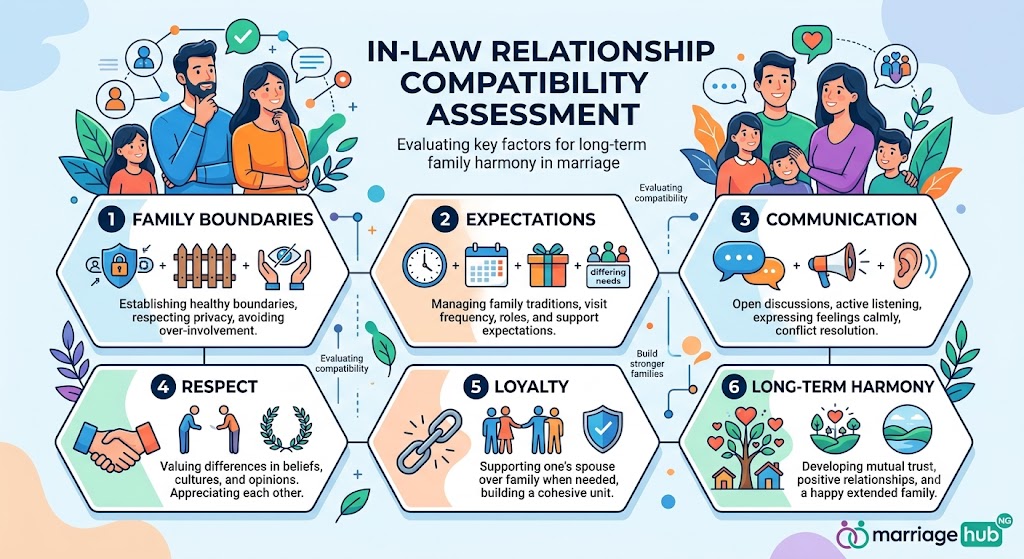
Consider a Nigerian couple dealing with in-law interference. A disagreement about boundaries with extended family could easily turn into a heated argument if either partner resorts to blame or shame. Couples who communicate effectively focus on problem-solving: discussing concerns calmly, acknowledging emotions, and negotiating boundaries together.
Understanding Non-Verbal Communication
Communication is not just verbal. Body language, tone of voice, facial expressions, and even silence convey powerful messages. Rolling eyes, sighing, or checking a phone during conversations can signal disinterest or disrespect. Couples who master non-verbal communication create safety and attentiveness. In Nigerian homes, where extended families often observe interactions, respectful non-verbal cues become even more important.
Non-verbal communication also includes touch, gestures, and physical presence. A reassuring hand on the shoulder, a warm smile, or attentive posture communicates care, attention, and connection in ways words sometimes cannot.
Honesty and Transparency
Honesty is the backbone of trust and effective communication. Hiding feelings, concealing mistakes, or withholding information erodes intimacy over time. In Nigeria, cultural pressures sometimes encourage silence or avoidance of sensitive topics. However, honest communication fosters clarity, accountability, and mutual respect.
Transparency about emotions, finances, career plans, or family issues is crucial. Couples who practice honesty early in the relationship lay the groundwork for lifelong trust. Concealment, even if well-intentioned, often backfires when discovered later.
Apologizing and Repairing Communication Breakdowns
Even the best communicators make mistakes. Misunderstandings, emotional outbursts, and harsh words occur. What differentiates strong couples is their ability to repair communication breakdowns through sincere apologies and reconciliation. Pride, stubbornness, or avoidance prevents repair and creates long-term resentment.
A Nigerian husband who raises his voice during an argument but later acknowledges his error, apologizes, and discusses how to prevent repetition demonstrates emotional intelligence and strengthens the marital bond. Likewise, a wife who expresses regret for misunderstanding or overreacting models accountability and fosters harmony.
Shared Decision-Making
Effective communication also includes collaboration. Marriage is a partnership that requires joint decisions about finances, children, career moves, and family obligations. When one partner consistently makes decisions unilaterally, resentment develops.
In Nigerian relationships, traditional roles sometimes allow men or elders to dominate decisions. Purposeful communication encourages dialogue, negotiation, and mutual agreement. Couples who make decisions together cultivate unity and shared responsibility.
Consistency and Daily Practice
Communication is not a skill reserved for crises. It is a daily practice. Couples who communicate effectively consistently check in, share thoughts and feelings, and invest in emotional connection. Waiting until problems arise to talk often leads to accumulated resentment and missed opportunities for intimacy.
Regular conversations about daily experiences, challenges, and joys reinforce emotional bonds. Nigerian couples who create routines for checking in—whether during morning devotion, shared meals, or evening reflection—strengthen their marriage foundation.
Real-Life Nigerian Scenario
Consider the story of Aisha and Tunde from Lagos. Tunde works long hours, and Aisha manages the household while running a small business. Initially, Aisha felt frustrated that Tunde did not express appreciation or ask about her day. Tunde, on the other hand, felt criticized whenever she brought up household concerns.
By committing to intentional communication, they set aside time each evening to talk about their day, express gratitude, and discuss challenges without judgment. They also learned to pause before responding to stressful comments, listen actively, and empathize. Over time, tension reduced, trust increased, and their emotional connection deepened.
This scenario illustrates that effective communication is not about eliminating conflict—it is about creating safe spaces, understanding each other, and working through issues constructively.
Building Communication Skills Over Time
Effective communication skills are developed, not inherited. Couples can practice:
-
Active listening and reflection
-
Expressing feelings using “I” statements
-
Timing discussions carefully
-
Observing and adjusting non-verbal cues
-
Engaging in empathy and validation
-
Repairing misunderstandings with sincere apologies
-
Consistently checking in and discussing future goals
These practices may feel awkward at first, but over time they create a relationship culture of openness, trust, and emotional safety.
The Role of Counseling and Mentorship
In Nigeria, premarital counseling or couples therapy can be invaluable. Guidance from experienced mentors, pastors, or counselors helps couples identify communication weaknesses and develop practical strategies. Counseling provides tools to navigate family expectations, financial pressure, and emotional differences that are common in Nigerian relationships.
Couples who invest in learning communication skills before and during marriage are better equipped to handle challenges such as relocation, career changes, parenting stress, and extended family interference.
Conclusion
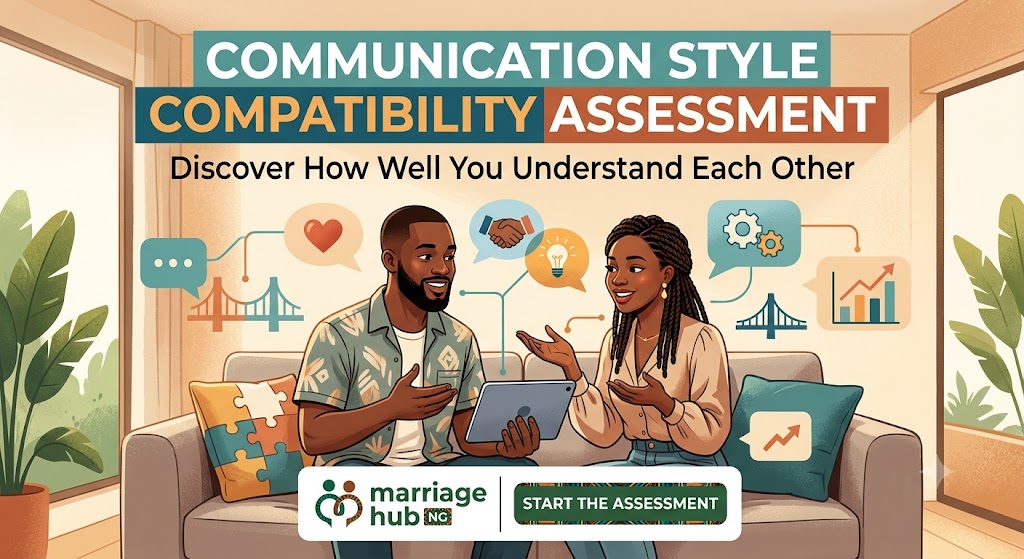
Effective communication is not a luxury—it is a necessity for every couple. It goes beyond words, involving listening, empathy, clarity, honesty, emotional expression, and problem-solving. Nigerian couples face unique challenges due to cultural expectations, family influence, financial pressures, and gender dynamics. Yet with intentional practice, communication can bridge differences, strengthen emotional bonds, and ensure the longevity of marriage.
Couples who invest in communication not only prevent misunderstandings but also cultivate intimacy, trust, and a shared vision for the future. Love may bring two people together, but communication ensures they stay connected through the inevitable challenges of life.
Marriage is a partnership, and effective communication is the bridge that keeps that partnership alive, strong, and deeply fulfilling. Every couple that learns to communicate effectively builds a foundation that can withstand time, trials, and external pressures. In Nigeria, where societal and familial factors can complicate relationships, mastering communication is more than a skill—it is a survival strategy for love and long-term happiness.








.jpg)
Sign in to comment