 Nurturing Marriages, Enriching Families!
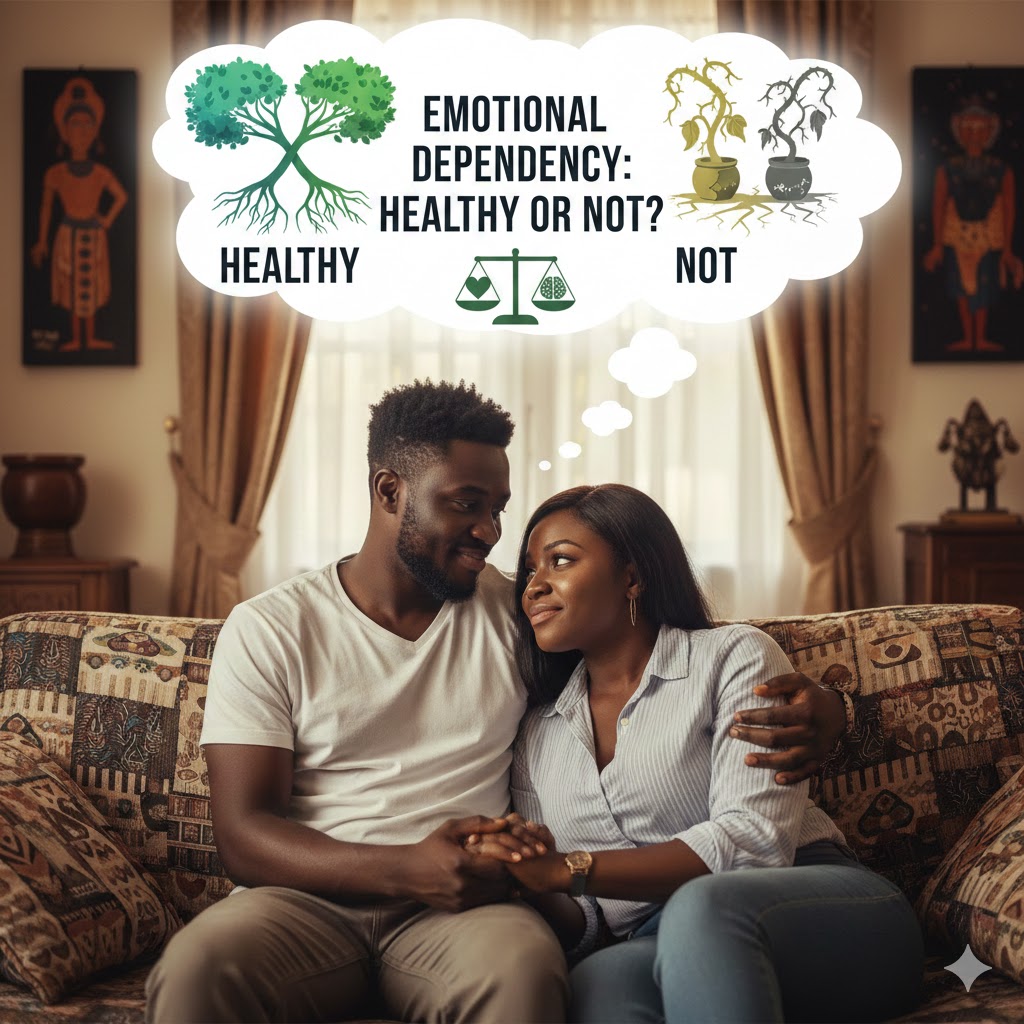
Emotional Dependency in Marriage: Understanding When It’s Healthy and When It’s Not
Marriage is often described as a partnership, a bond between two people who share love, responsibilities, and life goals. Yet, one of the most nuanced aspects of a marital relationship is emotional dependency—the extent to which one relies on their partner for emotional support, validation, and well-being. While some degree of emotional dependence is natural and healthy, excessive dependency can become harmful, eroding self-esteem, creating codependency, and straining the marriage.
In Nigerian marriages, where cultural expectations often emphasize family unity, shared responsibilities, and communal living, emotional dependency can manifest uniquely. Understanding the difference between healthy emotional reliance and unhealthy emotional dependency is crucial for building strong, balanced relationships.
What is Emotional Dependency?
Emotional dependency occurs when one partner relies heavily on the other for emotional stability, self-worth, or decision-making. It ranges from natural support-seeking to over-reliance that undermines independence.
Signs of Emotional Dependency:
-
Feeling anxious or lost when the partner is unavailable
-
Seeking constant validation for decisions or feelings
-
Avoiding independent social interactions
-
Sacrificing personal goals to prioritize the partner excessively
-
Experiencing mood swings based on the partner’s actions
While a degree of dependence is normal in healthy relationships, excessive reliance can result in codependency, resentment, and burnout.
Healthy Emotional Dependency
Healthy emotional dependency strengthens relationships without eroding individual autonomy. It is characterized by:
-
Mutual support: Partners support each other while maintaining personal independence.
-
Trust and security: Emotional reliance is built on trust, not fear.
-
Balanced boundaries: Each partner has space for personal growth.
-
Emotional resilience: Support from a partner complements, rather than substitutes, self-regulation.
Example:
Tola and Kemi have been married for five years in Lagos. Tola often feels stressed at work, and he shares his feelings with Kemi, who listens empathetically, offers advice, and reassures him. Meanwhile, Tola maintains friendships and hobbies outside the marriage. This balance allows emotional support without dependence that threatens individuality.
Unhealthy Emotional Dependency
Excessive dependency, often called emotional over-reliance, can harm both partners. It may manifest as:
-
Constant need for reassurance: Feeling incapable of handling life’s challenges without the partner.
-
Loss of personal identity: Sacrificing personal interests, hobbies, or ambitions.
-
Fear of separation: Anxiety or distress at the thought of being alone.
-
Manipulative behavior: Either partner may use dependency to control or guilt-trip.
Scenario:
Chinedu relies entirely on his wife, Ada, for emotional validation. If Ada spends time with friends, Chinedu feels abandoned and becomes anxious. He stops pursuing his passions, believing he cannot function without her guidance. This pattern creates stress and resentment, affecting both partners’ well-being.
Emotional Dependency in Nigerian Marriages
In Nigeria, cultural and familial factors often shape emotional reliance:
-
Extended family involvement: Couples frequently involve relatives in decision-making, which may increase emotional pressure and dependence.
-
Gender roles: Traditional expectations may encourage women to provide emotional support and men to be “strong,” sometimes masking dependency issues.
-
Social norms: Communities may normalize interdependence, making excessive reliance harder to identify.
-
Economic realities: Financial dependence may intensify emotional dependency.
Understanding these factors helps couples recognize whether emotional dependency is healthy or harmful in their context.
Causes of Emotional Dependency
1. Childhood Experiences
People who grew up in unstable environments may seek excessive emotional security in partners. For example, children of divorce or neglect may over-rely on spouses for validation.
2. Low Self-Esteem
Individuals with low self-confidence may rely heavily on partners for approval, reassurance, or decision-making.
3. Trauma and Loss
Past emotional trauma or loss can make a person hyper-dependent on their spouse for safety and comfort.
4. Cultural Expectations
In some Nigerian cultures, marriage is seen as a source of social and emotional security, increasing emotional reliance.
Signs Your Emotional Dependency May Be Unhealthy
-
Anxiety or depression when your partner is unavailable
-
Sacrificing personal goals or identity for the partner
-
Constant fear of rejection or abandonment
-
Difficulty making decisions independently
-
Emotional manipulation or guilt-tripping to maintain closeness
Recognizing these signs early allows couples to address issues before they erode intimacy and trust.
Real-Life Scenario
Ngozi and Tunde live in Abuja. Ngozi constantly seeks reassurance from Tunde about her appearance, parenting, and social decisions. She avoids spending time with friends or pursuing hobbies alone. Tunde loves her, but the constant neediness creates tension. Counseling helps Ngozi build self-confidence and develop healthier emotional boundaries, while Tunde learns to support without enabling dependency.
Balancing Emotional Dependency in Marriage
1. Build Self-Awareness
Understand your emotional patterns. Journaling, reflection, or counseling can help identify areas of over-reliance.
2. Maintain Individual Interests
Hobbies, friendships, and personal projects reduce excessive dependence and keep the marriage balanced.
3. Establish Boundaries
Agree on personal space, alone time, and independent decision-making. Respecting boundaries fosters mutual respect.
4. Practice Healthy Communication
Express needs without demands. Avoid guilt-tripping or passive-aggressive behavior.
5. Support, Don’t Rescue
Provide emotional support without taking responsibility for solving all your partner’s problems. Encourage self-reliance.
Therapeutic Approaches for Couples
-
Cognitive Behavioral Therapy (CBT): Helps individuals recognize patterns of dependency and develop coping strategies.
-
Couples Counseling: Supports communication, emotional regulation, and shared understanding.
-
Mindfulness and Emotional Regulation: Techniques to manage anxiety and dependence.
-
Support Groups: Sharing experiences can normalize challenges and provide strategies for balance.
Healthy Emotional Dependency in Daily Life
Practical Tips:
-
Daily Check-Ins: Short, meaningful conversations about feelings and experiences.
-
Shared Activities: Collaborative projects that build connection without dependency.
-
Mutual Encouragement: Support each other’s goals without absorbing all responsibilities.
-
Express Gratitude: Recognize efforts, not just emotional availability.
-
Personal Reflection: Take time to self-soothe, journal, or meditate.
Scenario: Positive Dependency Example
Chika and Emeka, married in Lagos, depend on each other for advice but maintain separate friendships and hobbies. Chika relies on Emeka’s input for major life decisions but independently handles daily work and social activities. This balanced dependency strengthens trust, intimacy, and mutual respect.
The Role of Nigerian Culture in Emotional Dependency
In Nigeria:
-
Community and family networks can either buffer or exacerbate dependency.
-
Religious communities often emphasize mutual support in marriage, fostering healthy emotional reliance.
-
Economic challenges sometimes increase reliance on partners for security, which can tip into unhealthy dependency if unchecked.
Understanding cultural influences allows couples to navigate expectations while maintaining individuality.
How to Support a Partner Without Enabling Dependency
-
Encourage personal growth and hobbies
-
Reinforce self-confidence and decision-making
-
Set emotional boundaries respectfully
-
Celebrate achievements and progress
-
Seek professional support when patterns persist
Potential Risks of Ignoring Emotional Dependency Issues
-
Resentment between partners
-
Decreased intimacy and trust
-
Increased stress, anxiety, or depression
-
Codependency that hinders personal growth
-
Conflict with extended family expectations
Conclusion: Striking the Right Balance
Emotional dependency is not inherently negative. When balanced, it fosters intimacy, trust, and shared growth. Healthy emotional reliance involves mutual support, communication, personal boundaries, and independent identity.
Couples in Nigeria, navigating cultural pressures and family expectations, benefit from recognizing the line between healthy support and harmful dependency. With awareness, practical strategies, and consistent effort, emotional dependency can strengthen rather than weaken a marriage.





.jpg)

Sign in to comment