 Nurturing Marriages, Enriching Families!
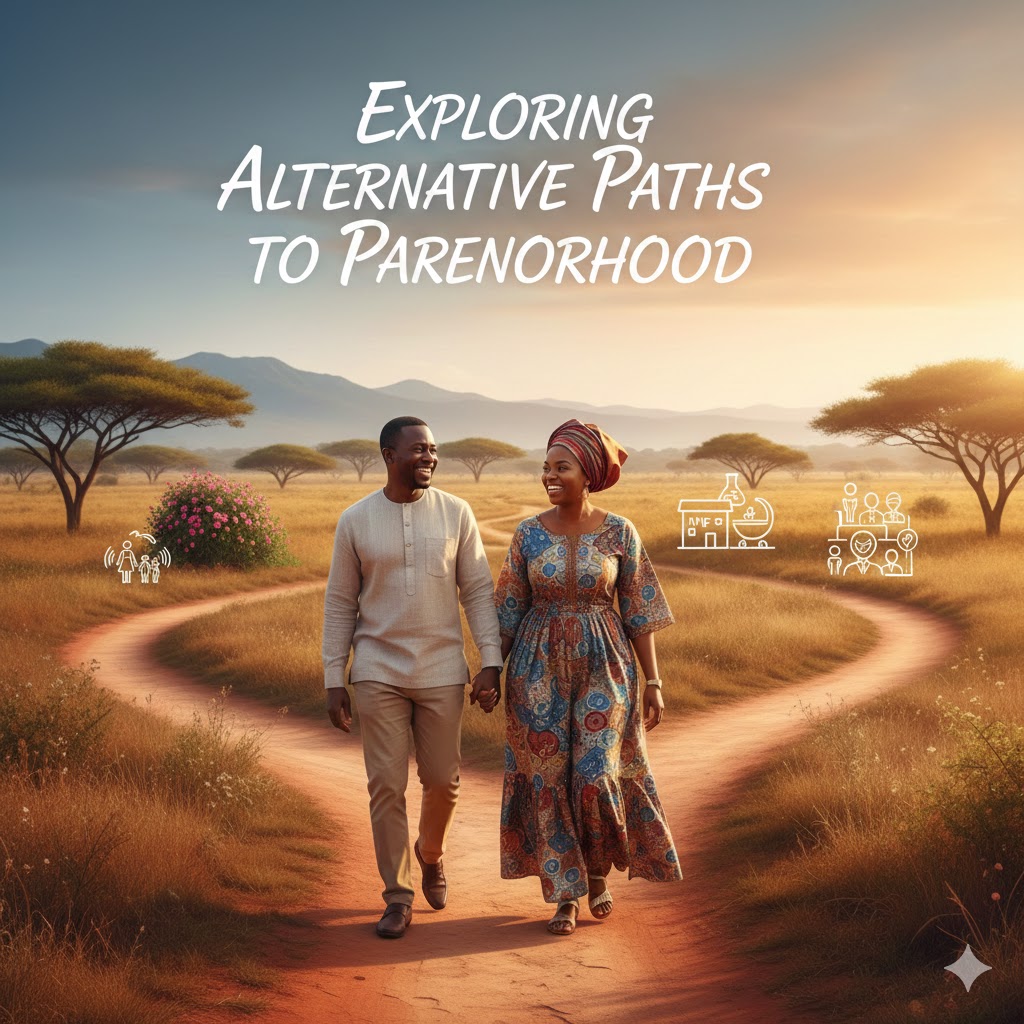
Exploring Alternative Paths to Parenthood: A Guide for Nigerian Couples
For many couples in Nigeria, the journey to parenthood is considered a natural progression of marriage. However, infertility, delayed conception, or personal circumstances can make biological parenthood challenging. While medical interventions such as IVF and IUI offer solutions, some couples may need to consider alternative paths to parenthood, including adoption, surrogacy, or fostering.
Exploring these options is not only a practical consideration but also a deeply emotional and cultural decision. In a society where parenthood carries social and familial significance, understanding, acceptance, and planning are essential. This article delves into alternative routes to parenthood, highlighting the Nigerian context, societal considerations, and practical guidance for couples navigating these options.
Understanding Infertility and Its Prevalence in Nigeria
Infertility is defined as the inability to conceive after 12 months of regular, unprotected sexual intercourse. Globally, 10–15% of couples experience fertility challenges, and Nigeria is no exception. Causes of infertility in Nigeria are diverse and include:
-
Female factors: Conditions like Polycystic Ovary Syndrome (PCOS), endometriosis, blocked fallopian tubes, and hormonal imbalances.
-
Male factors: Low sperm count, poor sperm motility, hormonal issues, and lifestyle factors.
-
Unexplained infertility: Where standard medical evaluations find no clear cause.
While medical treatments can address many of these challenges, some couples may find biological parenthood unattainable, prompting consideration of alternative family-building options.
The Importance of Discussing Alternative Options Early
In Nigeria, cultural expectations often place pressure on couples to conceive naturally. Delays in discussing infertility may cause stress, marital tension, and emotional strain. Open conversations about alternative paths can help couples:
-
Reduce anxiety by acknowledging realistic possibilities.
-
Preserve marital intimacy and teamwork.
-
Make informed, collaborative decisions.
-
Prepare emotionally for potential societal reactions.
By normalizing these conversations, couples can approach parenthood with clarity, hope, and mutual support.
Adoption in Nigeria: Giving and Receiving Love
Adoption is one of the most established alternative paths to parenthood. In Nigeria, it offers couples an opportunity to build a family while providing care for children in need. Key considerations include:
Legal Framework
The adoption process in Nigeria is governed by the Child’s Rights Act and relevant state adoption laws. Legal adoption ensures:
-
Full parental rights for adoptive parents.
-
Proper documentation and compliance with ethical standards.
-
Protection for the adopted child and family.
Couples must engage certified adoption agencies and complete home studies, background checks, and interviews before approval.
Emotional Considerations
Adoption can be deeply rewarding but also emotionally complex:
-
Couples may grieve the loss of a biological child before embracing adoption.
-
Open communication about expectations and parenting philosophies is essential.
-
Seeking counseling helps couples navigate emotional transitions and societal perceptions.
Real-Life Example
A couple in Lagos, after five years of struggling with infertility, chose to adopt a two-year-old girl. Through counseling, legal guidance, and family support, they successfully integrated her into their home, highlighting the profound emotional fulfillment of adoption.
Fostering as a Pathway to Parenthood
Fostering allows couples to provide temporary or long-term care for children without full legal adoption. In Nigeria, fostering is gaining recognition as a valuable family-building approach:
-
Short-Term Support: Caring for children in orphanages or foster homes.
-
Long-Term Placement: Providing stability and emotional support until permanent arrangements are possible.
-
Community Impact: Contributes to social welfare and supports vulnerable children.
Fostering can also be a preparatory step for eventual adoption, allowing couples to experience parenting while evaluating their readiness and capacity.
Surrogacy: Medical and Emotional Considerations
Surrogacy involves another woman carrying a pregnancy for the intended parents. This option may be suitable for couples facing female-factor infertility, medical contraindications, or other challenges.
Types of Surrogacy
-
Traditional Surrogacy: The surrogate is the biological mother using her egg.
-
Gestational Surrogacy: The surrogate carries an embryo created from the intended parents’ egg and sperm, eliminating genetic connection to the surrogate.
Legal Context in Nigeria
Surrogacy in Nigeria is legally complex and not yet fully regulated in all states. Couples should:
-
Seek legal guidance to establish parental rights.
-
Ensure contracts with surrogates are ethical and enforceable.
-
Engage reputable fertility clinics and legal experts.
Emotional and Relational Impact
-
Couples must navigate emotional complexities, including attachment, surrogate relationships, and societal perceptions.
-
Counseling is essential for both the intended parents and surrogate to ensure emotional well-being.
Assisted Reproductive Technologies (ART) as an Alternative
ART options, such as IVF and IUI, are sometimes considered alternative paths when natural conception is difficult:
-
In Vitro Fertilization (IVF): Eggs are fertilized outside the body and implanted in the uterus.
-
Intrauterine Insemination (IUI): Sperm is inserted directly into the uterus during ovulation.
-
Egg and Sperm Donation: Enables conception when gametes are compromised.
While these methods involve medical intervention, they offer couples a chance to have a child genetically related to one or both partners, bridging biological and alternative parenthood pathways.
Balancing Cultural Expectations and Alternative Parenthood
In Nigeria, cultural beliefs place high value on biological parenthood. Couples exploring alternative paths may face societal scrutiny or family pressure. Strategies to navigate these challenges include:
-
Open Communication: Discuss intentions and expectations with family members when appropriate.
-
Educational Advocacy: Share information about legal, medical, and ethical aspects of alternative parenthood.
-
Private Decisions: Maintain discretion until couples are comfortable sharing their family plans.
-
Community Support: Connect with networks of couples who have pursued adoption, fostering, or surrogacy.
Balancing societal expectations with personal fulfillment helps couples reduce stress and protect marital intimacy.
Emotional and Relational Considerations
Alternative paths to parenthood involve emotional and relational adjustments:
-
Processing Grief: Couples may need to grieve the loss of biological parenthood before embracing other options.
-
Strengthening Partnership: Open dialogue and joint decision-making preserve marital trust.
-
Managing Anxiety: Fear of societal judgment or uncertainty about outcomes may arise.
-
Preserving Intimacy: Focus on emotional and physical closeness beyond the fertility journey.
Professional counseling, peer support groups, and spiritual guidance are invaluable resources in managing these transitions.
Financial Planning for Alternative Parenthood
Alternative paths often involve financial commitments. Couples should plan and budget accordingly:
-
Adoption: Legal fees, agency costs, and travel expenses.
-
Surrogacy: Medical procedures, surrogate compensation, and legal fees.
-
ART Treatments: IVF, IUI, and associated medications can be expensive in Nigeria.
-
Fostering: May require home modifications or additional childcare resources.
Transparent financial planning reduces stress and allows couples to make informed decisions aligned with their resources.
Real-Life Nigerian Experiences
-
Lagos Adoption Journey: After multiple unsuccessful IVF cycles, a couple adopted a toddler. Open communication, counseling, and legal support helped them navigate societal questions while embracing the joy of parenthood.
-
Abuja Surrogacy Success: A couple pursuing gestational surrogacy overcame initial family skepticism through education and counseling, resulting in the birth of a healthy baby.
-
Port Harcourt Fostering Example: A couple fostered two siblings, developing parenting experience and emotional fulfillment while preparing for potential long-term adoption.
These stories illustrate that alternative paths can be deeply rewarding, despite cultural and emotional challenges.
Practical Steps for Nigerian Couples Considering Alternative Parenthood
-
Evaluate Options: Research adoption, fostering, surrogacy, and ART to determine suitability.
-
Seek Professional Guidance: Engage fertility specialists, lawyers, and counselors.
-
Communicate Openly: Discuss desires, fears, and expectations with your partner.
-
Consider Emotional Readiness: Prepare for grief, societal reactions, and parenting adjustments.
-
Plan Financially: Budget realistically for legal, medical, and care-related expenses.
-
Protect Intimacy: Maintain emotional and physical closeness throughout the process.
-
Set Boundaries: Manage family and community pressure while protecting your decision-making.
-
Celebrate Milestones: Recognize progress, attachment, and parental growth, regardless of the path chosen.
Conclusion
Parenthood is a journey that can take many forms. While biological conception is often the first choice, alternative paths—including adoption, fostering, surrogacy, and assisted reproductive technologies—offer meaningful opportunities to experience the joy and responsibility of raising children.
In Nigeria, navigating these options requires balancing cultural expectations, societal pressures, emotional challenges, and financial considerations. Couples who communicate openly, seek professional guidance, and integrate emotional, spiritual, and relational support can successfully embrace alternative paths to parenthood.
Ultimately, what defines a family is not solely biology but love, care, and commitment. Nigerian couples who approach alternative parenthood with intention, patience, and partnership can create fulfilling, joyful families that transcend societal norms and celebrate the essence of parenthood.







.jpg)
Sign in to comment