 Nurturing Marriages, Enriching Families!
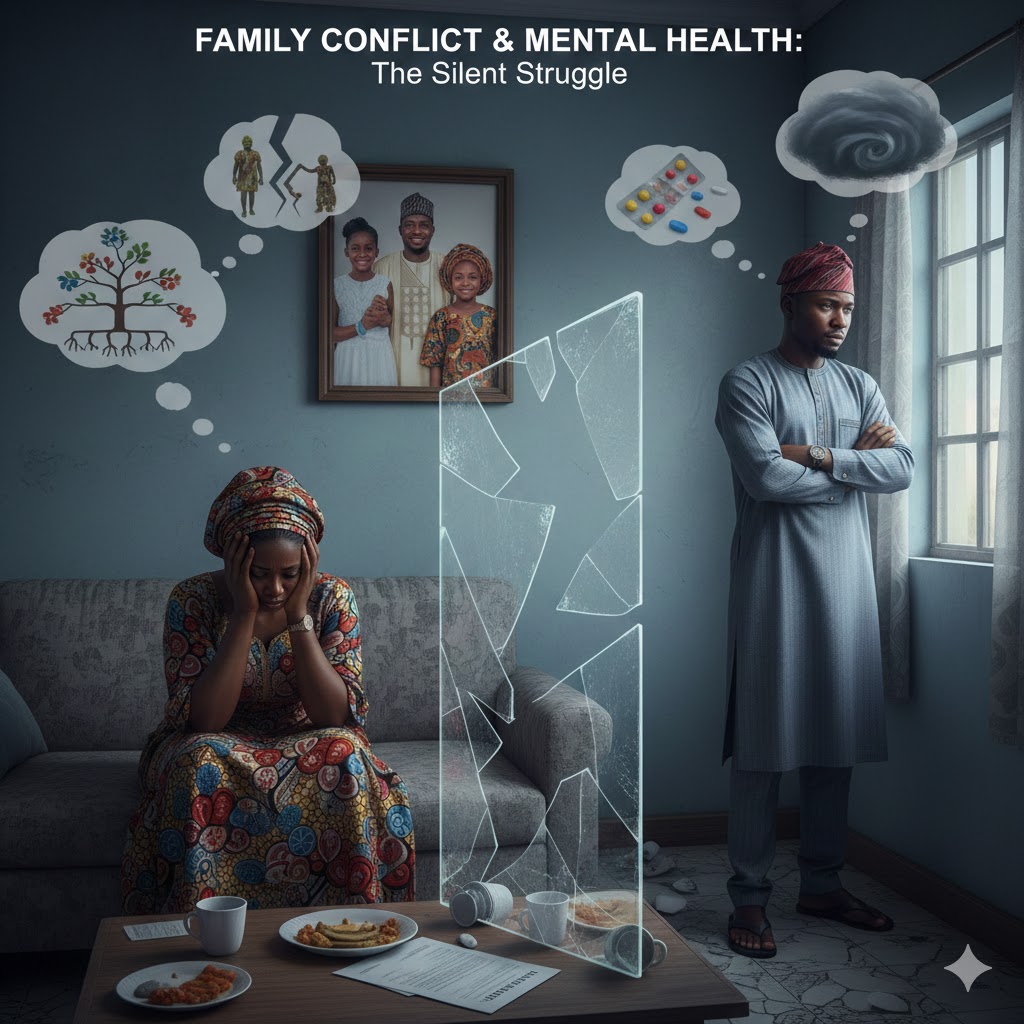
Family Conflict and Mental Health: Understanding the Nigerian Perspective
Family is central to Nigerian society. It is the bedrock of social, emotional, and cultural identity. However, while families provide support and belonging, they can also be a source of stress, tension, and conflict. Prolonged or unresolved family conflicts can have significant effects on mental health, impacting emotional well-being, relationships, and daily functioning.
In Nigeria, where extended families are common and cultural expectations around respect, hierarchy, and duty are high, conflicts often carry unique challenges. Understanding the relationship between family conflict and mental health, recognizing warning signs, and applying coping strategies are crucial to ensuring both individual and family wellness.
This article explores the causes, effects, and strategies for managing family conflict, enriched with real-life Nigerian examples.
Understanding Family Conflict
Family conflict arises when individuals within the household experience disagreements, miscommunication, or opposing interests. It is natural and occurs in all families, but frequent, unresolved, or intense conflicts can negatively affect mental health.
Common Sources of Family Conflict in Nigeria
-
Financial Disputes: Disagreements over household budgets, support for extended family members, or inheritance issues.
-
Marital Conflicts: Tension between spouses over career choices, parenting styles, or extended family influence.
-
Generational Differences: Conflicting values between parents and children regarding education, lifestyle, or cultural beliefs.
-
Sibling Rivalry: Competition for parental attention, inheritance, or academic and social recognition.
-
Cultural Expectations: Pressure to conform to social norms, marry within certain traditions, or uphold family honor.
-
Polygamous Household Dynamics: Rivalries between co-wives or children from different mothers, often exacerbated by inheritance and resource distribution issues.
Real-Life Nigerian Scenario: Financial Tension in Lagos
A Lagos family frequently argued over who should contribute to a relative’s medical expenses. Tension escalated into verbal confrontations and resentment. The eldest daughter began experiencing sleep disturbances and anxiety, fearing family gatherings. This scenario illustrates how family conflict can directly impact mental health and emotional well-being.
The Link Between Family Conflict and Mental Health
Family conflict can lead to a range of mental health challenges, including:
-
Anxiety Disorders: Constant tension can lead to feelings of fear, worry, and nervousness.
-
Depression: Persistent conflicts can result in sadness, hopelessness, and loss of interest in activities.
-
Stress and Burnout: Emotional strain from unresolved disputes can affect daily functioning and physical health.
-
Behavioral Issues: Children and adolescents may exhibit aggression, withdrawal, or attention problems.
-
Relationship Strain: Conflict can deteriorate trust, communication, and emotional intimacy within families.
Real-Life Scenario: In Enugu, a couple’s constant arguing over childcare led their children to develop emotional withdrawal. Therapy revealed the children were experiencing secondary trauma from the adult conflicts.
Signs That Family Conflict is Affecting Mental Health
Recognizing the signs early is essential:
-
Persistent irritability or anger
-
Sleep disturbances
-
Loss of appetite or overeating
-
Difficulty concentrating at work or school
-
Emotional withdrawal or isolation
-
Physical symptoms such as headaches or stomachaches
-
Escalating arguments without resolution
Strategies to Manage Family Conflict
Managing family conflict requires proactive, culturally sensitive approaches tailored to the Nigerian context.
1. Effective Communication
Open and respectful communication reduces misunderstandings:
-
Active Listening: Fully attend to the speaker without interrupting.
-
I-Statements: Express feelings without blaming (“I feel hurt when…”).
-
Calm Tone: Avoid shouting or aggressive gestures.
Real-Life Scenario: A Port Harcourt family held weekly meetings to discuss household issues. Using calm communication and listening skills reduced arguments and improved emotional well-being.
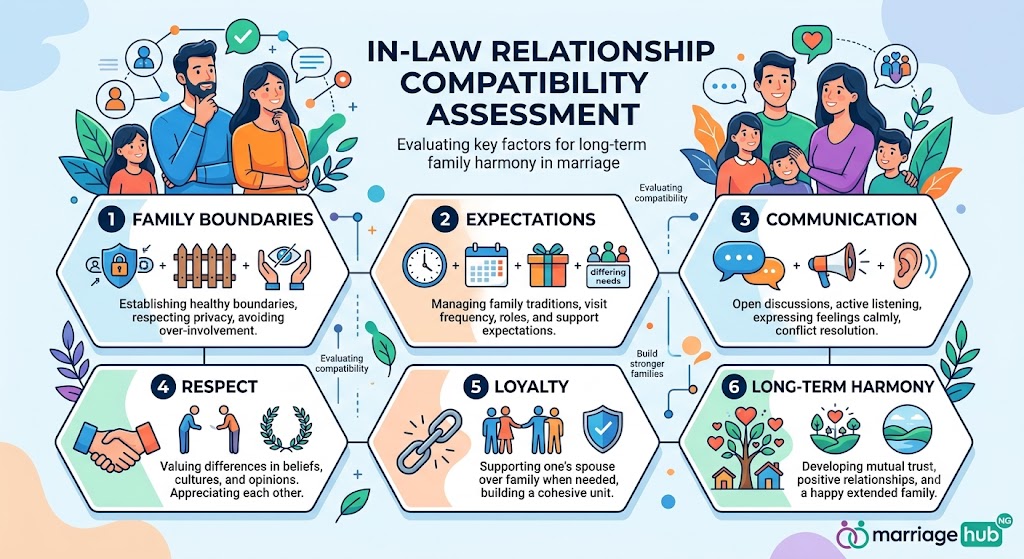
2. Establishing Boundaries
Boundaries are crucial for maintaining mental health:
-
Set limits on financial contributions
-
Allocate private spaces for personal time
-
Avoid unsolicited advice or interference from extended family
-
Protect children from adult arguments
Real-Life Scenario: In Kano, parents agreed not to discuss marital disagreements in the presence of children. This protected the children’s emotional health while allowing adults to resolve issues privately.
3. Mediation
Neutral mediation can help when conflicts escalate:
-
Family Elders: Trusted in Nigerian households for cultural guidance
-
Faith Leaders: Pastors or imams provide spiritual and moral counsel
-
Professional Mediators: Counselors or psychologists assist with complex disputes
Mediation helps identify the root causes of conflict, clarify misunderstandings, and guide parties toward mutually acceptable solutions.
4. Emotional Regulation
Managing one’s emotions is vital for both personal mental health and family harmony:
-
Practice deep breathing and mindfulness
-
Take breaks during heated discussions
-
Seek therapy or counseling for chronic stress
Real-Life Scenario: In Abuja, a father used mindfulness techniques to remain calm during arguments over inheritance. This prevented verbal outbursts and reduced tension in the household.
5. Family Therapy
Family therapy addresses systemic issues affecting relationships and mental health:
-
Improves communication and conflict resolution skills
-
Addresses generational and cultural challenges
-
Supports children in processing family tensions
Real-Life Scenario: In Lagos, a family undergoing therapy improved cohesion after persistent disagreements over polygamous household responsibilities. Children reported feeling more secure and less anxious.
6. Conflict Resolution Skills
Teaching practical conflict resolution helps families manage disagreements constructively:
-
Problem-Solving: Identify the problem, explore solutions, and implement agreements
-
Negotiation: Find compromises that satisfy all parties
-
Collaboration: Work together toward shared goals instead of competing
Real-Life Scenario: Siblings in Ibadan resolved disputes over land through collaborative problem-solving, avoiding legal battles and restoring family harmony.
7. Support Systems
Maintaining mental health requires support outside the family:
-
Counseling: Individual or family sessions with trained professionals
-
Peer Support: Trusted friends or community groups for advice and emotional relief
-
Faith Communities: Spiritual support can provide guidance and comfort
8. Mindful Parenting
Parents play a critical role in protecting children from the negative mental health impacts of family conflict:
-
Avoid arguing in front of children
-
Use age-appropriate explanations for disputes
-
Model healthy communication and emotional regulation
-
Encourage children to express feelings safely
Real-Life Scenario: In Enugu, parents shielded children from inheritance disputes and encouraged them to participate in joint problem-solving for age-appropriate household responsibilities.
9. Cultural Sensitivity
In Nigeria, family conflict often intersects with cultural norms:
-
Elders’ authority may influence decisions
-
Gender expectations can exacerbate tension
-
Polygamous household structures require careful navigation
Acknowledging cultural dynamics while prioritizing mental health ensures solutions are practical and respectful.
10. Early Intervention
Addressing conflicts early prevents long-term mental health consequences:
-
Recognize signs of tension before escalation
-
Encourage open dialogue promptly
-
Seek mediation or therapy when needed
-
Prevent patterns of unresolved anger or resentment
The Role of Mental Health Awareness in Nigeria
Mental health awareness remains limited in many Nigerian communities. Stigma and lack of resources can prevent families from addressing emotional distress caused by conflict. Educating families about the connection between conflict and mental health is critical:
-
Encourage conversations about emotional well-being
-
Normalize seeking therapy or counseling
-
Provide resources for stress management and conflict resolution
Real-Life Nigerian Scenario: Mental Health and Family Conflict
A Lagos mother reported feeling constant anxiety due to her husband’s disagreements with his siblings. She noticed her children also became withdrawn and anxious. With the help of a counselor, the family implemented weekly check-ins, mediation with elders, and individual coping strategies. Over time, stress levels decreased, communication improved, and children regained emotional stability.
Preventing Long-Term Consequences
Prolonged family conflict without intervention can lead to:
-
Chronic stress or burnout
-
Interpersonal mistrust and strained relationships
-
Escalation into domestic violence
-
Negative impacts on children’s social and academic development
-
Psychological conditions like depression, anxiety, or PTSD
Preventive measures include consistent communication, conflict resolution training, and cultural awareness, combined with professional support when needed.
Conclusion
Family conflict is an inevitable part of Nigerian life, especially in extended households where culture, tradition, and financial responsibilities intersect. However, prolonged or unresolved conflict can have serious consequences for mental health, affecting adults and children alike.
By recognizing the causes and signs of family conflict, employing conflict resolution strategies, setting boundaries, using mediation when necessary, and seeking professional support, Nigerian families can protect mental health while maintaining harmony. Addressing family conflict is not just about resolving disputes—it is about fostering resilience, emotional well-being, and stronger family bonds that endure across generations.







.jpg)


Sign in to comment