 Nurturing Marriages, Enriching Families!
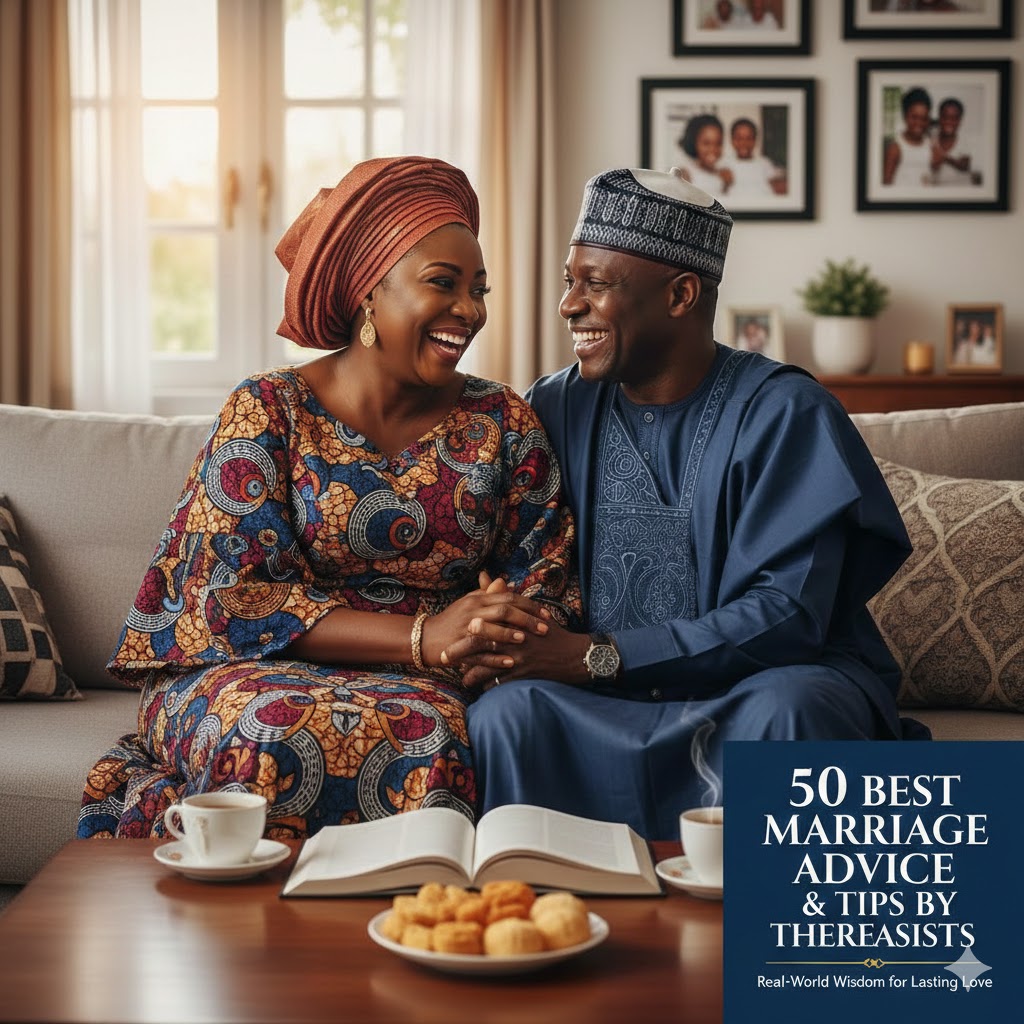
Fifty (50) Best Marriage Advice & Tips by Marriage Therapists
Marriage therapists around the world agree on one thing: successful marriages are not built on luck, emotions, or romance alone. They are built on intentional effort, emotional intelligence, communication, respect, and commitment. Every marriage will face challenges, but couples who thrive are those who learn healthy skills and apply them consistently.
Many people enter marriage with love but without preparation. Over time, unmet expectations, poor communication, financial stress, family interference, and emotional distance begin to surface. This is where proven marriage principles—backed by years of therapy and research—become invaluable.
Below are 50 of the best marriage advice and tips commonly shared by marriage therapists. These principles are practical, realistic, and effective for couples at any stage of marriage.
Healthy marriages begin with open and honest communication. Couples must learn to express their feelings, concerns, and expectations without fear. Avoiding difficult conversations only allows problems to grow silently. Therapists emphasize that how you communicate is just as important as what you communicate.
Listening is another cornerstone of marital success. Many conflicts arise not because couples disagree, but because one partner feels unheard. Listening with empathy, without interrupting or planning a response, helps your spouse feel valued and respected.
Marriage should never lose friendship. Couples who remain friends tend to weather storms better. Laughter, shared interests, and companionship keep emotional connection alive even when romance fluctuates.
Conflict is inevitable, but destructive conflict is not. Therapists stress the importance of addressing issues early, respectfully, and without insults or blame. Fighting dirty—using insults, threats, or past mistakes—damages trust and emotional safety.
Respect is non-negotiable. Even in moments of anger, respect must remain intact. Disrespect erodes intimacy faster than disagreement. Successful couples learn to disagree without dishonoring each other.
Apologies are powerful when they are sincere. Refusing to apologize out of pride creates emotional distance. A genuine apology restores connection and communicates humility and accountability.
Therapists also warn against involving too many outsiders in marital conflicts. While wise counsel can help, constant exposure of private issues to friends or family often worsens problems and fuels bias.
Quality time is essential. Many marriages drift apart not because of major issues, but because couples stop spending intentional time together. Regular check-ins, conversations, and shared activities strengthen emotional bonds.
Physical intimacy should be nurtured, not neglected. Intimacy is not only about sex but also affection, closeness, and reassurance. Healthy intimacy reinforces emotional connection.
Comparison is another silent marriage killer. Comparing your spouse or marriage to others—especially on social media—creates unrealistic expectations and dissatisfaction. Every marriage has its own journey.
Appreciation should be constant. Many spouses feel invisible because their efforts are unnoticed. Saying “thank you” and acknowledging sacrifices builds goodwill and emotional security.
Financial transparency is critical. Money is one of the leading causes of marital conflict. Therapists advise couples to discuss finances openly, plan together, and make joint decisions.
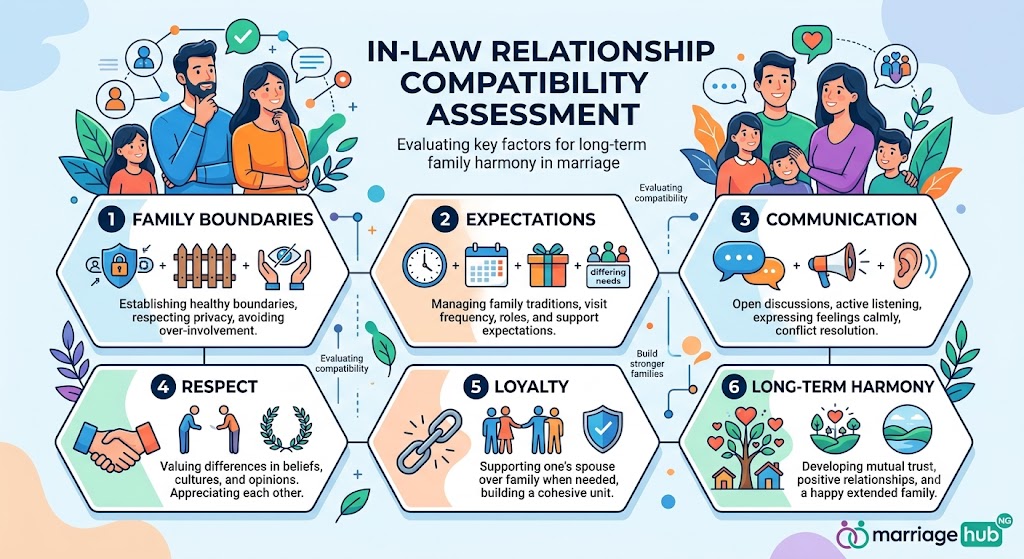
Boundaries with family and friends protect the marriage. Without clear boundaries, external interference can weaken unity. Marriage thrives when spouses prioritize each other.
Healthy conflict resolution includes avoiding name-calling, stonewalling, or silent treatment. These behaviors damage trust. Couples should focus on solutions, not winning arguments.
Supporting each other’s dreams strengthens partnership. When spouses feel supported rather than competed against, emotional closeness grows.
Growth should be mutual. Couples who grow emotionally, mentally, and spiritually together tend to stay connected. Stagnation often leads to dissatisfaction.
Kind words matter. Tone and language can either heal or harm. Speaking kindly—even in tense moments—maintains emotional safety.
Silence used as punishment is destructive. Withdrawing affection or communication creates emotional distance. Therapists encourage calm dialogue instead.
Trust is built through consistency. Keeping promises, being reliable, and showing up emotionally builds long-term trust.
Every marriage needs a safe emotional space. Spouses should feel free to be vulnerable without fear of ridicule or judgment.
Laughter plays a powerful role. Joy, humor, and lightheartedness relieve tension and deepen friendship.
Acceptance is essential. No spouse is perfect. Letting go of unrealistic expectations prevents chronic disappointment.
Joint decision-making fosters unity. Making major decisions alone creates imbalance and resentment.
Privacy protects intimacy. Sharing every marital detail with others weakens trust between spouses.
Patience is vital during difficult seasons. Marriages go through phases, and endurance is often required.
Unity should always come before ego. Being right is less important than being connected.
Emotional check-ins help prevent disconnection. Asking how your spouse is really doing strengthens awareness and care.
Affection should be consistent, not seasonal. Small gestures matter more than grand ones.
Assumptions cause misunderstandings. Asking questions promotes clarity and reduces conflict.
Technology should not replace connection. Excessive screen time often steals attention meant for your spouse.
Encouragement builds confidence. Criticism without balance creates emotional wounds.
Flexibility allows growth. People change, and marriage must adapt with grace.
Financial stress should be handled as a team, not a blame game.
Clear boundaries with the opposite sex protect trust and prevent emotional affairs.
Celebrating small wins strengthens partnership.
Seeking professional help early is a sign of wisdom, not failure.
Forgiveness must be genuine. Holding grudges poisons intimacy.
Threatening divorce during arguments damages emotional security.
Marriage requires daily effort, not occasional gestures.
Speaking positively about your spouse in public reinforces respect.
A safe home environment nurtures emotional health.
Differences in upbringing and personality should be understood, not weaponized.
Emotional intimacy must be nurtured intentionally.
Remembering why you chose each other rekindles connection.
Hope sustains marriage during hard times.
Marriage thrives when treated as a lifelong partnership, not a temporary arrangement.
Marriage is not about perfection, but about two imperfect people choosing each other every day. With intentional effort, honest communication, and genuine love, any marriage can grow stronger. When couples apply these proven principles consistently, marriage becomes not just something to endure, but something to enjoy.







.jpg)



Sign in to comment