 Nurturing Marriages, Enriching Families!

Financial Planning Before Filing for Divorce: Protecting Your Future and Assets
Divorce is not just an emotional and relational process—it is also a financial one. For many individuals in Nigeria, the financial implications of divorce can be significant, particularly when long-term assets, property, or children are involved. Planning ahead ensures that you understand your financial position, protect your rights, and reduce surprises during the divorce process.
This guide provides practical steps, strategies, and real-life examples to help you prepare financially before filing for divorce, ensuring that you enter the process informed, confident, and ready to safeguard your future.
Why Financial Planning is Essential Before Divorce
Divorce often involves division of property, alimony, child support, debts, and ongoing financial obligations. Without proper planning, individuals risk:
-
Losing control over assets or funds
-
Facing disputes over property division or child support
-
Experiencing unnecessary financial stress during and after the divorce
-
Being unprepared for post-divorce lifestyle adjustments
By planning financially in advance, you can ensure that your decisions are informed, strategic, and protect both short-term and long-term interests.
Step 1: Assess Your Current Financial Situation
Start by taking stock of your finances. Key steps include:
-
List All Assets: Real estate, vehicles, bank accounts, investments, retirement funds, and valuable personal property.
-
List All Liabilities: Loans, mortgages, credit card debt, and other financial obligations.
-
Identify Income Sources: Salaries, business income, pensions, or passive income streams.
-
Document Expenses: Household costs, children’s needs, personal expenditures, and lifestyle costs.
Having a comprehensive picture of your financial standing helps in understanding what may be at stake and informs your strategy for equitable division.
Step 2: Secure Important Financial Documents
Before filing for divorce, gather all relevant documentation to support your financial claims:
-
Bank statements and account records
-
Property titles, mortgage documents, and deeds
-
Investment statements and retirement accounts
-
Tax returns from the last several years
-
Loan agreements and liabilities documentation
-
Insurance policies and beneficiaries
Keeping copies in a secure location ensures that you have evidence if disputes arise and protects your access to vital information.
Step 3: Separate Personal Finances Where Possible
Depending on your circumstances, consider:
-
Opening Individual Accounts: To protect your income and ensure financial independence.
-
Limiting Joint Purchases: Avoid incurring new joint debts that could complicate asset division.
-
Tracking Expenses: Maintain clear records of personal contributions to household or family expenses.
Taking these steps can simplify asset division and reduce disputes over contributions during the marriage.
Step 4: Understand Legal Rights and Obligations
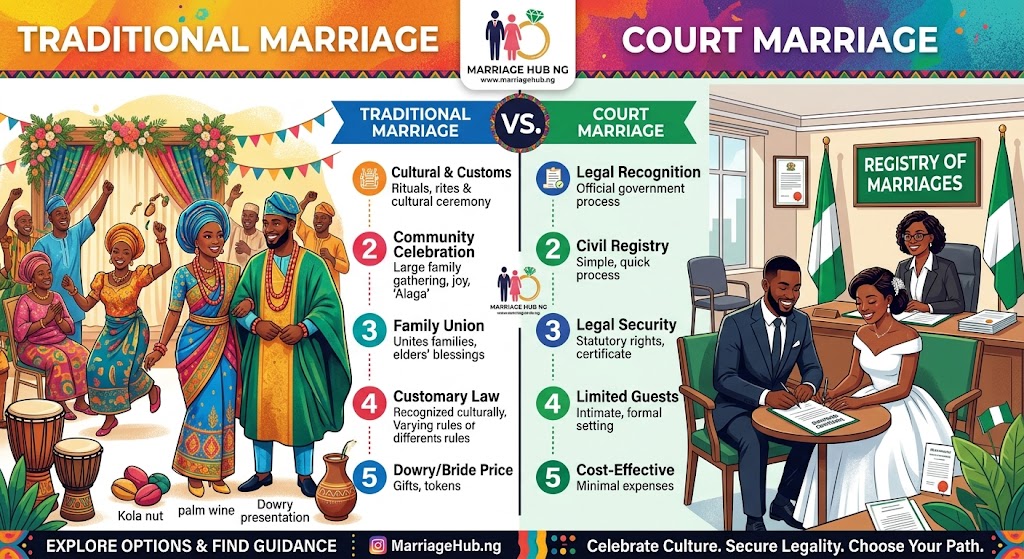
In Nigeria, property division depends on the type of marriage (customary, statutory, or Islamic) and legal frameworks:
-
Statutory Marriage: Governed by the Matrimonial Causes Act, which allows courts to order equitable distribution of assets and determine financial support.
-
Customary Marriage: Property division may follow traditional or family customs, which can differ significantly.
-
Islamic Marriage: Sharia law governs property division and maintenance obligations.
Consulting a qualified divorce lawyer early ensures that you understand your rights, entitlements, and the legal framework that will apply.
Step 5: Consider Financial Support and Child-Related Expenses
If children are involved, financial planning must account for their welfare:
-
Child Support: Estimate the ongoing financial needs of children, including education, healthcare, and daily living expenses.
-
Spousal Support (Alimony): Determine whether you may be eligible for or obligated to pay alimony based on income, contributions, and marital duration.
-
Lifestyle Adjustments: Plan for changes in housing, transportation, and general cost of living post-divorce.
Ensuring adequate financial planning for both yourself and your children helps create stability during and after divorce.
Step 6: Develop a Financial Strategy
Once you have a clear picture of your assets, liabilities, and obligations, create a strategy:
-
Prioritize Essential Assets: Identify property, savings, or accounts that are critical to your financial security.
-
Plan for Negotiation or Mediation: Decide which assets you are willing to compromise on and which require protection.
-
Set Realistic Goals: Understand what a fair settlement might look like, considering both legal guidance and your financial needs.
-
Protect Credit: Avoid actions that could damage your credit or create joint liability issues.
Having a proactive strategy ensures that you approach the divorce with confidence and clarity.
Step 7: Seek Professional Guidance
Financial planning before divorce is complex. Consider consulting:
-
Divorce Lawyers: Provide legal advice on property division, alimony, and legal obligations.
-
Financial Advisors: Assist in asset valuation, budgeting, and post-divorce planning.
-
Accountants or Tax Experts: Ensure tax implications of property division, settlements, or asset transfers are understood.
Professional guidance helps minimize mistakes, prevent losses, and ensures that your planning is legally sound.
Real-Life Scenario: Planning Before Divorce
Sade and Kunle had been married for 18 years. Before filing for divorce, Sade took the following steps:
-
Compiled a detailed list of assets and liabilities, including joint properties, savings, and investments.
-
Opened an individual bank account to manage her personal income independently.
-
Consulted a divorce lawyer to understand her rights and the likely division of property under Nigerian law.
-
Developed a plan for child support and education funding for their two teenage children.
As a result, Sade entered the divorce process informed, able to negotiate effectively, and ensured a fair outcome without unnecessary delays or conflict.
Conclusion: Financial Preparation Leads to a Smoother Divorce
Financial planning before filing for divorce is a crucial step in protecting your assets, securing your children’s future, and reducing stress during an already challenging period. By assessing your finances, securing documentation, separating personal finances, understanding legal rights, and seeking professional guidance, you enter the process informed and empowered.
Proactive planning ensures that financial negotiations are fair, disputes are minimized, and both short-term and long-term needs are considered—setting the stage for a more stable post-divorce life.








.jpg)



Sign in to comment