 Nurturing Marriages, Enriching Families!
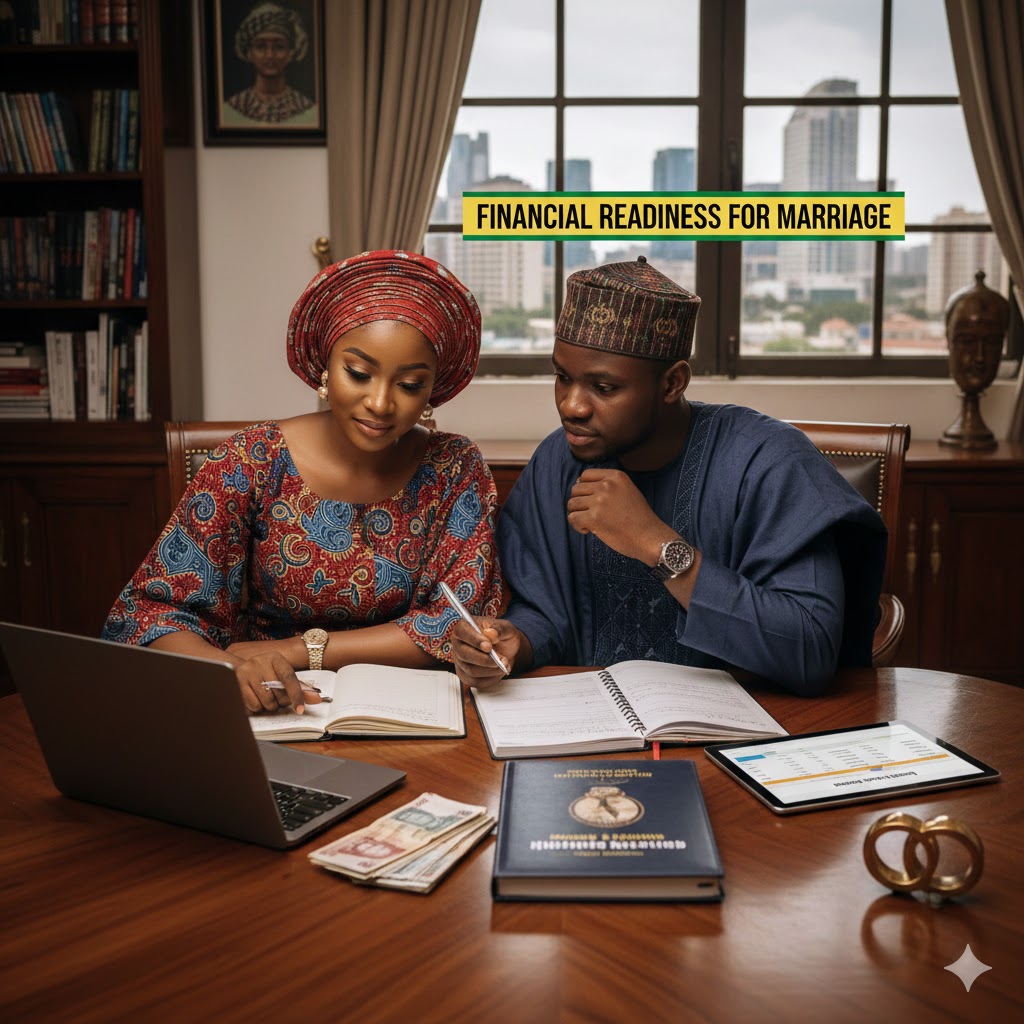
Financial Readiness for Marriage in Nigeria
Marriage in Nigeria goes far beyond romance and emotional connection. It is a serious lifelong commitment that involves families, responsibilities, cultural expectations, and economic realities. While love and compatibility are essential, financial readiness remains one of the strongest pillars of a stable and successful marriage.
Many marriages struggle today not because affection has faded, but because couples were not adequately prepared for the financial demands of married life.
Financial readiness does not mean that a couple must be wealthy before getting married. In the Nigerian context, where economic challenges such as inflation, unemployment, and rising living costs are common, financial readiness is more about mindset, planning, honesty, and discipline. It is about understanding money, managing resources wisely, and working together as a team.
At its core, financial readiness means having a reliable way of earning income and the ability to meet basic needs responsibly. This income may come from salaried employment, self-employment, business, freelancing, or a combination of multiple sources, which is increasingly common in Nigeria. What matters most is not how much is earned, but how consistent and sustainable that income is, and whether both partners understand its limitations.
Marriage requires adaptability, especially in an economy where income can change unexpectedly. Couples who are financially ready are those who are willing to learn, grow, and adjust when circumstances change.
One of the most important aspects of financial readiness before marriage is honesty. Many intending couples avoid open conversations about money out of fear, pride, or the desire to impress. However, hiding financial realities such as debts, poor spending habits, family obligations, or lack of savings often leads to serious problems after marriage.
In Nigeria, it is common for individuals to support parents, siblings, or extended family members. While this is culturally acceptable and often expected, it must be discussed openly so both partners understand the responsibilities involved. Financial transparency builds trust, while financial secrecy breeds resentment and conflict.
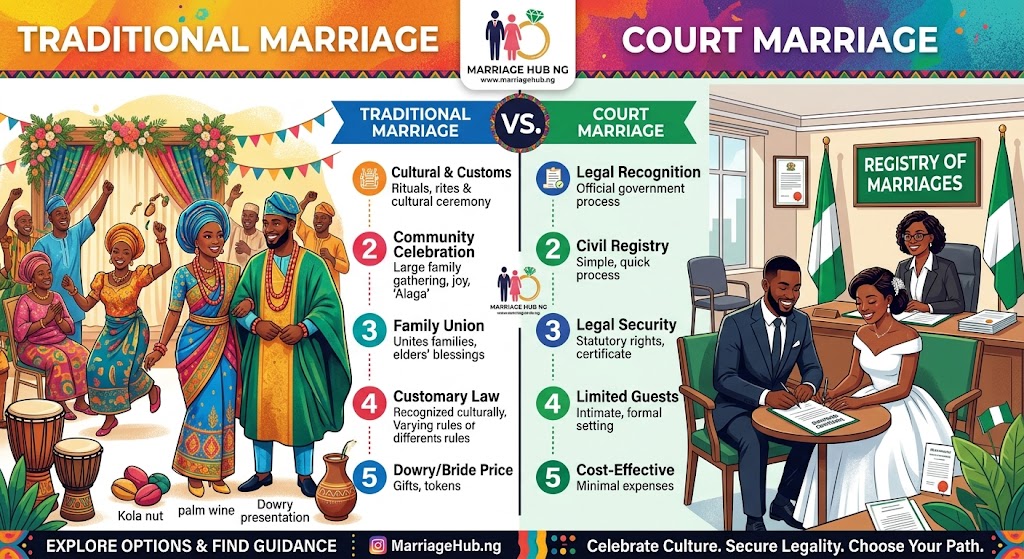
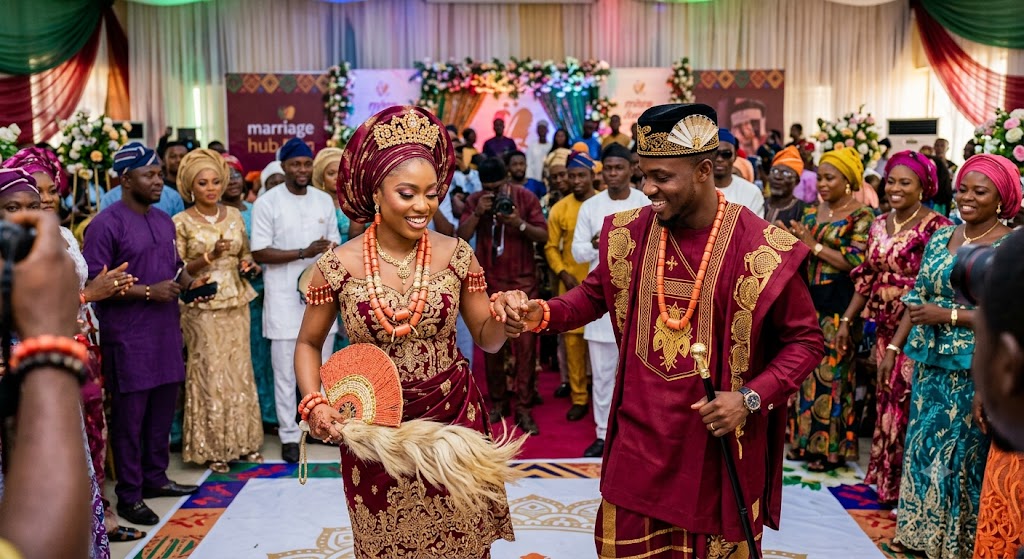
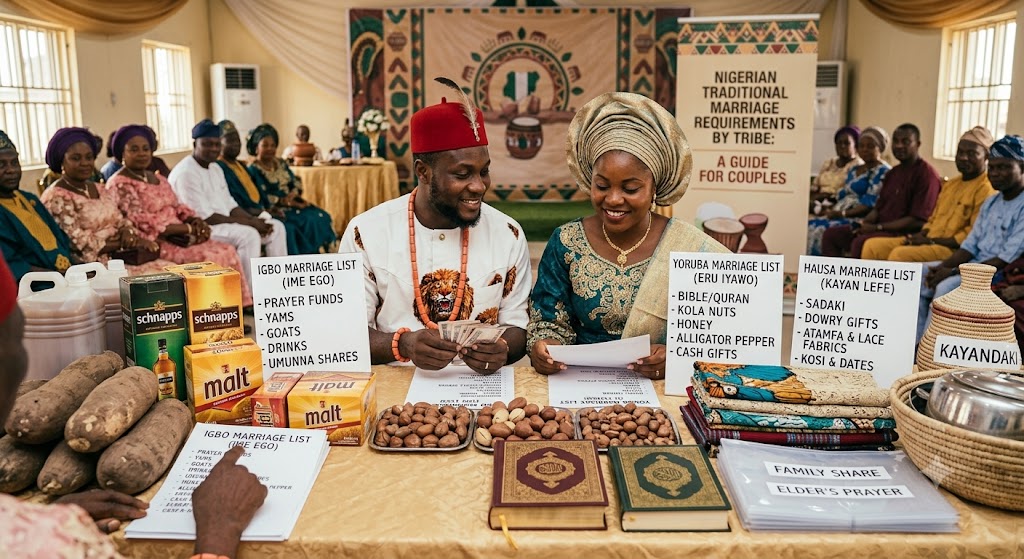
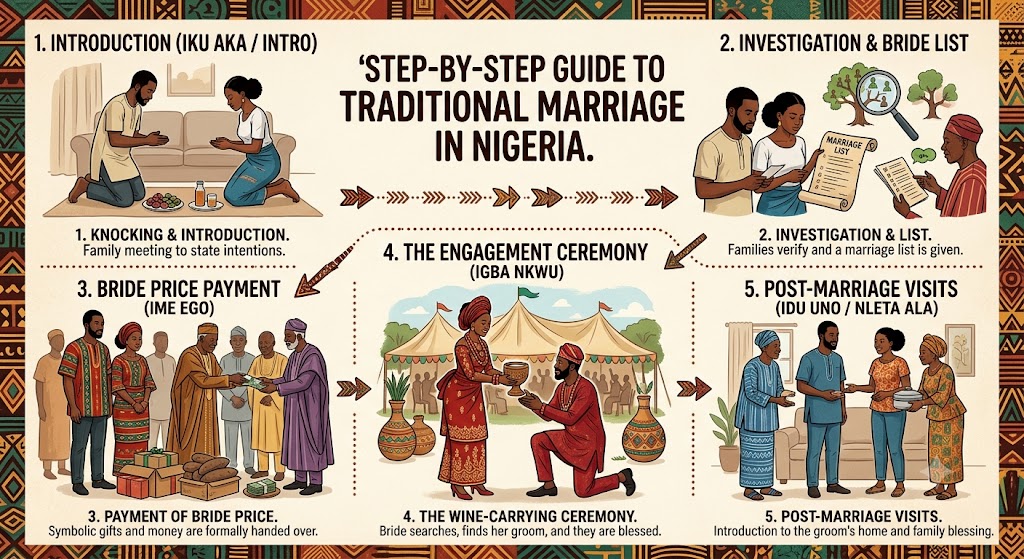
Cultural expectations also play a major role in the financial preparation for marriage in Nigeria. Traditional marriage rites, bride price, engagement ceremonies, weddings, and receptions can place heavy financial pressure on couples.
Many people feel compelled to spend beyond their means to satisfy family expectations or societal standards. Financial readiness requires wisdom and courage to prioritize the marriage over the ceremony. A lavish wedding funded by debt can place a new marriage under unnecessary strain from the very beginning. Couples who are financially prepared understand that marriage is a lifetime commitment, while a wedding is only a single day.
Another critical element of financial readiness is learning how to manage money together. Before marriage, couples should already be having conversations about income, expenses, and financial priorities. When couples understand how money will be managed, it reduces misunderstanding and unnecessary arguments.
Money disagreements often arise not because there is no money, but because there is no agreement. Financial readiness includes the ability to plan together, make joint decisions, and respect each other’s perspectives on spending and saving.
Saving is another key indicator of financial preparedness. In Nigeria, emergencies such as medical expenses, job loss, business downturns, or family crises can occur without warning. Couples who are financially ready understand the importance of saving consistently, even if the amount is small. Savings provide security, confidence, and peace of mind. Without savings, couples may be forced to rely on borrowing or external help, which can increase stress and strain relationships.
Debt management is closely tied to financial readiness. Debt itself is not always bad, but poor debt management can damage a marriage. Couples should have clear discussions about existing loans, repayment obligations, and attitudes toward borrowing. Many financial problems in marriage arise when one partner is disciplined while the other is impulsive.
Financial readiness requires self-control, contentment, and a shared understanding that not every desire must be satisfied immediately. Couples who learn to live within their means are better positioned to enjoy peace in their marriage.
In the Nigerian setting, expectations around financial roles can also affect marital stability. Traditionally, the man is often seen as the primary provider, while the woman manages the home. However, modern realities show that many women work, earn income, and contribute significantly to household finances.
Financial readiness involves aligning expectations and agreeing on how financial responsibilities will be shared. When money becomes a tool for control or pride, it damages unity. Healthy marriages treat money as a shared resource, not a source of power.
Long-term planning is another essential aspect of financial readiness. Marriage is not just about meeting present needs but also about preparing for the future. Couples should have conversations about housing, children, education, career growth, business ambitions, and retirement. While plans may change, having a shared vision gives direction and purpose. Couples who plan together are more likely to grow together and overcome challenges.
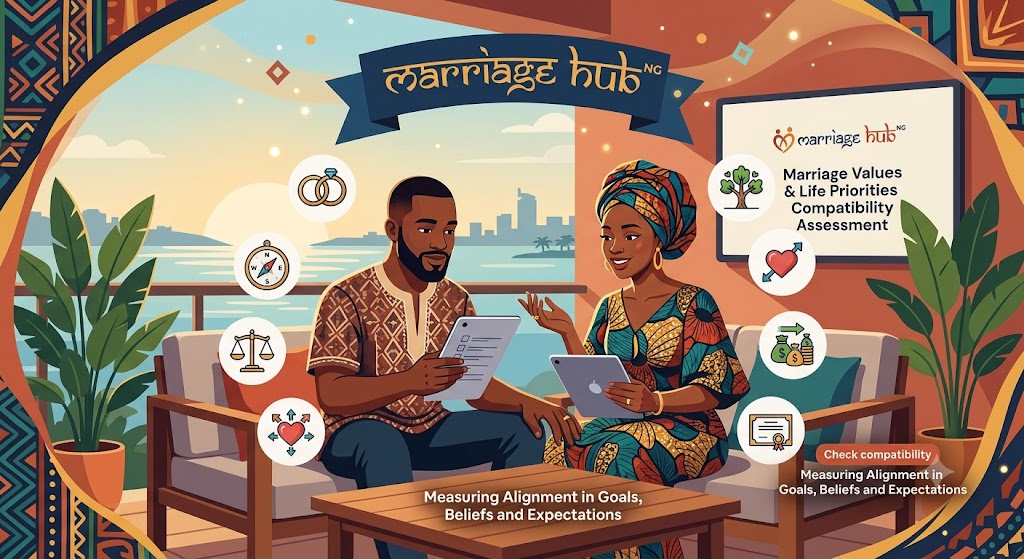
Equally important is financial compatibility. Two people may love each other deeply but have very different attitudes toward money. Differences in spending habits, saving culture, generosity, and lifestyle expectations can create tension if not addressed early. Financial readiness involves understanding these differences and finding common ground. Alignment in financial values reduces conflict and strengthens partnership.
In conclusion, financial readiness for marriage in Nigeria is not about having everything figured out or achieving financial perfection. It is about preparation, honesty, discipline, and partnership. Couples who take time to understand money, communicate openly, and plan responsibly are better equipped to handle the realities of married life. Love may bring people together, but financial wisdom helps keep them together.
Marriage is a journey filled with joy, challenges, growth, and learning. When couples approach this journey with financial readiness, they lay a strong foundation for peace, stability, and long-term success.




.jpg)

Sign in to comment