 Nurturing Marriages, Enriching Families!
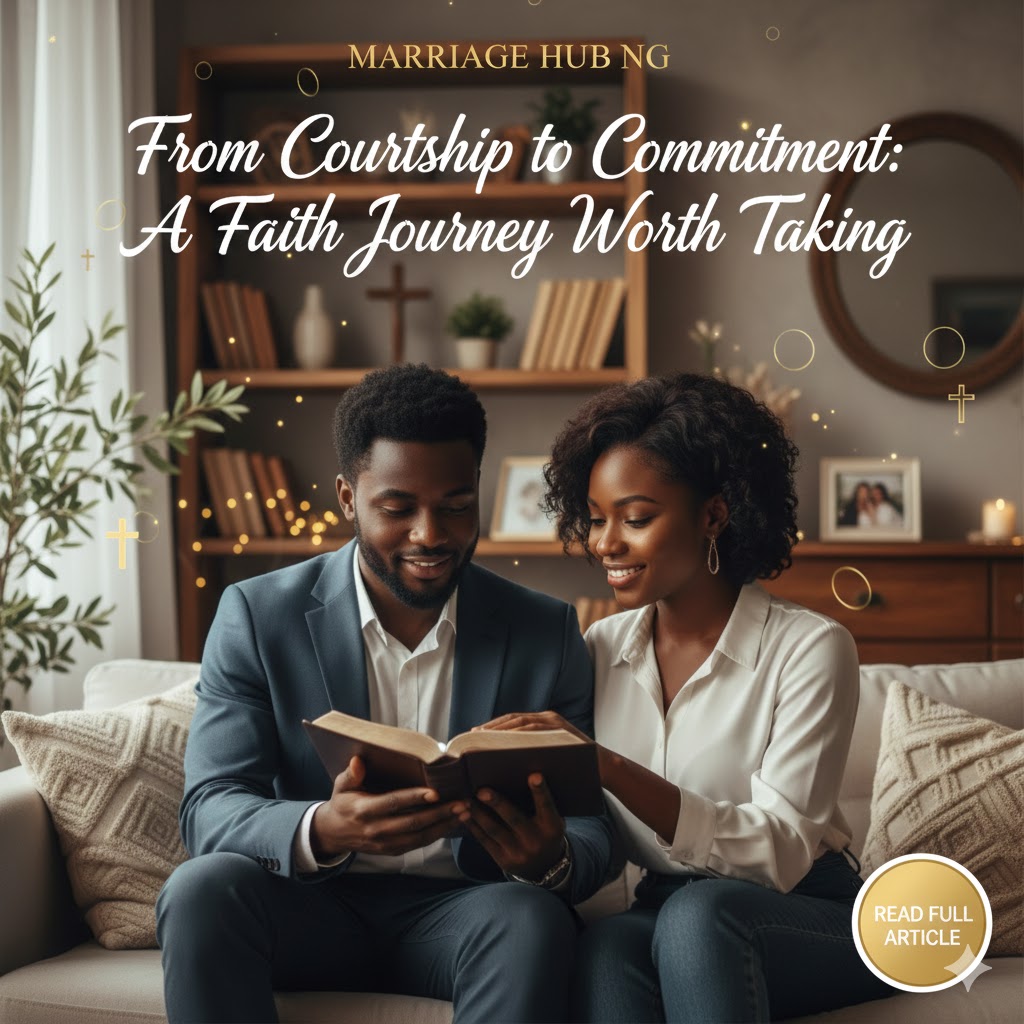
From Courtship to Commitment: A Faith Journey Worth Taking
Marriage is one of life’s most sacred journeys. For many Christian couples, the transition from courtship to commitment is not merely a romantic progression but a spiritual pathway guided by faith, wisdom, and purpose. In a world where relationships are often rushed or built on shallow foundations, embracing a faith-centered courtship offers couples a deeper, lasting bond rooted in God’s design.
From courtship to commitment, every stage matters. Each conversation, each prayer, each decision lays a foundation that will either strengthen or weaken the future marriage. When couples intentionally place God at the center of their journey, they build a relationship that can withstand life’s storms and flourish for decades.
Understanding Courtship Through a Biblical Lens
Courtship differs from casual dating. While modern dating often focuses on personal enjoyment or temporary companionship, courtship emphasizes intentionality, spiritual alignment, and long-term vision. It asks an important question from the very beginning: Can we serve God better together than apart?
The Bible gives us beautiful examples of faith-guided relationships. The story of Book of Ruth illustrates loyalty, character, and divine orchestration. Ruth’s faithfulness and Boaz’s integrity demonstrate how God honors relationships built on righteousness and purpose.
Similarly, the love described in Song of Solomon reminds couples that romance and passion have a rightful place within God’s plan—when guided by patience and purity.
A faith-based courtship is not about rigid rules; it is about aligning your relationship with biblical principles such as respect, self-control, honor, and accountability.
The Purpose of Faith in Courtship
Faith provides clarity. When emotions run high, faith grounds you. When confusion arises, faith directs you. When temptation appears, faith strengthens you.
During courtship, couples should prioritize:
-
Praying together regularly
-
Studying Scripture together
-
Seeking counsel from spiritual mentors
-
Observing each other’s character under pressure
-
Discussing shared values and long-term goals
These practices reveal compatibility beyond physical attraction. They uncover spiritual maturity, emotional stability, and shared purpose.
Faith also encourages patience. Rushing into marriage without spiritual alignment often leads to regret. Taking time to grow spiritually as individuals and as a couple allows God to shape the relationship properly.
Building Emotional and Spiritual Intimacy
Many couples focus heavily on physical attraction during courtship, but emotional and spiritual intimacy form the true backbone of lasting commitment.
Spiritual intimacy develops when couples:
-
Share testimonies of how God has worked in their lives
-
Confess struggles and pray through them together
-
Worship together in church
-
Fast and seek God’s direction about their future
When you invite God into your vulnerabilities, your bond deepens beyond surface-level romance.
Emotional intimacy grows through honest conversations about family background, finances, expectations, career ambitions, and personal fears. Transparency builds trust, and trust builds security.
Navigating Cultural Expectations with Faith
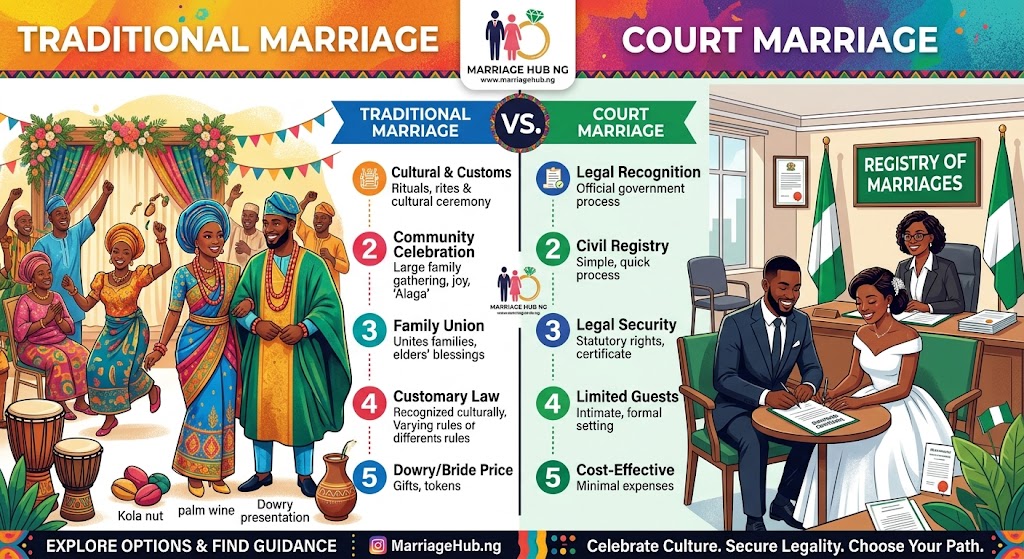
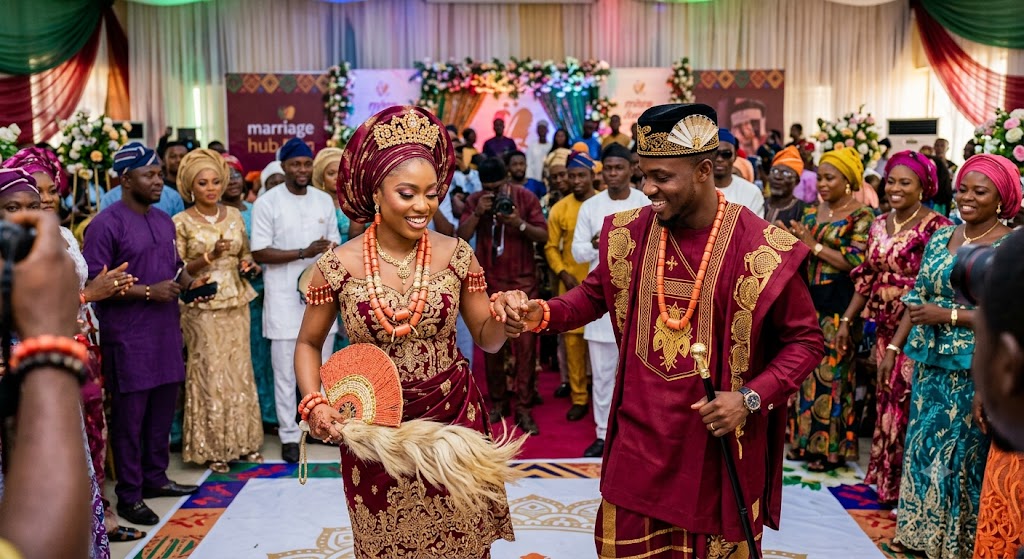
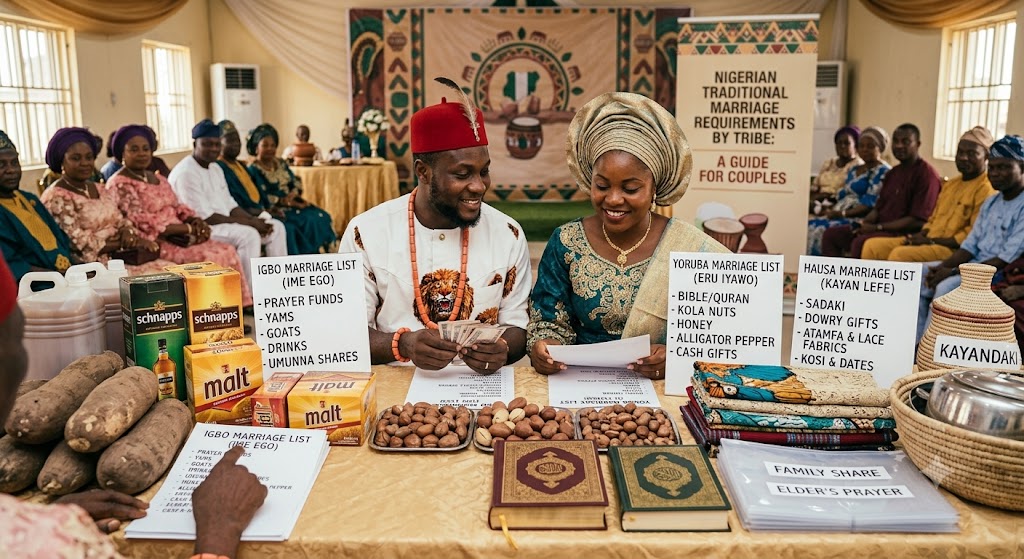
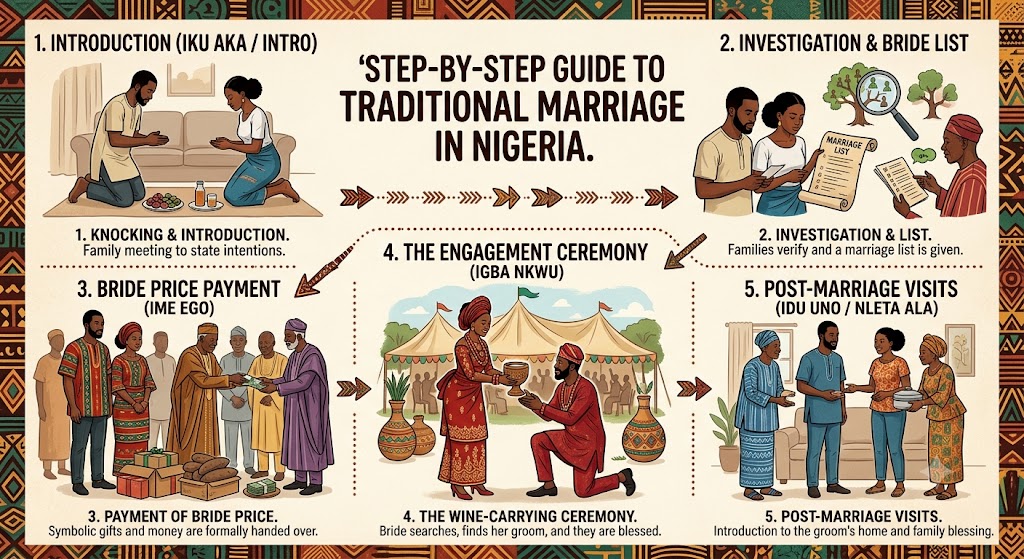
In Nigeria and many African societies, marriage involves more than two individuals; it unites families and communities. Cultural traditions, bride price negotiations, and extended family involvement play significant roles.
While honoring culture is important, couples must ensure that cultural expectations do not overshadow biblical principles. Faith provides balance. It teaches respect for elders while prioritizing unity between husband and wife.
Healthy courtship conversations should address:
-
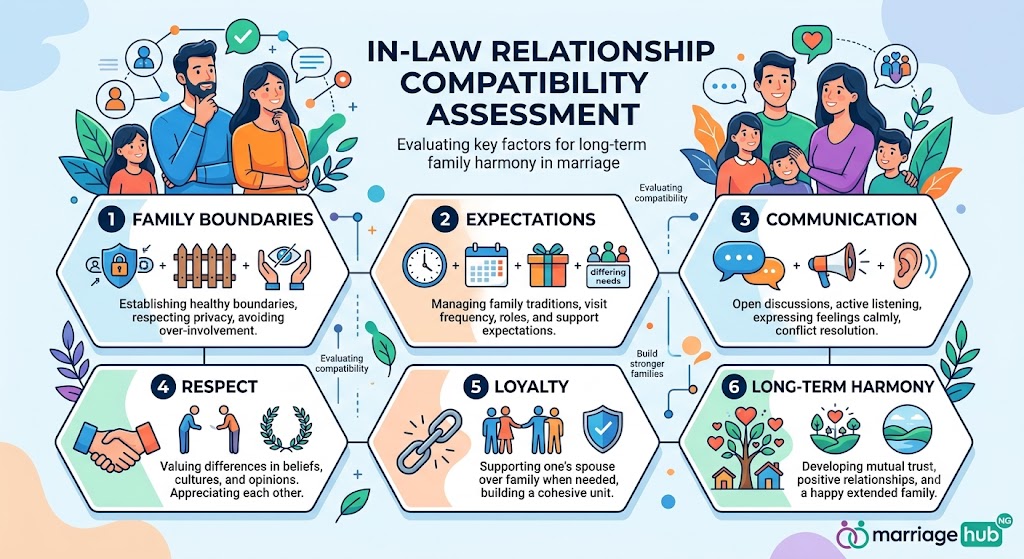
Expectations from both families
-
Financial responsibilities
-
Living arrangements after marriage
-
Conflict resolution strategies
When these matters are discussed prayerfully and respectfully, the transition to commitment becomes smoother.
The Role of Accountability and Mentorship
No couple should journey alone. Accountability protects relationships from avoidable mistakes. Seeking counsel from pastors, mature couples, and trusted mentors provides wisdom beyond personal experience.
The early church emphasized community and spiritual oversight. The teachings in Book of Proverbs consistently highlight the value of wise counsel. “In the multitude of counselors there is safety” remains a timeless principle.
Premarital counseling is especially crucial. It helps couples address sensitive topics such as:
-
Conflict management
-
Financial planning
-
Sexual expectations
-
Parenting philosophy
-
Spiritual leadership in the home
These discussions prevent unrealistic assumptions and strengthen readiness for marriage.
Commitment: More Than a Wedding Ceremony
Many people confuse commitment with a wedding day. While ceremonies are beautiful and celebratory, true commitment begins after the celebration ends.
Commitment means choosing your spouse daily, especially when emotions fluctuate. It means forgiveness when hurt occurs, perseverance during hardship, and sacrificial love when convenience fades.
The covenant nature of marriage reflects God’s faithful love for humanity. Scripture describes marriage as a sacred covenant, not a temporary contract. This understanding transforms how couples approach challenges.
Commitment rooted in faith says:
“We will grow together.”
“We will pray through difficulties.”
“We will not give up easily.”
Preparing Spiritually for Marriage
Before saying “I do,” couples should evaluate their spiritual readiness.
Ask yourselves:
-
Are we equally committed to our faith?
-
Do we share core doctrinal beliefs?
-
How will we handle spiritual differences?
-
Who will lead devotions in our home?
Spiritual unity reduces future conflicts. Differences in faith intensity or direction can create tension if not addressed early.
Spiritual preparation may include:
-
Personal growth in prayer life
-
Developing fruit of the Spirit such as patience and kindness
-
Learning forgiveness and humility
-
Letting go of past wounds
Marriage magnifies both strengths and weaknesses. Preparing spiritually ensures that strengths outweigh weaknesses.
Handling Challenges During Courtship
Courtship is not always smooth. Disagreements, misunderstandings, and external pressures may arise. These moments are not necessarily signs to quit; they are opportunities to grow.
However, there are red flags couples should not ignore:
-
Persistent dishonesty
-
Lack of accountability
-
Disrespectful behavior
-
Emotional manipulation
-
Spiritual apathy
Faith does not mean ignoring warning signs. It means asking God for discernment and courage to make wise decisions.
Prayer should not replace wisdom; it should guide it.
From Romance to Responsibility
As couples move toward engagement and marriage, romance must mature into responsibility. Love should transition from excitement alone to steadfast partnership.
This includes practical planning:
-
Financial budgeting
-
Career coordination
-
Housing arrangements
-
Health considerations
-
Family integration
Faith does not eliminate planning; it strengthens it. Responsible preparation honors God and protects the marriage.
The Beauty of a God-Centered Commitment
When courtship is guided by faith, commitment becomes a joyful covenant rather than a fearful leap. Couples enter marriage confident not only in each other but in God’s guidance.
A faith-centered marriage:
-
Encourages spiritual growth
-
Provides emotional safety
-
Models godly love to children
-
Influences the community positively
In modern society where divorce rates are rising and commitment is often questioned, choosing a faith journey stands as a powerful testimony.
Encouragement for Singles in Courtship
If you are currently in courtship, remember:
-
Do not compare your journey to others.
-
Avoid rushing due to societal pressure.
-
Focus on becoming the right person, not just finding one.
-
Trust God’s timing.
God’s plans are purposeful. Sometimes delays are divine preparations.
Encouragement for Engaged Couples
Engagement is a sacred bridge between promise and covenant. Use this time wisely.
Pray more intentionally.
Strengthen communication.
Attend counseling sessions.
Discuss difficult topics openly.
Do not focus solely on wedding planning. Prepare more for marriage than for the ceremony.
A Journey Worth Taking
From courtship to commitment, a faith journey is indeed worth taking. It builds resilience. It fosters trust. It deepens love beyond emotion.
Marriage is not about perfection but partnership. It is not about flawless compatibility but mutual growth under God’s guidance.
When two people commit to loving God first and each other second, they create a union that reflects divine intention. Their story becomes not just a romance but a testimony.
The path may require patience, humility, and sacrifice—but the reward is a relationship anchored in faith, hope, and enduring love.
In the end, a faith-led courtship does more than prepare you for a wedding day; it prepares you for a lifetime.






.jpg)

Sign in to comment