 Nurturing Marriages, Enriching Families!
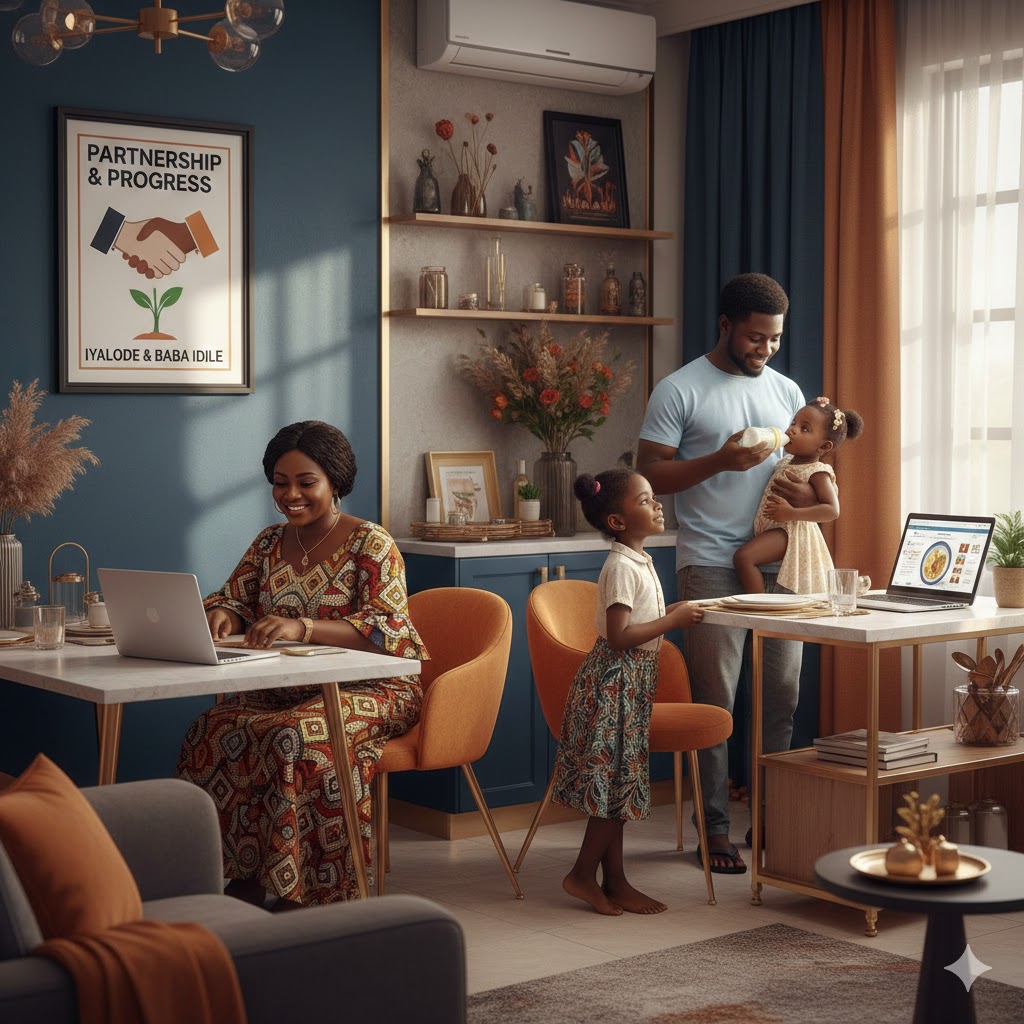
Gender Roles & Expectations in Modern Nigerian Marriages
Gender roles have long shaped the structure and expectations of marriage in Nigeria. Traditionally, men were seen as providers and decision-makers, while women were expected to manage the home, care for children, and support their husbands. These roles were deeply rooted in culture, religion, and economic realities of the time. However, modern Nigerian society is changing rapidly, and with it, expectations around marriage and gender roles are evolving.
Today, many Nigerian women are educated, financially independent, and professionally accomplished. At the same time, economic pressures such as inflation, unemployment, and rising living costs have made dual-income households increasingly common. These shifts have challenged traditional assumptions about what husbands and wives should do within marriage. While some couples have adapted successfully, others struggle with unmet expectations and role conflicts.
One of the most common sources of tension in modern Nigerian marriages is the gap between traditional beliefs and present-day realities. Some men still expect to be the sole providers, even when financial circumstances make this difficult. Others feel threatened when their wives earn more or achieve higher professional status. On the other hand, some women struggle with the pressure of balancing career demands with traditional expectations of domestic responsibility. When these expectations are not discussed openly, resentment and misunderstanding can arise.
Financial roles are particularly sensitive. In many Nigerian cultures, a man’s identity and self-worth are closely tied to his ability to provide. When economic challenges limit this role, some men experience frustration, shame, or loss of confidence. At the same time, women who contribute financially may feel overburdened if they are also expected to handle all domestic duties. Modern marriages require flexibility and shared responsibility rather than rigid adherence to outdated roles.
Domestic responsibilities also reflect changing gender expectations. House chores, childcare, and emotional labor were traditionally seen as women’s duties. However, modern marriages increasingly recognize that partnership involves cooperation. Couples who share responsibilities often experience greater harmony and mutual respect. Resistance to change, however, can create conflict, especially when one partner feels unappreciated or overwhelmed.
Cultural and religious beliefs continue to influence gender expectations in marriage. Some teachings emphasize male leadership and female submission, which can be misunderstood or misapplied. When interpreted without balance or mutual respect, these beliefs may lead to dominance rather than partnership. Healthy marriages recognize leadership as service, not control, and submission as cooperation, not silence.
Social pressure also plays a significant role. Extended family members and society at large often reinforce traditional roles through comments, comparisons, and expectations. Couples who choose non-traditional arrangements may face criticism or misunderstanding. Without strong communication and unity, external pressure can create tension within the marriage.
Gender roles also affect emotional expression in marriage. Men are often socialized to suppress emotions, while women are expected to be emotionally expressive and nurturing. This imbalance can lead to communication gaps and emotional distance. Modern marriages thrive when both partners feel free to express emotions, seek support, and show vulnerability without fear of judgment.
Another challenge in modern Nigerian marriages is the assumption that equality means competition. Marriage is not a contest for dominance or superiority. True partnership involves recognizing each other’s strengths, supporting weaknesses, and working toward shared goals. When gender roles become power struggles, the marriage suffers.
Healthy modern marriages are built on mutual understanding rather than rigid role definitions. Roles may change over time due to career shifts, health issues, or life circumstances. Couples who are adaptable and willing to renegotiate roles are better equipped to handle change and maintain harmony.
Communication remains the key to managing gender roles and expectations. Couples must have honest conversations about responsibilities, finances, career goals, and family life. Assumptions often lead to disappointment, while clarity fosters cooperation. Respectful dialogue allows couples to design a marriage structure that works for them, rather than blindly following societal scripts.
In conclusion, gender roles and expectations in modern Nigerian marriages are in transition. While tradition provides valuable guidance, it must be balanced with present-day realities. Successful marriages are those that adapt without losing respect, communicate without fear, and share responsibilities without resentment.
Marriage flourishes when both partners feel valued, supported, and understood. By redefining gender roles with wisdom and mutual respect, modern Nigerian couples can build marriages that are strong, balanced, and fulfilling.






.jpg)

Sign in to comment