 Nurturing Marriages, Enriching Families!
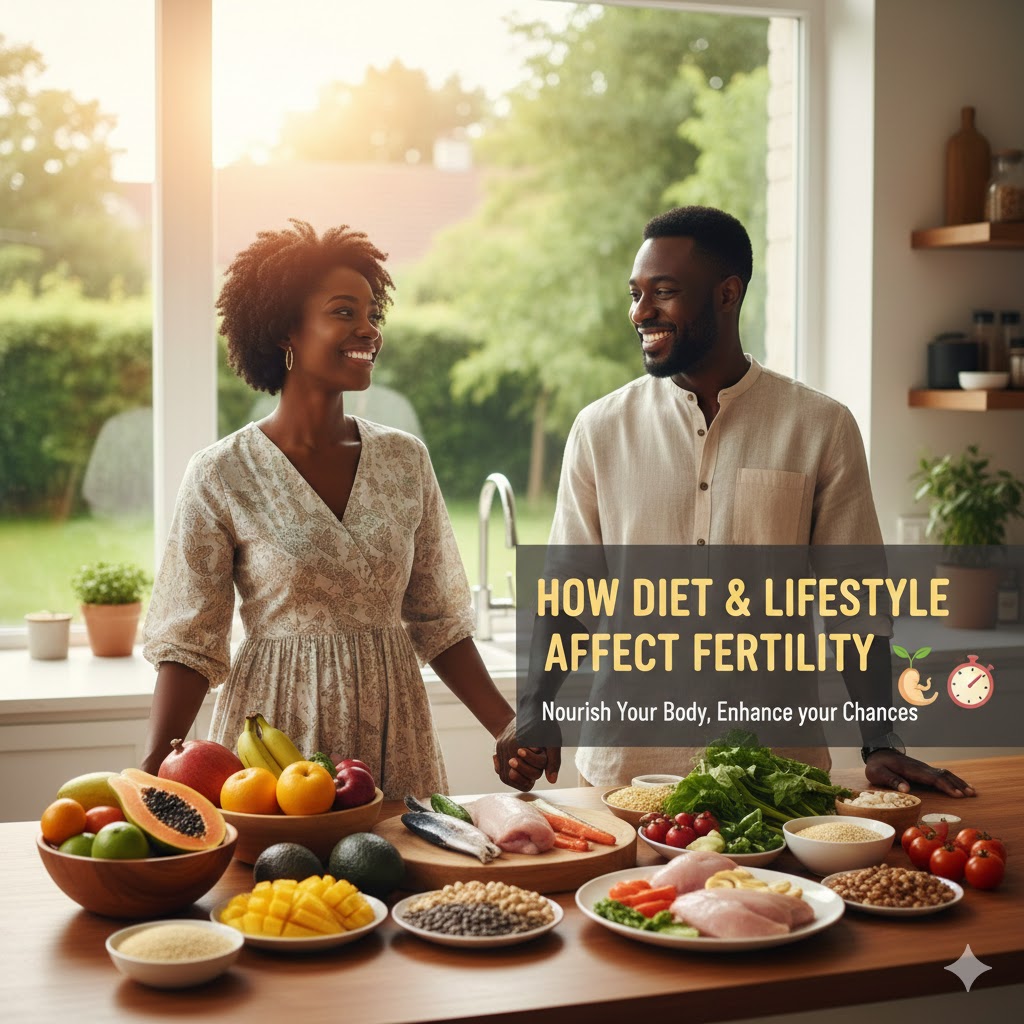
How Diet and Lifestyle Affect Fertility
Fertility is often discussed in terms of medical tests, hormones, and treatments, yet one of the most powerful influences on a couple’s ability to conceive lies in everyday choices. What we eat, how we live, how we cope with stress, and how we care for our bodies all play critical roles in reproductive health. For many Nigerian couples trying to conceive, diet and lifestyle factors are quietly shaping fertility outcomes, sometimes helping, but often hindering the journey without their awareness.
In Nigeria, changing lifestyles, urbanization, economic pressure, and dietary transitions have significantly altered how people live and eat. Traditional diets rich in vegetables, grains, and natural foods are increasingly replaced with processed meals, sugary drinks, and irregular eating patterns. At the same time, long working hours, traffic stress, sleep deprivation, and limited opportunities for physical activity have become normal. These changes may seem unrelated to fertility, but they deeply influence hormonal balance, egg and sperm quality, and overall reproductive health.
Nutrition forms the foundation of fertility. The reproductive system relies on a steady supply of vitamins, minerals, and healthy fats to function properly. When the body is undernourished or overloaded with poor-quality foods, fertility hormones become imbalanced. In women, inadequate nutrition can disrupt ovulation, delay menstrual cycles, and reduce egg quality. In men, poor diets affect sperm count, motility, and shape, making conception more difficult.
Many Nigerian diets are high in refined carbohydrates, fried foods, and sugary beverages, especially in urban areas. While these foods are convenient and affordable, excessive consumption contributes to insulin resistance, inflammation, and weight gain. These conditions are closely linked to fertility challenges such as polycystic ovary syndrome in women and reduced testosterone levels in men. Excess body fat alters hormone production, increasing estrogen in men and disrupting ovulation in women, while being underweight can also suppress reproductive hormones and delay conception.
Micronutrient deficiencies are another hidden challenge. Iron, folate, zinc, selenium, iodine, and vitamins such as B12 and D are essential for reproductive health. In Nigeria, limited dietary diversity, food insecurity, and poor absorption due to untreated infections can lead to deficiencies that quietly impair fertility. Women may experience poor egg development or implantation difficulties, while men may suffer reduced sperm quality without obvious symptoms.
Lifestyle habits extend beyond food choices. Physical activity plays a crucial role in fertility, yet many adults lead sedentary lives due to work demands and urban living. Regular, moderate exercise improves insulin sensitivity, supports healthy weight, enhances blood circulation to reproductive organs, and reduces stress. However, extreme physical exertion without adequate nutrition and rest can also disrupt fertility, particularly in women, by suppressing ovulation and menstrual cycles.
Sleep is another often-overlooked factor. Consistent, quality sleep supports hormonal regulation, including the hormones responsible for ovulation and sperm production. Chronic sleep deprivation, common among Nigerians juggling multiple jobs, long commutes, and family responsibilities, increases stress hormones that interfere with reproductive function. Poor sleep also affects libido, mood, and energy levels, indirectly reducing intimacy and conception chances.
Stress, deeply intertwined with lifestyle, has a profound impact on fertility. Financial pressure, job insecurity, societal expectations, and marital tension elevate cortisol levels, which suppress reproductive hormones. Stress also drives unhealthy coping habits such as overeating, smoking, excessive alcohol consumption, or emotional withdrawal. These behaviors further damage fertility and strain relationships, creating a cycle that is difficult to break.
Alcohol and tobacco use deserve special attention. While social drinking is common and often normalized, excessive alcohol intake reduces sperm quality in men and disrupts ovulation in women. Smoking, including passive exposure, introduces toxins that damage eggs and sperm, accelerate reproductive aging, and increase miscarriage risk. In Nigeria, where awareness of these effects is still limited, many couples unknowingly compromise their fertility through habitual use.
Environmental exposures also influence fertility. Contact with pesticides, heavy metals, and industrial chemicals, more common in certain occupations and urban areas, can disrupt hormonal balance and impair reproductive cells. Poor air quality, contaminated water, and unsafe food storage practices contribute to toxic load in the body, further challenging fertility, especially when combined with poor nutrition and stress.
The impact of diet and lifestyle on fertility is not always immediate, which makes it easy to overlook. Many couples only consider lifestyle changes after years of unsuccessful attempts or during fertility treatment. However, research shows that improving nutrition, managing stress, and adopting healthier daily habits can significantly enhance natural conception rates and improve outcomes of assisted reproductive technologies.
In the Nigerian context, positive changes do not require expensive supplements or extreme diets. Emphasizing locally available, nutrient-rich foods, maintaining regular meal patterns, staying physically active in simple ways, prioritizing rest, and reducing harmful habits can make a meaningful difference. Small, consistent adjustments often have a greater impact than drastic, short-lived efforts.
Equally important is the shared responsibility within marriage. Fertility is not solely a woman’s concern, and lifestyle changes are most effective when both partners commit together. Supporting each other in healthier eating, stress management, and medical checkups strengthens not only reproductive health but also emotional intimacy and partnership.
Ultimately, fertility reflects overall health. A body that is well-nourished, rested, and emotionally supported is better equipped to conceive and sustain a pregnancy. While medical intervention is sometimes necessary, diet and lifestyle form the foundation upon which fertility treatments succeed or fail. For Nigerian couples trying to conceive, paying attention to daily choices is not just about increasing the chances of pregnancy; it is about building a healthier, more resilient life together.
Understanding the connection between diet, lifestyle, and fertility empowers couples to take control of what they can influence, even when other factors feel uncertain. With awareness, intentional changes, and mutual support, many couples can improve their fertility journey and strengthen their marriage along the way.










.jpg)



Sign in to comment