 Nurturing Marriages, Enriching Families!

How I Met My Husband at a Friend’s Wedding in Lagos: A Real-Life Nigerian Love Story
Weddings in Nigeria are magical events — colourful, lively, and full of joy. From traditional ceremonies to modern white weddings, they bring families and friends together to celebrate love. But sometimes, weddings do more than just celebrate someone else’s love — they can change your life.
This is my story of how I met my husband at a friend’s wedding in Lagos, and how a single day of celebration turned into a lifetime of love. It’s a story that many young Nigerians can relate to: a mix of excitement, culture, fashion, and destiny.
The Wedding Day: Lagos Energy at Its Best
It was a sunny Saturday in Lagos. Traffic was predictable — slow and packed — but that didn’t dampen the excitement. Lagos weddings are legendary for their vibrancy. From the early morning traditional rites to the late-night reception, every moment is filled with music, laughter, and energy.
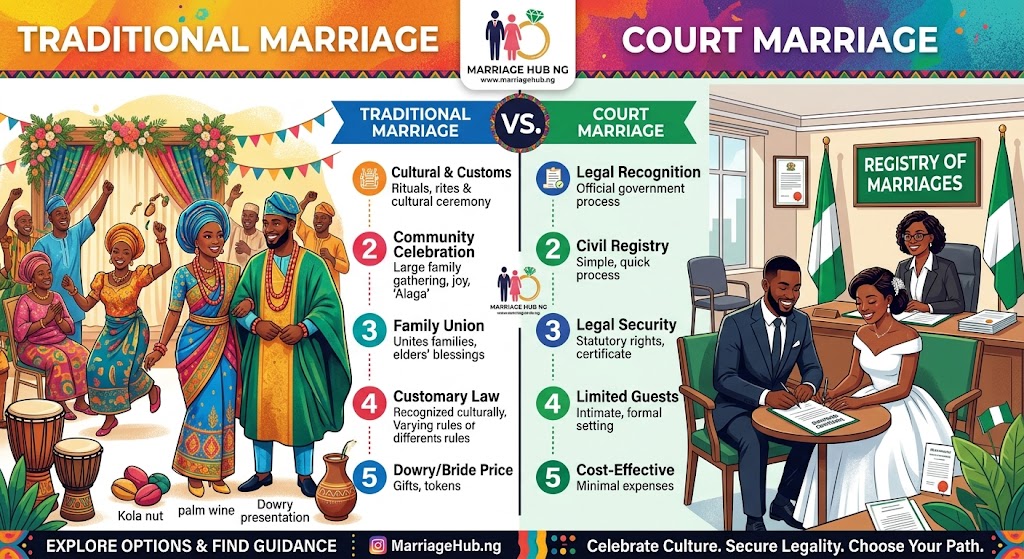
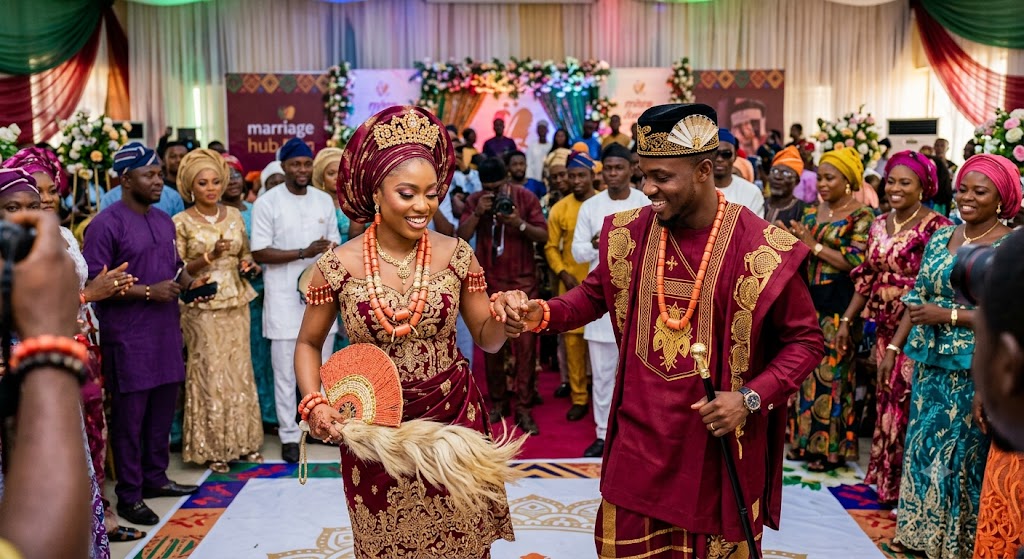
My friend had invited me to her traditional wedding in Ikeja. She was Yoruba, so the ceremony included colourful aso-oke fabrics, gele head wraps, drumming, and traditional prostrations. Guests arrived dressed to the nines — men in agbadas, women in dazzling wrappers, all with smiles and high spirits.
I had arrived early, eager to celebrate my friend. Little did I know that my life was about to change that day.
First Impressions: Noticing Him in the Crowd
As I mingled with other guests, I noticed him. He was a friend of the groom, impeccably dressed in a navy blue agbada with subtle embroidery. There was something about the way he carried himself — confident, yet approachable.
In Lagos, first impressions at weddings often involve admiration for style. But it wasn’t just his outfit. He laughed genuinely with the people around him, greeted elders politely, and seemed genuinely engaged in the celebrations.
I remember thinking: “He seems like someone I’d like to know.”
The Icebreaker: How We Finally Talked
Weddings can be overwhelming. Music, dancing, and family introductions make it easy to miss connections. But sometimes, fate steps in.
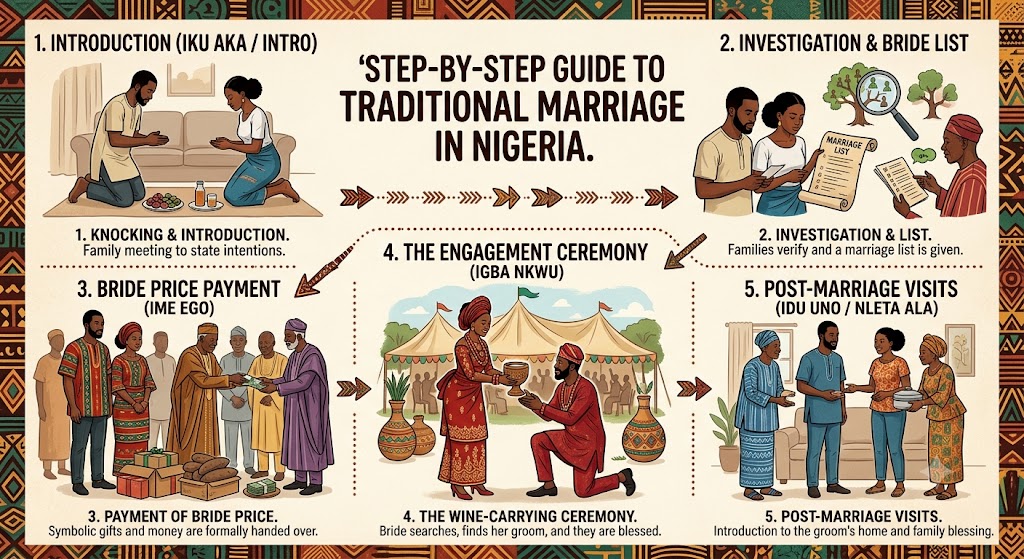
During the wine-carrying ceremony, which is a highlight in many Yoruba weddings, the bride offered palm wine to her groom in a beautifully orchestrated ritual. Guests cheered and applauded, and I found myself standing near him, commenting on how beautifully the ceremony was conducted.
We struck up a conversation. It started with polite small talk about Lagos traffic, the decorations, and mutual friends. Soon, we were laughing over shared anecdotes about attending weddings in Lagos — from relatives’ insistence on early arrivals to the chaos of coordinating large families.
By the time the dance session started, we were joking and exchanging stories like old friends.
Dancing Our Way into Connection
Lagos weddings are known for their lively music — a mix of juju, highlife, Afrobeat, and contemporary hits. As the DJ shifted to popular tracks, I noticed him extending his hand for a dance.
In Nigerian culture, dancing at weddings is more than entertainment; it’s a way to bond, celebrate, and connect. We joined the dance floor, laughing as we tried to match each other’s steps.
It was simple, lighthearted, and fun — but there was a spark. Dancing together allowed us to relax and connect beyond small talk. By the end of the evening, we had exchanged phone numbers, promising to meet for coffee soon.
Post-Wedding Conversations: From Texts to Calls
After the wedding, the conversation continued. Lagos is a city where people are busy, but technology makes it easy to stay in touch. WhatsApp messages and late-night calls became our routine.
We shared stories about our upbringing, our ambitions, and our experiences growing up in Lagos. He was from Surulere, I was from Victoria Island, but despite the geographical distance, we felt a growing connection.
We discovered shared values: faith, family importance, career goals, and cultural pride. In Nigeria, aligning values — especially regarding culture and religion — is often critical for long-term relationships. This shared foundation strengthened our bond.
Meeting the Families: A Nigerian Tradition
In Nigerian relationships, meeting the family is a serious step. For us, it came naturally as our connection grew. During a visit to his family home in Surulere, I was welcomed warmly. Traditional etiquette played a role: greetings, respect for elders, and small gifts.
Similarly, when he visited my family in Victoria Island, he followed all cultural expectations — greeting my parents properly, offering prayers, and showing respect. These early interactions demonstrated that he valued my background and family, which is essential in Nigerian relationships.
From Friendship to Love
What started as playful conversation and dancing at a wedding gradually blossomed into love. We attended church together, explored Lagos, and shared meals at local spots — jollof rice at a family gathering, suya at a night market, and pounded yam with egusi at weekend visits.
Our bond deepened over shared experiences and mutual respect. Lagos, with its fast-paced lifestyle, heavy traffic, and vibrant culture, became the backdrop of our growing love story.
Planning Our Future Together
After a year of dating, we decided to get engaged. Lagos weddings had given us both experiences of culture, family, and celebration, which shaped our vision for our own wedding.
We incorporated:
-
A traditional Yoruba engagement
-
Modern elements inspired by weddings we attended
-
Personal touches that reflected our shared journey
Looking back, meeting at a friend’s wedding gave us more than a chance encounter; it gave us context, inspiration, and understanding of what we wanted in marriage.
Lessons Learned from Meeting at a Wedding
1. Weddings Are Social Opportunities
While you should attend weddings to celebrate, they are also great spaces to meet like-minded people. Observing interactions, shared values, and family dynamics provides insight into potential partners.
2. First Impressions Matter, But Personality Lasts
His confidence, respect for elders, and authenticity drew me in. Nigerian culture values humility, respect, and integrity — qualities that outshine appearance.
3. Cultural Compatibility Is Key
Shared cultural understanding made communication and family interactions smoother. Nigerian marriages often involve families heavily; compatibility with family and tradition is crucial.
4. Patience and Gradual Connection Work
We didn’t rush; we let the relationship evolve naturally after meeting at the wedding. Trust, communication, and consistency mattered more than instant chemistry.
5. Shared Experiences Strengthen Bonds
Attending events together, sharing meals, and exploring Lagos allowed us to see each other’s character in real-life situations. Real-life interactions create the foundation for lasting love.
Final Thoughts
Meeting your future spouse can happen in unexpected places — even at a friend’s wedding in Lagos. The city’s vibrant wedding culture, rich traditions, and lively celebrations created a perfect environment for two people to connect.
For me, that wedding was not just about my friend’s special day; it was the start of my own lifelong journey. From dancing on the floor to sharing late-night conversations, respecting family traditions, and celebrating culture, every step brought us closer together.
Today, as a happily married couple, we reflect on that day with gratitude. It reminds us that love often arrives unexpectedly, sometimes amidst the music, laughter, and energy of a joyful Lagos wedding.
If you’re attending weddings in Nigeria, remember: be open, authentic, and enjoy the moment. You never know who you might meet.



.jpg)

Sign in to comment