 Nurturing Marriages, Enriching Families!
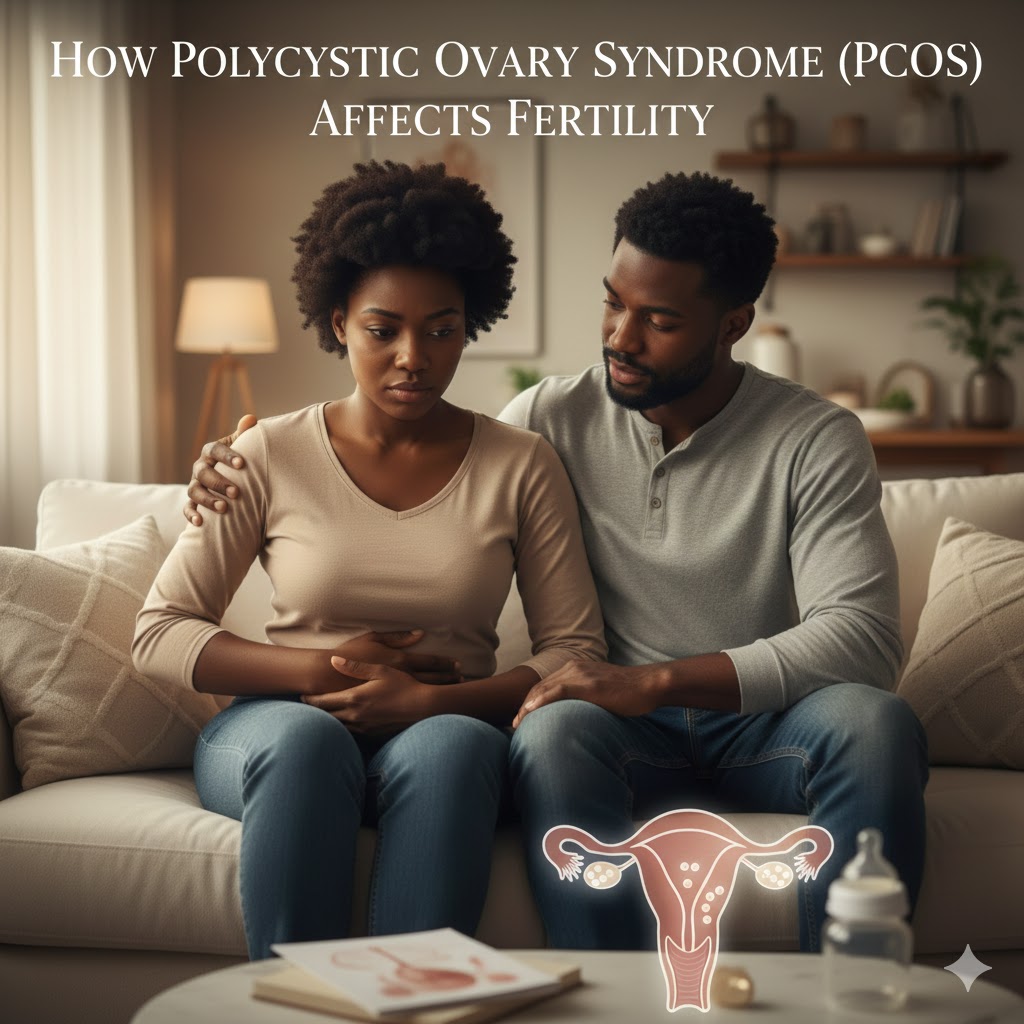
How polycystic ovary syndrome (pcos) affects fertility
Polycystic ovary syndrome (PCOS) is one of the most common hormonal disorders affecting women of reproductive age. It is also one of the leading causes of infertility worldwide. While many women with PCOS can and do get pregnant, the condition can make conception more challenging due to hormonal imbalances and irregular ovulation.
Understanding how PCOS affects fertility is essential for early intervention, proper treatment, and improved chances of conception. In this article, we’ll explore what PCOS is, how it impacts ovulation and reproductive health, and what options are available for women trying to conceive.
What Is Polycystic Ovary Syndrome (PCOS)?
Polycystic ovary syndrome (PCOS) is a hormonal disorder that affects how the ovaries function. Women with PCOS may experience:
-
Irregular or absent menstrual periods
-
Excess androgen levels (male hormones)
-
Enlarged ovaries containing multiple small follicles (often referred to as cysts)
-
Insulin resistance
-
Weight gain or difficulty losing weight
-
Acne or excess facial/body hair
PCOS is a complex endocrine condition that affects not only the reproductive system but also metabolism and overall health.
The Role of Ovulation in Fertility
To understand how PCOS affects fertility, it’s important to understand ovulation. Each month, a mature egg is released from one of the ovaries. This process is triggered by a delicate balance of hormones. If ovulation does not occur, pregnancy cannot happen naturally.
For many women with PCOS, ovulation is irregular or absent (a condition called anovulation). Without regular ovulation, it becomes difficult to predict fertile windows or achieve pregnancy.
1. Hormonal Imbalance and Irregular Ovulation
One of the primary ways PCOS affects fertility is through hormonal imbalance. Women with PCOS often have elevated levels of androgens, which interfere with the normal development and release of eggs.
Instead of one follicle maturing and releasing an egg, multiple small follicles may begin developing but fail to mature fully. This leads to:
-
Irregular menstrual cycles
-
Missed periods
-
Infrequent ovulation
When ovulation occurs unpredictably—or not at all—it reduces the chances of conception.
2. Insulin Resistance and Its Impact on Fertility
Insulin resistance is common in women with PCOS. This means the body has difficulty using insulin effectively, leading to higher insulin levels in the bloodstream.
Elevated insulin levels can:
-
Increase androgen production
-
Disrupt ovulation
-
Contribute to weight gain
-
Worsen hormonal imbalance
Insulin resistance creates a cycle that further interferes with reproductive hormones, making ovulation even more irregular. Managing insulin levels is often a key part of improving fertility in women with PCOS.
3. Irregular Menstrual Cycles
Many women with PCOS experience irregular or absent periods. Some may have cycles longer than 35 days, while others may go months without menstruating.
Irregular cycles indicate inconsistent ovulation, which makes it difficult to identify fertile days. Without a predictable cycle, timing intercourse for conception becomes more complicated.
Women with PCOS may ovulate occasionally, but the unpredictability can delay pregnancy if not properly managed.
4. Egg Quality Concerns
While many women with PCOS produce a high number of follicles, egg quality may sometimes be affected. Hormonal imbalances and metabolic issues can interfere with proper egg maturation.
Poor egg quality may:
-
Reduce fertilization rates
-
Increase the risk of early miscarriage
-
Lower overall pregnancy success rates
Improving metabolic health and hormone balance can positively influence egg development and reproductive outcomes.
5. Increased Risk of Miscarriage
Some studies suggest that women with PCOS may have a slightly higher risk of miscarriage, particularly if insulin resistance and hormonal imbalances are not well managed.
Factors contributing to this increased risk include:
-
Elevated insulin levels
-
Obesity
-
Hormonal instability
-
Inflammation
Proper medical supervision, lifestyle management, and early prenatal care can reduce these risks significantly.
6. Weight and Fertility Challenges
Not all women with PCOS are overweight, but many experience weight gain or difficulty losing weight due to insulin resistance and metabolic factors.
Excess weight can:
-
Further disrupt hormone levels
-
Reduce ovulation frequency
-
Decrease fertility rates
Research shows that even modest weight loss—around 5–10% of body weight—can significantly improve ovulation and increase the chances of conception in women with PCOS.
7. Emotional and Psychological Impact
PCOS doesn’t only affect physical fertility—it can also impact emotional well-being. The stress of irregular cycles, difficulty conceiving, and body image changes can create anxiety and depression.
Stress itself can influence hormone levels and ovulation, potentially compounding fertility challenges. Emotional support, counseling, and stress management techniques are important parts of fertility care for women with PCOS.
Can Women with PCOS Get Pregnant?
Yes. Many women with PCOS successfully conceive and have healthy pregnancies. While PCOS can make it more challenging, it is treatable and manageable.
With the right combination of lifestyle adjustments and medical treatment, ovulation can often be restored, improving fertility outcomes.
Treatment Options to Improve Fertility with PCOS
Lifestyle Modifications
Lifestyle changes are often the first line of treatment. These may include:
-
A balanced, low-glycemic diet
-
Regular physical activity
-
Weight management
-
Stress reduction
These changes help regulate insulin levels and improve hormonal balance, supporting ovulation.
Medications
Several medications can stimulate ovulation in women with PCOS, including:
-
Clomiphene citrate
-
Letrozole
-
Metformin (for insulin resistance)
-
Injectable fertility hormones
These treatments are typically prescribed and monitored by a fertility specialist.
Assisted Reproductive Technologies
If other methods are unsuccessful, assisted reproductive technologies such as in vitro fertilization (IVF) may be recommended. IVF can bypass ovulation irregularities and increase pregnancy success rates.
When to See a Doctor
If you have PCOS and have been trying to conceive for six to twelve months without success (or sooner if you are over 35), it’s important to consult a healthcare provider or fertility specialist.
Early medical guidance can:
-
Identify ovulation issues
-
Address hormonal imbalances
-
Provide personalized fertility treatment options
The sooner PCOS-related fertility challenges are addressed, the better the outcomes tend to be.
Final Thoughts
Polycystic ovary syndrome (PCOS) can significantly affect fertility by disrupting ovulation, altering hormone levels, and contributing to insulin resistance. However, it does not mean pregnancy is impossible.
With proper diagnosis, lifestyle management, medical treatment, and emotional support, many women with PCOS go on to conceive successfully. Understanding how PCOS affects fertility empowers women to take proactive steps toward improving reproductive health and achieving their family goals.
If you suspect PCOS is affecting your fertility, consult a qualified healthcare provider for evaluation and personalized treatment. With knowledge and support, fertility challenges associated with PCOS can be effectively managed.










.jpg)



Sign in to comment