 Nurturing Marriages, Enriching Families!
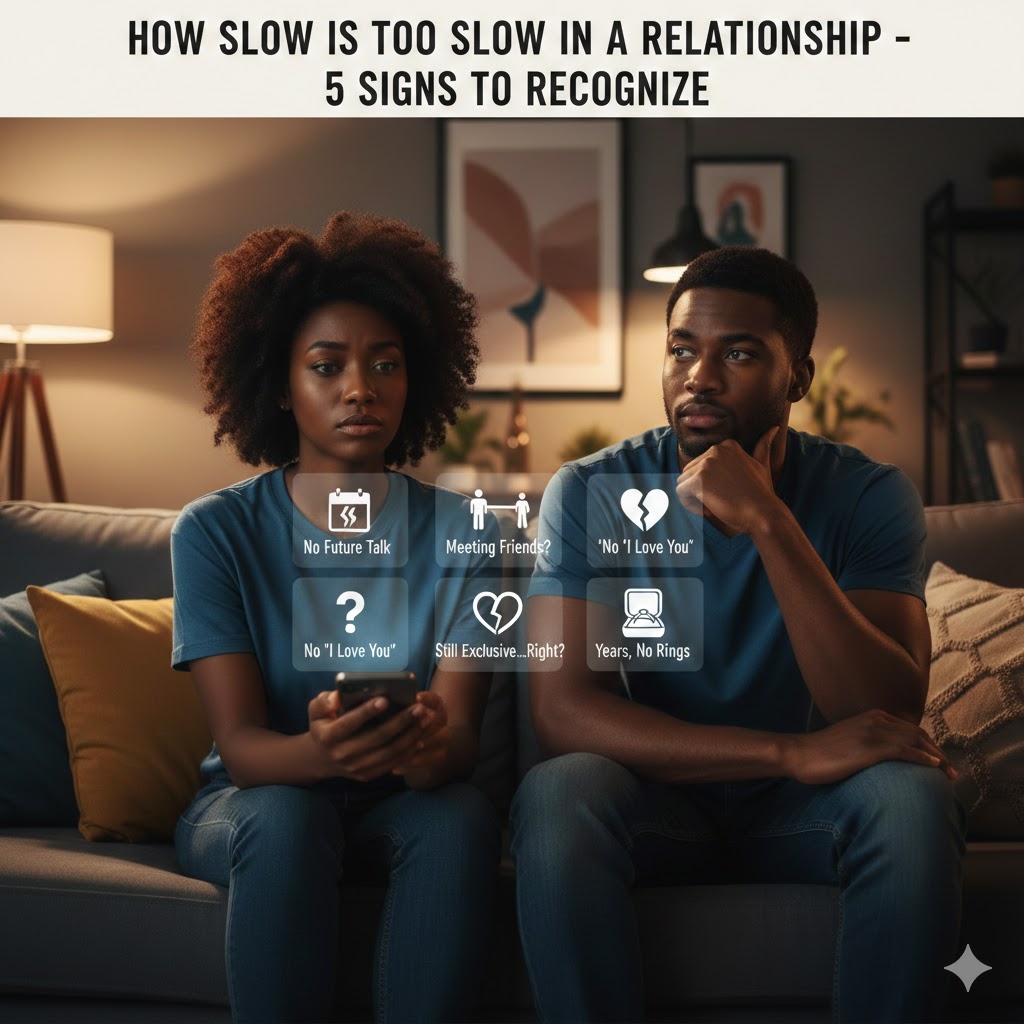
How Slow Is Too Slow in a Relationship – 5 Signs to Recognize
Relationships are a journey, but not all journeys move at the same pace. Some couples move quickly from dating to commitment, while others prefer to take things slow. However, taking it slow in a relationship can sometimes become a source of frustration or uncertainty, especially if one partner feels the pace is too slow. Recognizing when a relationship is moving at an unhealthy or unproductive speed is essential for emotional well-being and long-term compatibility.
In this article, we’ll explore the five key signs that your relationship may be moving too slowly, why this matters, and how to address it while keeping communication and respect at the forefront.
Understanding Relationship Pace
Every relationship develops at its own rhythm, influenced by personality, past experiences, and circumstances. Moving slow can be healthy—it allows trust to build, provides time to understand compatibility, and minimizes the risks of rushing into commitment.
However, when the pace becomes frustrating or leaves one partner feeling neglected, anxious, or uncertain about the future, it may indicate that the relationship is moving too slowly. Understanding the difference between “healthy slow” and “too slow” is the first step in navigating this issue.
Why Pacing Matters
Pacing affects emotional connection, intimacy, and long-term satisfaction. When one partner feels left behind, it can lead to:
-
Anxiety about the relationship’s future
-
Frustration and resentment
-
Decreased motivation to invest emotionally
-
Misaligned goals or expectations
Recognizing the signs early helps couples communicate effectively and align their relationship goals before frustration escalates.
5 Signs Your Relationship May Be Moving Too Slowly
1. Lack of Emotional Depth
A slow relationship often shows minimal emotional intimacy. If conversations remain superficial and you rarely share feelings, dreams, or vulnerabilities, it may signal a lack of connection.
Signs to watch for:
-
Limited discussions about future plans or values
-
Avoidance of serious conversations about commitment
-
Emotional distance despite time spent together
Emotional intimacy is foundational for long-term relationships. Without it, slow pacing can become stagnation.
2. Avoidance of Commitment
One of the clearest signs a relationship is moving too slowly is a reluctance to define or commit. While commitment doesn’t need to happen immediately, prolonged avoidance may suggest misaligned intentions.
Signs to watch for:
-
Hesitation to introduce you to family or close friends
-
Vagueness about long-term plans together
-
Reluctance to label the relationship or discuss its direction
If your partner consistently avoids commitment, it’s worth addressing before investing more time and energy.
3. Minimal Physical or Romantic Intimacy
Physical and romantic intimacy is another indicator of relationship pace. In healthy slow relationships, intimacy grows naturally and aligns with emotional connection. But if intimacy is nearly absent, it may be a red flag.
Signs to watch for:
-
Rare displays of affection, like holding hands or hugging
-
Minimal effort in planning dates or romantic gestures
-
Lack of physical closeness or sexual intimacy over a long period
Physical connection often mirrors emotional readiness, and persistent absence can signal a slow or stagnant relationship.
4. Uncertainty About the Future
If conversations about long-term goals, values, and future plans are avoided or met with vagueness, it may indicate the relationship is moving too slowly.
Signs to watch for:
-
Ambiguity about living arrangements, finances, or marriage
-
Avoiding discussions about children or lifestyle expectations
-
Constant “we’ll see” responses to important questions
A healthy relationship allows room for planning the future together. Excessive avoidance can leave one partner feeling stuck.
5. Repeated Patterns of Waiting
Relationships that move too slowly often involve one partner consistently waiting for progress while the other seems content with status quo. Over time, this imbalance can cause frustration and emotional exhaustion.
Signs to watch for:
-
Feeling stuck in “dating” mode for months or years
-
Your milestones (like moving in together or meeting family) are repeatedly delayed
-
Feeling anxious, insecure, or frustrated about the pace
While patience is important, persistent waiting without clear direction may indicate misalignment in priorities.
What To Do If Your Relationship Feels Too Slow
Recognizing a slow-moving relationship is only half the battle. The next step is deciding how to address it constructively.
1. Communicate Openly
Honest communication is key. Share your feelings about the pace without blaming your partner:
-
Use “I” statements: “I feel uncertain about our future because we haven’t discussed long-term plans.”
-
Ask for clarity on their intentions and goals
-
Set a safe space for discussion without judgment
Communication fosters understanding and allows both partners to align expectations.
2. Evaluate Your Needs and Boundaries
Take time to reflect on your personal needs:
-
Are you comfortable waiting, or do you need more clarity?
-
What is your timeline for milestones like commitment, cohabitation, or marriage?
-
Are your needs compatible with your partner’s pace?
Understanding your boundaries prevents resentment and emotional burnout.
3. Set Realistic Expectations
After discussing the relationship, agree on a pace that respects both partners. Compromise is often necessary, but unrealistic expectations can exacerbate tension.
-
Agree on timelines for key milestones
-
Respect individual comfort levels
-
Keep revisiting and adjusting expectations as the relationship evolves
4. Watch for Patterns, Not Moments
It’s important to differentiate between occasional delays and consistent patterns. Everyone experiences temporary uncertainty, but if your partner repeatedly avoids progress, it may indicate deeper incompatibility.
-
Track whether the slow pace is situational or ongoing
-
Note if repeated discussions lead to real change
-
Make decisions based on consistent behavior, not isolated incidents
5. Be Prepared to Reassess
Sometimes, despite communication and effort, the pace remains mismatched. If your partner cannot align with your goals or timeline, it may be necessary to reconsider the relationship.
-
Assess if the relationship is meeting your emotional needs
-
Decide if waiting longer aligns with your life goals
-
Seek support from friends, family, or a relationship coach if needed
Final Thoughts
“How slow is too slow in a relationship?” ultimately depends on compatibility, communication, and mutual understanding. While taking it slow can be healthy, persistent avoidance of emotional intimacy, commitment, or future planning may signal that the relationship is moving too slowly for long-term satisfaction.
Recognizing the five signs outlined—lack of emotional depth, avoidance of commitment, minimal physical intimacy, uncertainty about the future, and repeated patterns of waiting—can help you assess your relationship honestly.
By communicating openly, evaluating your needs, setting realistic expectations, and watching for patterns, you can navigate slow-moving relationships thoughtfully. Remember, patience is valuable, but your emotional well-being and long-term goals are equally important.
A relationship should feel like a partnership where both individuals grow, connect, and move toward shared goals. Understanding when the pace is too slow helps you make informed decisions about your future—ensuring your love life is both fulfilling and aligned with your personal values.









.jpg)

Sign in to comment