 Nurturing Marriages, Enriching Families!
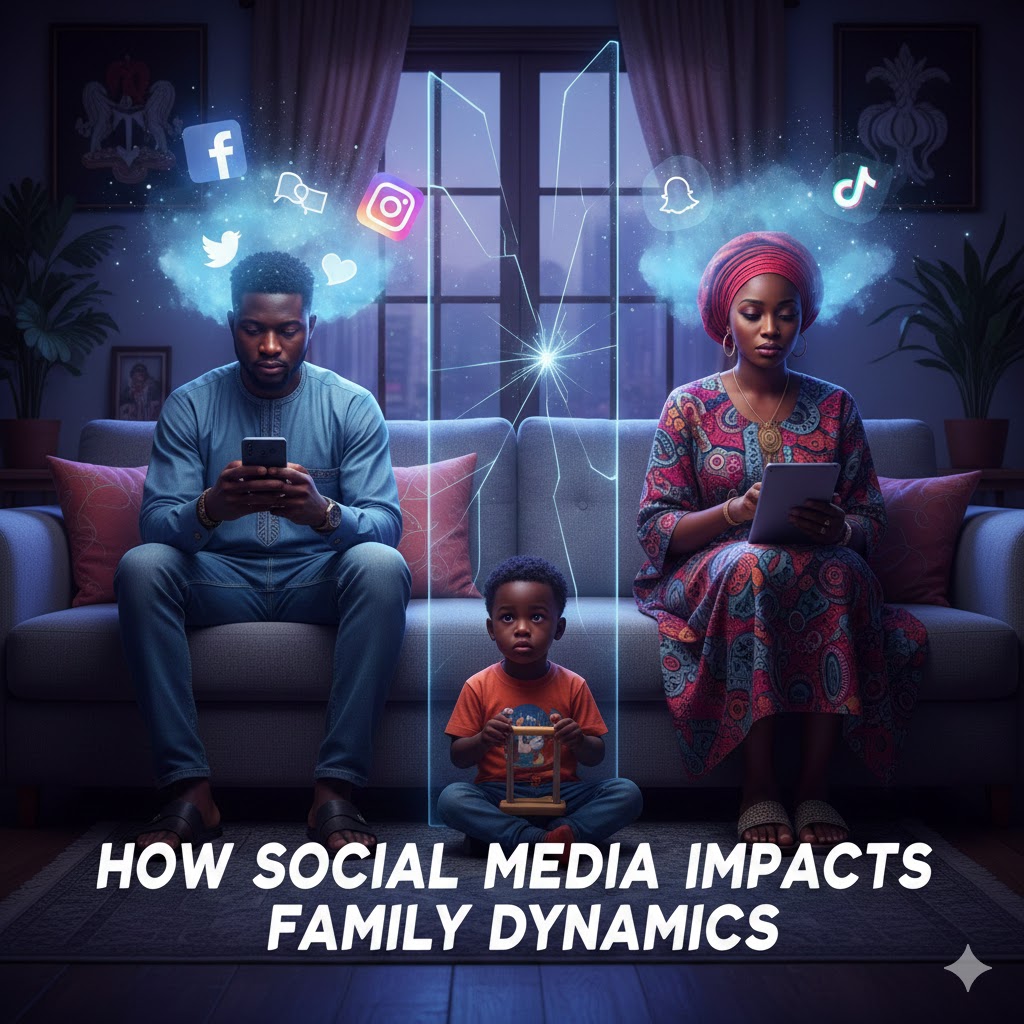
How Social Media Impacts Family Dynamics: A Nigerian Perspective
In today’s digital age, social media has transformed the way people communicate, share information, and build relationships. In Nigeria, platforms such as WhatsApp, Facebook, Instagram, Twitter (X), TikTok, and Telegram are deeply embedded in family life. While social media offers opportunities for connection, entertainment, and information sharing, it also affects family dynamics—sometimes positively, but often negatively.
Understanding the impact of social media on family relationships is crucial, especially in Nigerian homes where extended families, cultural expectations, and generational differences are significant. This article explores how social media influences family dynamics, the challenges it poses, and strategies Nigerian families can adopt to foster healthy relationships in a digital world.
The Rise of Social Media in Nigeria
Nigeria has one of the largest social media populations in Africa. According to recent reports:
-
Over 33 million Nigerians actively use social media.
-
WhatsApp is the most widely used platform, followed by Instagram and Facebook.
-
Social media has become a primary source of news, entertainment, and communication.
This widespread usage means that social media is now a core component of everyday family life, influencing conversations, parenting, conflict resolution, and relationships.
How Social Media Shapes Family Dynamics
1. Communication Patterns
Social media has altered how families communicate:
-
Instant Messaging: Family members use WhatsApp groups to coordinate events, share updates, or discuss household matters.
-
Video Calls: Platforms like Zoom and WhatsApp Video allow extended family members to maintain connections across cities or countries.
-
Public Communication: Social media posts sometimes replace private conversations, leading to misunderstandings.
Real-Life Nigerian Scenario: In Lagos, a family relied on a WhatsApp group to share daily updates. Misinterpretations of tone in messages led to arguments between siblings, highlighting how online communication can inadvertently strain relationships.
2. Parental Challenges
Parents face new challenges with social media:
-
Monitoring children’s online activity
-
Ensuring exposure to age-appropriate content
-
Managing excessive screen time
-
Protecting children from cyberbullying or harmful trends
Excessive social media use by parents can also reduce the quality of face-to-face interactions with children, weakening emotional bonds.
3. Sibling Dynamics
Social media can intensify sibling rivalry and jealousy:
-
Comparing achievements through posts can fuel envy
-
Competition for attention or recognition online may exacerbate conflicts
-
Sharing sensitive family issues publicly can cause tension
Real-Life Scenario: In Abuja, siblings argued after one posted private family disputes on Instagram. The situation led to strained interactions and distrust within the household.
4. Marital Relationships
Social media can impact marriages in Nigeria in various ways:
-
Jealousy: Spouses may feel insecure about online interactions with others.
-
Time Displacement: Excessive social media use reduces quality time together.
-
Conflict Escalation: Disagreements about online behavior can lead to arguments.
Real-Life Scenario: In Enugu, a husband frequently checked his wife’s social media, leading to daily confrontations and mistrust. Counseling and setting digital boundaries helped restore balance in the relationship.
5. Extended Family Dynamics
In Nigeria, extended families are heavily involved in individual households. Social media influences these relationships:
-
Family members may comment on or critique posts, leading to tension.
-
Sharing family events online without consent can create misunderstandings.
-
Social media can amplify gossip or rumors, damaging relationships.
6. Cultural and Generational Tensions
Generational gaps impact how families use social media:
-
Older generations may view excessive social media use as disrespect or laziness.
-
Younger members may feel criticized for engaging with digital platforms.
-
Differences in cultural values online can exacerbate misunderstandings.
Real-Life Scenario: In Kano, grandparents were offended when grandchildren shared cultural ceremonies online without consent. Discussions were needed to balance tradition with modern digital expression.
Negative Impacts of Social Media on Nigerian Families
-
Reduced Face-to-Face Interaction: Families spend less quality time together.
-
Increased Conflict: Misunderstandings online can escalate to arguments at home.
-
Mental Health Strains: Comparison, cyberbullying, or negative content can lead to anxiety and depression.
-
Exposure to Inappropriate Content: Children may access harmful material.
-
Privacy Violations: Sharing private family matters online can create tension and embarrassment.
-
Dependency and Addiction: Excessive use can disrupt routines, sleep, and emotional health.
Real-Life Scenario: Social Media and Conflict
A family in Lagos experienced frequent arguments after a teenager posted a video mocking household rules. The parents felt disrespected, while the teenager accused them of being outdated. Mediation, open discussion, and clear digital boundaries helped restore harmony.
Positive Impacts of Social Media on Family Dynamics
Despite challenges, social media can also enhance family relationships:
-
Maintaining Long-Distance Connections: Families separated by work, education, or migration can stay in touch.
-
Educational Opportunities: Parents can access parenting tips, health advice, and family resources.
-
Event Coordination: WhatsApp groups and Facebook events simplify planning birthdays, weddings, and other family gatherings.
-
Support Networks: Online communities provide emotional and financial support.
-
Sharing Achievements: Celebrating accomplishments online can boost family pride when done respectfully.
Real-Life Scenario: In Port Harcourt, a WhatsApp group for an extended family coordinated care for a sick relative and shared updates with everyone, fostering unity and support.
Strategies for Managing Social Media Use in Nigerian Families
1. Establish Clear Digital Boundaries
-
Limit screen time for children and adults
-
Designate tech-free zones or times, such as meal periods or family activities
-
Avoid discussing sensitive family matters online
2. Promote Open Dialogue
-
Encourage family members to express feelings about online behavior
-
Discuss the impact of posts on family relationships
-
Resolve misunderstandings before they escalate
3. Monitor and Educate
-
Parents should guide children about safe social media use
-
Teach about privacy, cyberbullying, and responsible sharing
-
Encourage critical thinking about online content
Real-Life Scenario: In Ibadan, parents held weekly digital literacy sessions with children, teaching responsible posting, which reduced conflicts and misunderstandings.
4. Model Responsible Use
-
Parents should demonstrate healthy social media habits
-
Avoid excessive posting or public family disputes
-
Show respect for privacy and consent in digital interactions
5. Mediation and Counseling
-
When social media conflicts escalate, neutral mediators or family counselors can help
-
Address underlying issues rather than focusing solely on online behavior
-
Mediation can prevent long-term resentment
6. Encourage Offline Bonding
-
Promote family activities such as sports, storytelling, cultural events, or outings
-
Celebrate achievements offline as well as online
-
Ensure technology supplements rather than replaces interaction
Real-Life Scenario: A family in Enugu instituted a “no-phone Sunday,” spending time together, which strengthened communication and reduced jealousy over social media attention.
7. Respect Cultural Norms
-
Nigerian families often navigate collective decision-making, respect for elders, and privacy
-
Educate younger members about cultural expectations around sharing family matters online
-
Balance modern digital expression with traditional values
Long-Term Implications
Unmanaged social media use can have lasting effects on Nigerian families:
-
Weakened emotional bonds
-
Persistent sibling rivalry or marital tension
-
Generational misunderstandings
-
Increased mental health issues such as anxiety or depression
-
Strained extended family relationships
Conversely, responsible use strengthens relationships, enhances communication, and promotes emotional well-being.
Real-Life Nigerian Scenario: Social Media as a Tool for Unity
In Lagos, a family used a WhatsApp group to celebrate graduations, coordinate care for sick relatives, and share updates from distant family members. Despite initial disagreements over posting content, establishing boundaries and mutual respect allowed social media to become a unifying tool.
Conclusion
Social media is a double-edged sword for Nigerian families. While it offers opportunities for communication, education, and support, it also presents challenges that can strain relationships and mental health.
To maintain healthy family dynamics, Nigerian families should:
-
Establish clear boundaries for social media use
-
Encourage open dialogue and education on responsible posting
-
Use mediation or counseling when conflicts arise
-
Balance online engagement with meaningful offline interactions
-
Respect cultural values and intergenerational expectations
By approaching social media thoughtfully, families can harness its benefits while minimizing its risks, creating stronger, healthier, and more connected households.








.jpg)

Sign in to comment