 Nurturing Marriages, Enriching Families!
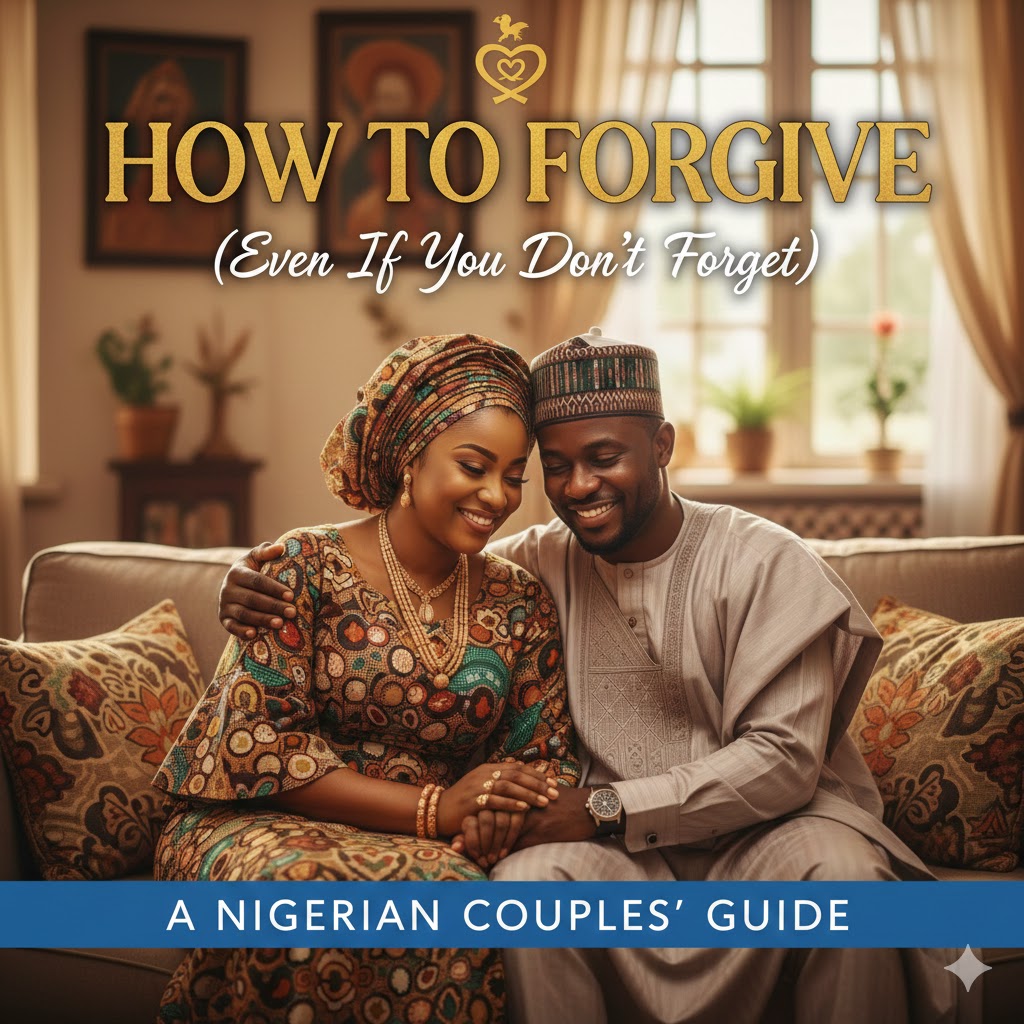
How to Forgive (Even If You Don’t Forget): A Nigerian Couples’ Guide
Forgiveness is one of the most powerful tools for personal peace and marital harmony. Yet, many Nigerian couples struggle with it, especially when past hurts feel deep, recurring, or culturally sensitive. Forgiving someone does not necessarily mean forgetting the offense; it means choosing to release the hold that anger, resentment, or bitterness has over your life.
In Nigerian marriages, where extended families, cultural expectations, and societal pressures play a significant role, learning to forgive is vital for emotional health, relationship resilience, and long-term marital satisfaction. This article explores practical ways to forgive, even when forgetting is impossible, while highlighting real-life Nigerian scenarios, psychological insights, and actionable strategies.
Understanding Forgiveness
What Forgiveness Really Means
Forgiveness is often misunderstood as condoning or excusing bad behavior. In reality:
-
Forgiveness is an internal process, not necessarily communicated to the offender.
-
It releases emotional burden like anger, resentment, or the desire for revenge.
-
It does not require forgetting or denying the reality of the harm.
-
It protects your mental and physical health, reducing stress, anxiety, and conflict.
In marriages, forgiveness helps couples rebuild trust, communicate effectively, and maintain emotional intimacy, even after mistakes, betrayal, or misunderstandings.
The Difference Between Forgiveness and Reconciliation
-
Forgiveness: Choosing to let go of resentment while protecting your emotional boundaries.
-
Reconciliation: Restoring a relationship or rebuilding trust, which may or may not follow forgiveness.
Real-Life Nigerian Scenario: A couple in Lagos experienced infidelity by the husband. The wife forgave him internally, choosing to release her anger, but set boundaries and continued counseling before considering reconciliation. This distinction allowed her to regain peace without forcing trust prematurely.
Why Forgiveness Is Challenging in Nigerian Marriages
-
Cultural Expectations: Nigerian society often prioritizes family reputation, making certain offenses, like infidelity or financial betrayal, feel more public and harder to forgive.
-
Religious Beliefs: While many religions encourage forgiveness, there is often tension between moral accountability and personal healing.
-
Extended Family Pressure: Family involvement in marital conflicts can make personal forgiveness more complex.
-
Deep Emotional Wounds: Betrayal, abuse, or repeated offenses create long-lasting pain that is difficult to release.
-
Gender Norms: Men may struggle to express remorse, while women may struggle to forgive without societal judgment.
Recognizing these challenges is the first step toward intentional forgiveness.
Benefits of Forgiving Even If You Don’t Forget
-
Emotional Relief: Releasing anger reduces stress, anxiety, and emotional fatigue.
-
Physical Health Benefits: Studies show forgiveness lowers blood pressure, reduces heart disease risk, and improves overall well-being.
-
Improved Marital Communication: Letting go of resentment fosters clearer and more compassionate communication.
-
Enhanced Emotional Intimacy: Forgiveness allows vulnerability, trust, and connection to grow.
-
Personal Empowerment: Forgiving gives control over your emotional state rather than letting past pain dominate your life.
Steps to Forgive Without Forgetting
1. Acknowledge Your Pain
-
Identify the specific offense and the emotions attached to it.
-
Avoid minimizing your feelings or pretending the hurt didn’t occur.
-
Journaling or counseling can help clarify emotions.
Example: A woman in Abuja faced betrayal when her husband made a financial decision without consulting her. By acknowledging her anger and disappointment, she could process her feelings without denying the reality of the harm.
2. Accept That Forgiveness Is a Choice
-
Forgiveness is not automatic; it is a deliberate decision.
-
Decide to release resentment, even if forgetting or reconciling is impossible.
-
Understand that forgiving someone is primarily for your own peace, not necessarily for the other person.
3. Understand the Offender’s Perspective (Without Excusing Them)
-
Attempt to see why the offense occurred. Cultural, emotional, or situational factors may provide context.
-
Empathy helps reduce the intensity of anger without condoning harmful behavior.
Nigerian Scenario: In a Lagos family, a husband neglected emotional needs due to stress from work and extended family obligations. Recognizing his pressures helped his wife forgive while still maintaining her boundaries.
4. Set Healthy Boundaries
-
Forgiveness does not require ignoring future risks.
-
Boundaries protect you from repeated harm and ensure accountability.
-
Boundaries can include limiting certain discussions, monitoring finances, or seeking couples counseling.
5. Release Resentment Actively
-
Techniques include writing a letter to the offender (not necessarily sent), meditation, or prayer.
-
Replace anger with understanding, acceptance, or compassion.
-
Engage in activities that reduce stress and promote emotional healing.
Example: A couple in Port Harcourt used weekly reflective journaling and prayer to release lingering resentment after an argument that escalated over cultural expectations.
6. Focus on Personal Growth
-
Forgiveness is an opportunity for self-development.
-
Reflect on lessons learned, resilience built, and emotional maturity gained.
-
Personal growth enhances self-esteem and reduces dependency on the offender’s validation.
7. Consider Professional Support
-
Therapists, marriage counselors, or religious mentors can guide the forgiveness process.
-
In Nigeria, counseling services are increasingly available in major cities like Lagos, Abuja, and Port Harcourt.
-
Professional support helps navigate complex family dynamics and deep emotional wounds.
Common Misconceptions About Forgiveness
-
“I have to forget to forgive.”
-
Forgiveness is about letting go of anger, not erasing memory.
-
-
“Forgiving means condoning bad behavior.”
-
Forgiveness releases personal burden; it does not excuse or justify actions.
-
-
“Forgiveness makes me vulnerable to being hurt again.”
-
Boundaries and accountability protect emotional safety while practicing forgiveness.
-
-
“Forgiveness must be immediate.”
-
Forgiveness is a process that can take time, reflection, and repeated effort.
-
Forgiveness in Different Nigerian Contexts
1. Infidelity
-
Cultural stigma often intensifies pain.
-
Forgiving internally allows emotional release without rushing reconciliation.
-
Couples therapy helps navigate trust rebuilding if reconciliation is desired.
Scenario: A couple in Lagos faced infidelity. The wife forgave emotionally but insisted on counseling and separate financial arrangements before rebuilding trust. This approach preserved peace while protecting her interests.
2. Financial Betrayal
-
Mismanagement of funds or secret financial decisions can erode trust.
-
Forgiveness helps reduce stress and resentment while creating space for accountability.
-
Boundaries like shared accounts or joint financial planning maintain oversight.
3. Family Interference
-
Extended family opinions or interventions can create resentment between spouses.
-
Forgiving your partner for succumbing to family pressure fosters unity and emotional resilience.
-
Open communication and boundary setting help prevent future conflicts.
4. Repeated Small Offenses
-
Daily frustrations, criticism, or minor betrayals accumulate over time.
-
Forgiveness allows couples to prevent resentment from growing into major relational damage.
-
Developing emotional intelligence and stress management reduces recurrence.
Practical Tips for Forgiving Without Forgetting
-
Reflect and Journal: Record feelings and steps toward forgiveness.
-
Meditation and Prayer: Religious or mindfulness practices aid emotional release.
-
Seek Professional Counseling: Individual or couples therapy helps navigate complex emotions.
-
Communicate Clearly: Share progress, boundaries, and expectations with your partner.
-
Focus on Self-Care: Exercise, nutrition, and hobbies promote emotional resilience.
-
Engage Supportive Networks: Trusted friends, family, or community groups provide perspective and encouragement.
-
Practice Empathy: Understanding context reduces anger intensity without excusing behavior.
-
Celebrate Progress: Acknowledge milestones in letting go of resentment.
-
Forgive in Stages: Accept that forgiveness may take multiple attempts and ongoing effort.
-
Protect Your Boundaries: Ensure forgiveness does not compromise your safety or values.
Real-Life Nigerian Couples’ Experiences
-
Lagos Couple: A husband repeatedly failed to communicate about financial decisions. His wife chose to forgive internally, set clear boundaries, and established shared accounts. Over time, resentment decreased, and trust gradually returned.
-
Abuja Couple: A wife felt hurt by her husband’s lack of emotional support during fertility treatments. Forgiveness allowed her to release bitterness while encouraging open dialogue, improving emotional closeness.
-
Port Harcourt Couple: A conflict over extended family interference caused repeated arguments. Both partners practiced staged forgiveness, counseling, and boundary-setting, which restored marital harmony without forgetting the past.
The Link Between Forgiveness and Marital Health
-
Forgiveness reduces conflict escalation and chronic resentment.
-
Enhances emotional intimacy, trust, and marital satisfaction.
-
Supports mental and physical health by reducing stress and promoting peace.
-
Encourages personal growth, empathy, and resilience.
Forgiving without forgetting allows Nigerian couples to maintain personal integrity, protect boundaries, and nurture healthy, lasting relationships.
Conclusion
Forgiveness is a choice, a process, and a powerful tool for personal peace and marital harmony. In Nigerian marriages, where cultural expectations, extended families, and societal pressures influence daily life, learning to forgive—without necessarily forgetting—is essential.
By acknowledging pain, practicing empathy, setting boundaries, seeking professional support, and focusing on personal growth, couples can release resentment, strengthen emotional intimacy, and maintain healthier, more resilient relationships. Forgiveness is not about excusing wrongs or erasing memory; it is about reclaiming peace, empowering yourself, and nurturing a partnership built on trust, understanding, and love.










.jpg)



Sign in to comment