 Nurturing Marriages, Enriching Families!
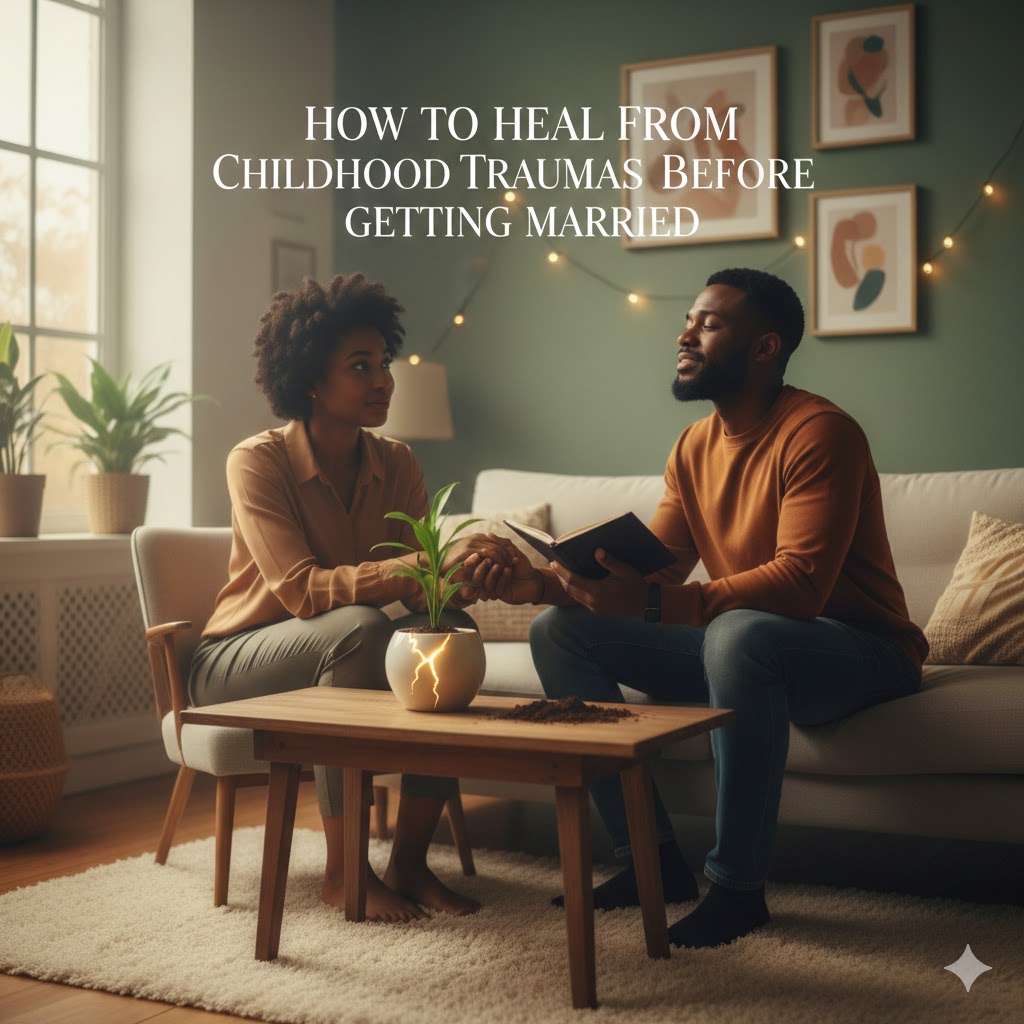
How to Heal From Childhood Traumas Before Getting Married
Marriage is often one of the most significant milestones in a person’s life. Entering into a lifelong commitment with someone you love is exciting, but it also comes with challenges. One important factor that many couples overlook is the impact of childhood trauma on relationships. Childhood experiences, especially traumatic ones, can shape how we view love, trust, communication, and intimacy. If left unaddressed, these unresolved issues can affect marital satisfaction, emotional connection, and conflict resolution.
Healing from childhood traumas before getting married is not just about personal growth—it’s about building a healthy, lasting relationship with your partner. This guide explores practical steps, strategies, and insights to help you recognize, confront, and heal from your past to enter marriage as a whole and emotionally available partner.
Understanding Childhood Trauma
Childhood trauma can include a variety of experiences, such as:
-
Physical, emotional, or sexual abuse
-
Neglect or abandonment
-
Growing up in a home with substance abuse or domestic violence
-
Parental divorce or family dysfunction
-
Chronic bullying or social rejection
These experiences can leave long-lasting emotional imprints, influencing how you perceive yourself, others, and relationships. Common effects of unresolved childhood trauma in adulthood include:
-
Difficulty trusting others
-
Fear of vulnerability or intimacy
-
Repeating unhealthy relationship patterns
-
Emotional reactivity or difficulty managing emotions
-
Low self-esteem or self-sabotaging behaviors
Recognizing that trauma may be affecting your adult relationships is the first step toward healing and building a strong marriage.
1. Acknowledge Your Past
The first step in healing is acknowledging that your childhood experiences have shaped your emotional responses and behaviors. Denying or suppressing trauma can lead to emotional baggage that affects your partner and marriage. Consider:
-
Reflecting on past experiences and their emotional impact
-
Journaling memories and feelings to identify patterns
-
Recognizing recurring behaviors in relationships linked to trauma
Acceptance does not mean excusing or forgetting the past. Instead, it allows you to understand how your experiences influence your present behavior and relationships.
2. Seek Professional Therapy
Therapy is one of the most effective ways to address childhood trauma. A licensed therapist can help you:
-
Process and release painful memories
-
Understand triggers and emotional reactions
-
Develop healthy coping strategies
-
Build self-awareness and emotional intelligence
Therapies like cognitive-behavioral therapy (CBT), eye movement desensitization and reprocessing (EMDR), and trauma-focused therapy are particularly effective in healing trauma. Investing in therapy before marriage ensures you enter the relationship emotionally stable and self-aware.
3. Build Emotional Awareness
Childhood trauma can affect emotional regulation and communication. Learning to recognize and understand your emotions is crucial. Techniques include:
-
Practicing mindfulness and meditation to stay present
-
Naming and expressing emotions in safe ways
-
Journaling your emotional responses to situations
-
Observing triggers and understanding their origins
Emotional awareness allows you to respond thoughtfully rather than react impulsively, improving communication with your future spouse.
4. Establish Healthy Boundaries
Many adults who experienced childhood trauma struggle with boundaries. They may either be overly rigid or too permissive in relationships. To heal and prepare for marriage, it’s important to:
-
Identify your personal limits in relationships
-
Learn to say “no” when necessary without guilt
-
Respect your partner’s boundaries while maintaining your own
-
Avoid codependent or controlling behaviors
Healthy boundaries foster respect, trust, and mutual understanding in marriage.
5. Address Self-Esteem Issues
Childhood trauma often damages self-worth and self-esteem. Low self-esteem can manifest in jealousy, insecurity, or fear of abandonment in marriage. To build confidence:
-
Practice self-compassion and positive self-talk
-
Celebrate personal achievements and strengths
-
Engage in activities that make you feel competent and fulfilled
-
Surround yourself with supportive and uplifting people
High self-esteem allows you to enter marriage from a place of confidence rather than neediness.
6. Learn Healthy Communication Skills
Communication is the backbone of any successful marriage. Childhood trauma may make expressing feelings, asserting needs, or resolving conflicts challenging. Focus on:
-
Active listening without judgment
-
Expressing emotions using “I” statements
-
Avoiding blame or criticism in disagreements
-
Practicing patience and empathy with your partner
Strong communication skills help prevent misunderstandings, reduce conflict, and build intimacy.
7. Break the Cycle of Dysfunction
Childhood trauma can lead to repeating patterns of unhealthy relationships. Before marriage, reflect on past behaviors and identify patterns you want to break. Consider:
-
Codependency or overreliance on partners
-
Choosing partners who replicate past trauma dynamics
-
Avoiding confrontation or suppressing needs
Breaking these cycles requires conscious effort, self-awareness, and sometimes guidance from a therapist or mentor.
8. Practice Forgiveness
Forgiving those who hurt you in the past is essential for emotional freedom. Forgiveness does not mean condoning past abuse or forgetting pain. It means releasing resentment to prevent it from affecting your present relationship. Steps include:
-
Recognizing the emotional impact of past trauma
-
Understanding that forgiveness benefits your healing
-
Practicing self-forgiveness for any internalized guilt
-
Letting go of grudges that may hinder emotional intimacy
Forgiveness allows you to enter marriage with an open heart and reduced emotional baggage.
9. Develop Healthy Coping Mechanisms
Childhood trauma can trigger maladaptive coping strategies such as anger outbursts, avoidance, or substance use. Building healthy coping mechanisms is vital for a balanced marriage. Try:
-
Mindfulness meditation or deep-breathing exercises
-
Physical activity and stress relief routines
-
Creative outlets like writing, music, or art
-
Seeking support groups or therapy sessions for trauma survivors
Healthy coping skills help manage stress and emotional triggers, ensuring they don’t harm your marriage.
10. Prioritize Self-Love and Emotional Readiness
Ultimately, healing from childhood trauma requires commitment to self-love and emotional readiness. Entering marriage from a place of healing ensures you:
-
Can give love without fear or insecurity
-
Maintain emotional stability during conflicts
-
Build trust and intimacy with your partner
-
Approach challenges as a team rather than reactively
Remember, emotional readiness is just as important as financial or logistical readiness when preparing for a lifelong commitment.
Final Thoughts
Childhood trauma can shape relationships in profound ways. Ignoring unresolved pain can lead to conflict, mistrust, and emotional disconnection in marriage. However, with conscious effort, therapy, self-reflection, and emotional growth, you can heal and create a strong, healthy foundation for your future partnership.
By addressing trauma before marriage, you’re investing not only in your personal well-being but also in the quality and longevity of your marriage. Healing allows you to engage with your partner fully, communicate effectively, and foster a loving, trust-filled relationship.






.jpg)
Sign in to comment