 Nurturing Marriages, Enriching Families!
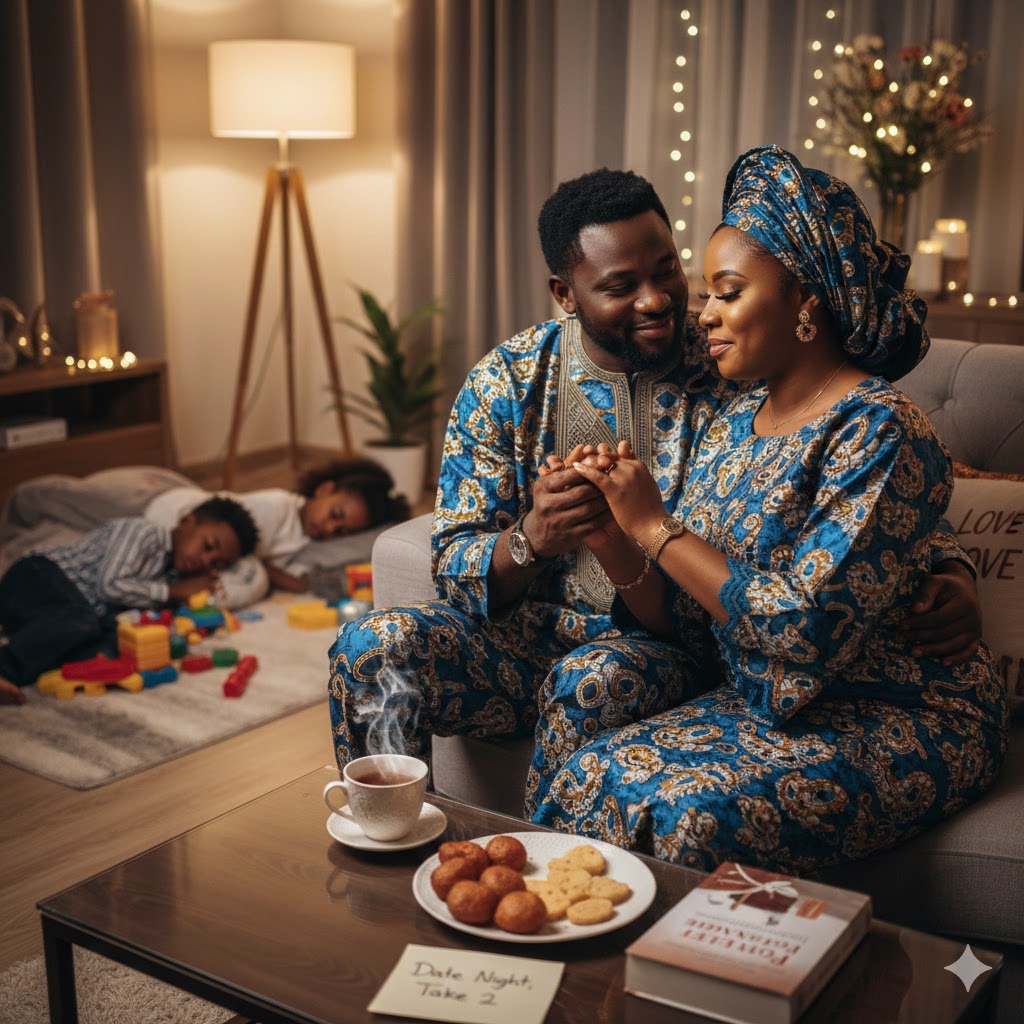
How to Keep the Romance Alive After Kids: A Practical Guide for Married Couples
Having children is one of the most beautiful milestones in marriage, but it is also one of the most disruptive. The arrival of kids changes everything—sleep patterns, finances, priorities, routines, and even how couples see each other. Many couples discover, sometimes painfully, that while they have become great parents, their romance has quietly faded into the background.
This experience is common and normal, especially in Nigeria, where parenting often comes with intense cultural expectations, limited support systems, and economic pressure. The challenge is not whether romance will change after children, but whether couples will intentionally preserve it.
Romance does not disappear because love is gone. It fades when attention, energy, and emotional connection are constantly redirected elsewhere. The good news is that romance can be revived, sustained, and even deepened after kids—when couples understand what has changed and respond deliberately.
Why Romance Often Declines After Children
Before addressing how to keep romance alive, it is important to understand why it often fades after children arrive. Parenting is physically demanding and emotionally consuming. Sleepless nights, childcare responsibilities, work pressure, and household demands leave little room for intimacy or spontaneous affection.
In many Nigerian homes, parenting responsibilities fall disproportionately on one partner, often the mother. Exhaustion, hormonal changes, and mental load reduce interest in romance. Meanwhile, the other partner may feel neglected or pushed aside, leading to emotional distance.
Cultural factors also play a role. In some settings, once children arrive, marriage becomes heavily centered on parenting and extended family expectations. Romance is sometimes viewed as secondary or even unnecessary. Over time, couples begin to function more like co-managers of a household than romantic partners.
Understanding these realities helps couples address the problem without blame.
Romance After Kids Requires Intention, Not Convenience
One of the biggest misconceptions about romance is that it should be effortless. Before kids, romance often flowed naturally because couples had more time, energy, and flexibility. After children, romance must be intentional.
Strong marriages do not wait for the “right time” to reconnect. They create time. They recognize that romance is not a luxury—it is a necessity for emotional bonding, marital satisfaction, and long-term stability.
Romance after kids looks different, but it is no less meaningful.
Reconnecting Emotionally Before Reconnecting Romantically
Romance is sustained by emotional connection. Many couples try to revive romance through physical intimacy alone, without addressing emotional distance. This often leads to frustration or rejection.
After kids, emotional intimacy must be rebuilt deliberately. This begins with conversation, empathy, and shared attention. Couples need space to talk about more than children, bills, and logistics. They need to talk about feelings, stress, dreams, fears, and personal experiences.
In Nigerian households where conversations are often practical and task-focused, emotional check-ins are especially important. Asking questions like “How are you really coping?” or “What has been hardest for you lately?” can reopen emotional doors that have quietly closed.
When emotional intimacy returns, romance feels safer and more natural.
Redefining Romance for the Parenting Season
Romance after kids may not look like long dates or spontaneous trips. It may look like small, consistent gestures that communicate love and desire.
Romance can be found in shared laughter after the children sleep, affectionate messages during the day, intentional compliments, or quiet moments together. It can be as simple as sitting together without phones, holding hands, or sharing a meal intentionally.
Couples who keep romance alive understand that romance evolves. They do not compare their current season to their pre-children phase. Instead, they find beauty in what is possible now.
Protecting Couple Time Without Guilt
One of the biggest barriers to romance after kids is guilt. Many parents feel guilty prioritizing their marriage over their children, believing that good parenting requires total self-sacrifice.
In reality, a strong marriage is one of the greatest gifts parents can give their children. Children thrive in homes where love, respect, and affection are visible.
In Nigeria, where childcare support may be limited, couples must be creative. This may mean scheduling time after children sleep, involving trusted family members occasionally, or creating rituals that belong only to the couple.
Protecting couple time is not selfish. It is essential.
Sharing the Parenting Load to Preserve Romance
Romance struggles when one partner is overwhelmed. When parenting responsibilities are uneven, resentment grows, exhaustion increases, and emotional availability declines.
Strong couples discuss parenting roles openly and adjust them as needed. Shared responsibility creates emotional goodwill and frees up energy for connection.
In many Nigerian homes, traditional gender expectations can complicate this conversation. However, couples who adapt roles to fit their reality, rather than rigid cultural norms, experience stronger emotional bonds and greater intimacy.
Romance thrives when both partners feel supported, not depleted.
Keeping Physical Affection Alive Beyond Sex
Physical affection often declines after children, especially when exhaustion sets in. Yet affection is not limited to sexual activity. Small acts of physical closeness maintain connection and desire.
Hugs, gentle touches, cuddling, and affectionate gestures reassure partners that they are still wanted. These actions are especially important in seasons when sexual frequency may decrease.
Couples who remain physically affectionate find it easier to maintain sexual intimacy when circumstances allow.
Communicating About Intimacy Without Pressure
After children, differences in sexual desire often emerge. Hormonal changes, stress, and fatigue affect libido, particularly for mothers. When couples avoid talking about this, misunderstandings and resentment grow.
Healthy couples discuss intimacy openly, without blame or pressure. They express needs honestly while remaining empathetic to each other’s limitations.
In Nigerian marriages, where conversations about sex may feel uncomfortable, learning to communicate respectfully about intimacy is crucial. Safe, honest dialogue prevents emotional distance and preserves trust.
Maintaining Individual Identity Within Marriage
Parenthood can consume identity. Couples who lose themselves entirely in parenting often struggle to reconnect romantically.
Strong marriages encourage individual growth alongside shared responsibility. Supporting each other’s interests, self-care, and personal goals keeps the relationship vibrant.
When partners feel fulfilled individually, they bring more energy and confidence into the marriage.
Managing Extended Family Influence
In Nigeria, extended family involvement can affect romance, especially after children. Constant visitors, unsolicited advice, and expectations can reduce privacy and emotional space.
Couples who protect their romance set respectful boundaries. They communicate as a team and prioritize their marriage without disrespecting family.
Romance needs privacy to survive.
Real-Life Nigerian Scenario
Tunde and Funke, married with three children in Lagos, found that their relationship had become purely functional. Conversations revolved around school fees, schedules, and family obligations. Physical affection had almost disappeared.
They decided to make small changes. They introduced nightly conversations after the children slept, sent affectionate messages during the day, and shared responsibilities more evenly. They did not suddenly regain their pre-children romance, but they rebuilt connection steadily.
Over time, intimacy returned—not as it once was, but deeper and more intentional.
Accepting That Romance Has Seasons
One of the most freeing truths for couples is accepting that romance has seasons. Some seasons are intense and passionate, others quiet and steady.
Strong marriages do not panic when romance changes. They adapt. They remain committed to connection, even when expression looks different.
Romance after kids is not about recreating the past. It is about building something new.
Choosing Each Other Daily
Ultimately, keeping romance alive after kids comes down to daily choice. Choosing to listen. Choosing to be affectionate. Choosing to communicate. Choosing to invest, even when tired.
Children grow. Demands change. But the marriage remains the foundation.
Couples who continue choosing each other build marriages that outlast seasons and deepen with time.
Conclusion
Romance does not disappear after children—it requires intention. In the midst of parenting demands, financial pressure, and cultural expectations, couples must deliberately nurture their connection.
In Nigerian marriages especially, where family and responsibility are deeply valued, romance must be protected, not postponed.
When couples commit to emotional connection, shared responsibility, affection, communication, and mutual respect, romance not only survives—it matures.
A marriage that keeps romance alive after kids becomes a source of strength, joy, and stability for the entire family.









.jpg)




Sign in to comment