 Nurturing Marriages, Enriching Families!
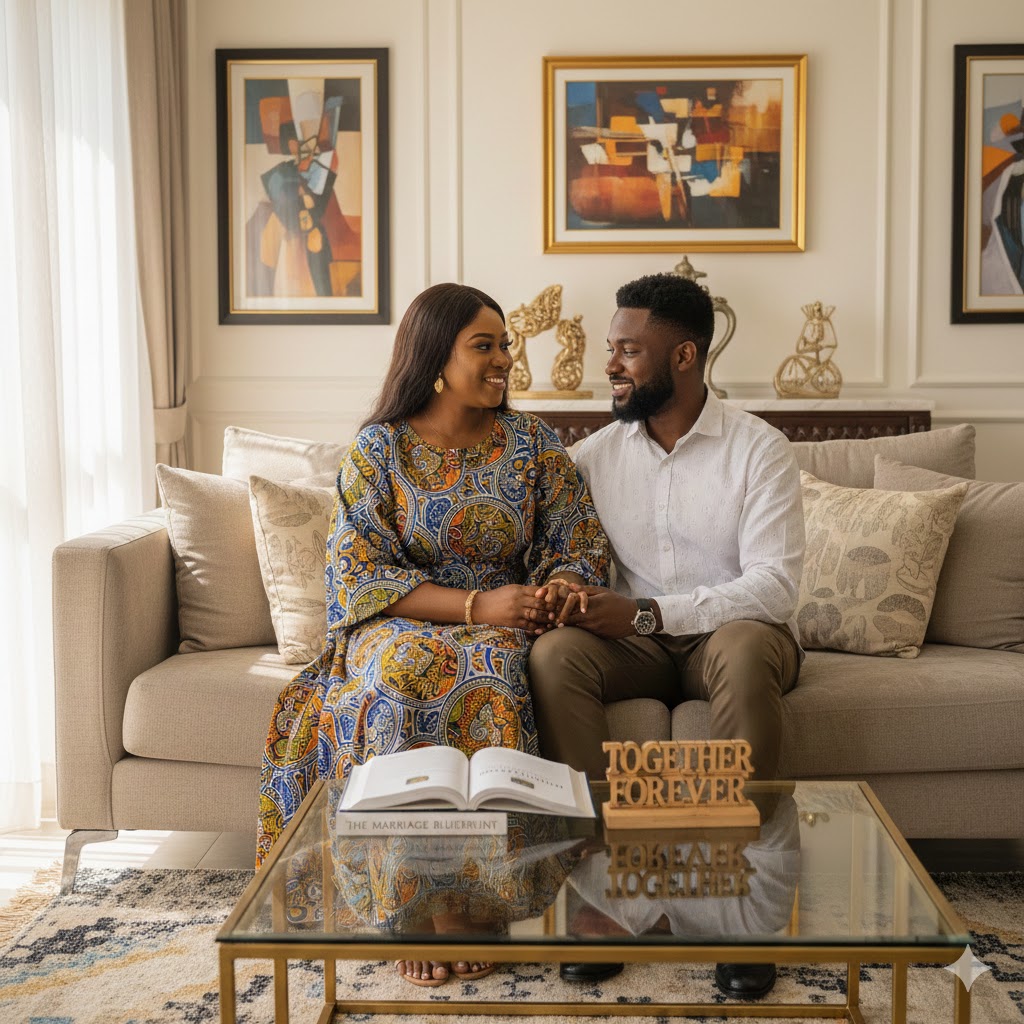
How to Know You’re Ready for Marriage
Marriage is one of the most important decisions a person will ever make. It shapes emotional well-being, family life, finances, faith, and legacy. Yet many people confuse the desire to get married with readiness for marriage. Wanting marriage is natural; being ready for marriage is intentional.
In Nigeria, readiness for marriage is often measured by age, financial stability, family pressure, or relationship length. While these factors matter, they do not automatically translate into preparedness for the realities of married life. Many marriages struggle not because couples lacked love, but because they entered marriage emotionally, mentally, or spiritually unprepared.
Knowing you are ready for marriage requires deep self-reflection, honesty, and maturity. It is not about perfection, but about preparedness.
Being ready for marriage begins with understanding what marriage truly demands. Marriage is not a solution to loneliness, financial struggle, sexual desire, or family pressure. It is a lifelong partnership that requires emotional resilience, communication, sacrifice, patience, and growth. When people enter marriage hoping it will fix their problems, those problems usually become worse.
One of the clearest signs of readiness for marriage is emotional maturity. Emotional maturity shows in how you handle stress, disappointment, and conflict. A person ready for marriage can express emotions without manipulation, listen without becoming defensive, and resolve disagreements without insults or withdrawal.
In many Nigerian relationships, emotional maturity is mistaken for silence or endurance. Someone may appear calm simply because they suppress emotions. However, readiness for marriage involves healthy emotional expression, not emotional avoidance. Being able to talk about feelings honestly and respectfully is essential for long-term intimacy.
Another strong indicator of readiness for marriage is self-awareness. This means understanding your strengths, weaknesses, triggers, values, and patterns in relationships. A person ready for marriage does not blame everyone else for past relationship failures. Instead, they reflect on what they learned and how they have grown.
Self-awareness also includes recognizing unresolved wounds. Childhood trauma, past betrayals, or broken relationships do not disappear simply because one gets married. If left unaddressed, they often resurface in marriage. Readiness means acknowledging these wounds and taking steps toward healing rather than expecting a spouse to fix them.
In Nigeria, cultural expectations often push people to marry before they are emotionally ready. Questions from family and community can create pressure to settle down quickly. However, readiness for marriage cannot be rushed by societal timelines. A marriage entered under pressure often carries resentment and regret.
Being ready for marriage also involves the ability to take responsibility. Marriage requires accountability not only for personal actions, but for shared decisions. Someone ready for marriage can admit mistakes, apologize sincerely, and make changes. A person who always shifts blame, avoids responsibility, or refuses to apologize may struggle with the demands of marriage.
Financial readiness is another important area, though it is often misunderstood. Being financially ready for marriage does not mean being wealthy. It means having a responsible mindset toward money. This includes honesty about income and expenses, willingness to plan, and the ability to manage resources without secrecy or recklessness.
Many Nigerian couples face financial pressure early in marriage. Readiness involves understanding that money will be a shared responsibility and that transparency is essential. A person who avoids financial conversations or hides financial issues may not yet be prepared for marriage.
Readiness for marriage is also reflected in how a person views commitment. Marriage requires consistency, loyalty, and perseverance. Someone ready for marriage does not view commitment as conditional on constant happiness. They understand that feelings fluctuate, but commitment remains.
In dating, this shows in how someone treats a partner during difficult moments. Do they withdraw when things get uncomfortable? Do they threaten to leave during conflict? Or do they work through challenges with patience? These patterns often continue into marriage.
Another key sign of readiness is having a realistic view of marriage. Many people carry romanticized expectations into marriage, believing love will always be exciting and effortless. Readiness involves understanding that marriage includes routine, sacrifice, compromise, and seasons of difficulty.
A person ready for marriage does not expect perfection from a spouse. They understand that two imperfect people are choosing to grow together. Unrealistic expectations often lead to disappointment and resentment.
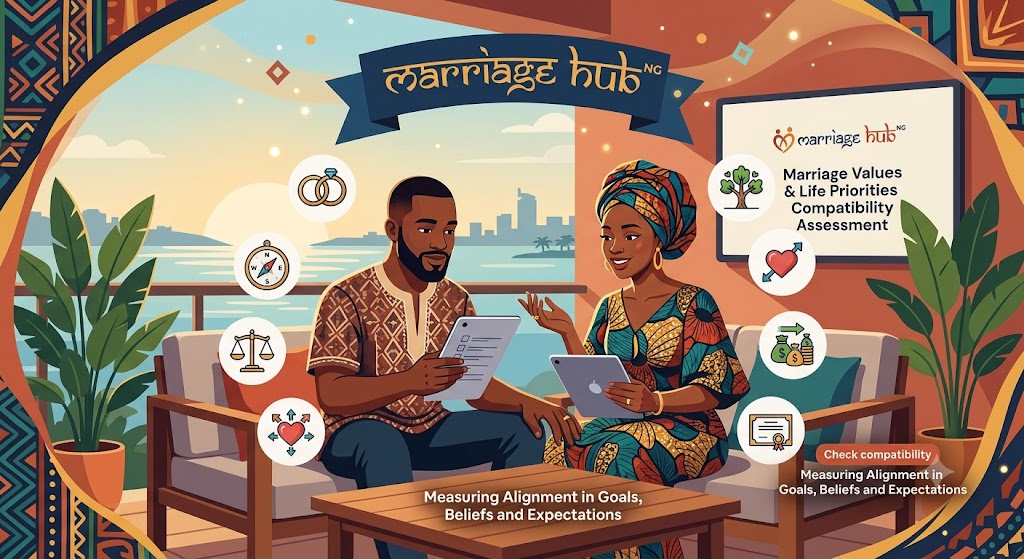
Shared values are also central to readiness. While couples do not need to agree on everything, alignment on core beliefs is crucial. This includes views on faith, family, children, finances, gender roles, and lifestyle. Readiness means being willing to discuss these issues openly rather than avoiding them.
In the Nigerian context, faith often plays a significant role. Readiness for marriage includes understanding how faith will influence daily life, decision-making, and conflict resolution. Couples who ignore these discussions during dating often struggle later.
Another sign of readiness is the ability to maintain healthy boundaries. This includes boundaries with family, friends, work, and even technology. Marriage requires prioritizing the relationship while still honoring other relationships appropriately.
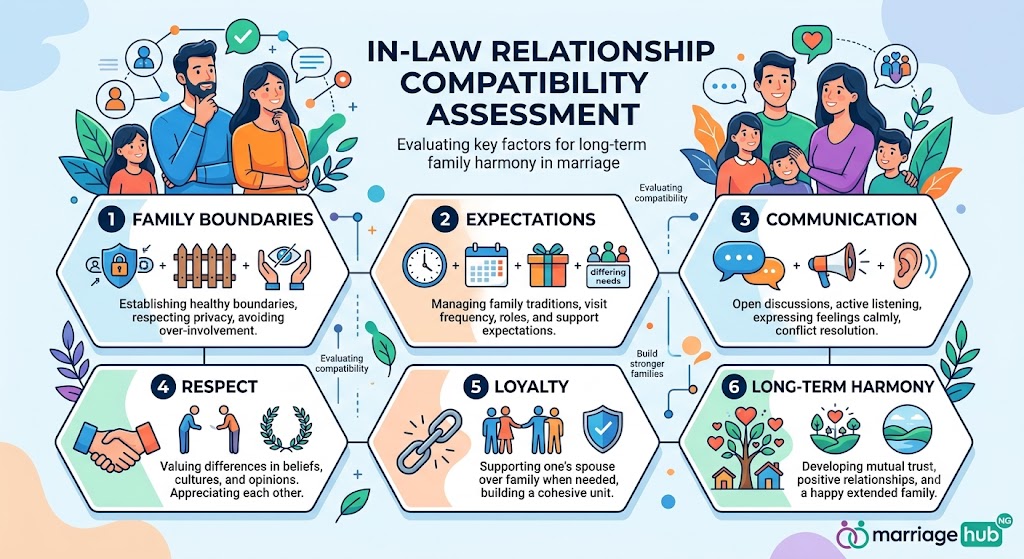
In Nigeria, extended family involvement is common. A person ready for marriage understands the importance of respecting family while also protecting the marital bond. Inability to set boundaries with relatives can create serious marital tension.
Emotional independence is also a marker of readiness. Being ready for marriage does not mean being emotionally dependent on a partner for happiness or identity. Healthy marriages are formed by two individuals who choose each other, not by two people who cannot function alone.
A person ready for marriage can enjoy companionship without losing themselves. They maintain friendships, interests, and personal growth while building a shared life.
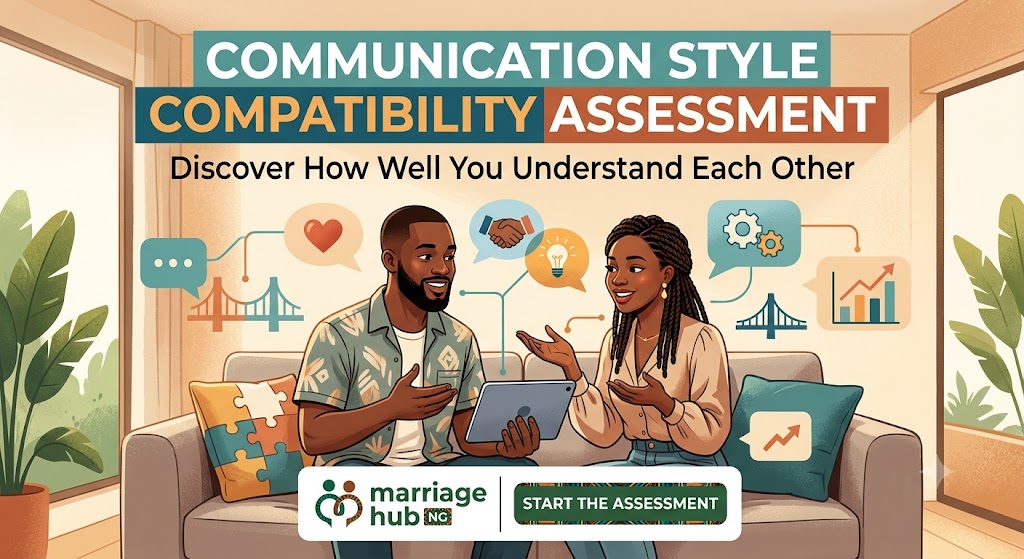
Communication skills are another crucial indicator. Marriage thrives on communication. Someone ready for marriage is willing to have difficult conversations, listen actively, and express needs clearly. Avoiding communication or using silence as punishment undermines intimacy.
In Nigerian culture, difficult conversations are sometimes avoided in the name of peace. However, readiness for marriage involves learning to address issues respectfully rather than suppressing them.
Readiness for marriage is also reflected in how someone handles forgiveness. Marriage involves mistakes, misunderstandings, and hurt. A person ready for marriage understands the importance of forgiveness and does not hold grudges indefinitely. They are willing to let go of resentment and choose healing.
Finally, readiness for marriage includes a sense of peace about the decision. While nervousness is normal, constant anxiety, doubt, or fear should not be ignored. Readiness is not about having all the answers, but about feeling grounded, secure, and intentional about the commitment.
Marriage is not a milestone to rush toward, but a covenant to prepare for. Knowing you are ready for marriage means understanding yourself, respecting the institution, and choosing partnership with wisdom rather than pressure.
When readiness guides the decision, marriage becomes not just a goal achieved, but a journey entered with clarity, maturity, and hope.



.jpg)
Sign in to comment