 Nurturing Marriages, Enriching Families!
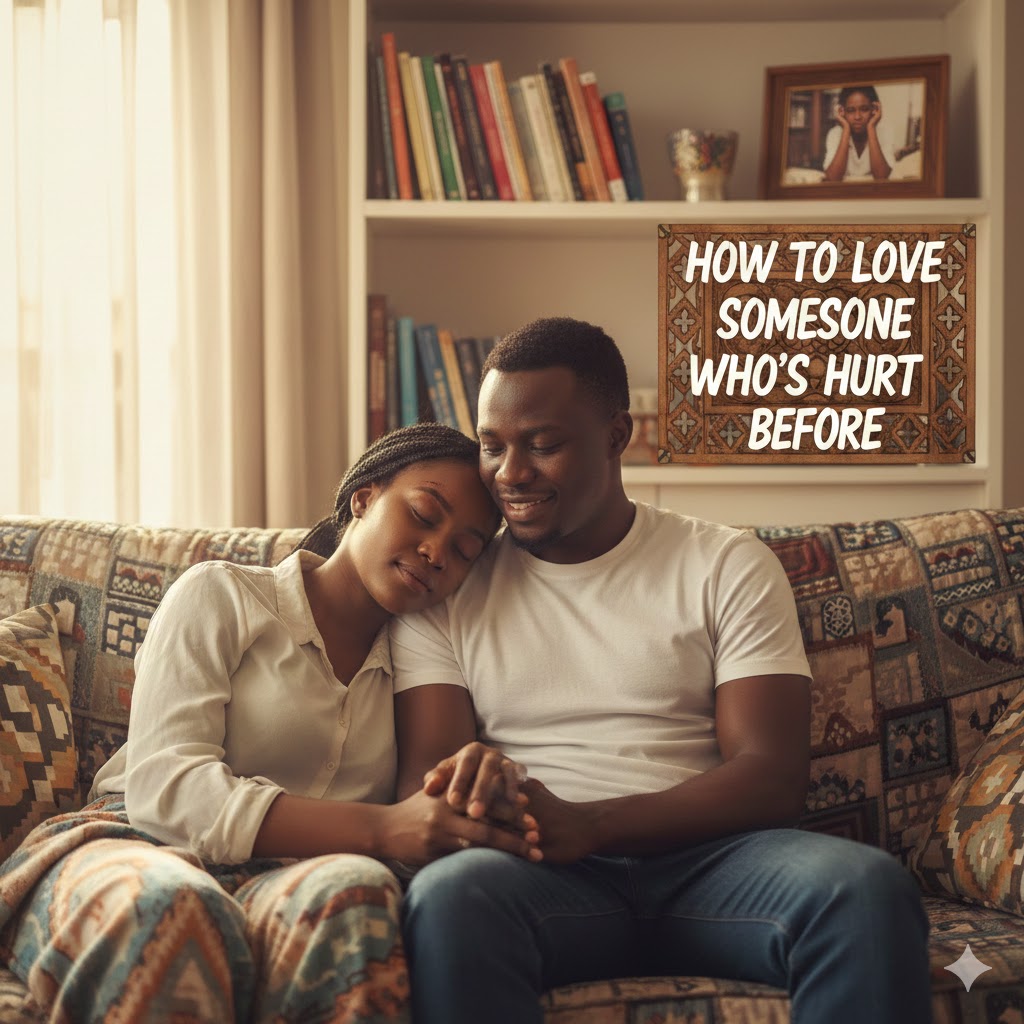
How to Love Someone Who’s Hurt Before: Building Trust, Safety, and Lasting Connection
Loving someone who has been deeply hurt before is both beautiful and challenging. Past emotional wounds—whether from betrayal, abandonment, abuse, or repeated disappointment—do not simply disappear when a new relationship begins. They shape how a person loves, trusts, communicates, and protects themselves.
In Nigeria, where many people grow up in environments that discourage emotional expression and prioritize endurance over healing, unresolved relationship trauma is common. When such individuals enter new relationships, they often carry invisible scars that affect intimacy, vulnerability, and trust.
Loving someone who’s hurt before requires patience, emotional intelligence, consistency, and empathy. It is not about fixing them; it is about creating a safe space where healing can occur naturally through respect, reliability, and love.
Understanding What It Means to Be “Hurt Before”
Emotional hurt can come from many sources. Some people have experienced cheating, broken engagements, emotional manipulation, abandonment, domestic violence, or repeated rejection. Others grew up in homes where love was conditional, unpredictable, or absent.
These experiences often lead to protective behaviors such as emotional withdrawal, fear of commitment, difficulty trusting words, hyper-vigilance, or sudden emotional shutdowns. In Nigerian relationships, such behaviors are sometimes misunderstood as pride, stubbornness, or emotional coldness, when in reality they are defense mechanisms.
Understanding that these reactions are rooted in pain—not disrespect—is the first step to loving someone who’s hurt before.
Why Loving a Wounded Partner Can Feel Difficult
Loving someone with past wounds can feel confusing because their reactions may not always match your intentions. You may feel like you are constantly proving yourself, walking on eggshells, or being punished for mistakes you did not make.
Common challenges include emotional walls, fear of vulnerability, trust issues, difficulty expressing needs, or testing behavior where the person subconsciously looks for signs that you will eventually hurt them too.
Without understanding, these dynamics can create frustration. With understanding, they become opportunities for deep emotional connection.
The Foundation: Safety Before Romance
For someone who has been hurt, emotional safety matters more than grand romantic gestures. Before passion can thrive, they must feel secure.
Safety is built through consistency. Keeping your word, showing up when you say you will, communicating clearly, and being emotionally present matter more than gifts or promises. In Nigerian culture, where actions often speak louder than words, this consistency is especially powerful.
Avoid hot-and-cold behavior, manipulation, or emotional games. These can reopen old wounds and reinforce fear.
Patience Is Not Optional
Healing does not follow a straight line. Someone may open up one day and shut down the next. This is not regression; it is part of the healing process.
Patience means allowing them to move at their own pace without pressure. Avoid ultimatums such as “If you really loved me, you would trust me by now.” Love grows where there is freedom, not force.
Patience also means not taking defensive reactions personally. Their fear is often about the past, not you.
Communication That Heals, Not Triggers
How you communicate matters deeply. People who have been hurt are sensitive to tone, dismissal, sarcasm, or emotional invalidation.
Instead of saying, “You’re overreacting,” try, “I see that this situation really hurt you.” Instead of “You’re too sensitive,” say, “Help me understand why this affected you.”
In Nigerian relationships, where emotional conversations are sometimes avoided, intentional, calm communication becomes a powerful healing tool.
Consistency Builds Trust Faster Than Promises
Someone who has been hurt may not trust words easily. They trust patterns.
Being emotionally consistent—showing the same care during conflict as you do during happy moments—helps rebuild trust. Apologize when you are wrong. Repair quickly after disagreements. Avoid silent treatment or emotional withdrawal as punishment.
Trust is rebuilt not by perfection, but by repair.
Do Not Try to Be the Healer
It is natural to want to “fix” someone you love, but healing is a personal journey. Your role is not to erase their past pain but to walk with them as they heal.
Encourage therapy, counseling, or mentorship if needed, especially in cases of deep trauma. Support them without taking responsibility for their healing process.
A healthy relationship consists of two whole individuals growing together, not one person carrying the emotional burden for both.
Set Healthy Boundaries for Yourself
Loving someone who is hurt does not mean tolerating disrespect, manipulation, or emotional abuse. Compassion should never require self-sacrifice.
Set clear boundaries about what behavior is acceptable. You can be understanding without excusing harmful actions. Healthy love balances empathy with self-respect.
In Nigeria, where endurance is often praised in relationships, it is important to remember that love does not require suffering.
Celebrate Small Wins
Healing shows up in small ways: a difficult conversation that doesn’t end in shutdown, a moment of vulnerability, or an apology that comes without defensiveness.
Acknowledge progress. Celebrate emotional growth. These moments matter more than dramatic milestones.
Real-Life Nigerian Scenario
Ayo had been cheated on twice before meeting Zainab. He struggled with trust and often questioned her loyalty. Instead of reacting defensively, Zainab chose calm reassurance, consistent behavior, and open communication. Over time, Ayo’s fear softened. He learned that love could be safe again—not because she convinced him with words, but because she showed him with actions.
When Love Alone Is Not Enough
Sometimes, love cannot heal wounds that require professional help. If past trauma is severely affecting the relationship, seeking counseling is not a failure—it is wisdom.
Marriage counselors, therapists, or faith-based mentors can help couples navigate complex emotional patterns safely and productively.
Loving Without Losing Yourself
You can love someone deeply and still protect your emotional well-being. Supporting someone’s healing should never mean neglecting your own needs.
Check in with yourself regularly. Ask whether the relationship feels nurturing or draining. Healthy love grows both people, not just one.
Conclusion: Love That Heals Is Gentle, Not Forceful
Loving someone who’s hurt before is not about rescuing them or proving your worth. It is about creating a safe emotional environment where trust can slowly grow.
With patience, consistency, empathy, and healthy boundaries, love becomes a place of healing rather than fear. In a world where many carry unseen wounds, choosing to love gently is one of the most powerful acts of intimacy.
True love does not rush healing. It walks alongside it.






.jpg)

Sign in to comment