 Nurturing Marriages, Enriching Families!
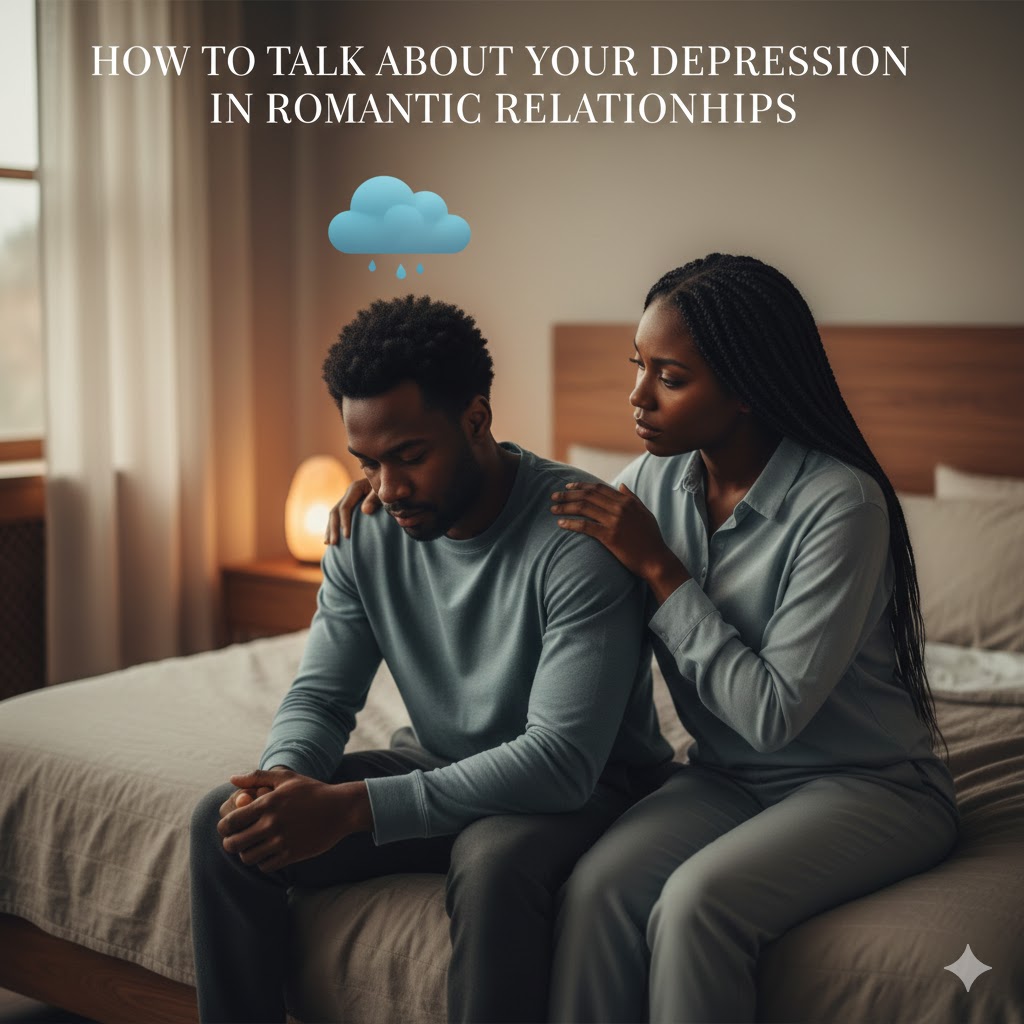
How to Talk About Your Depression in Romantic Relationships
Depression can feel isolating—even when you’re in a loving relationship. You may worry about being a burden, being misunderstood, or pushing your partner away. But learning how to talk about your depression in romantic relationships is one of the most powerful steps you can take toward emotional intimacy and long-term stability.
When handled with honesty, vulnerability, and clarity, these conversations can strengthen your bond rather than weaken it.
In this guide, we’ll explore how to open up about depression in a healthy way, what to say, what to expect, and how to build mutual understanding with your partner.
Why Talking About Depression Matters in a Relationship
Depression doesn’t just affect your internal world—it impacts communication, energy levels, physical intimacy, motivation, and emotional availability.
If left unspoken, your partner may misinterpret symptoms as:
-
Disinterest
-
Moodiness
-
Irritability
-
Withdrawal
-
Lack of effort
-
Loss of attraction
Open communication prevents misunderstandings. It helps your partner understand that your behavior is not rejection—it’s part of a mental health struggle.
Honesty fosters empathy. Silence often creates confusion.
Understanding Your Own Experience First
Before discussing depression with your partner, take time to reflect on:
-
How your depression shows up
-
What triggers your low periods
-
How it affects your behavior
-
What kind of support you find helpful
-
What makes it worse
This clarity allows you to communicate more effectively.
You don’t need to have everything figured out—but knowing your patterns helps you explain your needs.
Choose the Right Time to Talk
Timing matters.
Avoid starting this conversation:
-
During an argument
-
In the middle of a depressive episode
-
When your partner is distracted or stressed
Instead, choose a calm, private moment when you both feel emotionally available.
You might begin with:
“There’s something important about my mental health that I’d like to share with you.”
Framing the conversation intentionally signals that this is about connection—not conflict.
Be Honest but Clear
You don’t have to share every detail immediately. Start with the basics.
For example:
-
“I’ve been struggling with depression.”
-
“Sometimes I feel very low, even when things seem okay.”
-
“It affects my energy and mood more than I show.”
If you’re in treatment, you can mention that as well:
-
“I’m seeing a therapist.”
-
“I’ve been working on managing it.”
This reassures your partner that you’re aware and taking steps.
Explain How It Affects the Relationship
Partners often struggle because they don’t understand how depression changes behavior.
Be specific:
-
“When I withdraw, it’s not because I don’t care.”
-
“If I seem distant, I’m usually overwhelmed.”
-
“Low energy doesn’t mean I’m unhappy with you.”
This reduces misinterpretation.
Clarity protects emotional safety.
Ask for the Support You Need
Your partner is not a mind reader. If you need support, say so.
You might ask for:
-
Patience during low-energy days
-
Gentle check-ins instead of pressure
-
Reassurance when you feel insecure
-
Space when you feel overwhelmed
Example:
“When I’m having a hard day, it helps if you just sit with me instead of trying to fix it.”
Specific requests prevent frustration on both sides.
Prepare for Questions
Your partner may ask:
-
“How long have you felt this way?”
-
“Did I do something?”
-
“How can I help?”
-
“Is this permanent?”
Answer honestly, but remember you don’t have to have all the answers.
It’s okay to say:
“I’m still figuring it out.”
Depression is complex, and healing takes time.
Reassure Without Overpromising
It’s helpful to reassure your partner—but avoid making promises you can’t guarantee.
Instead of:
-
“It won’t affect us.”
-
“I’ll snap out of it.”
Try:
-
“I’m committed to working on it.”
-
“I care about our relationship deeply.”
-
“I don’t want this to come between us.”
Balance honesty with hope.
Address Fears of Being a Burden
Many people with depression fear overwhelming their partner.
It’s okay to say:
“I sometimes worry that this makes me hard to love.”
Vulnerability invites compassion.
Healthy relationships make space for mental health struggles. Love includes supporting each other during difficult seasons.
Encourage Mutual Dialogue
After sharing your experience, invite your partner to express how they feel.
Ask:
-
“How does this make you feel?”
-
“Is there anything you’re worried about?”
-
“What would make you feel supported too?”
Remember, depression affects both partners in different ways.
A two-way conversation builds teamwork.
Set Boundaries Around Responsibility
Your partner can support you—but they are not responsible for curing your depression.
Make this clear:
-
“I don’t expect you to fix this.”
-
“I’m responsible for getting help.”
-
“Your support matters, but this isn’t your burden to carry alone.”
This reduces pressure and protects relationship balance.
If You’re Dating Someone New
Opening up about depression in early dating stages can feel risky.
You don’t have to disclose everything immediately. But once the relationship becomes emotionally serious, honesty is important.
You might say:
“I want to be transparent—I’ve dealt with depression before.”
Healthy partners appreciate vulnerability.
If someone reacts with dismissal or stigma, that’s valuable information about compatibility.
Handling Negative Reactions
Not everyone responds perfectly.
If your partner reacts with:
-
Confusion
-
Fear
-
Minimizing your feelings
-
Overprotectiveness
Give them time to process.
You can gently educate them:
“Depression doesn’t mean I don’t love you. It just means my brain struggles sometimes.”
If your partner consistently invalidates your experience, you may need deeper discussions or professional guidance.
Maintain Open Communication Over Time
Depression is not a one-time conversation.
Keep your partner informed about:
-
Changes in your mood
-
Progress in therapy
-
Medication adjustments
-
Triggers or stressors
Regular check-ins prevent emotional distance.
You might say:
“I’ve been feeling better this week.”
“This month has been harder.”
Transparency strengthens trust.
Protect Your Partner’s Emotional Well-Being
While vulnerability is healthy, be mindful not to make your partner your only emotional outlet.
Maintain:
-
Professional support (therapy, counseling)
-
Friendships
-
Self-care routines
-
Personal coping strategies
Balanced support protects both individuals.
How Talking About Depression Can Strengthen Your Relationship
When approached with honesty and maturity, discussing depression can lead to:
-
Deeper emotional intimacy
-
Increased empathy
-
Better communication
-
Stronger teamwork
-
Greater emotional safety
Shared vulnerability often builds stronger foundations than surface-level perfection.
When Professional Support May Help
If depression is significantly affecting your relationship, consider:
-
Individual therapy
-
Couples counseling
-
Psychiatric support
-
Support groups
Professional guidance can help both partners navigate mental health challenges together.
Seeking help shows strength—not weakness.
Final Thoughts
Talking about depression in a romantic relationship can feel scary—but hiding it often causes more harm than openness.
Healthy love is not about being emotionally flawless. It’s about showing up honestly, even in vulnerability.
When you:
-
Communicate clearly
-
Ask for support
-
Respect boundaries
-
Take responsibility for your healing
You create space for compassion and growth.
Depression does not make you unworthy of love. And in the right relationship, your honesty can become a bridge—not a barrier.









.jpg)



Sign in to comment