 Nurturing Marriages, Enriching Families!
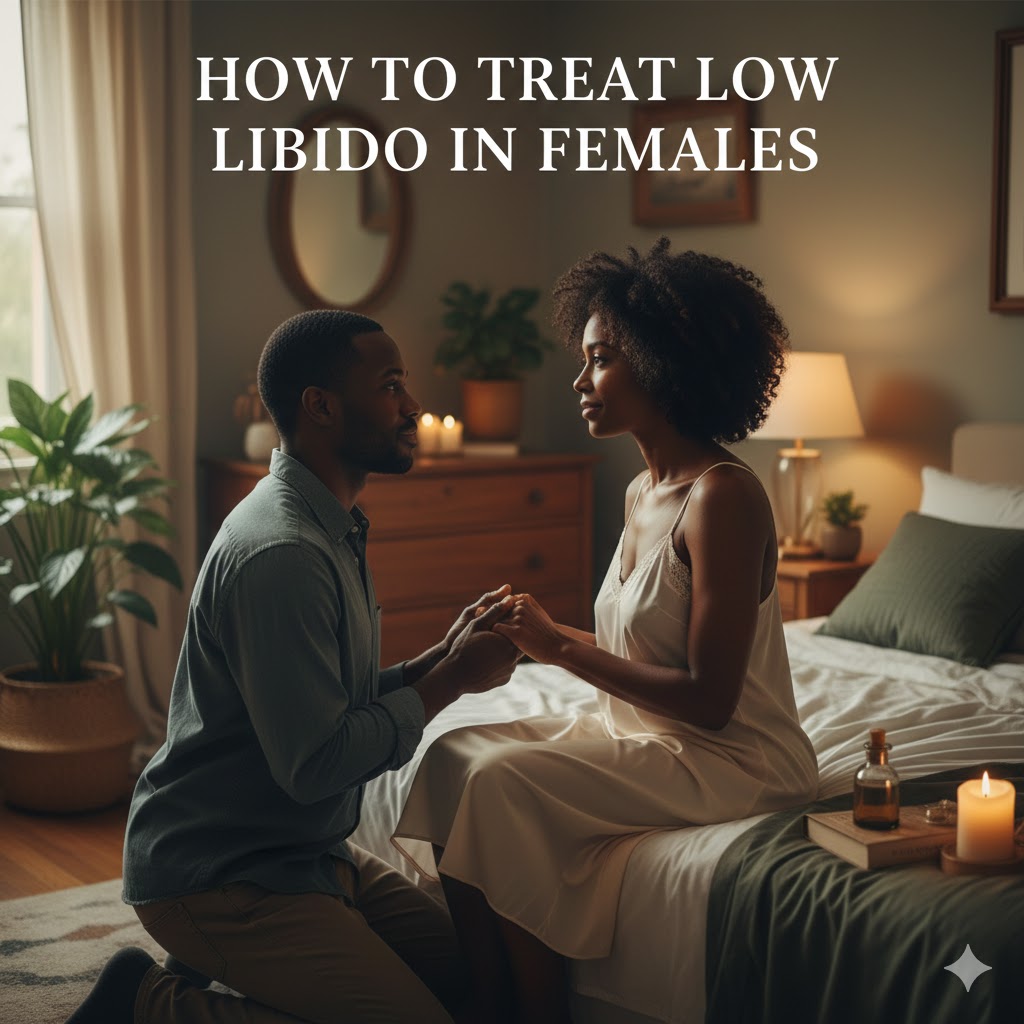
How to Treat Low Libido in Females: Nigerian Perspectives
Low libido in women is more common than many people realize, yet it remains a sensitive and often misunderstood topic—especially in Nigeria, where cultural expectations, religious beliefs, and societal norms heavily influence conversations around female sexuality.
Female sexual desire is complex. It is shaped by hormones, emotional well-being, relationship dynamics, stress levels, cultural upbringing, and physical health. When libido decreases, it can affect self-esteem, relationships, and marital satisfaction. However, low libido is treatable, and addressing it from both medical and cultural perspectives is essential.
This article explores the causes of low libido in Nigerian women and offers practical, culturally relevant solutions for treatment and recovery.
Understanding Low Libido in Women
Low libido, also known as low sexual desire, refers to a persistent lack of interest in sexual activity. While occasional fluctuations in desire are normal, ongoing low libido that causes distress may require attention.
Symptoms may include:
-
Reduced interest in intimacy
-
Difficulty becoming aroused
-
Avoidance of sexual contact
-
Feeling disconnected during intimacy
In Nigeria, many women may feel pressured to meet marital expectations while struggling silently with reduced sexual desire. Recognizing the issue is the first step toward healing.
Common Causes of Low Libido in Nigerian Women
1. Hormonal Changes
Hormones play a major role in sexual desire. Factors such as pregnancy, breastfeeding, menopause, and hormonal imbalances can reduce libido. Conditions like thyroid disorders or polycystic ovary syndrome (PCOS) may also affect sexual function.
After childbirth, many Nigerian women experience fatigue, body changes, and hormonal shifts that can temporarily lower sexual desire.
2. Stress and Economic Pressure
In Nigeria, women often balance multiple roles—career responsibilities, childcare, household duties, and extended family expectations. Financial stress, economic instability, and societal pressure can increase anxiety and emotional exhaustion.
Chronic stress raises cortisol levels, which can interfere with sexual hormones and decrease libido.
3. Cultural and Religious Influences
Cultural upbringing in many Nigerian communities does not encourage open discussions about female sexuality. Some women grow up associating sex with duty rather than pleasure.
Religious teachings, modesty expectations, and stigma around discussing sexual concerns may prevent women from seeking help. Shame and silence can worsen low libido over time.
4. Relationship Issues
Emotional intimacy strongly influences female desire. Common relationship-related causes include:
-
Poor communication
-
Unresolved conflict
-
Lack of emotional connection
-
Infidelity or betrayal
-
Feeling unappreciated or unsupported
In many Nigerian marriages, conversations about sexual dissatisfaction are avoided, which can deepen emotional distance.
5. Medical Conditions and Medications
Certain medical issues can affect libido, including:
-
Diabetes
-
Hypertension
-
Depression
-
Anemia
Additionally, some medications—especially antidepressants and hormonal contraceptives—may reduce sexual desire.
A proper medical evaluation is crucial before assuming the cause is purely emotional.
How to Treat Low Libido in Nigerian Women
Treatment requires a holistic approach that addresses physical, emotional, relational, and cultural factors.
1. Seek Medical Evaluation
The first step is consulting a qualified healthcare provider. A doctor can:
-
Check hormone levels
-
Screen for thyroid disorders
-
Evaluate underlying medical conditions
-
Review medications that may be affecting libido
In Nigeria, gynecologists and general practitioners can help identify medical causes and recommend treatment options.
2. Manage Stress Effectively
Stress reduction is essential for restoring sexual desire. Practical strategies include:
-
Regular physical exercise
-
Adequate sleep
-
Delegating household responsibilities
-
Setting boundaries with extended family
-
Practicing relaxation techniques such as deep breathing
Reducing daily pressure improves hormonal balance and emotional well-being.
3. Improve Emotional Intimacy in Marriage
Female libido is closely tied to emotional connection. Couples should prioritize:
-
Open communication about needs and concerns
-
Regular quality time together
-
Expressing appreciation and affection
-
Resolving conflicts respectfully
Marriage counseling or pastoral counseling can also help couples address intimacy issues in culturally appropriate ways.
4. Challenge Cultural Shame Around Sexuality
Many Nigerian women benefit from unlearning harmful beliefs about sexuality. Healthy sexual desire is not immoral or inappropriate within marriage.
Educational resources, faith-based counseling, and women’s support groups can help normalize conversations about intimacy. Breaking silence reduces shame and promotes healing.
5. Address Hormonal Changes
If hormonal imbalance is the cause, treatment options may include:
-
Hormone therapy (in menopausal women)
-
Treating thyroid disorders
-
Adjusting contraceptive methods
-
Managing PCOS or other endocrine disorders
Medical supervision ensures safe and effective treatment.
6. Exercise and Nutrition
Physical health significantly impacts libido.
Regular exercise improves:
-
Blood circulation
-
Hormone balance
-
Body image confidence
-
Energy levels
A balanced diet rich in fruits, vegetables, lean proteins, and healthy fats supports overall reproductive health.
Iron-rich foods are especially important in Nigeria, where anemia is common among women and can contribute to fatigue and low desire.
7. Therapy for Emotional or Psychological Causes
If trauma, anxiety, or depression contributes to low libido, professional therapy may be necessary.
Psychologists or licensed therapists can help address:
-
Past sexual trauma
-
Body image concerns
-
Depression and anxiety
-
Relationship conflicts
Mental health support remains underutilized in Nigeria, but awareness is growing. Seeking therapy is a sign of strength, not weakness.
8. Consider Natural Remedies Carefully
Some Nigerian women turn to herbal remedies or traditional aphrodisiacs. While certain herbs are believed to enhance libido, safety and effectiveness are not always scientifically proven.
Before using herbal supplements, consult a medical professional to avoid harmful side effects or drug interactions.
9. Rebuild Self-Confidence
Low libido can sometimes stem from poor body image or self-esteem. Societal beauty standards and postpartum body changes can affect confidence.
Ways to rebuild self-confidence include:
-
Engaging in self-care routines
-
Wearing clothes that make you feel attractive
-
Exercising regularly
-
Practicing positive self-talk
Confidence enhances sexual desire and satisfaction.
10. Involve Your Partner in the Process
Low libido is not just a “female problem.” It affects the relationship as a whole. Supportive partners play a crucial role in recovery.
Encourage open discussions without blame. A caring, patient approach fosters safety and emotional closeness, which can naturally improve desire.
When to Seek Professional Help
If low libido persists for several months and causes distress in your relationship, seek professional help. Warning signs include:
-
Ongoing avoidance of intimacy
-
Emotional detachment
-
Persistent sadness or anxiety
-
Marital conflict related to sex
Early intervention prevents further strain on the relationship.
Final Thoughts
Low libido in Nigerian women is influenced by a combination of hormonal, emotional, cultural, and relational factors. Addressing it requires compassion, education, and open communication.
Breaking cultural silence around female sexual health is essential. Women deserve safe spaces to discuss intimacy without shame or judgment. With proper medical care, emotional support, and relationship improvements, low libido can be treated effectively.
If you are experiencing low sexual desire, know that you are not alone—and help is available. Restoring libido is not just about improving intimacy; it’s about reclaiming confidence, connection, and overall well-being.









.jpg)


Sign in to comment