 Nurturing Marriages, Enriching Families!
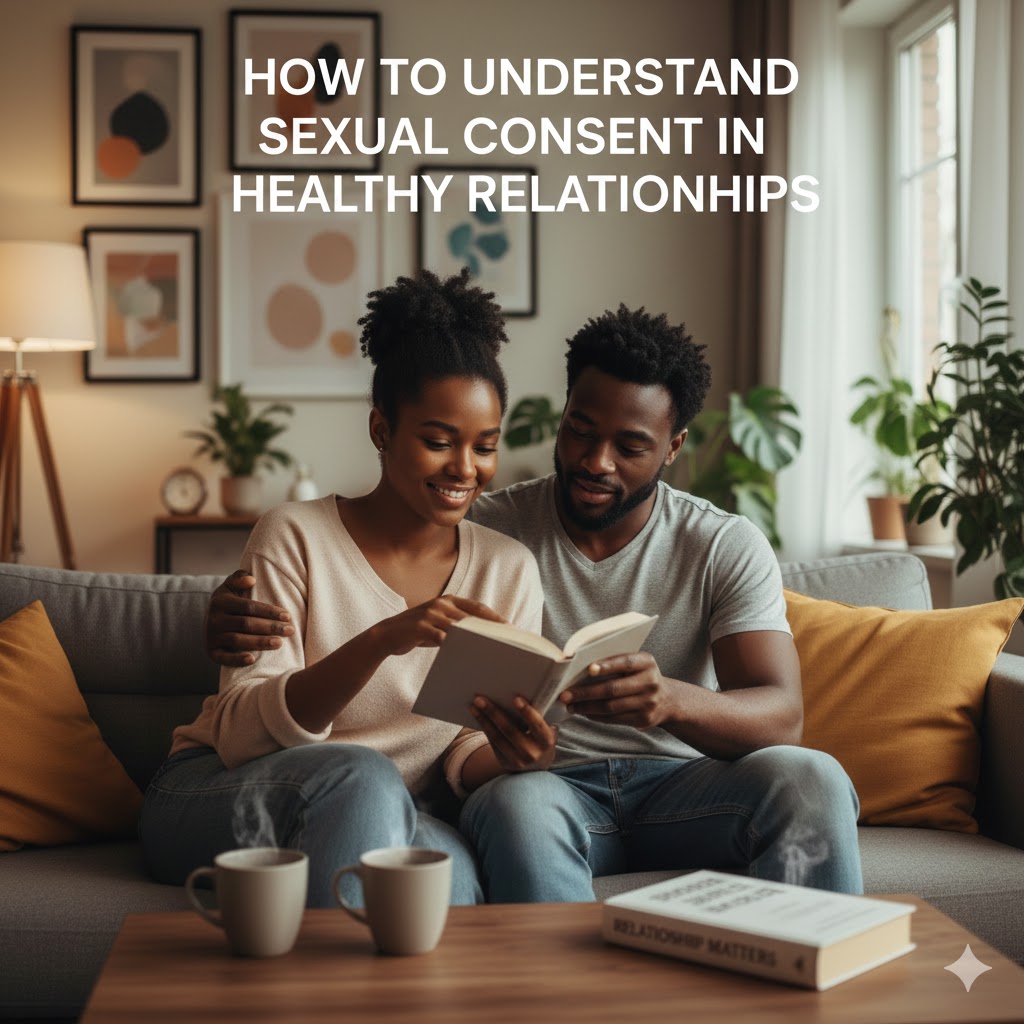
How to Understand Sexual Consent in Healthy Relationships
Sexual consent is one of the most important foundations of a healthy relationship. Yet many people still misunderstand what it truly means. Consent is not just about avoiding harm—it’s about building trust, safety, and mutual respect.
In healthy relationships, sexual consent strengthens emotional intimacy, protects personal boundaries, and ensures both partners feel valued. When consent is clearly understood and practiced, it deepens connection instead of creating confusion or pressure.
In this guide, we’ll break down what sexual consent really means, how to recognize it, how to communicate it, and why it is essential for lasting intimacy.
What Is Sexual Consent?
Sexual consent is a clear, voluntary, and enthusiastic agreement to engage in sexual activity. It must be:
-
Freely given
-
Informed
-
Ongoing
-
Specific
-
Reversible
Consent means both partners actively choose to participate without pressure, manipulation, fear, or coercion.
Importantly, consent is not the absence of “no.” It is the presence of a clear and willing “yes.”
Why Consent Matters in Healthy Relationships
Some people assume that consent is only relevant in new or casual encounters. That is not true. Consent remains essential in long-term relationships and marriages.
Even committed partners must ensure that:
-
Both individuals feel comfortable.
-
There is mutual desire.
-
No one feels obligated.
-
Emotional safety is preserved.
Healthy relationships prioritize respect over entitlement. No one “owes” sexual access—not even in marriage.
Consent Is Ongoing, Not a One-Time Agreement
One common misconception is that past consent guarantees future consent.
For example:
-
Agreeing once does not mean always agreeing.
-
Being married does not remove the need for consent.
-
Starting an activity does not mean it cannot stop.
Consent can be withdrawn at any time.
If someone says, “I’ve changed my mind,” that decision must be respected immediately.
What Enthusiastic Consent Looks Like
Healthy consent is enthusiastic and mutual. It often includes:
-
Clear verbal agreement (“Yes, I want to.”)
-
Active participation
-
Positive body language
-
Eye contact and engagement
-
Emotional openness
When both partners feel safe and excited, intimacy becomes a shared experience rather than a pressured one.
Silence, hesitation, or passive compliance are not signs of enthusiastic consent.
What Consent Does NOT Look Like
Understanding what consent is not is equally important.
Consent is not:
-
Giving in after repeated pressure
-
Feeling afraid to say no
-
Agreeing while intoxicated beyond clarity
-
Saying yes to avoid conflict
-
Being guilted into participation
-
Assuming consent because of previous encounters
If someone feels obligated or pressured, that is not healthy consent.
How to Ask for Consent Naturally
Some people worry that asking for consent will “ruin the mood.” In reality, it often enhances intimacy.
Consent does not have to sound formal. It can be simple and intimate:
-
“Is this okay?”
-
“Do you want to keep going?”
-
“How does this feel?”
-
“Are you comfortable?”
Tone matters. Asking gently shows care and attentiveness.
When partners check in with each other, it builds emotional trust.
Reading Non-Verbal Cues
While verbal consent is the clearest form, body language also provides signals.
Positive cues may include:
-
Leaning in
-
Active touch
-
Smiling
-
Verbal encouragement
Negative cues may include:
-
Stiffness
-
Turning away
-
Silence or withdrawal
-
Avoiding eye contact
-
Lack of response
If you notice uncertainty, pause and ask directly.
When in doubt, clarify.
The Role of Emotional Safety
Consent is deeply connected to emotional safety.
A partner may say yes but still feel:
-
Pressured
-
Insecure
-
Afraid of disappointing you
-
Concerned about consequences
True consent requires emotional freedom to say no without fear of rejection, anger, or punishment.
Healthy relationships create space where both partners feel safe expressing their needs.
Consent in Long-Term Relationships
In long-term partnerships, routines can sometimes blur boundaries.
It’s important to remember:
-
Familiarity does not eliminate the need for respect.
-
Desire levels fluctuate over time.
-
Stress, health, and life changes affect libido.
Regular communication helps maintain alignment.
Simple questions like, “How are you feeling about intimacy lately?” can open important discussions.
When Desire Levels Differ
In many relationships, partners have different levels of sexual desire.
This can create tension if not handled with sensitivity.
Consent in this context means:
-
Respecting differences without resentment
-
Avoiding pressure or guilt
-
Discussing needs openly
-
Finding compromises that feel safe for both
No one should feel forced to meet expectations beyond their comfort level.
Healthy intimacy is collaborative—not coercive.
How to Respond When a Partner Says No
Hearing “no” can feel disappointing. But your reaction matters.
Healthy responses include:
-
“Thank you for telling me.”
-
“That’s okay.”
-
“Let me know if you change your mind.”
-
Offering a hug or reassurance
Avoid:
-
Sulking
-
Withdrawing affection
-
Arguing
-
Guilt-tripping
-
Accusations
Respect builds trust. Pressure destroys it.
The Importance of Communication Outside the Bedroom
Consent conversations don’t always have to happen during intimacy.
Discussing expectations during calm moments can reduce misunderstandings.
You might talk about:
-
Boundaries
-
Preferences
-
Turn-ons and turn-offs
-
Emotional needs
-
Comfort levels
Open communication strengthens mutual understanding.
Cultural and Social Influences on Consent
In some cultures, conversations about sex may feel uncomfortable or taboo. This can make consent discussions harder.
However, regardless of cultural norms, respect and autonomy remain essential.
Healthy relationships adapt to ensure that both partners feel heard and valued—even if discussions require extra sensitivity.
Teaching Consent in Relationships
Consent should be part of relationship education from an early age. Understanding boundaries benefits:
-
Dating couples
-
Engaged partners
-
Married couples
-
Young adults navigating new relationships
Learning to respect boundaries builds emotional intelligence and long-term relationship success.
Red Flags That Indicate Unhealthy Consent Dynamics
Be alert to patterns such as:
-
One partner consistently feeling pressured
-
Fear of saying no
-
Anger when intimacy is declined
-
Using sex as a bargaining tool
-
Emotional manipulation tied to intimacy
If these patterns persist, professional support may be helpful.
Healthy consent always involves mutual respect.
Building a Consent-Centered Relationship
Here are practical steps to maintain a healthy approach:
-
Practice open communication.
-
Regularly check in about comfort levels.
-
Respect boundaries immediately.
-
Avoid assumptions.
-
Encourage honesty without punishment.
-
Recognize that consent is fluid.
When both partners feel empowered to speak openly, intimacy becomes safer and more fulfilling.
Final Thoughts
Understanding sexual consent in healthy relationships is not just about following rules—it’s about honoring each other’s humanity.
Consent creates:
-
Trust
-
Emotional safety
-
Mutual desire
-
Deeper intimacy
-
Stronger partnership
When both partners feel free to say yes or no without fear, intimacy becomes a shared experience rooted in respect.
Healthy relationships are built on communication, compassion, and choice. Sexual consent is not a barrier to passion—it is the foundation that makes passion safe and meaningful.










.jpg)


Sign in to comment