 Nurturing Marriages, Enriching Families!

How We Overcame Family Opposition to Get Married: A Nigerian Couple's Story
In Nigeria, marriage is never just a union of two individuals; it is a merger of two families, two lineages, and two communities. The blessing of parents and elders is not just a formality—it is often seen as the spiritual and social foundation upon which a successful marriage is built. So, what happens when the families object? When the people whose approval you crave the most are the very ones standing in the way of your happiness?
This is the story of how we, a Nigerian couple from different ethnic backgrounds, navigated the treacherous waters of family opposition. It is a story of heartbreak, patience, strategy, and ultimately, the triumph of love and understanding. It is a story for every couple in Nigeria who has ever felt torn between the one they love and the family they cherish.
The Beginning: A Love That Crossed Tribal Lines
Our story began in the bustling city of Lagos, far from our ancestral homes. I am Oluchi, an Igbo girl from a traditional family in Enugu. He is Tunde, a Yoruba boy from a respected family in Ibadan. We met at work, two young professionals navigating the corporate world. What started as a friendship over shared lunch breaks slowly blossomed into something deeper. We fell in love not despite our differences, but because of them. I loved his humour and his deep respect for his culture. He loved my passion and my strong family values.
For two years, we kept our relationship private, enjoying our own world. But we knew the day would come when we would have to face our families. We were naively optimistic. We thought, "We are both educated, both successful. Our parents will see that we love each other and give us their blessing." We could not have been more wrong.
The Opposition Begins: A Family Divided
The first conversation was with my mother. I travelled to Enugu, full of hope, to tell her about Tunde. Her reaction was immediate and devastating. She didn't even want to hear his name. "An Igbo man is not good enough for you?" she asked, her voice cold. "You will bring a Yoruba man into this house? What will our people say? What about your cousins who are waiting for you? You are throwing away your culture for a stranger."
I was crushed. I tried to explain, to tell her about his character, his ambitions, his love for me. But she wouldn't listen. To her, it was a betrayal of our lineage, our ancestors, our identity.
Tunde's family was not much different. When he told his father about me, the response was a flat, "No." His father had already picked out a "suitable" Yoruba girl from a "good" family in Ibadan. Tunde was expected to marry within the tribe, to preserve their heritage. His mother cried, begging him not to bring shame to the family name.
The Dark Days: Heartbreak and Doubt
The months that followed were the darkest of our relationship. We were both devastated. We loved our families deeply, and the thought of moving forward without their blessing felt impossible. We had countless tearful conversations. Should we give up? Should we walk away for the sake of family peace?
There were moments when we almost did. I remember one night, after a particularly painful call with my mother, I told Tunde, "Maybe this is too hard. Maybe we should let each other go." The pain in his voice when he said, "If you give up on us, you give up on me," stopped me. We realised that if we were to survive this, we had to face it together, as a team. We had to fight for our love, but fight smart.
The Strategy: Fighting for Love with Wisdom, Not War
We knew that open rebellion would only harden our families' hearts. Running away to get married would create a permanent rift. We wanted a marriage, not just a wedding. We wanted our families to be part of our lives, to welcome our children, to be the village we needed. So, we developed a strategy.
1. We Became a United Front
We agreed that we would never complain about each other's families to our own. I would never tell my mother about Tunde's father's harsh words, and he would never tell his father about my mother's rejection. We presented a united front to both families, always speaking of each other with respect and love. This prevented the situation from becoming an "us versus them" battle and kept the door open for future dialogue.
2. We Found Family Ambassadors
We identified one sympathetic person in each family—people who loved us and were open-minded. For me, it was my favourite uncle, my mother's younger brother, who had always been progressive. For Tunde, it was his elder sister, who lived in Lagos and understood the modern world. We confided in them, shared our story, and asked for their help.
They became our advocates, speaking to our parents on our behalf, translating our love into a language our parents could understand.
3. We Practiced Extreme Patience
We did not rush. We understood that this was a grieving process for our parents. They were mourning the dreams they had for us. We gave them time. We didn't cut off communication. I still called my mother every week, even when the conversations were painful. Tunde still visited Ibadan for family events. We showed them, through our consistent presence, that we were still their children, still loyal, still loving. Our love for them had not changed, even if our choice of partner had.
4. We Introduced Our Partner Through Actions, Not Arguments
We stopped trying to argue our case and started trying to demonstrate it. My uncle suggested that Tunde should start sending small, thoughtful gifts to my mother. Nothing extravagant. A nice wrapper from Lagos. A bag of her favourite fruits. A thoughtful message on her birthday, signed "Tunde." At first, she rejected them. But slowly, over many months, her resistance softened. She saw that this man, this "Yoruba boy," was treating her with the respect due to an Igbo mother.
Tunde's sister did the same. She would invite me to family events in Ibadan, where I would quietly show up, be respectful, greet everyone properly, and help in the kitchen. I learned a few Yoruba phrases. I showed them that I was not there to replace their culture, but to honour it. I was not taking their son away; I was adding to their family.
5. We Involved Respected Elders
After more than a year of this slow, patient work, the time came for a formal meeting. My uncle facilitated a meeting between my father and Tunde's father. It was a tense, formal affair, filled with proverbs and long silences. But it was a beginning. They talked, not about us, but about their own lives, their own histories. They found common ground. They were both fathers, both businessmen, both men who loved their children. That meeting broke a barrier that arguments never could have.
The Breakthrough: Acceptance and a New Beginning
The turning point came quietly. My mother called me one evening, not to argue, but to talk. She said, "Your uncle tells me this boy respects you. He has shown respect to me. Maybe I was wrong." I cried tears of relief. Tunde's father eventually gave his blessing after meeting me properly and seeing the respect I showed his family and his traditions.
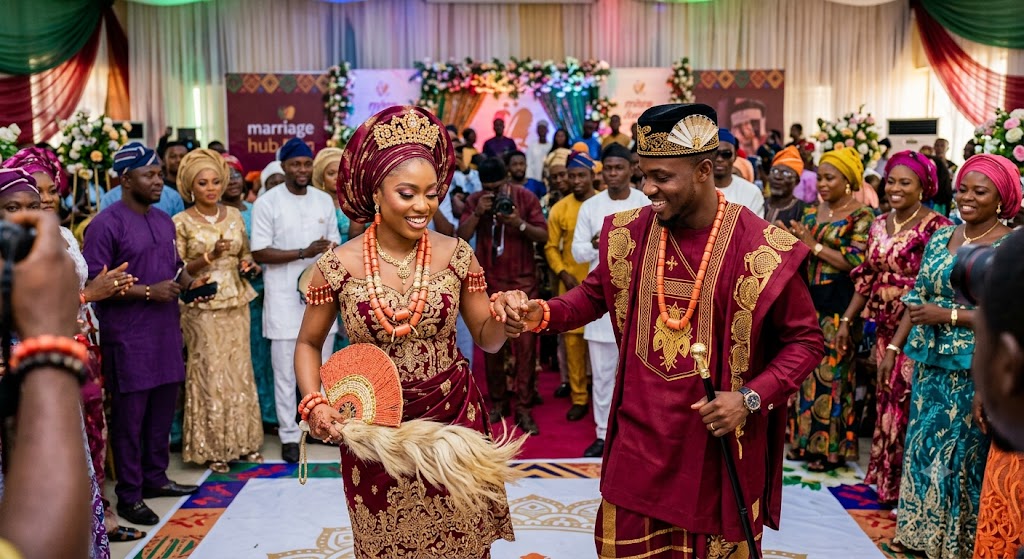
Our traditional wedding was a beautiful, unprecedented affair. It was held in my hometown in Enugu, but Tunde's family came in full force, dressed in their finest agbada. My mother, in a gesture that brought everyone to tears, draped Tunde in a traditional Igbo wrapper. Tunde's father, in return, placed a Yoruba cap on my head. It was a symbol of two families, once divided, now united by love.
Lessons Learned: Advice for Couples Facing Family Opposition
Our journey was long and painful, but it taught us invaluable lessons.
1. Understand Your Family's "Why"
Opposition rarely comes from pure malice. It comes from fear: fear of losing a child, fear of the unknown, fear of societal judgment, fear for your future. Understanding the root of their fear is the first step to addressing it. My mother feared I would be isolated and unhappy. Tunde's father feared losing his lineage. Once we understood the fears, we could address them with empathy.
2. Never Burn Bridges
No matter how hurtful your family's words are, resist the urge to cut them off or speak ill of them. You will need them later. Your words now will become walls later. Patience and respect, even in the face of rejection, keep the door open for reconciliation.
3. Find Your Allies
You cannot fight this battle alone. Find that one uncle, that one cousin, that one sibling who understands. They can speak to your parents in ways you cannot. They can be the bridge between your old life and your new one.
4. Demonstrate, Don't Just Declare
Telling your family that your partner is a good person is useless. Showing them, through consistent, respectful actions over time, is powerful. Let your partner's character speak for itself.
5. Be Prepared for a Long Journey
This is not a sprint; it's a marathon. It took us two years from the first conversation to the wedding day. You must be prepared for the long haul. Your patience and consistency will eventually wear down the walls of resistance.
6. Keep Your Relationship Strong
In the midst of the family drama, don't forget to nurture your relationship. This stress can tear you apart if you're not careful. Make time for each other, remind each other why you're fighting, and be each other's safe space. We scheduled regular "no-family-talk" dates where we just enjoyed being together.
The Reward: A Stronger Marriage
Today, we are married with two beautiful children. My mother and Tunde are incredibly close; he is the son she never had. Tunde's father dotes on our children and tells everyone about his wonderful Igbo daughter-in-law. The family opposition, which once felt like an insurmountable wall, has become the very thing that makes our family bond so strong. We know what it took to get here. We will never take our family unity for granted.
Our story is a testament to the power of patient, respectful love. It is possible to honour your family and your love. It is possible to build a bridge between two worlds. It just takes time, wisdom, and an unshakeable belief in the future you are building together.
Find Your Community and Support on MarriageHub.ng
If you are facing family opposition, know that you are not alone. MarriageHub.ng is here to provide the resources, community, and encouragement you need to navigate this difficult journey.
Connect with Others Who Understand
Share your experiences, ask for advice, and find hope from other Nigerian couples who have faced and overcome family opposition.
👉 Join Groups/Tribes: https://www.marriagehub.ng/all-groups
Create a Space for Your Specific Situation
Have a unique challenge? Start your own tribe and build a community around your specific questions and experiences.
👉 Create Your Own Tribe: https://www.marriagehub.ng/create-tribes-group
Find Resources and Expert Guidance
From communication guides to advice on navigating family dynamics, discover tools to help you build a strong foundation for your marriage.
👉 Shop the Marketplace: https://www.marriagehub.ng/marketplace
Follow us for daily inspiration and support!
📱 WhatsApp: https://whatsapp.com/channel/0029VbCav9MCcW4pw3GSM72w
🐦 X (formerly Twitter): https://x.com/MarriageHubNG
📘 Facebook: https://web.facebook.com/MarriageHubNigeria
📸 Instagram: https://www.instagram.com/marriagehubng3




.jpg)

Sign in to comment