 Nurturing Marriages, Enriching Families!
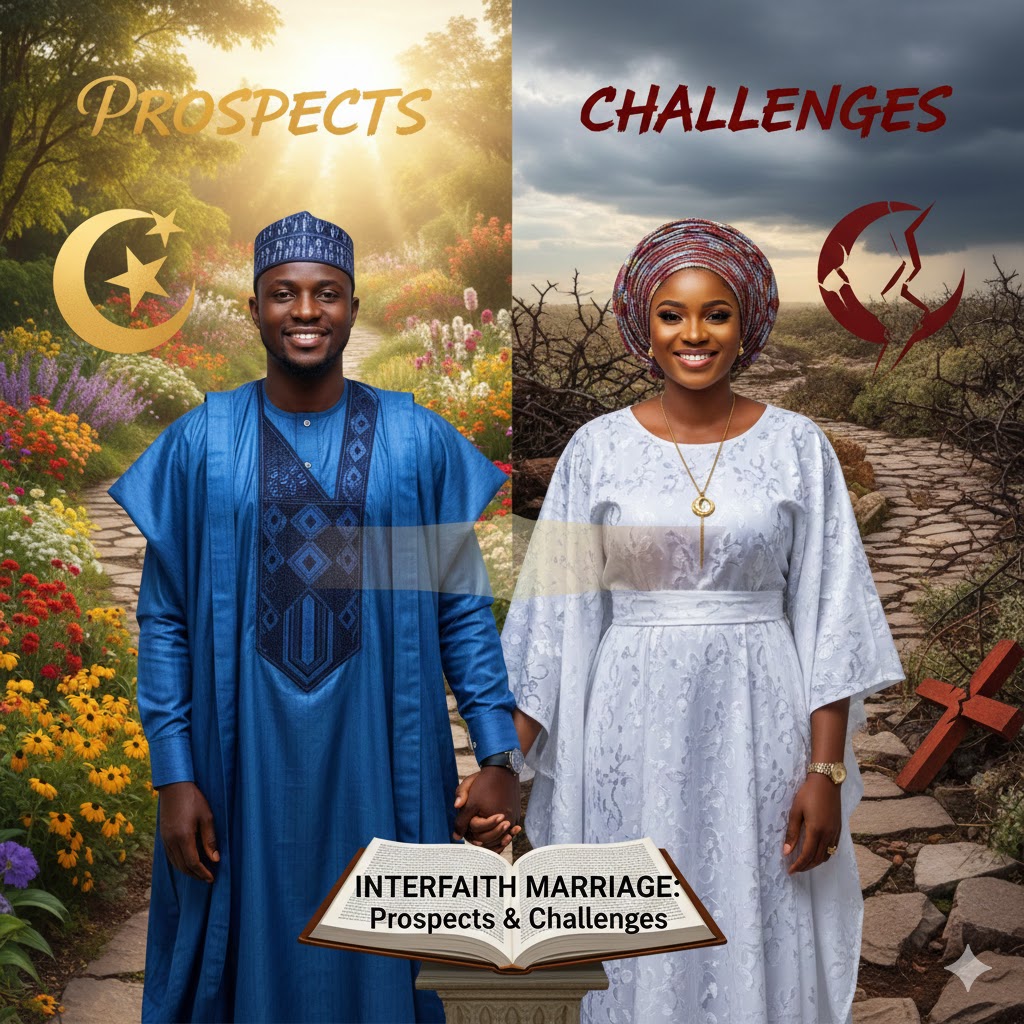
Interfaith Marriage: Prospects & Challenges
Interfaith marriage—where partners come from different religious backgrounds—is becoming increasingly common in Nigeria. As society becomes more interconnected through education, work, and social interaction, love often crosses religious boundaries. While interfaith marriages can be deeply enriching, they also come with unique challenges that require intentional effort, respect, and open communication.
Understanding both the prospects and the challenges of interfaith marriage helps couples make informed decisions and build resilient relationships rooted in mutual understanding.
Understanding Interfaith Marriage
An interfaith marriage is a union between two individuals who practice different religions or hold differing spiritual beliefs. In Nigeria, this often involves combinations such as Christianity and Islam, Christianity and traditional beliefs, or partners with varying levels of religious commitment.
Religion in Nigeria is not just a personal belief system; it shapes values, family traditions, community identity, and social expectations. As a result, interfaith marriages extend beyond the couple and often involve families, religious institutions, and communities.
Prospects of Interfaith Marriage
Interfaith marriages can foster deep personal growth and broaden perspectives. Partners are often exposed to different ways of worship, moral reasoning, and cultural practices. This exposure can encourage empathy, tolerance, and a deeper appreciation of diversity.
Such marriages also promote strong communication skills. Couples must discuss beliefs, values, and expectations early and often, which can strengthen emotional intimacy. When handled well, these conversations lead to mutual respect and a stronger partnership.
Interfaith marriages can also model unity in diversity for society. In a country like Nigeria, where religious differences sometimes fuel division, successful interfaith marriages demonstrate that peaceful coexistence and shared values are possible despite doctrinal differences.
Additionally, couples often develop a strong sense of intentionality. Because interfaith marriages require deliberate planning around worship, holidays, and family traditions, partners tend to be more conscious about decision-making and compromise.
Challenges of Interfaith Marriage
Despite their potential benefits, interfaith marriages face significant challenges, particularly in religiously sensitive societies like Nigeria.
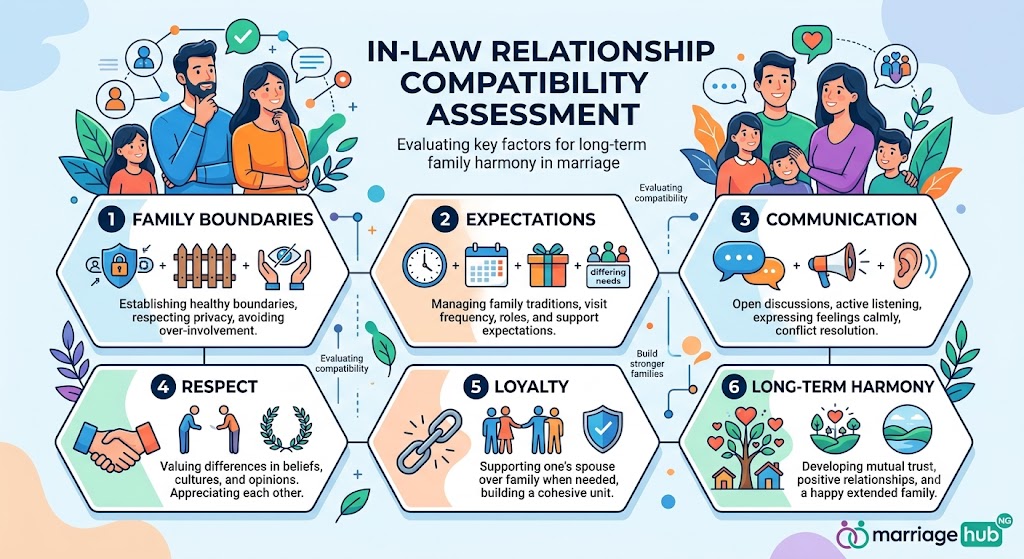
One of the most common challenges is family and community pressure. Extended family members may oppose the union, fearing religious dilution, social stigma, or conflict over children’s upbringing. In some cases, families may insist on conversion or impose conditions before offering acceptance.
Another major challenge is differences in belief systems and practices. Disagreements may arise over prayer routines, religious obligations, dietary rules, moral expectations, or participation in religious events. If not addressed early, these differences can lead to resentment.
Raising children is often the most sensitive issue. Decisions about which faith to teach, where children will worship, and how religious values will be instilled can become points of tension. Without clear agreements, couples may find themselves in recurring conflict.
Religious holidays and rituals can also create strain. Celebrating different holy days or observing distinct traditions requires flexibility and understanding. Without mutual respect, these differences may feel divisive rather than enriching.
Finally, personal faith identity may become a source of internal struggle. One or both partners may feel torn between loyalty to their faith and commitment to the marriage, especially when pressured by religious leaders or family elders.
Real-Life Nigerian Scenario
Aisha, a Muslim woman from Ilorin, married Emeka, a Christian man from Enugu. While they shared values of honesty, family, and mutual respect, their families initially resisted the marriage. Both families worried about religious influence on future children and community perception.
Through open dialogue, counseling, and firm boundary-setting, Aisha and Emeka agreed on shared moral values, respected each other’s worship practices, and decided to expose their children to both faiths while allowing them to choose as they grew older. Though challenges remained, their intentional approach helped them build a peaceful and loving home.
Keys to Making Interfaith Marriage Work
Successful interfaith marriages are not built on ignoring differences but on managing them wisely.
Open and honest communication is essential. Couples must discuss faith expectations before marriage, including worship practices, children’s upbringing, and boundaries with extended family.
Mutual respect is non-negotiable. Each partner must feel safe practicing their faith without ridicule or coercion. Respect does not require agreement but demands empathy and acceptance.
Setting clear boundaries with families helps protect the marriage. Couples must present a united front and make joint decisions rather than allowing external pressure to dictate marital choices.
Seeking counseling—especially from professionals experienced in interfaith dynamics—can provide tools for navigating sensitive conversations and resolving conflicts constructively.
Spiritual and Emotional Balance
Some interfaith couples find common ground in shared spiritual values such as love, compassion, honesty, and service to others. Focusing on these shared principles helps bridge doctrinal gaps and strengthens emotional connection.
Others create blended family traditions that honor both faiths, fostering inclusivity and respect within the home.
Conclusion
Interfaith marriage offers both promise and complexity. While it can broaden perspectives, strengthen communication, and model unity, it also demands intentional effort, mutual respect, and resilience.
In Nigeria’s deeply religious and culturally rich society, interfaith marriages must be approached thoughtfully. Couples who acknowledge challenges early, communicate openly, and prioritize respect are better equipped to build lasting and harmonious relationships.
When love is paired with understanding and commitment, interfaith marriages can thrive, becoming powerful examples of unity in diversity.




.jpg)
Sign in to comment