 Nurturing Marriages, Enriching Families!

Intimacy and Emotional Connection After Marriage: A Real Nigerian Story of Love, Struggles, and Rediscovery
Marriage is often celebrated with grand weddings, colourful aso-ebi, beautiful pre-wedding shoots, and unforgettable receptions. But after the music fades and the guests go home, a deeper journey begins — the journey of intimacy and emotional connection after marriage.
For many Nigerian couples, this phase is both beautiful and challenging. This is the story of how my husband and I learned that intimacy is not just physical; it is emotional, spiritual, and deeply intentional.
The Wedding Glow and the Reality Check
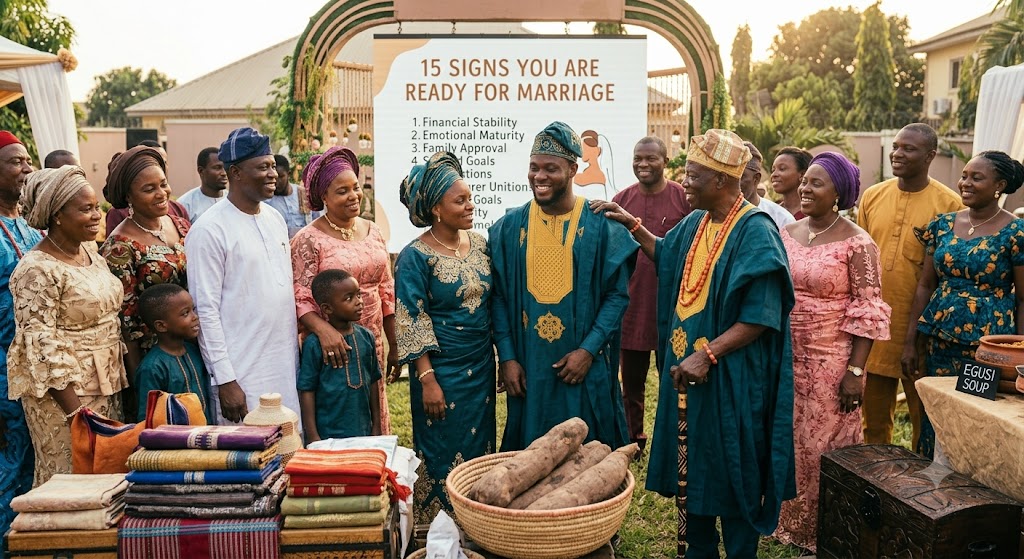
When Tunde and I got married in Lagos, everything felt magical. Our traditional wedding in Ibadan was vibrant and filled with family, prayers, and laughter. The white wedding followed a week later at our church in Surulere. We were excited, hopeful, and deeply in love.
The first few months were sweet. We talked late into the night. We laughed about small things. We explored our new life together in our small rented apartment in Yaba.
But by the sixth month, reality began to set in.
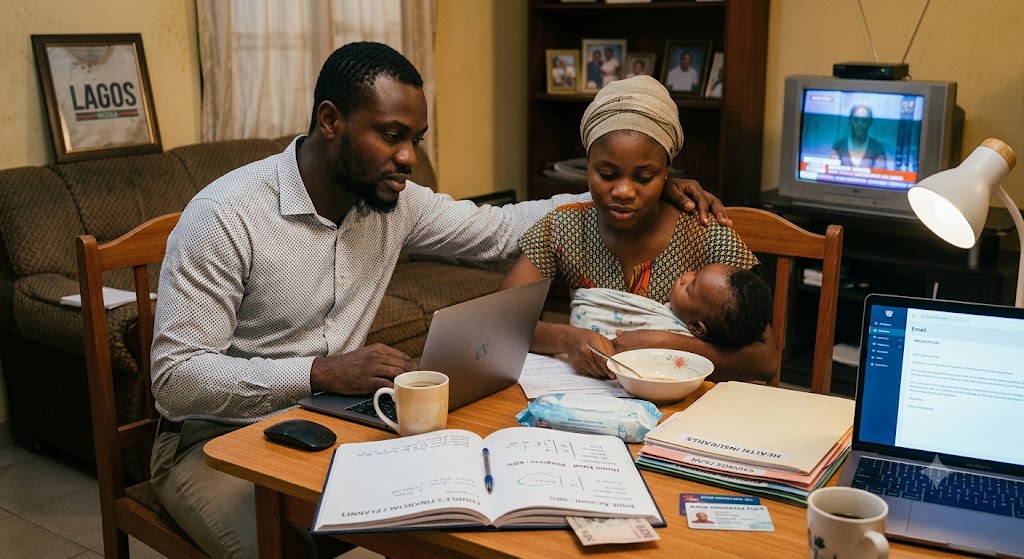
Work pressure increased. Tunde’s job in banking demanded long hours. I was running a small fashion business and trying to grow my brand online. Bills came consistently — rent, electricity, fuel, food, family responsibilities. Suddenly, we were tired more often than we were excited.
Our conversations shifted from “I miss you” to “Did you pay the electricity bill?”
We were living together, but somehow we started drifting emotionally.
When Physical Intimacy Started to Change
One thing people rarely talk about openly in Nigerian marriages is how intimacy changes after the honeymoon phase. At first, everything felt new and exciting. But as stress increased, we noticed that physical intimacy became less frequent.
It wasn’t because we didn’t love each other.
It was exhaustion.
It was unspoken frustration.
It was emotional distance.
There were nights when we would lie in the same bed, both on our phones, scrolling silently. We were close physically, but emotionally miles apart.
And the truth is this: emotional connection fuels physical intimacy.
Without emotional closeness, physical intimacy begins to feel like a routine instead of a bond.
The Silent Expectations
In our culture, many couples enter marriage with silent expectations. The man expects respect, admiration, and peace at home. The woman expects emotional support, attention, and reassurance.
But no one teaches you how to communicate those expectations clearly.
I expected Tunde to notice when I was overwhelmed without me saying it. He expected me to understand his stress without him explaining.
We both assumed love should automatically translate into understanding.
It doesn’t.
Marriage requires intentional communication.
The Breaking Point
Our turning point came one evening after a small argument about something trivial — food. I had prepared dinner late because of a difficult client. Tunde came home tired and hungry. Words were exchanged. The argument escalated.
In the middle of it, I said something that shocked even me:
“I feel lonely in this marriage.”
The room went quiet.
He looked at me, confused. “Lonely? We live together.”
But living together is not the same as being emotionally connected.
That night, instead of sleeping angrily, we talked. Really talked. No phones. No distractions.
For the first time in months, we spoke honestly about how we felt — the pressure, the fears, the expectations, the exhaustion.
And we realised something important:
We were not enemies. We were two tired people who forgot to nurture their connection.
Understanding Emotional Intimacy
Emotional intimacy means feeling safe enough to be vulnerable with your spouse. It means sharing fears, dreams, insecurities, and struggles without fear of judgment.
In Nigerian homes, vulnerability is not always encouraged — especially for men. Tunde grew up believing that a man must be strong at all times. Admitting stress felt like weakness to him.
I grew up believing that a good wife must endure quietly.
Those beliefs were hurting our connection.
When we began to share openly, something shifted. Tunde admitted he felt pressured to meet financial expectations from extended family. I admitted I felt overwhelmed trying to be a “perfect wife” while building my career.
Suddenly, intimacy returned — not just physically, but emotionally.
Rebuilding Physical Intimacy with Intentionality
We learned that intimacy doesn’t just happen naturally after marriage. It must be nurtured intentionally.
Here are some things that helped us:
1. Scheduled Quality Time
At first, it felt awkward to “schedule” time together. But we realised if we didn’t plan it, work would always take over.
We created Friday night as our “us night.” Sometimes we ordered suya and watched a movie. Sometimes we just talked. No work discussions allowed.
Consistency rebuilt closeness.
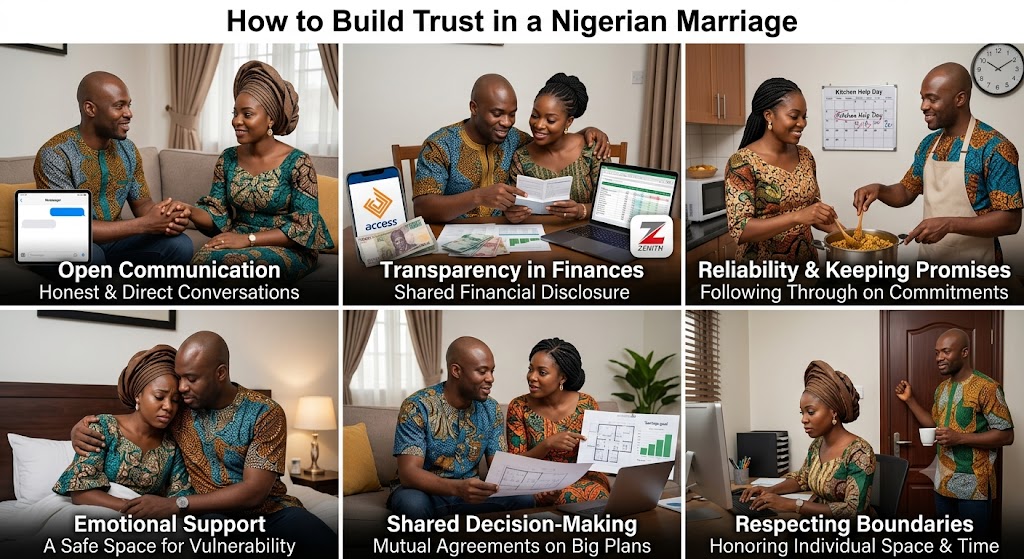
2. Daily Check-Ins
Instead of only discussing bills and responsibilities, we began asking each other simple questions:
-
How was your day emotionally?
-
What stressed you today?
-
How can I support you tomorrow?
These small conversations built emotional safety.
3. Physical Affection Beyond Sex
Holding hands.
Quick hugs in the kitchen.
Sitting close while watching TV.
Physical affection without pressure helped restore warmth in our relationship.
Faith and Spiritual Connection
As a Christian couple, we realised we had neglected praying together. During courtship, we prayed frequently. After marriage, life became busy.
When we resumed praying together — even short five-minute prayers before bed — our connection deepened. Spiritual intimacy created emotional unity.
For couples of any faith, shared spiritual practices can strengthen bonds. It creates a sense of partnership beyond daily struggles.
Addressing Cultural Pressures
In Nigeria, extended family expectations can strain intimacy. Financial demands, constant visits, and external opinions can create tension between couples.
We had to learn boundaries.
We agreed that our marriage comes first. Supporting family is important, but not at the expense of our peace.
Protecting your emotional space as a couple is essential for intimacy.
Learning Each Other’s Love Languages
Another breakthrough came when we understood that we expressed love differently.
Tunde showed love through provision. Paying bills on time was his way of saying “I care.”
I needed words of affirmation and quality time.
When we understood this, misunderstandings reduced. He began complimenting me more intentionally. I began appreciating his efforts verbally.
Intimacy thrives when partners feel seen and valued.
When to Seek Help
There is no shame in seeking counselling if intimacy challenges persist. Many Nigerian couples avoid therapy because of stigma.
But professional guidance can help couples communicate better and resolve deeper emotional wounds.
Sometimes, intimacy struggles stem from past trauma, unresolved conflicts, or unrealistic expectations. Seeking help is a sign of commitment, not failure.
The Beauty of Growing Together
Today, our marriage is not perfect — but it is deeper.
We still face stress. We still argue sometimes. But now we understand that intimacy requires effort.
We prioritise connection over ego.
We communicate instead of assuming.
We choose each other daily.
Intimacy after marriage is not about constant passion. It is about consistent emotional availability.
It is about choosing vulnerability over pride.
It is about listening more than defending.
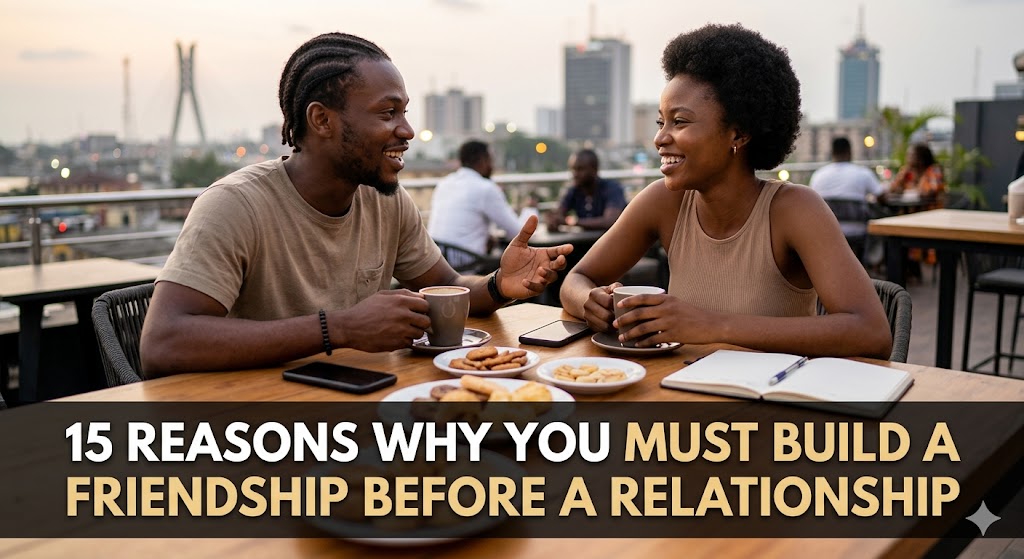
It is about nurturing friendship alongside romance.
Practical Lessons for Nigerian Couples
If you are newly married or struggling with emotional connection, here are key lessons from our journey:
-
Do not ignore small emotional gaps.
-
Communicate expectations clearly.
-
Protect your marriage from excessive external interference.
-
Make time for each other intentionally.
-
Prioritise emotional safety.
-
Understand that intimacy evolves — and that’s normal.
Marriage in Nigeria comes with unique cultural, financial, and social pressures. But emotional intimacy can survive and thrive when both partners are willing to work at it.
Final Thoughts
Many couples think intimacy should be automatic after saying “I do.” But the truth is, intimacy is a daily choice.
It is built in conversations.
It grows in shared laughter.
It deepens in vulnerability.
It survives through forgiveness.
If you feel emotionally distant in your marriage, know that reconnection is possible.
Sometimes, all it takes is one honest conversation to begin again.
Tunde and I almost allowed stress to steal our closeness. Instead, we chose to fight for our connection.
And that decision changed everything.
Marriage is not just about living together. It is about growing together — emotionally, spiritually, and physically.
Intimacy is not a destination; it is a journey.
And it is worth taking.









.jpg)


Sign in to comment