 Nurturing Marriages, Enriching Families!
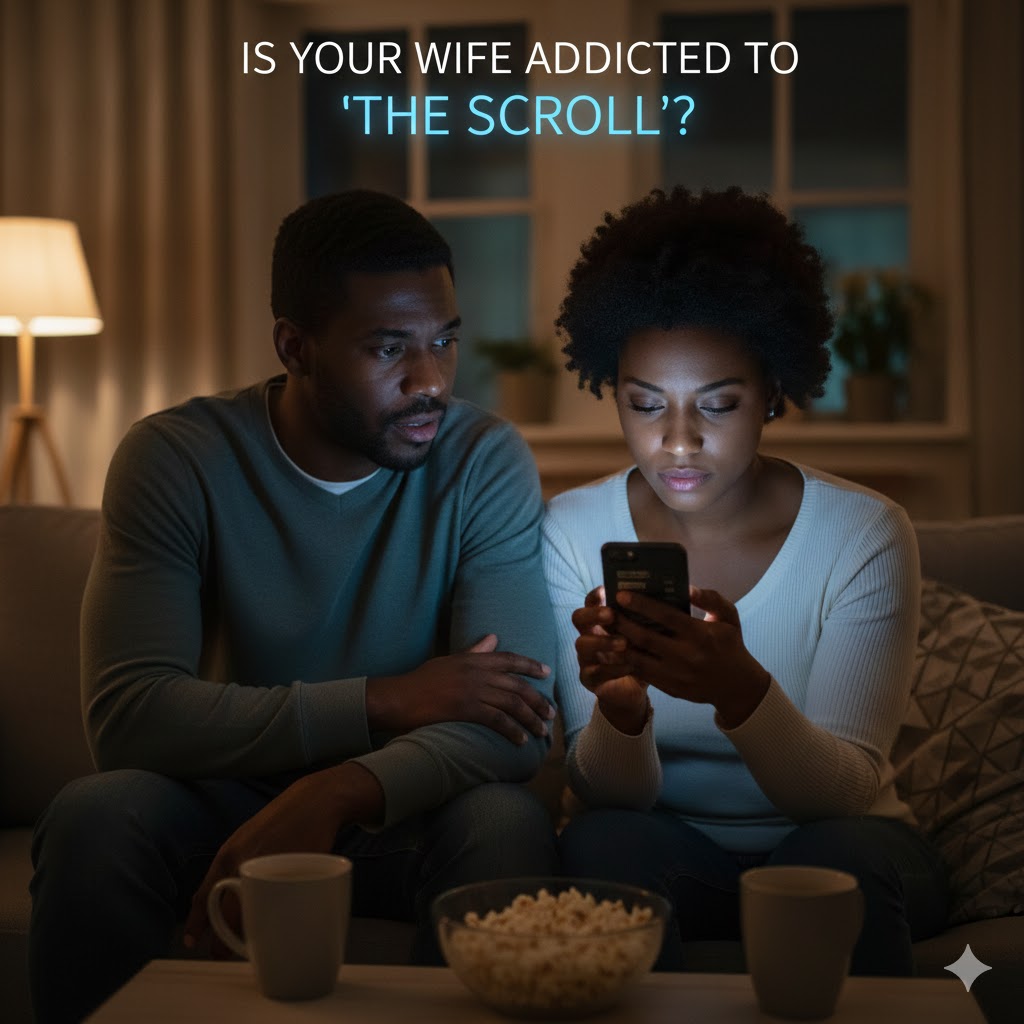
Is Your Wife Addicted to “The Scroll”? Understanding Social Media Overuse in Marriage
In today’s digital age, smartphones have become constant companions. Social media platforms keep us connected, informed, and entertained. But when casual scrolling turns into endless scrolling, it can strain even the strongest marriages. If you’ve ever wondered whether your wife is addicted to “the scroll,” you’re not alone.
“The scroll” refers to the habit of continuously browsing social media feeds, news apps, or short-form video platforms without intentional limits. While occasional scrolling is normal, excessive use can impact emotional connection, communication, and intimacy within a marriage. Understanding the signs, causes, and solutions can help couples restore balance and strengthen their relationship.
What Is “The Scroll”?
“The scroll” is a cultural term describing the repetitive action of swiping through content on smartphones. Platforms like Instagram, TikTok, and Facebook are designed to keep users engaged for extended periods. Algorithms learn preferences and serve personalized content, making it easy to lose track of time.
This design is not accidental. Social media platforms use psychological reward systems, including intermittent reinforcement, to encourage continued engagement. Each new post or video offers the possibility of entertainment or validation, which can trigger dopamine release in the brain.
While these platforms offer benefits—community, inspiration, connection—overuse can lead to unintended consequences in relationships.
Signs Your Wife May Be Over-Scrolling
It’s important to approach this topic with empathy rather than accusation. Labeling someone as “addicted” without reflection can create defensiveness. Instead, observe patterns.
You may notice she spends extended periods on her phone, especially during times previously reserved for conversation or shared activities. Mealtimes, evenings, or even moments before bed may now involve screen time instead of connection.
Another sign is emotional withdrawal. If attempts at conversation are frequently interrupted by phone checking, it may signal over-reliance on digital engagement. Some partners report feeling invisible when their spouse appears more engaged with online content than real-life interaction.
Sleep disruption can also be a clue. Late-night scrolling may affect rest, leading to irritability or fatigue.
However, context matters. Increased scrolling could reflect stress, boredom, loneliness, or even a coping mechanism for unresolved issues.
Why Social Media Overuse Happens
Before assuming addiction, consider underlying causes. Social media can provide an escape from daily pressures. Parenting responsibilities, career stress, or relationship tension may drive someone toward digital distraction.
Social media also offers validation. Likes, comments, and shares can temporarily boost mood and self-esteem. For some, scrolling becomes a way to decompress after a long day.
Research discussed by the American Psychological Association highlights how digital engagement can influence mood regulation. When online interactions replace real-life connection, emotional dependency may form.
In some cases, boredom or lack of fulfillment in certain areas of life may increase reliance on digital stimulation.
Understanding motivation is key to addressing the issue compassionately.
How Over-Scrolling Affects Marriage
When social media use becomes excessive, it can subtly erode intimacy. Emotional connection thrives on attention. If one partner consistently competes with a screen, feelings of neglect may surface.
Communication quality may decline. Conversations interrupted by notifications can feel fragmented. Over time, small moments of disconnection accumulate.
Comparison is another hidden danger. Exposure to curated online lives may create unrealistic expectations about relationships, appearance, or lifestyle. If your wife frequently compares your marriage to influencers or online personalities, dissatisfaction may grow.
Additionally, excessive scrolling can reduce physical intimacy. Late-night phone use may replace opportunities for closeness or meaningful conversation.
It’s not the phone itself that harms the marriage—it’s the imbalance.
Avoiding Blame and Starting the Conversation
If you’re concerned about your wife’s scrolling habits, approach the conversation carefully. Accusations like “You’re addicted to your phone” can trigger defensiveness. Instead, express how you feel.
For example, you might say, “I miss talking with you in the evenings,” or “I feel disconnected when we’re both on our phones.” Framing the issue around your emotional experience fosters understanding rather than conflict.
Ask open-ended questions. Is she feeling overwhelmed? Does scrolling help her relax? Is she aware of how much time she spends online?
Listening without judgment encourages honesty.
Setting Healthy Digital Boundaries Together
Rather than focusing solely on her behavior, consider evaluating both of your digital habits. Many couples unconsciously fall into parallel scrolling, where both partners are physically present but mentally elsewhere.
Creating shared boundaries can help. This might include device-free dinners, no phones in the bedroom, or designated times for social media use. Small adjustments can make a significant difference.
Some couples choose to track screen time using built-in smartphone tools. Awareness alone can prompt healthier choices.
The goal is balance, not elimination. Social media can still be enjoyed responsibly.
Rebuilding Emotional Connection
If over-scrolling has created distance, rebuilding connection requires intentional effort. Plan regular date nights without devices. Engage in shared hobbies or activities that foster presence.
Even small rituals—morning coffee together or evening walks—can restore intimacy. Eye contact, active listening, and physical affection strengthen bonds.
According to relationship studies published by institutions like Harvard University, consistent positive interactions significantly contribute to marital satisfaction. Replacing digital time with meaningful engagement can improve overall relationship quality.
Connection thrives when both partners feel seen and valued.
When Scrolling Signals a Deeper Issue
Sometimes excessive phone use reflects deeper emotional struggles such as anxiety, low mood, or dissatisfaction. If scrolling appears compulsive or interferes with daily responsibilities, it may be helpful to explore professional support.
Couples counseling can provide a safe space to discuss concerns without blame. Individual therapy may also help uncover underlying emotional needs driving digital overuse.
It’s important not to jump to conclusions. Approach the issue as a team problem rather than a personal flaw.
Practicing Empathy and Self-Reflection
Before focusing entirely on your wife’s habits, reflect on your own behavior. Do you also spend significant time on your phone? Are there ways you might unintentionally contribute to disconnection?
Marriage requires mutual accountability. Addressing digital balance together strengthens unity.
Empathy is crucial. The digital world is designed to capture attention. Falling into over-scrolling is easy for anyone. Compassion fosters cooperation.
Moving Toward a Healthier Digital Balance
Technology is here to stay. The goal is not to eliminate it but to prevent it from replacing real intimacy.
Discuss shared values. What kind of marriage do you want to build? How can you prioritize presence over pixels?
Creating tech-free zones, scheduling intentional connection time, and openly communicating emotional needs can transform tension into teamwork.
If you’re worried your wife is addicted to “the scroll,” remember that addressing the issue with love and patience is more effective than criticism. Focus on strengthening your bond rather than controlling behavior.
Final Thoughts
Endless scrolling can quietly impact emotional connection in marriage. While social media platforms like Instagram and TikTok are designed to hold attention, couples can choose how they engage with technology.
If screen time is creating distance, approach the conversation with empathy and honesty. Set boundaries together. Prioritize presence. Invest in shared experiences.
Marriage flourishes when both partners feel heard, valued, and connected. By addressing digital habits thoughtfully, you can protect your relationship and ensure that real-life connection remains stronger than any algorithm.










.jpg)

Sign in to comment