 Nurturing Marriages, Enriching Families!
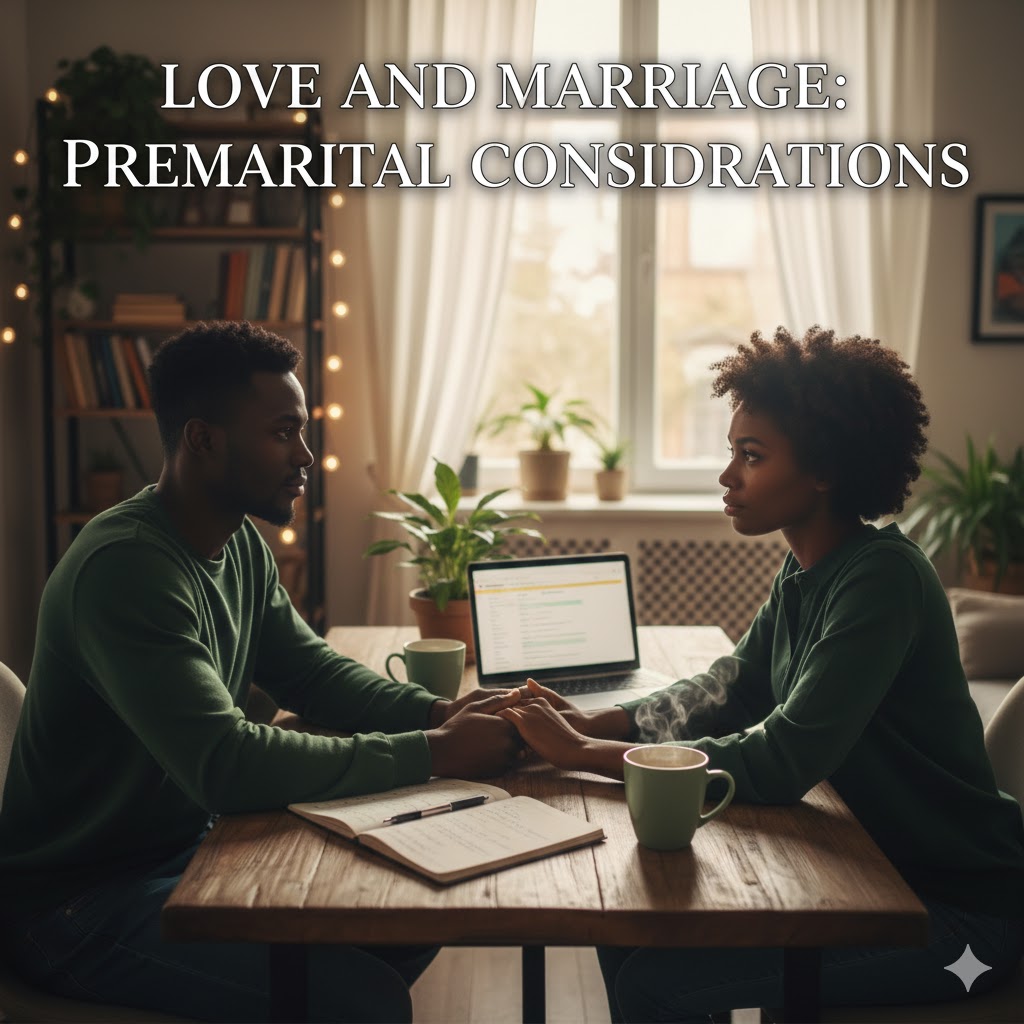
Love and Marriage: Premarital Considerations
Love is powerful. It draws two people together, builds connection, and creates the desire for lifelong partnership. But while love may be the spark, marriage requires preparation, maturity, and thoughtful decision-making. Premarital considerations are essential for couples who want more than just a wedding—they want a lasting and fulfilling marriage.
Before saying “I do,” it’s important to examine emotional readiness, communication styles, financial compatibility, family expectations, and long-term goals. Marriage is not just a romantic milestone; it is a legal, emotional, financial, and spiritual union. Taking time to reflect on key premarital factors can significantly strengthen the foundation of your relationship.
Understanding the Difference Between Love and Commitment
Romantic love often begins with excitement and emotional intensity. During the early stages of a relationship, couples may focus on chemistry and shared interests. However, marriage shifts the dynamic from passion alone to partnership.
Commitment involves choosing your partner daily, even when emotions fluctuate. Long-term relationships require patience, forgiveness, and teamwork. Research from the American Psychological Association suggests that successful marriages depend heavily on effective communication and conflict management, not just romantic compatibility.
Premarital consideration means asking whether your relationship is built on shared values and resilience—not just attraction.
Emotional Readiness for Marriage
One of the most important premarital considerations is emotional maturity. Are both partners capable of handling disagreement without disrespect? Can you apologize sincerely and accept responsibility when you are wrong?
Emotional readiness includes self-awareness. Understanding your triggers, attachment style, and communication patterns is essential. Marriage magnifies emotional strengths and weaknesses. If one partner avoids conflict while the other confronts aggressively, tension may arise unless these patterns are addressed.
Healthy marriages require vulnerability. Both individuals must feel safe expressing concerns, dreams, and fears. If emotional honesty feels difficult before marriage, it will likely become more challenging afterward.
Communication Styles and Conflict Resolution
Communication is the backbone of every successful marriage. Before committing, couples should evaluate how they handle disagreements. Do arguments escalate quickly? Or do both partners work toward understanding and compromise?
Effective communication involves listening without interrupting, validating emotions, and seeking solutions rather than assigning blame. Premarital counseling programs offered by organizations such as Focus on the Family often emphasize building constructive communication habits before marriage.
Conflict is inevitable. What matters most is whether you can “fight fair.” Avoiding personal attacks, threats, or bringing up unrelated past issues during arguments is critical. Couples who learn healthy conflict resolution early are better equipped for long-term stability.
Financial Compatibility and Planning
Money is one of the leading sources of marital stress. Premarital financial discussions are not optional—they are essential. Couples should openly discuss income, debt, savings habits, and financial goals.
Will you combine finances or maintain separate accounts? What are your expectations around spending and saving? Do you share similar attitudes toward budgeting and investing?
Financial transparency builds trust. Hiding debt or major financial obligations can lead to serious conflict later. According to the National Endowment for Financial Education, couples who discuss finances openly before marriage are more likely to report relationship satisfaction.
Marriage involves shared financial responsibilities. Clear agreements reduce misunderstandings and help couples move toward common goals.
Family Background and Expectations
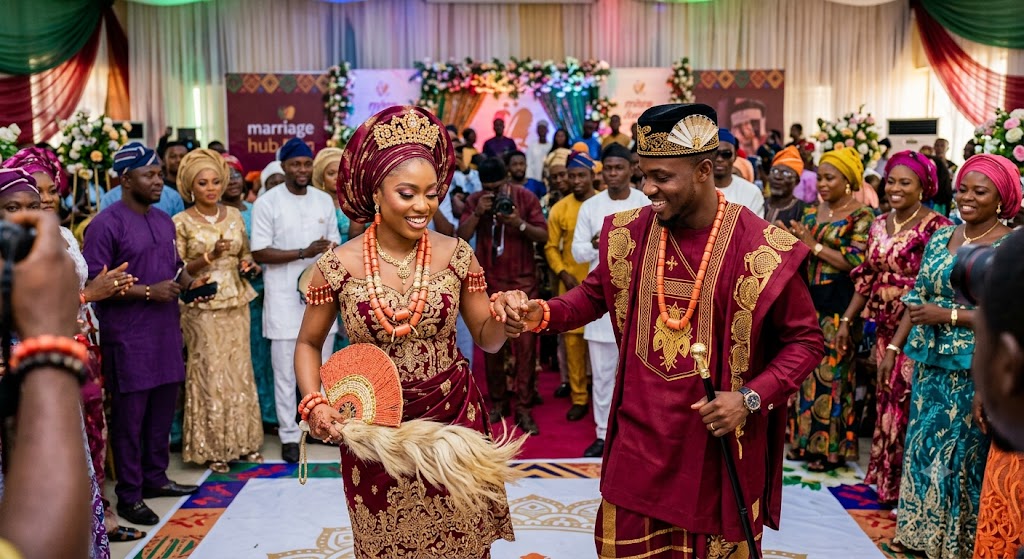
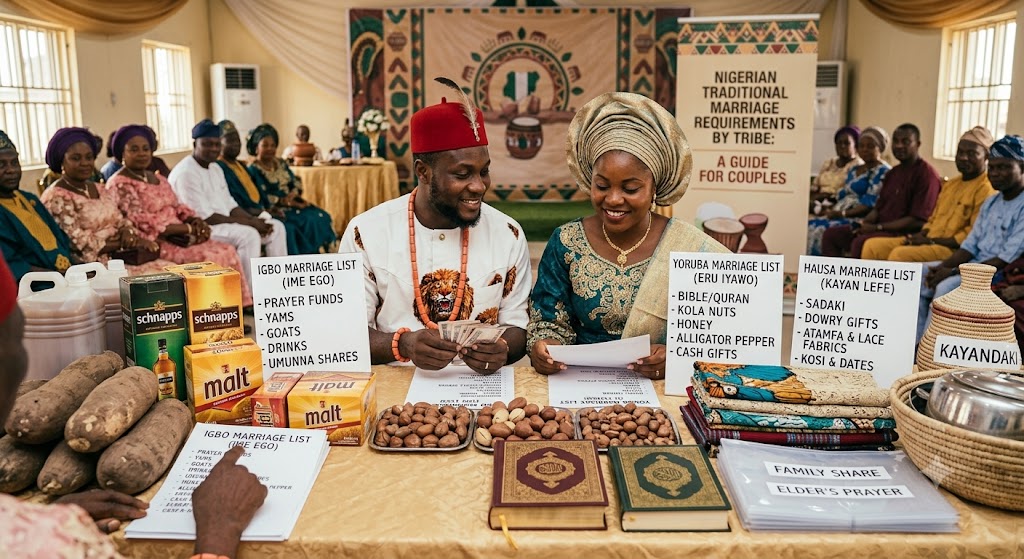
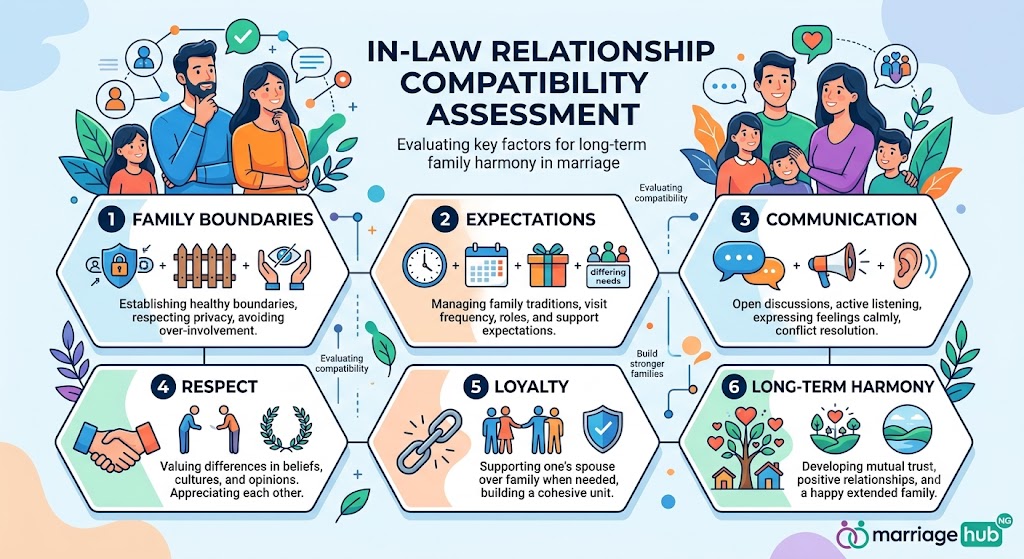
Marriage unites more than two individuals—it often brings together two families with distinct traditions, values, and communication styles. Understanding each other’s family dynamics is a key premarital consideration.
How involved will extended family be in your lives? How will holidays be divided? Are there cultural or religious expectations that must be addressed?
Family influence can be positive, but unclear boundaries may create stress. Discussing expectations in advance prevents surprises. Establishing respectful boundaries strengthens the marital bond while honoring family relationships.
Career Goals and Lifestyle Vision
Premarital discussions should include long-term life goals. Where do you see yourselves in five or ten years? Are you aligned in terms of career ambitions and lifestyle preferences?
If one partner desires frequent travel or relocation for career growth, while the other prioritizes stability in one location, conflict may arise unless compromises are discussed.
Conversations about work-life balance are also important. How will household responsibilities be divided? What happens if one partner experiences job loss or wants to change careers?
Marriage should support individual growth while fostering shared dreams. Alignment in long-term vision promotes unity and reduces tension.
Views on Children and Parenting
Children are one of the most significant premarital considerations. Couples must discuss whether they want children, how many, and when.
Beyond the decision itself, it’s crucial to talk about parenting philosophies. How will discipline be handled? What values are most important to teach? Will one parent stay home, or will both work?
Disagreements about children can deeply strain a marriage if left unresolved before commitment. Honest conversations early on create clarity and mutual understanding.
Intimacy and Emotional Connection
Physical and emotional intimacy are vital components of marriage. Couples should discuss expectations around affection, closeness, and quality time.
Intimacy goes beyond physical connection. It includes emotional support, shared experiences, and meaningful communication. Partners should feel valued and desired within the relationship.
Differences in intimacy needs are common, but they require open dialogue. Ignoring mismatched expectations may lead to frustration later.
Building a habit of nurturing connection before marriage lays the groundwork for lasting closeness.
Spiritual and Core Beliefs Alignment
For many couples, spiritual beliefs or philosophical values play a central role in daily life. Premarital conversations about faith, moral principles, and life purpose are important.
Do you share similar beliefs about community involvement, charitable giving, or spiritual practices? If your beliefs differ, how will you navigate those differences respectfully?
Shared core values provide stability, especially during challenging seasons. Even when differences exist, mutual respect is essential.
Health, Habits, and Personal Responsibility
Premarital considerations should also include discussions about health, lifestyle habits, and personal responsibility. How do you both approach physical health, stress management, and self-care?
Habits such as spending patterns, social activities, and time management can impact daily life. Transparency about routines and expectations reduces misunderstandings.
Marriage thrives when both partners take responsibility for their well-being and contribute equally to maintaining a healthy environment.
Legal and Practical Considerations
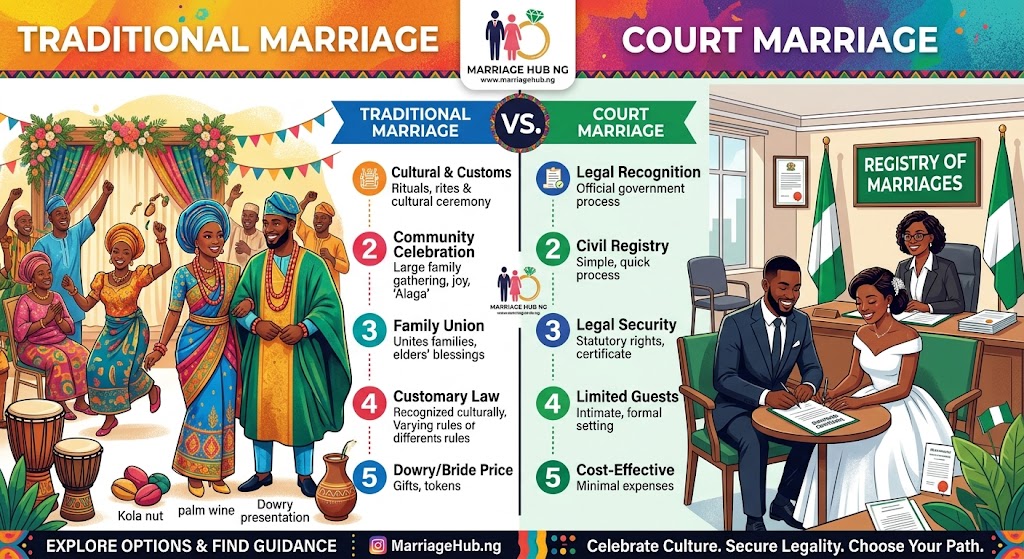
Marriage carries legal implications regarding property, inheritance, and decision-making authority. Understanding these aspects is part of responsible preparation.
Some couples choose to discuss prenuptial agreements or legal planning to protect both parties. While such conversations may feel uncomfortable, they demonstrate maturity and foresight.
Entering marriage informed about legal responsibilities helps prevent confusion and future disputes.
The Role of Premarital Counseling
Premarital counseling provides a structured environment to explore important topics. Many religious institutions and relationship experts recommend counseling before marriage.
Counseling sessions often address communication skills, conflict management, financial planning, and goal alignment. Couples who participate in premarital education report higher levels of satisfaction and preparedness.
Seeking guidance is not a sign of doubt; it is an investment in your future.
Final Thoughts
Love is a beautiful beginning, but marriage requires intentional preparation. Premarital considerations help couples move beyond romance and build a solid foundation for lifelong partnership.
By discussing emotional readiness, communication styles, finances, family expectations, career goals, children, intimacy, and core beliefs, couples create clarity and unity. Honest conversations today prevent confusion tomorrow.
Marriage is not just about finding the right person—it’s about becoming the right partner. When two individuals enter marriage with awareness, respect, and shared purpose, they position themselves for lasting fulfillment.
Taking time to prepare is not delaying love—it’s strengthening it.





.jpg)
Sign in to comment