 Nurturing Marriages, Enriching Families!
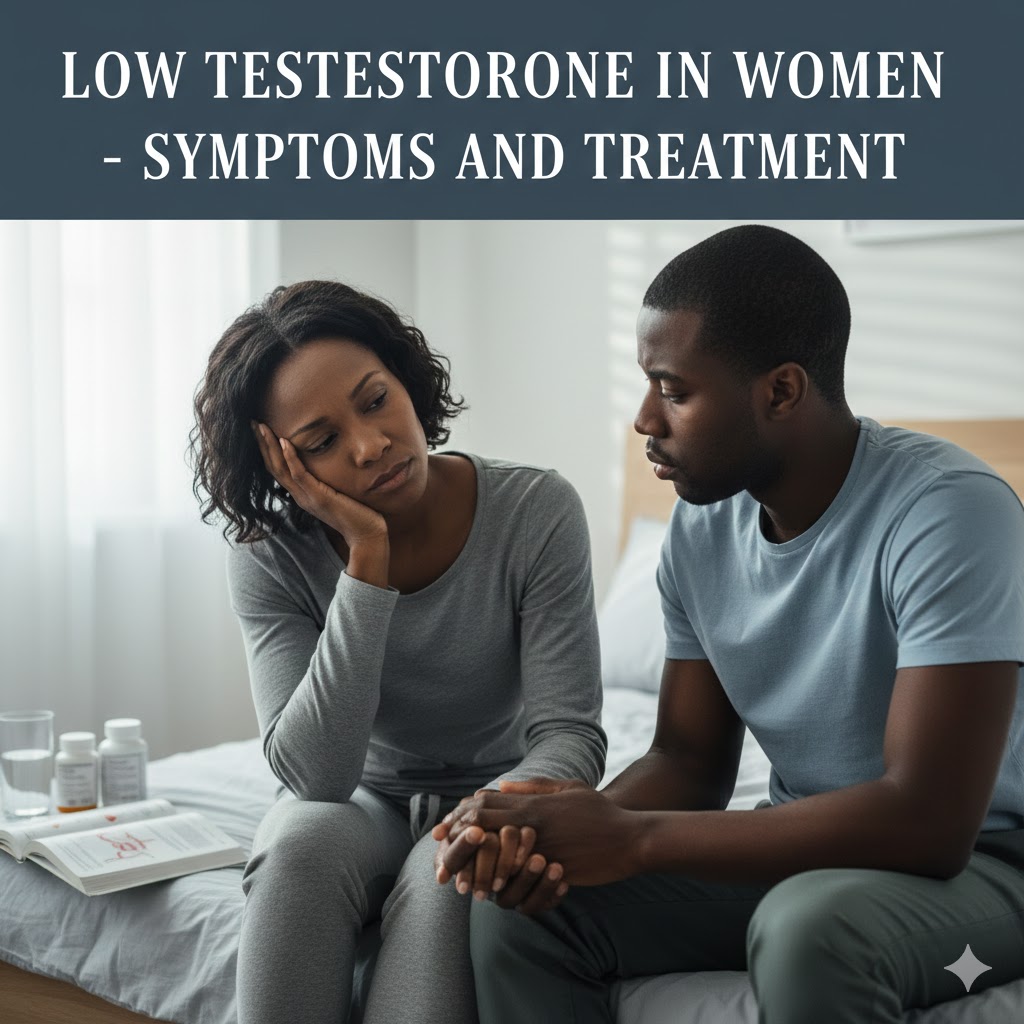
Low Testosterone in Women – Symptoms and Treatment
When people hear the word testosterone, they often associate it with men. However, testosterone is also a vital hormone in women’s bodies. While women naturally produce much lower levels than men, testosterone plays an essential role in energy levels, mood, muscle strength, libido, and overall well-being.
Low testosterone in women is more common than many realize, yet it often goes undiagnosed. Because its symptoms can overlap with other hormonal imbalances, stress, or aging, many women struggle silently without understanding the root cause. In this article, we’ll explore what low testosterone in women looks like, its causes, symptoms, and available treatment options.
What Is Testosterone and Why Is It Important for Women?
Testosterone is an androgen hormone produced primarily in the ovaries and adrenal glands in women. Although it’s often labeled as a “male hormone,” women require balanced levels for optimal health.
In women, testosterone supports:
-
Sexual desire and satisfaction
-
Muscle mass and bone strength
-
Energy and stamina
-
Mood stability
-
Cognitive clarity
According to the Endocrine Society, hormones work in complex balance. When one hormone is out of range, others can be affected. That’s why low testosterone may coexist with issues involving estrogen, progesterone, or thyroid hormones.
What Causes Low Testosterone in Women?
Low testosterone levels in women can result from several factors. Aging is one of the most common causes. Testosterone naturally declines as women approach menopause. By the time a woman reaches her 40s and 50s, levels may be significantly lower than in her 20s.
Surgical removal of the ovaries (oophorectomy) can cause a sharp drop in testosterone production. Since the ovaries are a major source of the hormone, removal often leads to sudden symptoms.
Adrenal gland disorders can also contribute. Because the adrenal glands produce a portion of testosterone, conditions that impair their function may reduce hormone levels.
Certain medications, including oral contraceptives and corticosteroids, may influence hormone production. Chronic stress is another contributing factor. When the body is in prolonged stress mode, hormone balance may shift in ways that reduce testosterone availability.
Symptoms of Low Testosterone in Women
Low testosterone symptoms can vary from woman to woman, but common signs include decreased libido, chronic fatigue, and reduced muscle tone. Because these symptoms are sometimes subtle, they may be mistaken for normal aging or stress.
A noticeable decline in sexual desire is often one of the first indicators. Women may experience reduced arousal, difficulty achieving satisfaction, or diminished interest in intimacy.
Persistent fatigue is another hallmark symptom. Even with adequate sleep, women may feel drained or unmotivated. This can impact work performance and daily responsibilities.
Mood changes such as irritability, low mood, or lack of motivation may also appear. Some women report brain fog or difficulty concentrating.
Physical changes may include reduced muscle mass, increased body fat, especially around the abdomen, and decreased bone density over time. The Mayo Clinic notes that hormonal imbalances can significantly influence energy and overall quality of life.
Because these symptoms overlap with other conditions such as thyroid disorders or depression, proper medical evaluation is essential.
How Is Low Testosterone Diagnosed?
Diagnosing low testosterone in women requires both symptom assessment and blood testing. A healthcare provider will review medical history, current medications, and lifestyle factors.
Blood tests typically measure total testosterone and sometimes free testosterone levels. However, interpreting results in women can be complex. Unlike men, standardized “normal ranges” for women are narrower and sometimes debated among medical professionals.
It is important that lab results are evaluated alongside symptoms rather than in isolation. A woman may technically fall within a normal laboratory range but still experience significant symptoms if her levels have declined substantially from her personal baseline.
In some cases, additional hormone testing may be recommended to rule out thyroid disorders, adrenal issues, or estrogen imbalances.
Treatment Options for Low Testosterone in Women
Treatment depends on the underlying cause, symptom severity, and individual health profile. Not every woman with slightly low levels requires intervention. However, when symptoms significantly affect quality of life, treatment may be considered.
Lifestyle Changes
Before medical therapy, lifestyle modifications are often recommended. Regular strength training can naturally support hormone production and muscle mass. Resistance exercise has been shown to stimulate healthy hormonal balance.
Balanced nutrition is equally important. Adequate protein intake supports muscle health, while healthy fats play a role in hormone production. Chronic calorie restriction or extreme dieting may negatively impact hormone levels.
Stress management techniques such as mindfulness, yoga, and adequate sleep can help regulate cortisol, which in turn may support overall hormonal stability.
Hormone Therapy
In some cases, testosterone therapy may be prescribed. This can come in the form of creams, gels, patches, or compounded formulations designed specifically for women.
The North American Menopause Society states that testosterone therapy may be considered for postmenopausal women experiencing hypoactive sexual desire disorder (HSDD). However, therapy should be carefully monitored to avoid excessive dosing.
It’s important to note that testosterone therapy for women is still an area of ongoing research. Dosing must be individualized, and regular follow-up blood tests are necessary.
Potential side effects may include acne, unwanted hair growth, voice changes, or mood shifts if levels become too high. Therefore, treatment should always be supervised by a qualified healthcare provider.
Addressing Underlying Conditions
If low testosterone is linked to adrenal dysfunction, thyroid disorders, or medication side effects, addressing the root cause may restore balance without direct hormone replacement.
For example, adjusting medications, improving adrenal health, or managing thyroid conditions can indirectly improve testosterone levels.
Risks of Self-Diagnosis and Over-Supplementation
With growing awareness of hormonal health, some women turn to over-the-counter supplements marketed as “testosterone boosters.” However, many of these products lack scientific backing or may contain ingredients that disrupt hormonal balance.
Self-diagnosing based solely on symptoms can also be misleading. Because fatigue and low libido can stem from multiple causes, professional evaluation is essential before beginning any hormone therapy.
Working with a healthcare provider ensures safe dosing, appropriate monitoring, and individualized care.
The Emotional Impact of Low Testosterone
Hormonal imbalances can significantly affect emotional well-being. Women experiencing low testosterone may feel frustrated, confused, or discouraged by changes in energy and desire.
Open communication with partners and healthcare providers can reduce feelings of isolation. Understanding that symptoms may have a physiological basis often provides relief and direction.
Hormonal health is not just about numbers on a lab report. It is about how a woman feels physically, emotionally, and mentally.
When to See a Doctor
If you experience persistent fatigue, reduced libido, mood changes, or unexplained physical changes that interfere with daily life, consult a healthcare professional. Early assessment can prevent prolonged discomfort and identify other potential causes.
Women approaching menopause or who have undergone ovarian surgery should be especially attentive to hormonal changes.
Prompt evaluation leads to better treatment outcomes and improved quality of life.
Final Thoughts
Low testosterone in women is a real and often overlooked health concern. While testosterone levels naturally decline with age, significant drops can affect energy, mood, sexual health, and physical strength.
The key to managing low testosterone is awareness, proper diagnosis, and individualized treatment. Lifestyle changes may offer improvement, while hormone therapy can be beneficial in carefully selected cases.
If you suspect a hormonal imbalance, seek professional guidance. With the right support, women can restore balance and regain vitality.






.jpg)

Sign in to comment