 Nurturing Marriages, Enriching Families!

Newlywed Survival Guide: How to Thrive, Not Just Survive, the First Years of Marriage
The first years of marriage are often described as a honeymoon phase, but for many couples, reality sets in quickly. Expectations clash with habits, love meets responsibility, and romance must coexist with daily life. In Nigeria especially, newlyweds face additional pressures—from extended family involvement and financial responsibilities to cultural and religious expectations.
The truth is, the early years of marriage are not meant to be perfect; they are meant to be formative. This is the season where couples learn each other deeply, establish patterns, and build the foundation that will determine the strength of their marriage for years to come.
This newlywed survival guide is designed to help couples navigate this critical phase with wisdom, patience, and intentional love.
Understanding the Transition From “Us in Love” to “Us in Life”
Before marriage, love often feels effortless. After marriage, love must be practiced. You are no longer just partners in romance; you are partners in finances, family decisions, chores, conflict, intimacy, faith, and future planning.
Many Nigerian newlyweds are surprised by how quickly responsibilities multiply. Suddenly, you are managing rent or mortgage, family expectations, work stress, and household duties—often while still learning how to live with someone full-time.
Understanding that this transition is normal helps reduce disappointment and unnecessary conflict.
Managing Expectations Early
One of the biggest challenges for newlyweds is unmet expectations. Each spouse enters marriage with assumptions shaped by upbringing, culture, church teachings, movies, and personal experiences.
Some expect constant romance, others expect immediate stability. Some expect their spouse to automatically understand their needs without communication. When expectations are unspoken, disappointment is inevitable.
Healthy newlyweds talk openly about expectations around money, intimacy, household roles, in-laws, faith, children, and career goals. These conversations may feel uncomfortable, but they prevent long-term resentment.
Communication Is Your Lifeline
In the early years of marriage, communication can either strengthen the bond or slowly weaken it. Silence, assumptions, sarcasm, and emotional withdrawal are common traps.
Nigerian couples sometimes avoid difficult conversations to “keep peace,” but unresolved issues always resurface—often louder and more painful.
Learning to express feelings calmly, listen without interrupting, and address issues early is one of the most important survival skills for newlyweds. You do not need to win arguments; you need to understand each other.
Handling Conflict Without Regret
Disagreements are unavoidable, even in loving marriages. What matters is how you fight.
Newlyweds often make the mistake of fighting to prove a point rather than fighting to solve a problem. Insults, comparisons, bringing up past mistakes, or involving family members too early can damage trust.
Healthy conflict involves respect, boundaries, and repair. Apologize quickly when wrong. Take breaks when emotions are high. Return to the conversation when calm. Conflict handled well strengthens intimacy rather than destroying it.
Navigating Money Matters Wisely
Money is one of the most common sources of tension for Nigerian newlyweds. From rent and feeding to family obligations and savings, financial pressure can expose differences in values and habits.
Transparency is crucial. Couples should discuss income, debts, spending habits, and financial goals early. Agreeing on a budget, savings plan, and approach to extended family financial requests can prevent future conflict.
Marriage thrives when money becomes a shared responsibility rather than a power struggle.
Intimacy: Growing, Not Perfecting
Physical and emotional intimacy often changes after marriage. Stress, fatigue, expectations, and pressure can affect closeness.
Newlyweds should understand that intimacy deepens with safety, communication, and patience. It is not about performance; it is about connection.
Talking openly about needs, fears, and desires helps couples grow closer rather than drift apart. Emotional intimacy—feeling heard, supported, and accepted—often fuels physical intimacy.
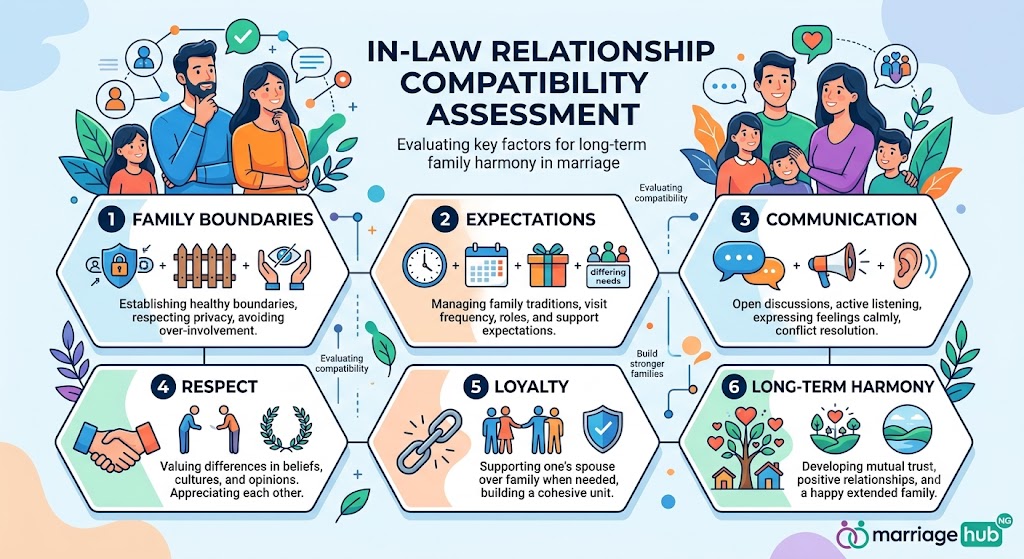
Dealing With In-Laws and Extended Family
In Nigeria, marriage is rarely just between two people; it often involves families. While family support can be a blessing, lack of boundaries can strain a young marriage.
Newlyweds must learn to present a united front, even when they disagree privately. Decisions about visits, finances, and traditions should prioritize the marriage while remaining respectful.
Setting boundaries early prevents resentment later. A strong marriage can honor family without being controlled by them.
Learning to Grow Together
Marriage does not freeze people in time. Both partners will grow, change, and evolve. Problems arise when couples grow in opposite directions or stop supporting each other’s growth.
Newlyweds should encourage personal development, career goals, spiritual growth, and emotional maturity. Celebrate progress together and remain curious about each other.
Growing together requires intention, not assumption.
Faith and Values as Anchors
For many Nigerian couples, faith plays a central role in marriage. Shared values help couples navigate challenges with patience, forgiveness, and perspective.
Praying together, attending religious services, and aligning decisions with shared beliefs strengthen unity. Faith does not eliminate problems, but it provides a framework for resilience and hope.
Taking Care of Yourself and Each Other
Marriage does not replace self-care. Neglecting physical, emotional, or mental health can lead to burnout and resentment.
Newlyweds should encourage rest, hobbies, friendships, and personal growth. A healthy marriage consists of two healthy individuals choosing each other daily.
When to Seek Help Early
There is no shame in seeking guidance. Counseling, mentorship, or trusted elders can provide clarity during confusing seasons.
Waiting until problems become unbearable often makes healing harder. Early support can prevent small issues from becoming permanent scars.
Conclusion: Surviving Is Just the Beginning
The early years of marriage are not about perfection; they are about learning, adjusting, and building. Every strong marriage you admire once went through awkward, challenging, uncertain seasons.
Newlyweds who communicate honestly, manage conflict wisely, respect boundaries, and grow intentionally lay a foundation for a marriage that does more than survive—it thrives.
Marriage is not about finding the right person; it is about becoming the right partner and choosing each other every day.







.jpg)


Sign in to comment