 Nurturing Marriages, Enriching Families!

Our Traditional Engagement in Igbo Land: A Cultural Journey
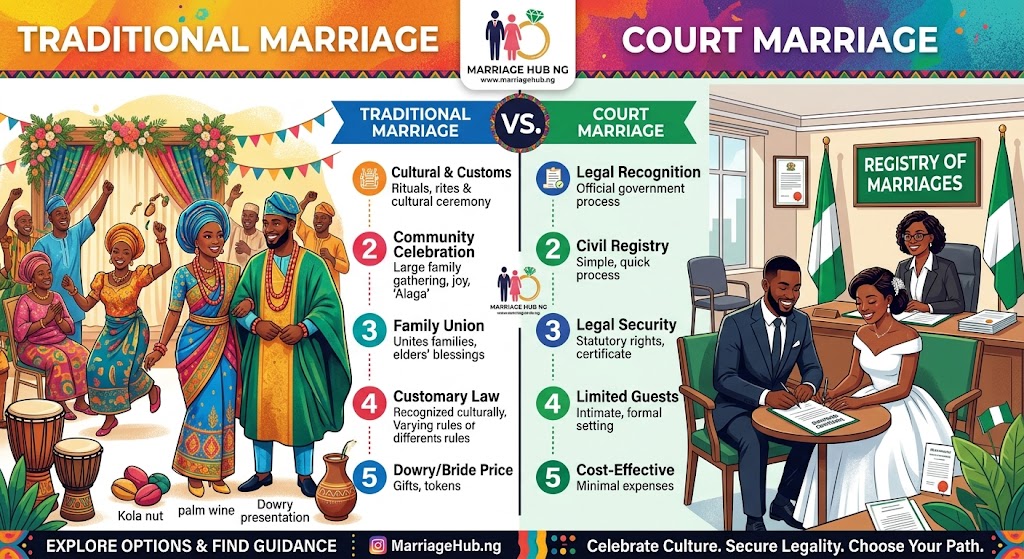
Traditional engagements in Nigeria are more than mere ceremonies; they are rich cultural experiences that celebrate family, community, and love. For couples in Igbo land, these engagements are a vital part of the path to marriage, steeped in customs, rituals, and deep respect for family traditions.
This is our story — a real-life Nigerian journey of how our traditional engagement in Enugu became a celebration of culture, faith, and family. From the meticulous planning to the vibrant display of Igbo heritage, every detail tells a story of love, respect, and cultural pride.
How It Began: Preparing for the Traditional Engagement
The journey to our traditional engagement began months earlier. As an Igbo woman from Anambra State, I understood the importance of this ceremony. My fiancé, though raised partly outside Igbo land, embraced the culture wholeheartedly.
Planning began with discussions about:
-
Guest list: Immediate family, extended family, friends, and community elders.
-
Venue: We chose my family compound in Enugu, which allowed for both indoor rituals and outdoor celebrations.
-
Gifts and dowry items: These are critical in Igbo tradition, symbolizing respect and commitment.
In Igbo culture, the engagement, or Iku Aka, is not just for the couple; it’s a union of two families. Every step needed careful planning and consultation with elders.
The Role of Families
Family involvement is central in Igbo traditional engagements. Weeks before the ceremony, both families met to:
-
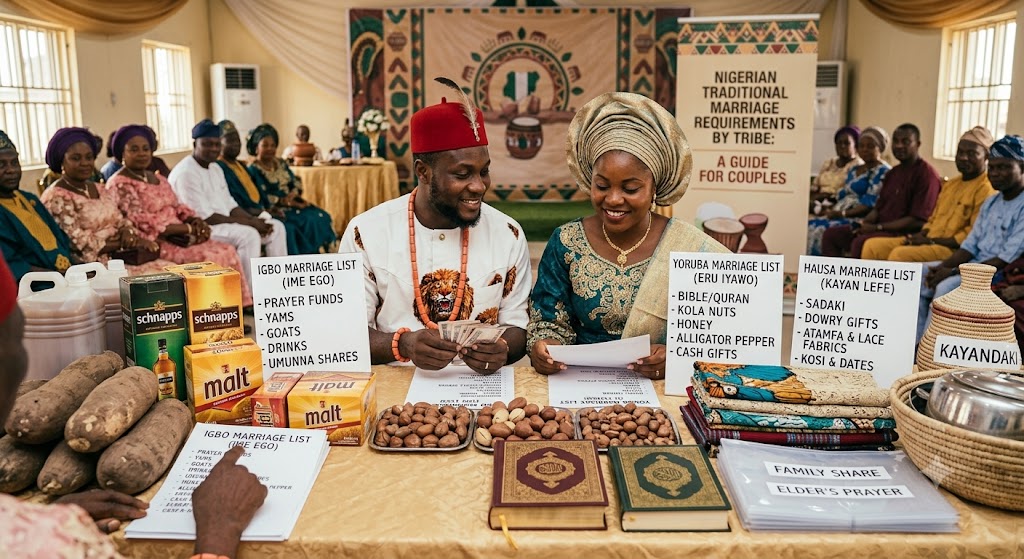
Discuss the bride price (ego), which symbolizes appreciation for the bride’s upbringing and family contributions.
-
List items to present, such as kola nuts, palm wine, yam, and traditional clothes.
-
Decide on rituals to follow, including prayers, songs, and symbolic gestures.
Respect for elders and family hierarchy is crucial. We spent time understanding expectations, ensuring both families were comfortable and excited about the union.
The Day of the Engagement
The morning of the engagement was bustling with energy. Lagos traffic had delayed some guests, but in Enugu, everyone was eager to participate. The ceremony began with traditional music — ogene, ulo, and ekwe drums setting the rhythm for the day.
Attire and Preparation
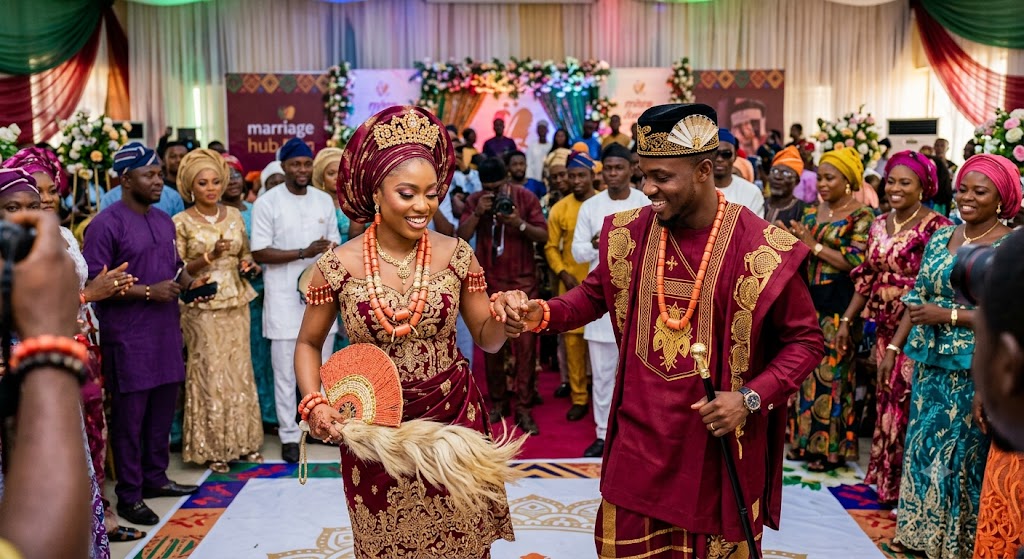
As an Igbo bride-to-be, I wore a beautifully handwoven George wrapper with a matching blouse and head tie (gele). My fiancé wore an Isiagu top with matching trousers, symbolizing pride in Igbo heritage. Guests followed suit, with colourful aso-ebi and traditional beads enhancing the festive atmosphere.
Makeup, hairstyling, and attire coordination took weeks of planning. In Nigeria, traditional engagements are as much about visual celebration as they are about rituals.
The Rituals: Symbolism and Significance
Igbo traditional engagements involve multiple rituals, each with deep meaning:
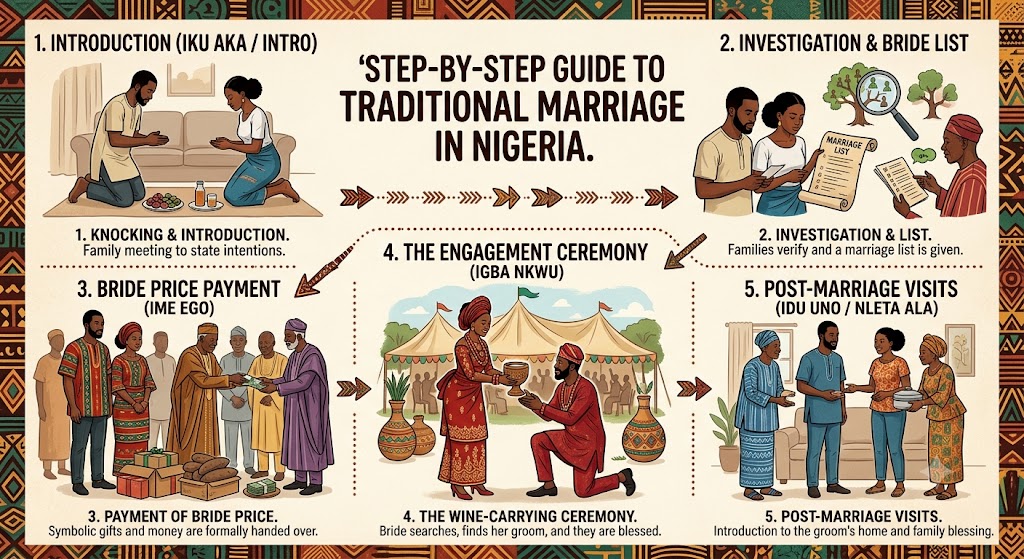
1. Presentation of Kola Nuts
Kola nuts are central to Igbo ceremonies, symbolizing respect and unity. The groom’s family presented kola nuts to my family, accompanied by prayers and blessings.
2. Wine Carrying Ceremony
I carried a cup of palm wine to offer my fiancé, symbolizing consent and acceptance of the union. This gesture reinforced the mutual respect inherent in Igbo culture.
3. Dowry Presentation (Iku Aka)
The groom’s family presented items agreed upon months prior — yams, palm oil, cloth, money, and gifts. Each item has symbolic value, representing provision, respect, and readiness for marriage.
4. Blessings from Elders
Elders from both families gave prayers and advice, emphasizing faith, patience, and commitment. Their blessings highlighted the spiritual dimension of the engagement.
Music, Dance, and Celebration
Igbo engagements are incomplete without music and dance. Traditional songs were sung by family elders, while younger relatives performed energetic dances.
Guests cheered as the bride and groom performed Igba Nkwu dance steps, moving gracefully to the rhythms of drums and flutes. It was a joyous display of culture, tradition, and community spirit.
Food and Hospitality
Food is a highlight of every Nigerian celebration. Our engagement featured:
-
Jollof rice and fried rice – a favourite at Nigerian parties.
-
Native soups – Ofe Nsala, Ofe Onugbu, served with pounded yam.
-
Snacks and refreshments – including chin chin, puff-puff, and meat pies.
Serving food is a way of expressing hospitality, love, and abundance. In Igbo culture, feeding guests well reflects respect for community and family.
The Significance of Gifts and Tokens
The presentation of gifts in Igbo engagements is highly symbolic:
-
Bride Price Items: Yams, wine, and clothes, representing provision and respect.
-
Clothing and Accessories: Traditional wrappers and beads signify beauty, status, and cultural pride.
-
Money and Tokens: Contributions to the bride’s family demonstrate readiness to support the union.
Both families exchanged gifts to symbolize mutual respect and goodwill. Every gesture reinforced the seriousness and sacredness of marriage.
Emotional Highlights
The ceremony was not just cultural; it was deeply emotional:
-
Seeing both families come together reminded us of the strength of unity.
-
Hearing elders give prayers and advice reaffirmed the spiritual foundation of marriage.
-
Dancing, laughing, and celebrating with friends and relatives strengthened our bond.
In Nigeria, traditional engagements are as much about emotion as ritual. They create memories that last a lifetime.
Lessons Learned From Our Igbo Engagement
1. Respect for Tradition Strengthens Relationships
Understanding and embracing cultural practices builds respect between families and deepens the couple’s connection.
2. Family Approval Matters
In Igbo culture, family endorsement is essential. It creates a solid foundation for marriage and ensures community support.
3. Preparation Prevents Stress
Months of planning helped everything run smoothly — from attire to rituals to guest coordination.
4. Patience Is Key
Delays, logistics, and coordination challenges are common, but patience ensures harmony.
5. Faith and Blessings Are Central
Elders’ prayers, spiritual guidance, and blessings emphasize the sacredness of marriage.
Final Thoughts
Our traditional engagement in Igbo land was a beautiful journey of love, culture, and faith. It was more than a ceremony — it was a union of families, an affirmation of tradition, and a celebration of community.
Through this experience, we learned that Nigerian marriages are strengthened by culture, respect, patience, and shared values. The engagement was a reminder that marriage is not just about the couple but about the families, traditions, and communities that surround them.
For anyone planning a traditional engagement in Nigeria, embrace the culture fully, respect elders, involve your families, and celebrate joyfully. The rituals, music, food, and blessings create a foundation for a marriage that is both culturally rooted and spiritually strong.
Our engagement was just the beginning, but it set the tone for a marriage filled with love, respect, and cultural pride. From Enugu to our new life together, the journey continues — and the memories of our traditional Igbo engagement will always be cherished.




.jpg)


Sign in to comment