 Nurturing Marriages, Enriching Families!
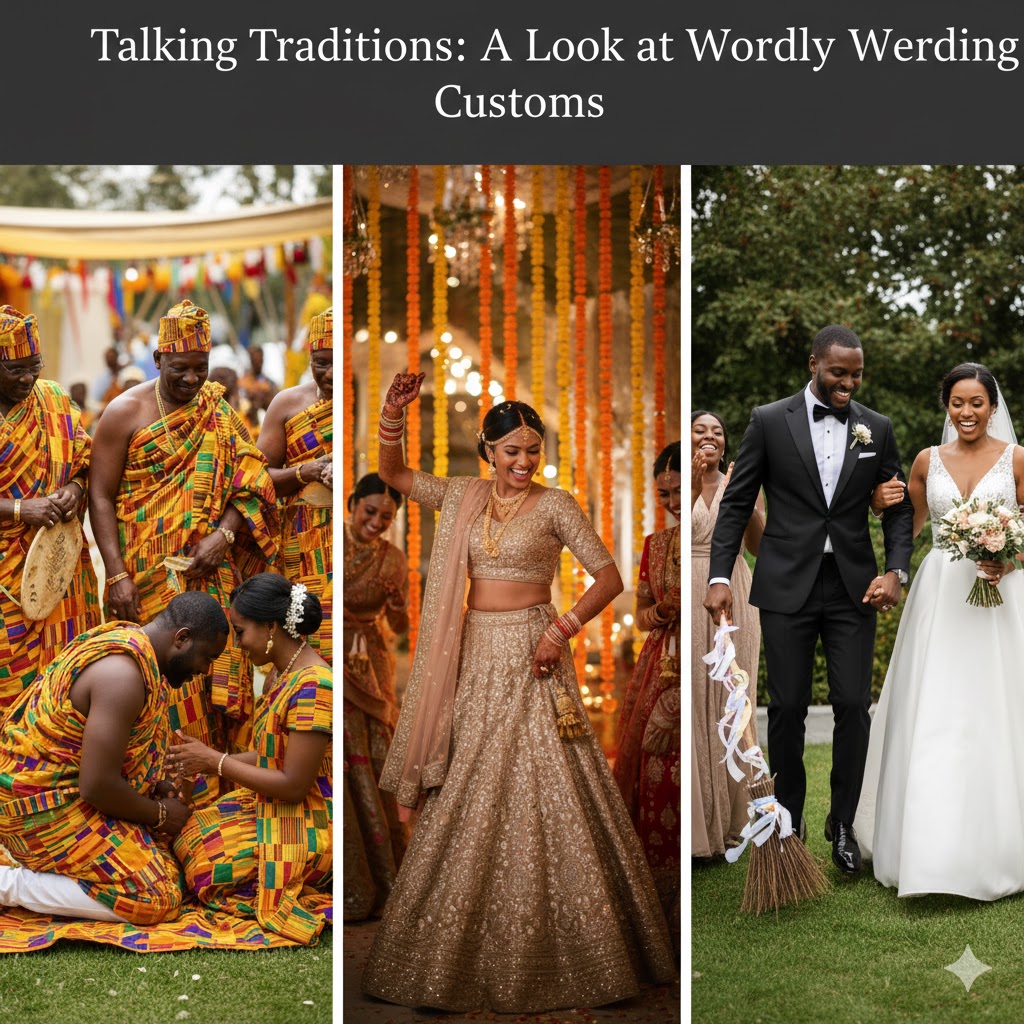
Talking Traditions: A Look at Worldly Wedding Customs
Weddings are a universal celebration of love and commitment, yet the ways in which cultures around the world mark this momentous occasion are as diverse as humanity itself. From the color of the bride's attire to the rituals performed during the ceremony, every tradition carries deep cultural significance, often rooted in centuries of history, folklore, and spiritual belief.
In an increasingly globalized world, understanding these diverse customs is not only fascinating but also enriches our appreciation for the many ways love is honored. Whether you are a curious traveler, a bride-to-be seeking unique inspiration, or simply someone who loves learning about different cultures, this journey through worldly wedding traditions will open your eyes to the beautiful tapestry of human connection.
The Symbolism of Attire: More Than Just a Dress
What a bride and groom wear on their wedding day often goes far beyond fashion. It is a statement of cultural identity, a nod to ancestral heritage, and a symbol of hopes for the future.
India: The Red Bride
In Western cultures, white symbolizes purity and is the traditional color for brides. However, in many parts of India, red is the color of choice for brides. A traditional Hindu bride wears a red saree or lehenga, often intricately embroidered with gold. Red symbolizes prosperity, fertility, and auspiciousness . It is believed to ward off evil spirits and bring good luck to the couple. The bride is also adorned with intricate henna (mehndi) designs on her hands and feet, which represent joy, beauty, and spiritual awakening. The groom often arrives on a decorated white horse, leading a grand procession called the baraat, complete with music and dancing.
China: The Vibrant Red Qun Kua
Similarly, in Chinese culture, red is the color of luck, happiness, and prosperity. Traditional Chinese brides wear a qun kua, a two-piece embroidered garment, or a cheongsam, in vibrant shades of red and gold . The bride's appearance is often completed with elaborate gold jewelry, which represents wealth and status. The color red is so dominant that even the wedding invitations and gift envelopes are often red. The groom typically wears a black or blue silk robe to complement the bride.
Japan: The Pure White Shiromuku
In contrast, a traditional Shinto wedding in Japan features the bride in a white kimono called a shiromuku. The color white has a different symbolism here; it represents purity, but also signifies the bride's willingness to be "dyed" in the colors of her new family . It symbolizes her maiden status and her readiness to adapt to her husband's family traditions. During the ceremony, the couple may also participate in san-san-kudo, a ritualized sharing of sake, where they take three sips each from three different cups, solidifying their union.
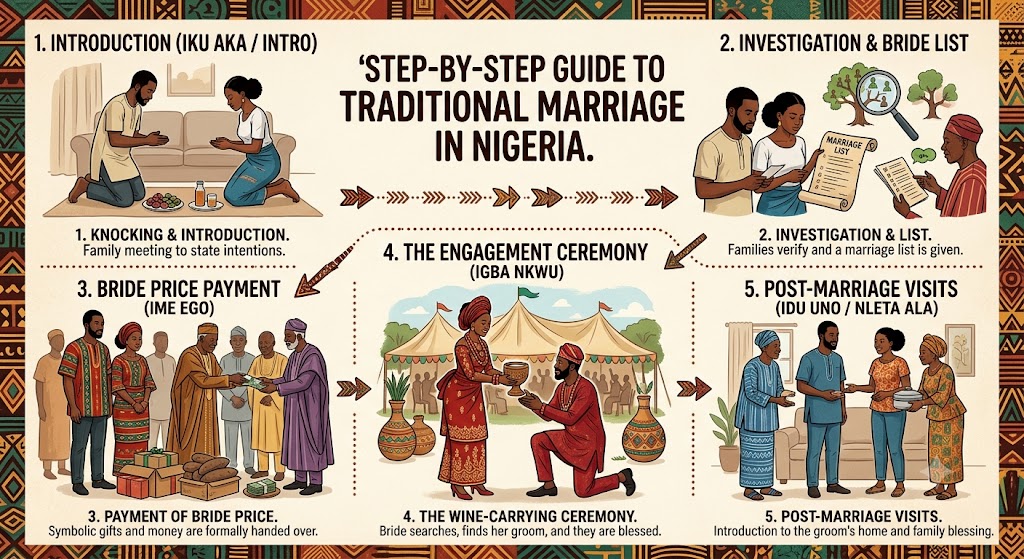
Nigeria: A Spectacle of Color and Fabric
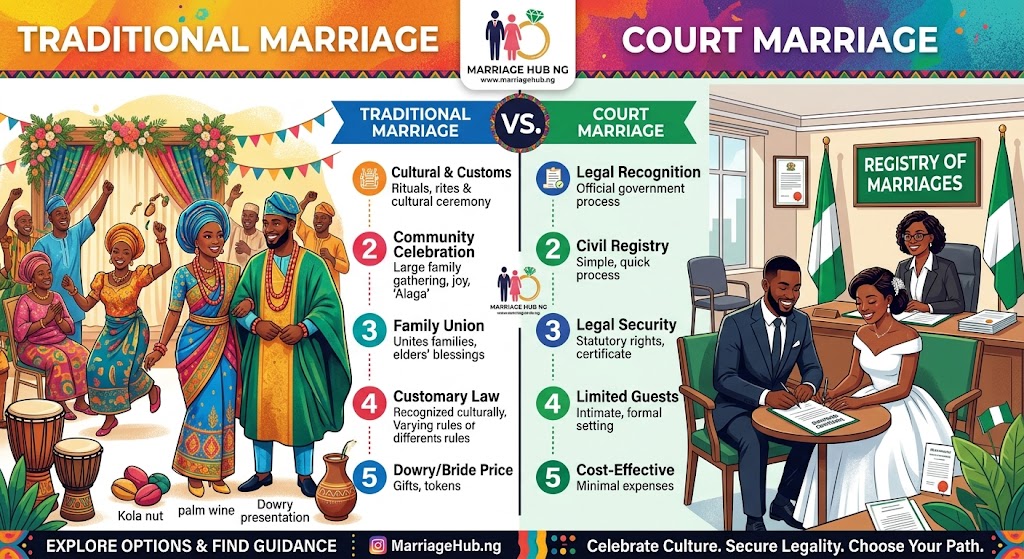
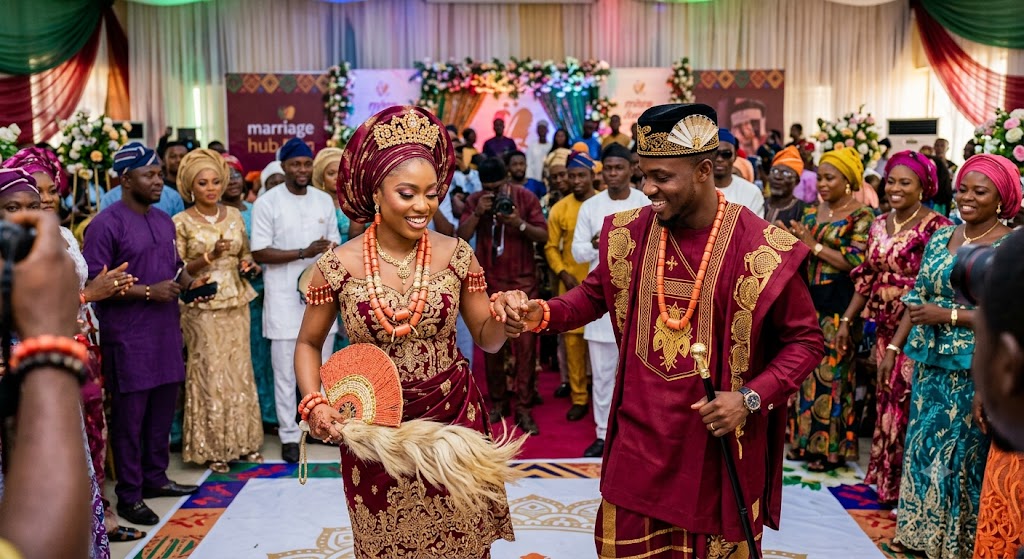
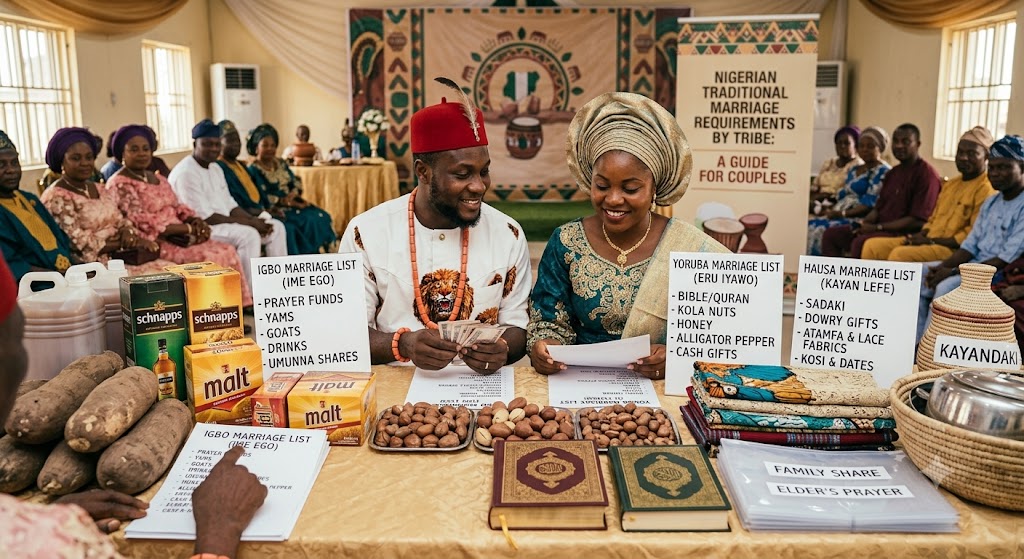
In many Nigerian cultures, particularly among the Yoruba, weddings are vibrant, colorful affairs. The couple often wears matching, intricately patterned fabrics called aso-ebi, which are also worn by their families and friends to signify unity and support . The bride's ensemble is elaborate, often featuring a magnificent gele (head tie) and ipele (shawl). The ceremony is filled with music, dancing, and the exchange of gifts, symbolizing the joining of two extended families, not just two individuals.
Pre-Wedding Rituals: Preparing for the Union
In many cultures, the wedding celebration extends far beyond the single day, encompassing elaborate pre-wedding rituals that prepare the couple and their families for the union.
India: The Mehndi and Sangeet
Indian weddings are famous for their multi-day celebrations. The Mehndi ceremony is a joyous event where the bride and her female friends and relatives gather to have intricate henna patterns applied to their hands and feet. It is a night of music, dancing, and celebration. The darker the henna stain, the stronger the love between the couple is said to be. This is often followed by the Sangeet, a night of performances, singing, and dancing by both families, essentially a friendly competition of talent and a beautiful way for the two families to bond.
Morocco: The Hammam and Amariya
In Morocco, a key pre-wedding ritual is the visit to the Hammam (traditional bathhouse). The bride-to-be, accompanied by her female friends and relatives, goes to the hammam for a deep cleansing and beauty ritual. Milk, rose water, and other fragrant oils are used to purify and prepare her body for marriage . This is followed by the application of henna. Later, the bride is presented on the Amariya, a traditional wooden platform or palanquin, carried by men as she is shown to the guests, a practice that highlights her importance and the community's witness to the union.
Korea: The Paebaek Ceremony
While not strictly a pre-wedding ritual, the traditional Korean paebaek ceremony often takes place after the main Western-style wedding. In this intimate ritual, the couple, dressed in traditional hanbok, offers dates and chestnuts to the groom's parents. In return, the parents offer sul (wine) and words of wisdom. The couple then catches dates and chestnuts thrown by the parents; the number they catch is said to predict the number of children they will have. It is a deeply moving ceremony of filial piety and family blessing.
Ceremony Highlights: Sacred Moments and Symbolic Acts
The wedding ceremony itself is where the most profound symbols of union are displayed.
Scotland: Handfasting
The ancient Celtic tradition of handfasting has gained popularity worldwide, but it originates in Scotland. The couple's hands are tied together with a cord or ribbon, symbolizing their union and commitment. This ritual is the origin of the phrase "tying the knot." It represents the binding together of two lives, two families, and two destinies. The cords can be kept as a memento of their vows.
Greece: The Stefana and Koumbaro
In a Greek Orthodox wedding, the couple is crowned with stefana—thin, white crowns linked by a single ribbon. The crowns, which symbolize the glory and honor bestowed on them by God, are exchanged three times by the koumbaros or koumbara (the wedding sponsor), signifying the unity and authority of the husband and wife. The sponsor is often a close friend who will remain an important figure in the couple's life, a spiritual guide and advisor throughout their marriage.
Mexico: The Lazo and Las Arras
In many Mexican and Latin American weddings, after the exchange of vows, a lazo (a large loop of rosary beads or a silk cord) is placed around the couple's shoulders in a figure-eight shape. This symbolizes their lifelong union and mutual support. The groom also presents the bride with thirteen gold coins, las arras, which he has received from the priest and blessed. This represents his commitment to provide for their home, and her acceptance symbolizes her trust and promise to manage the household with wisdom.
Germany: The Baumstamm Sägen
A unique and practical tradition in Germany is Baumstamm sägen (sawing a log). Immediately after the ceremony, the newlyweds are presented with a two-handled saw and a large log. Together, they must saw the log in half. This tradition is a powerful metaphor for the marriage itself: it demonstrates their ability to work as a team, tackle obstacles together, and overcome the first challenge of their married life.
Post-Wedding Festivities: Beginning the Journey
The celebration doesn't end when the couple says "I do." Post-wedding traditions around the world are often filled with joy, humor, and symbolism for their new life together.
France: La Soupe
The French tradition of la soupe takes place after the wedding reception. Guests gather outside the couple's bedroom window or the room where they are staying and make as much noise as possible with pots, pans, and bells. They may even offer the couple a bowl of onion soup, symbolizing the need for sustenance and strength for their new life together. It is a raucous, joyful send-off meant to celebrate the consummation of the marriage.
Jamaica: Rum Cake and Grand Market
While not a single post-wedding act, Jamaican weddings are famous for their rich, dark fruitcake soaked in rum, a tradition that dates back to the 19th century. The cake is often made weeks in advance and fed with rum over time. The celebration itself is a vibrant, all-night affair, reflecting the island's culture of music, dance, and community. The wedding is seen as a community event, and the party is expected to be legendary.
Poland: The Oczepiny
The oczepiny is a lively Polish tradition marking the transition of the bride's status. At midnight, the veil is removed from the bride's head, symbolizing her passage from maiden to wife, and is placed on the head of an unmarried bridesmaid. The bride's hair is also uncovered and often adorned with a czepiec (a traditional cap). This is followed by dancing and games, including the groom having to find his wife's shoe among the guests.
A Beautiful Tapestry of Love
From the red brides of India to the handfasting cords of Scotland, from the communal henna nights of Morocco to the teamwork of sawing a log in Germany, wedding traditions across the globe reveal a universal truth: marriage is about more than just two people. It is about the coming together of families, the blessing of a community, the honoring of ancestors, and the hopeful launching of a new, shared future.
These customs, whether ancient or modern, serve as beautiful reminders that love, in all its forms, is a cause for celebration. They connect us to our past, ground us in our present, and give us hope for our future. So, the next time you attend a wedding, take a moment to appreciate the layers of meaning woven into the celebration. You are witnessing a living tradition, a beautiful thread in the endless tapestry of human connection.




.jpg)

Sign in to comment