 Nurturing Marriages, Enriching Families!
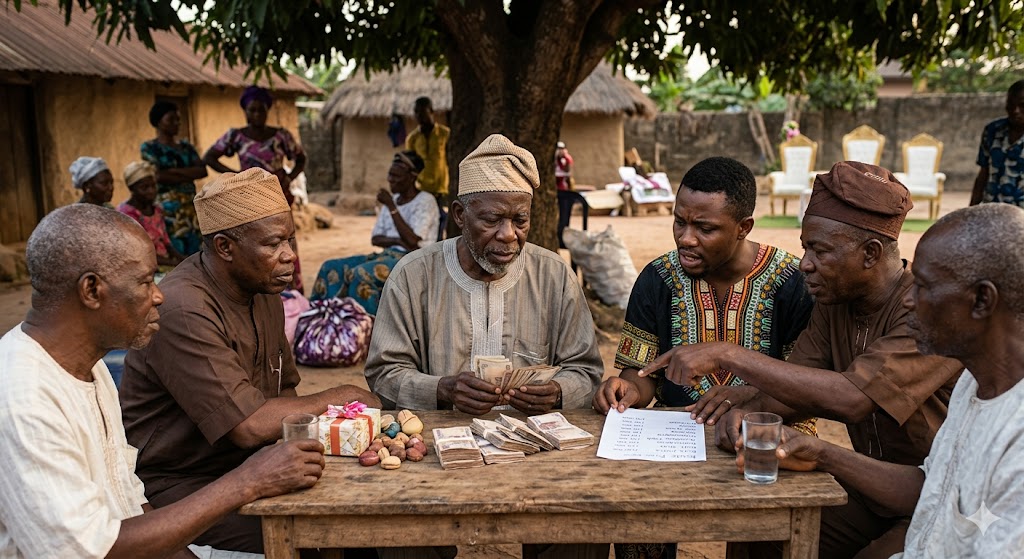
The Cost of Marriage in Nigeria: Bride Price, Weddings & Financial Pressure
Marriage in Nigeria is widely celebrated as a major life milestone, but behind the glamour, music, and cultural pride lies a growing financial burden. From bride price negotiations to traditional ceremonies and elaborate wedding receptions, the cost of getting married has increased significantly in recent years. For many Nigerian couples, especially in urban areas, marriage is no longer just a social event—it is a major financial project that can take months or even years to prepare for.
This rising cost is reshaping how people approach marriage, influencing when they marry, how they marry, and even whether they marry at all. Understanding these financial pressures is key to understanding modern Nigerian marriages.
Understanding Marriage Costs in Nigeria
Marriage in Nigeria typically involves three major financial components: bride price (dowry negotiations), traditional marriage ceremonies, and white wedding celebrations. Each of these comes with its own cultural expectations and financial demands.
While bride price is often symbolic in many communities, it can still involve cash payments, gifts, and ceremonial items. In some Yoruba communities, for example, bride price can be relatively modest, sometimes ranging between ₦5,000 and ₦20,000 depending on family tradition.
However, in other regions, expectations can be significantly higher. Across Nigeria, bride price arrangements vary widely, sometimes reaching hundreds of thousands or even over a million naira depending on the family and community involved.
This variation shows that bride price is not just a financial transaction—it is deeply tied to cultural identity, family status, and social expectations.
The Reality of Wedding Costs in Nigeria
Beyond bride price, the cost of weddings in Nigeria is where financial pressure becomes most visible. Weddings are often large social events involving extended family, friends, colleagues, and community members.
Recent data shows that Nigerian weddings can range from as low as ₦200,000 for very small ceremonies to over ₦20 million for luxury weddings in major cities.
For middle-class families, a typical wedding often costs between ₦5 million and ₦10 million, depending on guest size, location, and expectations.
Even simpler weddings can be expensive. Many couples report spending ₦1 million to ₦3 million on modest ceremonies, while larger events easily exceed ₦8 million to ₦10 million when venue, catering, decoration, and entertainment are included.
These figures highlight a major reality: marriage in Nigeria is often financially demanding regardless of income level.
Bride Price: Symbolism vs Financial Pressure
Traditionally, bride price was not meant to be a financial burden. It was a symbolic gesture of respect between families and a formal way of legitimizing marriage. However, over time, it has evolved in some communities into a more commercialized practice.
While some families still maintain symbolic bride price expectations, others include extensive lists of items, cash payments, and gifts. This has created tension between tradition and modern economic realities.
A major concern is that rising bride price expectations can delay marriage. Studies and cultural discussions suggest that high costs contribute to late marriages and even cohabitation among young couples who cannot meet traditional demands.
In practical terms, many young Nigerian men now see bride price as part of a broader financial obstacle to marriage rather than a simple cultural ritual.
Case Study 1: Lagos Young Professional Couple
In Lagos, a young couple working in banking and fashion design planned their wedding for over a year. Despite both earning stable incomes, they struggled with budgeting.
The bride’s family requested a traditional ceremony involving multiple cultural items, while the groom’s family expected a large wedding reception. By the time they accounted for venue booking, catering, attire, photography, and family obligations, their initial ₦4 million budget doubled.
The couple eventually scaled down their guest list and opted for a smaller hall to reduce costs. Still, the financial strain led to disagreements during planning, with both partners feeling overwhelmed by expectations from extended family.
This case reflects a common urban Nigerian experience where income is not always enough to meet social expectations around marriage.
Case Study 2: Rural Traditional Marriage in Enugu
In a rural community in Enugu, another couple experienced different but equally significant pressures. While their wedding costs were lower compared to urban weddings, the bride price negotiations and traditional requirements created tension.
The groom’s family had to provide cash, drinks, and traditional items requested by the bride’s family. Though the amounts were not excessive by urban standards, they were significant relative to rural income levels.
The couple also had to host extended family members for several days of celebration, increasing food and accommodation expenses.
This case shows that even in rural areas where weddings are less commercialized, financial pressure still exists due to cultural obligations and extended family participation.
Case Study 3: Abuja Middle-Class Dual-Income Household
In Abuja, a dual-income couple both working in government and private sector jobs faced a different challenge.
Although they had steady salaries, they underestimated the cost of “social expectations.” Friends, colleagues, and family members expected a large wedding ceremony in a hotel event center.
Their initial budget of ₦6 million quickly rose due to catering costs, decoration, and guest list expansion. In the end, they spent nearly ₦9 million on their wedding.
The couple later admitted that much of the spending was driven by external pressure rather than personal desire, highlighting how social expectations influence financial decisions in Nigerian marriages.
The Role of Social Pressure in Wedding Costs
One of the biggest drivers of high marriage costs in Nigeria is social expectation. Weddings are not just private ceremonies—they are public displays of family status, cultural pride, and social belonging.
Guest lists often expand beyond control due to extended family obligations. In many cases, couples feel pressured to invite colleagues, church members, neighbors, and family friends.
This leads to increased costs for food, drinks, venue size, seating, and souvenirs.
In addition, there is pressure to “do a proper wedding,” which often includes expensive outfits, professional photography, live entertainment, and elaborate decorations.
Financial Stress and Marital Stability
The cost of marriage does not end with the wedding day. In many cases, financial strain begins immediately after the ceremony.
Couples who spend heavily on weddings may start married life with debt or depleted savings. This creates early financial stress that can affect marital harmony.
Money-related disagreements are one of the most common causes of conflict in Nigerian marriages. When couples feel financially strained after wedding expenses, it can affect communication, trust, and emotional stability.
In some cases, financial pressure from wedding debt continues into the first years of marriage, creating long-term strain.
Cultural Expectations vs Economic Reality
Nigeria’s marriage system is deeply rooted in culture, but modern economic realities are increasingly challenging traditional expectations.
While families value grand celebrations, many young couples now prefer smaller, more affordable ceremonies. However, balancing cultural expectations with financial capacity remains difficult.
Some couples choose to prioritize traditional marriage ceremonies over large white weddings to reduce costs. Others spread wedding events over time or opt for simpler celebrations.
This shift reflects a growing awareness that marriage success is not determined by wedding size.
Real-Life Insight: “We Spent More Than Planned”
A common story among Nigerian couples is underestimating wedding costs.
Many couples start with a budget but end up spending significantly more due to unexpected expenses such as additional guests, last-minute vendor changes, or family requests.
One couple shared that they initially planned ₦2 million but eventually spent close to ₦3.5 million after accommodating family expectations and unforeseen costs.
This pattern highlights the importance of financial planning and realistic budgeting in Nigerian weddings.
Economic Implications of Marriage Costs
The rising cost of marriage also has broader social implications.
Some young Nigerians delay marriage due to financial pressure. Others choose cohabitation or informal unions while saving for formal ceremonies.
High marriage costs also affect household savings, investment opportunities, and financial independence after marriage.
At a societal level, expensive weddings contribute to financial inequality, as families with fewer resources may feel excluded from cultural expectations.
The Future of Marriage Costs in Nigeria
The future of marriage in Nigeria is likely to be shaped by economic realities and changing cultural attitudes.
More couples are expected to embrace simpler weddings, smaller guest lists, and budget-friendly ceremonies.
Digital platforms, wedding planning services, and financial awareness campaigns may also help couples manage costs more efficiently.
At the same time, cultural expectations around bride price and ceremonies are likely to persist, though they may gradually adapt to economic conditions.
Conclusion
Marriage in Nigeria is a beautiful cultural experience, but it comes with significant financial responsibilities. From bride price negotiations to elaborate wedding ceremonies, the cost of marriage continues to rise, placing pressure on couples and families.
While tradition remains important, many Nigerians are now rethinking how marriage should be celebrated in a way that balances cultural values with financial reality.
Ultimately, the sustainability of marriage in Nigeria may depend not on how much is spent on weddings, but on how well couples manage financial expectations before and after the ceremony.
Users can join groups/tribes on https://www.marriagehub.ng/all-groups or create groups on https://www.marriagehub.ng/create-tribes-group. Users can also purchase products, services and downloadable on https://www.marriagehub.ng/marketplace.
Follow us on
WhatsApp - https://whatsapp.com/channel/0029VbCav9MCcW4pw3GSM72w
X - https://x.com/MarriageHubNG
Facebook - https://web.facebook.com/MarriageHubNigeria
Instagram - https://www.instagram.com/marriagehubng3









.jpg)




Sign in to comment