 Nurturing Marriages, Enriching Families!
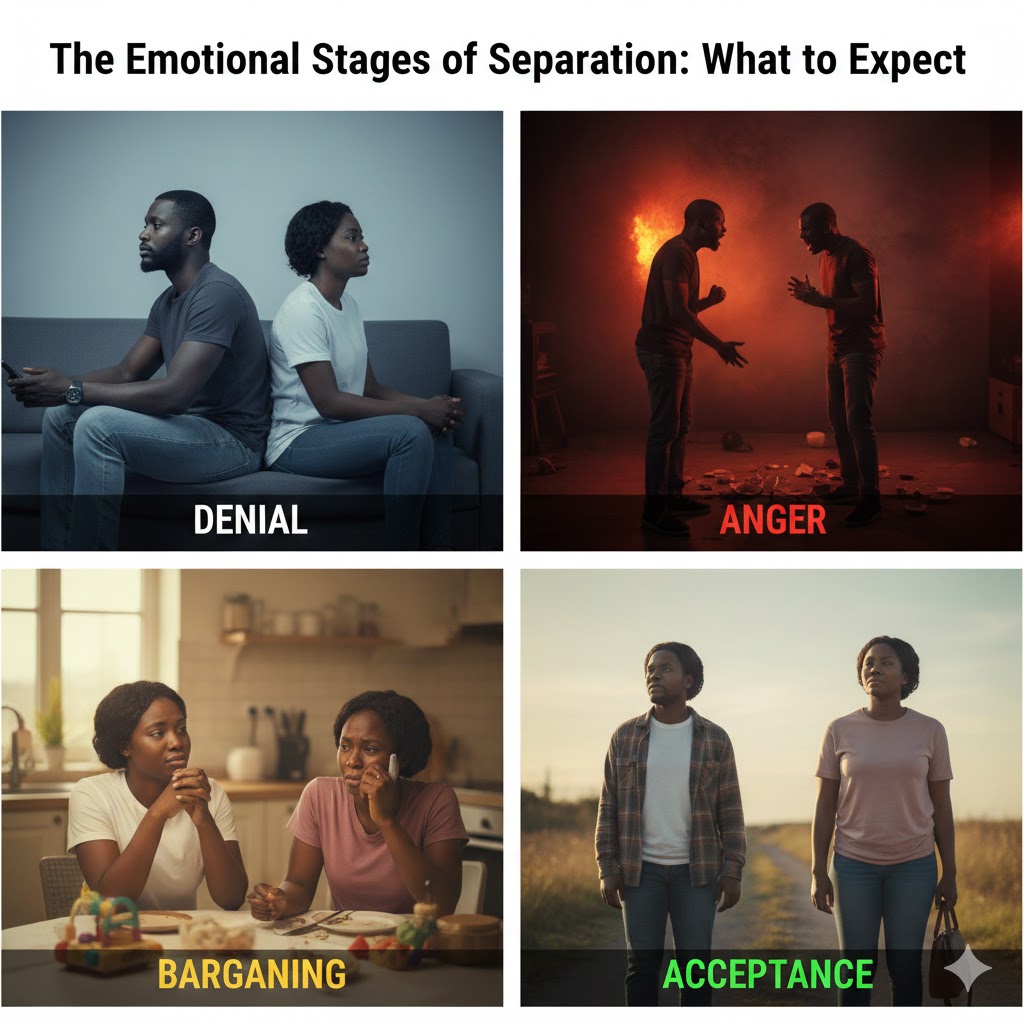
The Emotional Stages of Separation: What to Expect and How to Navigate Them in Marriage
Separation—whether temporary or permanent—is one of the most emotionally challenging experiences a couple can face. Even when the decision to separate feels necessary, it brings with it a flood of complex emotions: grief, fear, relief, anger, guilt, and uncertainty. Understanding the emotional stages of separation can help individuals navigate the experience with clarity, compassion, and intentionality, whether the goal is reconciliation or moving forward separately.
Separation does not always lead to divorce, but it does disrupt the rhythm, security, and identity of the marriage. Recognizing the emotional stages allows couples and individuals to respond thoughtfully rather than react impulsively, reducing unnecessary conflict and emotional harm.
Stage One: Shock and Disbelief
The initial stage of separation often begins with shock or disbelief. Even if the decision to separate was mutual, the reality of living apart, restructuring daily routines, or facing an uncertain future can feel surreal.
This stage may be accompanied by confusion, denial, or numbness. Individuals may struggle to process that the marriage is no longer functioning as it once did. Thoughts often oscillate between hope for reconciliation and fear of permanent loss.
For example, Ngozi was suddenly asked by her husband, Chike, for a temporary separation due to ongoing conflicts. Initially, she found it hard to grasp the situation, feeling both shocked and uncertain about what the separation meant for their family and future.
Stage Two: Emotional Pain and Grief
Once the initial shock subsides, the reality of separation sets in. Grief emerges as individuals mourn the loss of the marriage as it was. Emotional pain can manifest in sadness, crying, restlessness, and even physical symptoms such as fatigue or changes in appetite.
Grief is natural and necessary—it allows individuals to acknowledge the loss, process emotions, and begin the journey toward healing. Suppressing or ignoring grief can prolong emotional suffering and lead to bitterness or unresolved resentment.
During this stage, feelings may be intense and overwhelming. Partners may experience jealousy, anger, or regret as they reflect on their marriage’s challenges and missteps.
Stage Three: Anxiety and Fear of the Unknown
Separation often brings anxiety about the future. Questions about financial stability, parenting responsibilities, living arrangements, and social perception can create stress. Individuals may feel uncertain about their identity outside the marriage or worry about being alone.
This stage is marked by overthinking, self-doubt, and fear of making mistakes. Without careful support, anxiety can fuel conflict, impulsive decisions, or emotional withdrawal.
For instance, Tunde felt anxious when he and his wife decided to live separately for three months. He worried about how it would affect their children, extended family relationships, and his own emotional resilience.
Stage Four: Anger and Blame
As reality settles in, anger often emerges. Partners may blame each other for the separation or for past grievances that contributed to marital breakdown. This stage is natural but potentially destructive if not managed constructively.
Anger can be directed outwardly toward the spouse, or inwardly, leading to guilt and self-blame. Healthy navigation of this stage involves recognizing emotions, expressing them appropriately, and seeking constructive dialogue or counseling when necessary.
For example, Ada initially blamed her husband, Emeka, for years of neglect, while he internalized anger at what he perceived as her inflexibility. Through counseling, they learned to express anger without attacking each other, which reduced emotional damage.
Stage Five: Reflection and Self-Examination
After the intensity of grief and anger, reflection begins. Individuals examine their own role in the marital difficulties, personal patterns, and areas for growth. This stage is critical for self-awareness and healing, whether the goal is reconciliation or moving on.
Reflection allows partners to identify what they need from themselves, their spouse, and the marriage. It fosters emotional maturity and reduces the likelihood of repeating the same challenges in the future.
For instance, Chinyere realized that her need for constant validation had contributed to recurring conflicts. Recognizing this allowed her to take responsibility for her own emotional patterns while still addressing unmet needs in her marriage.
Stage Six: Acceptance and Adjustment
Acceptance does not mean surrendering to loss without hope; it means recognizing the reality of separation and adjusting to it emotionally and practically. Individuals begin to establish routines, manage responsibilities, and develop coping strategies.
Acceptance is often gradual, emerging as grief, anger, and anxiety diminish. It allows individuals to function effectively, make informed decisions, and interact with their spouse constructively.
During this stage, some couples find clarity about whether they want to reconcile, redefine the marriage, or move toward divorce. Emotional safety and open communication are key to navigating this transition successfully.
Stage Seven: Rebuilding or Letting Go
The final stage of separation involves either rebuilding the marriage or preparing to move on. Couples seeking reconciliation may work on communication, emotional intimacy, conflict resolution, and trust-building. Couples who choose to divorce begin planning a respectful transition that protects emotional and financial well-being.
Rebuilding requires intentional effort, honesty, and often professional support. Letting go requires self-compassion, acceptance, and the courage to embrace life beyond the marriage.
For example, Ifeoma and Uche used their separation as a period of growth. They attended counseling, learned new communication strategies, and reconnected emotionally. Their marriage emerged stronger, with clearer boundaries, deeper trust, and renewed commitment.
Supporting Emotional Health During Separation
Navigating separation successfully requires attention to emotional health:
-
Seek counseling: Professional guidance helps process emotions, manage conflict, and clarify decisions.
-
Maintain support networks: Friends, family, or support groups provide perspective and encouragement.
-
Practice self-care: Physical health, hobbies, and personal reflection reduce stress and promote resilience.
-
Communicate constructively: Clear boundaries, active listening, and honest dialogue minimize misunderstandings.
-
Prioritize children’s well-being: If children are involved, maintaining stability and minimizing conflict protects them from emotional harm.
Separation is a challenging process, but with intentional support and self-awareness, it can lead to personal growth, stronger communication skills, and, in some cases, a renewed marriage.
Conclusion: Separation Is a Process, Not a Destination
Separation is rarely simple. It involves a spectrum of emotions—from shock and grief to reflection and acceptance. Recognizing these stages allows individuals to navigate the process with clarity, empathy, and intentionality.
Whether the outcome is reconciliation or moving on, understanding the emotional journey helps couples manage pain, foster self-awareness, and make thoughtful decisions. Separation, when approached mindfully, can become a period of growth, clarity, and healing rather than simply loss.
Marriage challenges do not have to destroy hope. Emotional awareness, support, and intentional action can transform separation into an opportunity for understanding, growth, and healthier relationships in the future.






.jpg)

Sign in to comment