 Nurturing Marriages, Enriching Families!

The Importance of Family Values in Choosing a Life Partner
Choosing a life partner is one of the most important decisions anyone will ever make. While attraction, compatibility, education, and financial stability often dominate conversations about marriage, one factor that consistently determines long-term success is family values.
Family values shape how individuals see commitment, handle conflict, raise children, manage finances, practice faith, and interact with extended relatives. When two people share similar foundational values, their relationship has a stronger chance of stability, unity, and longevity. When those values clash, even deep affection may struggle to sustain the marriage.
In cultures where family plays a central role—such as in Nigeria and many other parts of the world—understanding and evaluating family values before marriage becomes even more critical.
What Are Family Values?
Family values are the core beliefs, principles, and traditions that guide how a family operates. They influence:
-
Attitudes toward marriage and divorce
-
Gender roles and responsibilities
-
Parenting philosophies
-
Religious practices
-
Financial management habits
-
Conflict resolution styles
-
Respect for elders and extended family involvement
These values are often learned unconsciously from childhood. They become deeply rooted patterns that influence adult behavior in relationships.
When choosing a life partner, you are not just choosing a person—you are choosing the value system they were raised with and the one they intend to build in their future home.
Why Family Values Matter More Than Chemistry
Chemistry can spark attraction, but values sustain commitment.
Many relationships begin with strong emotional and physical attraction. However, over time, everyday decisions—how to spend money, discipline children, celebrate holidays, or manage in-law relationships—begin to reveal deeper value differences.
If one partner believes strongly in collective family decision-making while the other prioritizes individual independence, tension may arise. If one believes divorce is unacceptable while the other sees it as an easy option during hardship, conflict may escalate quickly.
Shared family values create a common framework for decision-making. They reduce friction and provide a shared compass during difficult seasons.
The Role of Cultural Background
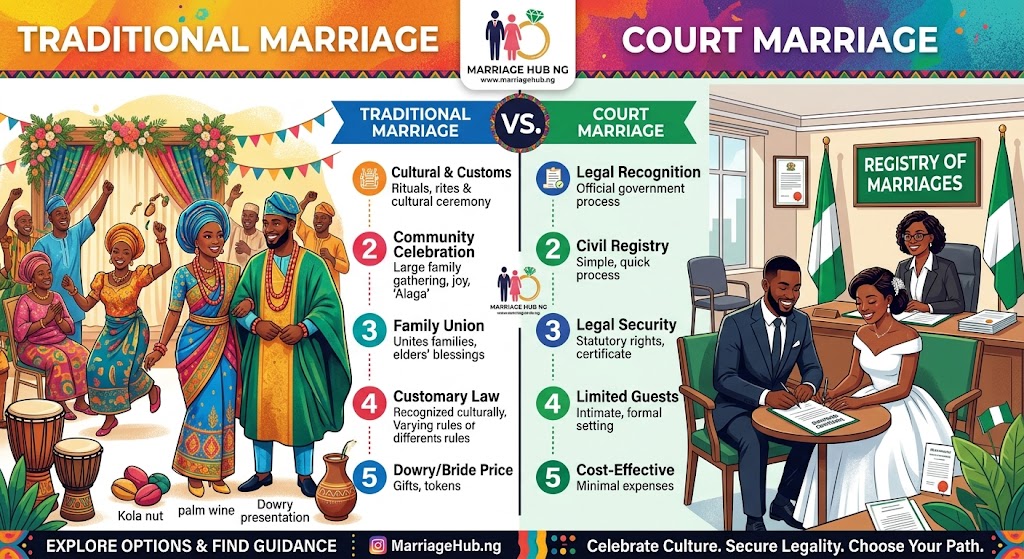
In societies where marriage extends beyond two individuals to include extended families, family values play a significant role. For example, in many Nigerian communities, marriage is not merely a private union but a joining of families.
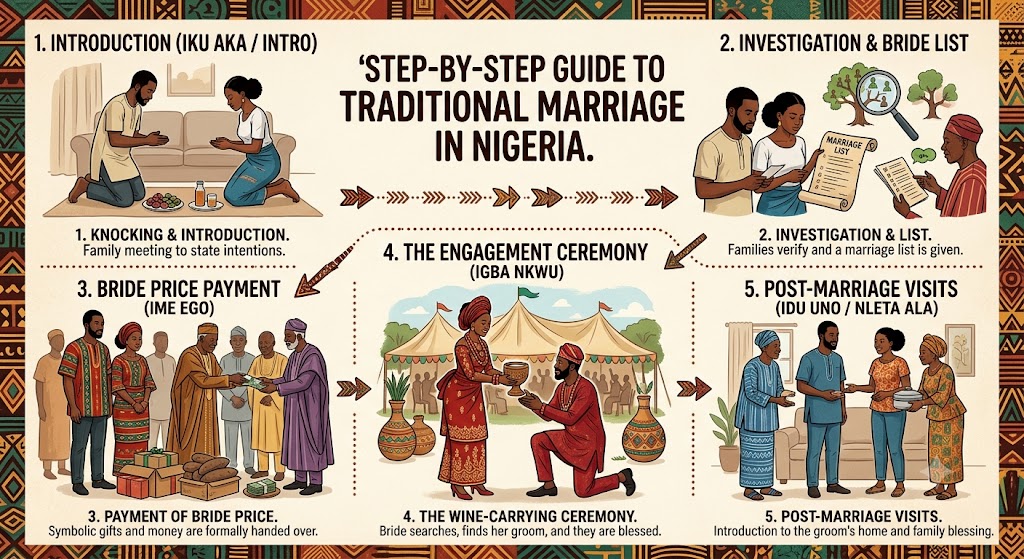
Respect for elders, traditional rites, community expectations, and family involvement in major decisions are common cultural elements. If two partners come from families with very different expectations regarding these practices, misunderstandings can arise.
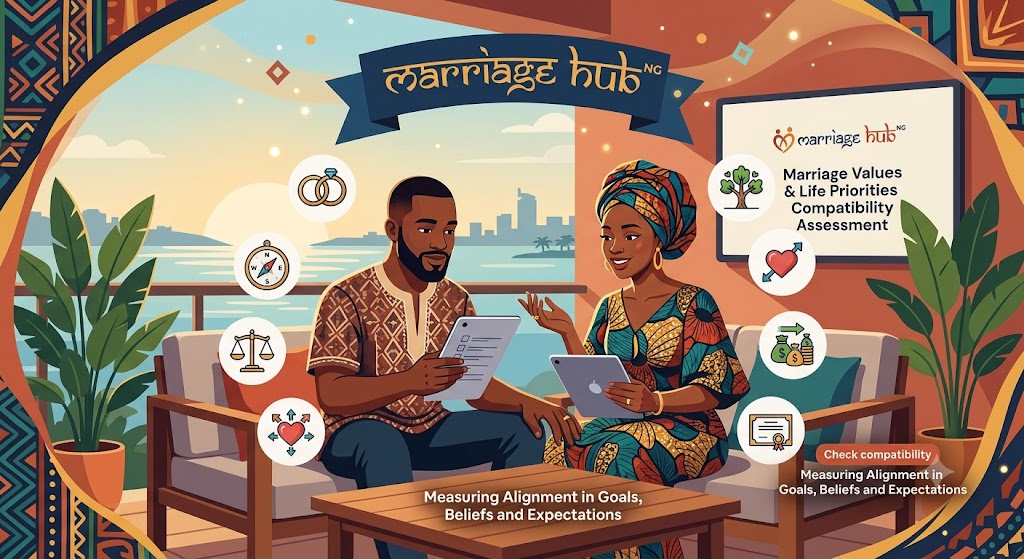
This does not mean intercultural or inter-tribal marriages cannot succeed. Rather, it means open conversations about family expectations are essential before commitment. Understanding each other’s cultural values allows couples to proactively align or negotiate differences.
Faith and Spiritual Alignment
For many individuals, spiritual beliefs form the foundation of family values. Faith influences how couples view commitment, forgiveness, leadership, submission, child-rearing, and moral boundaries.
When partners share similar spiritual convictions, they often find it easier to navigate conflict and maintain unity. Faith-based principles can provide a moral compass during crises.
However, when spiritual values differ significantly, challenges may emerge in areas such as:
-
Raising children
-
Worship practices
-
Lifestyle boundaries
-
Ethical decisions
Discussing spiritual expectations before marriage is crucial. It prevents future confusion and ensures both partners are aligned in the kind of home they want to build.
Parenting Philosophies
One of the most overlooked areas in choosing a life partner is parenting values.
Questions worth discussing include:
-
Should children be raised with strict discipline or gentle correction?
-
What role will extended family play in child-rearing?
-
What educational path is preferred—public, private, or homeschooling?
-
How important is religious instruction?
If one partner values strict authority while the other prefers democratic parenting, conflict may arise once children enter the picture.
Shared parenting values foster consistency, which is essential for a stable home environment.
Financial Values and Money Management
Financial disagreements are among the leading causes of marital conflict worldwide. However, money issues often reflect deeper value differences.
Some families emphasize aggressive saving and cautious spending. Others prioritize generosity, community support, or visible success. Some value joint financial management, while others prefer financial independence.
Before choosing a life partner, it is important to discuss:
-
Attitudes toward debt
-
Saving and investment habits
-
Financial transparency
-
Support for extended family
-
Lifestyle expectations
When couples align financially, they reduce stress and create long-term stability.
Conflict Resolution Styles
How someone handles disagreement often mirrors what they witnessed growing up.
In some families, conflict is addressed openly and immediately. In others, issues are suppressed or avoided. Some families use calm dialogue; others rely on raised voices or silent treatment.
If one partner values open discussion and the other shuts down during conflict, frustration may increase. Recognizing these patterns early allows couples to consciously develop healthier communication styles.
Shared commitment to respectful conflict resolution is a vital family value that strengthens marriage.
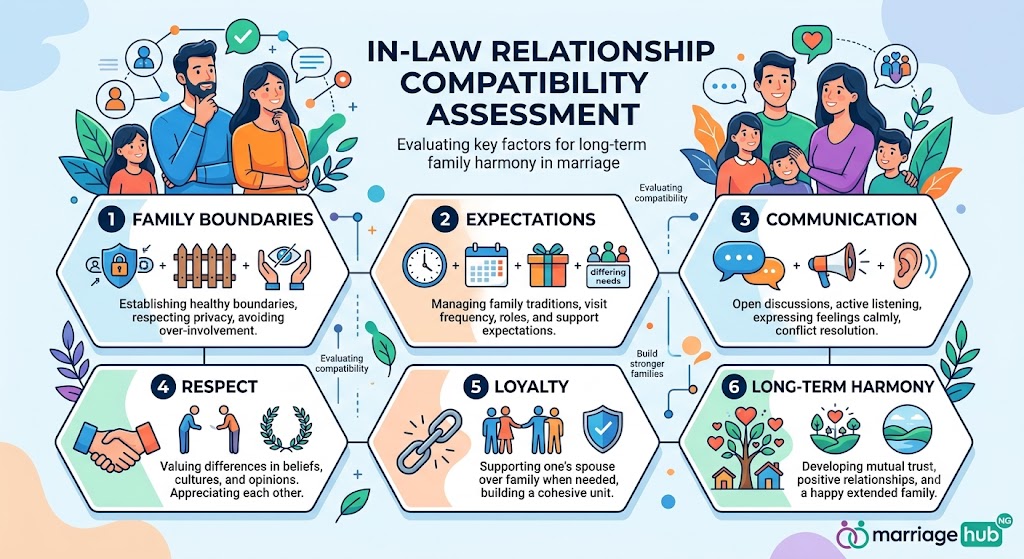
Respect for Extended Family
In many cultures, extended family plays an influential role in marriage. Decisions about finances, relocation, caregiving, and even parenting may involve relatives.
Before marriage, couples should discuss:
-
How much influence parents will have
-
Expectations around financial support for relatives
-
Boundaries with in-laws
-
Holiday traditions and obligations
Clear boundaries rooted in mutual respect prevent unnecessary tension. Choosing a partner who understands and respects your family structure reduces potential conflicts later.
Emotional Security and Stability
Family values also shape emotional habits. Individuals raised in supportive, affectionate homes may naturally express warmth and reassurance. Others raised in emotionally distant environments may struggle with vulnerability.
This does not mean someone from a difficult background cannot build a healthy marriage. However, awareness is essential. Both partners should be willing to grow and develop healthier patterns where needed.
Choosing a life partner who values emotional safety, accountability, and personal growth increases the likelihood of long-term harmony.
Long-Term Vision and Legacy
Family values influence how couples view the future.
Some prioritize career ambition and financial legacy. Others emphasize community service, ministry, or extended family cohesion. Some value simplicity and privacy, while others value social status and visibility.
Discussing long-term vision ensures alignment. Questions to consider include:
-
What kind of home environment do we want?
-
What values do we want our children to inherit?
-
How do we define success as a family?
-
What legacy do we hope to leave behind?
Shared vision rooted in common values strengthens commitment during challenging seasons.
Identifying Red Flags
While love may encourage optimism, ignoring serious value conflicts can create long-term strain.
Potential red flags include:
-
Disrespect toward family members
-
Extreme financial irresponsibility
-
Dismissal of your deeply held beliefs
-
Refusal to discuss future goals
-
Inconsistent moral standards
-
Lack of accountability or growth mindset
Addressing these concerns before marriage is far easier than trying to change deeply rooted values afterward.
Can Different Values Work?
No two individuals share identical backgrounds. Differences are inevitable. What matters is not complete similarity but compatibility and willingness to compromise.
Couples can successfully navigate differences when:
-
They respect each other’s backgrounds
-
They communicate openly about expectations
-
They establish shared family principles moving forward
-
They prioritize unity over external pressure
The key is intentional conversation and mutual agreement.
Practical Steps Before Commitment
To evaluate family values effectively before choosing a life partner:
-
Observe how they treat their parents and siblings.
-
Discuss how conflict was handled in their home growing up.
-
Talk about financial expectations openly.
-
Explore parenting philosophies.
-
Clarify spiritual alignment.
-
Set boundaries around extended family involvement.
-
Define your shared vision for the future.
Premarital counseling can also help uncover hidden assumptions and align expectations.
Building a Shared Family Culture
Marriage is not only about merging two histories; it is about creating a new legacy. Even if partners come from different backgrounds, they can intentionally design a shared family culture rooted in agreed values.
This involves:
-
Defining core principles
-
Establishing healthy communication patterns
-
Creating financial systems
-
Setting spiritual routines
-
Agreeing on parenting standards
Intentionality transforms potential differences into strengths.
Conclusion
The importance of family values in choosing a life partner cannot be overstated. While attraction and compatibility matter, shared foundational principles determine long-term success.
Family values influence communication, finances, parenting, spirituality, conflict resolution, and extended family relationships. When couples align in these areas, they build marriages characterized by unity, resilience, and mutual respect.
Before committing to a lifetime partnership, take time to understand not only who your partner is—but what they believe about family, commitment, and legacy.
A strong marriage begins with shared values, intentional conversations, and a unified vision for the future.








.jpg)

Sign in to comment