 Nurturing Marriages, Enriching Families!

The Legal Process of Divorce in Nigeria
Divorce is a life-altering event that impacts both partners, their families, and often their finances. Understanding the legal process of divorce in Nigeria can help couples navigate the process with clarity, protect their rights, and minimize conflict. While divorce is never easy, being informed about legal requirements, procedures, and alternatives empowers individuals to make thoughtful decisions and preserve dignity throughout the process.
This article provides a comprehensive guide to the divorce process in Nigeria, including grounds for divorce, legal steps, financial and child custody considerations, and ways to maintain amicable resolutions.
Understanding Divorce in Nigeria
In Nigeria, divorce is the legal dissolution of a marriage recognized by either customary law, Islamic law, or the statutory Marriage Act. The process varies depending on the type of marriage and the laws governing it.
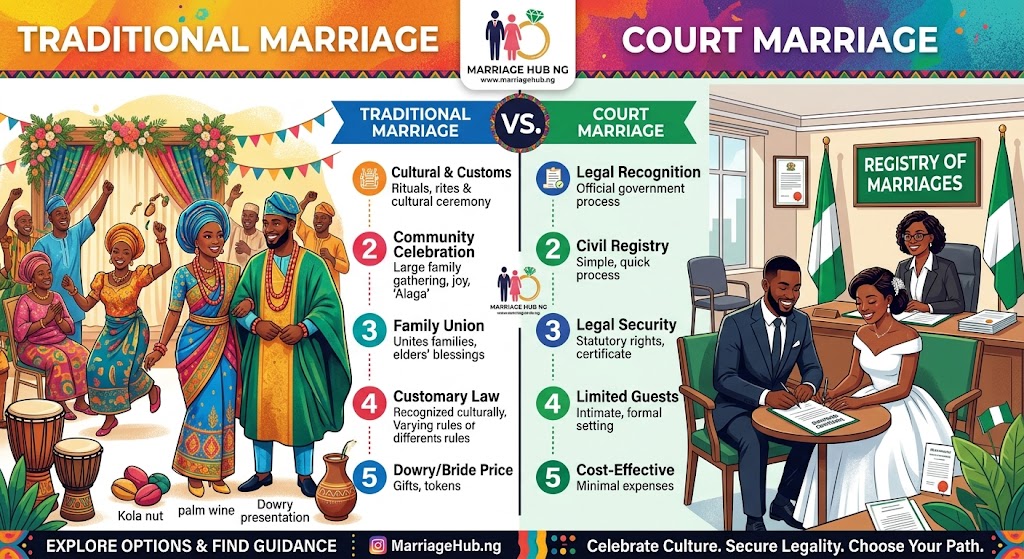
Types of Marriage in Nigeria
-
Statutory Marriage (Civil Marriage): Governed by the Marriage Act, this is the formal legal marriage conducted in a registry or court.
-
Customary Marriage: Governed by Nigerian customary laws, often reflecting ethnic traditions and practices.
-
Islamic Marriage: Governed by Sharia law in states where it applies, following Islamic principles.
The legal grounds, procedures, and implications of divorce differ based on the type of marriage.
Grounds for Divorce in Nigeria
To file for divorce, a petitioner must have valid grounds recognized by law. Common grounds include:
1. Irretrievable Breakdown of Marriage
This is the most common reason cited in Nigeria. The Marriage Act allows a court to dissolve a marriage if it is proven that the marriage has broken down beyond repair. Evidence may include:
-
Adultery by one spouse
-
Excessive unreasonable behavior
-
Desertion for at least two years
-
Continuous separation for a significant period (usually two to five years)
2. Adultery
Adultery occurs when one spouse engages in sexual relations outside the marriage. It is a recognized ground for divorce if the innocent spouse provides sufficient proof.
3. Cruelty or Unreasonable Behavior
Physical, emotional, or psychological abuse, or behavior that makes life intolerable, is a valid ground for divorce. Courts often consider evidence such as medical records, witness testimony, and written statements.
4. Desertion
Desertion occurs when one spouse abandons the other for a continuous period (typically two years or more) without consent. Desertion must be deliberate and unjustified.
5. Other Grounds
Depending on customary or Sharia law, additional grounds may include:
-
Infertility or inability to consummate the marriage
-
Mutual consent divorce under customary law agreements
-
Conversion or abandonment under Islamic law
Steps in the Legal Divorce Process
1. Filing a Petition
The spouse seeking divorce, known as the petitioner, must file a petition at the appropriate court. Required documents include:
-
Marriage certificate
-
Statement of grounds for divorce
-
Any supporting evidence (witness statements, medical records, or proof of desertion)
-
Affidavits and court forms
2. Serving the Petition
The petitioner must formally serve the divorce petition to the other spouse (respondent). The respondent has the right to respond, agree, or contest the divorce.
3. Response and Reconciliation Efforts
In many cases, the court encourages reconciliation through:
-
Mediation
-
Counseling sessions
-
Family intervention
If reconciliation fails, the court proceeds to hear the case.
4. Court Hearings
During hearings, both parties may present evidence supporting their claims. Witnesses can be called to provide testimony. The court examines:
-
Validity of the marriage
-
Grounds for divorce
-
Evidence supporting claims of misconduct, adultery, or desertion
5. Grant of Divorce
If the court is satisfied that the grounds for divorce are valid and that reconciliation is impossible, it grants a decree of divorce.
-
Decree Nisi: Temporary decree indicating that the court is satisfied the marriage has broken down.
-
Decree Absolute: Final decree legally ending the marriage, typically issued six months after the Decree Nisi.
Custody of Children
Divorce proceedings often involve determining the custody of children. Nigerian courts prioritize the welfare of the child, considering:
-
Age and gender of the child
-
Physical and emotional needs
-
Ability of each parent to provide care
-
Existing bonds and living arrangements
Custody arrangements may include:
-
Sole Custody: One parent has primary responsibility while the other has visitation rights.
-
Joint Custody: Both parents share decision-making and responsibilities, though one may be the primary caregiver.
-
Visitation Rights: The non-custodial parent has access rights to maintain a relationship with the child.
Division of Property and Assets
Dividing assets and property is a critical component of divorce. Nigerian courts consider:
-
Marital property acquired during the marriage
-
Contributions of each spouse (financial and non-financial)
-
Existing debts or liabilities
-
Agreements in prenuptial or postnuptial contracts
Courts aim for equitable distribution, which may not always be an equal split but seeks fairness based on contribution and need.
Financial Settlements and Maintenance
Spousal support or alimony may be awarded to ensure the financial well-being of the dependent spouse. Factors considered include:
-
Duration of the marriage
-
Income and earning potential of each spouse
-
Standard of living during the marriage
-
Needs of children and dependents
Courts can also award maintenance for children, including education, health care, and general welfare.
Alternative Dispute Resolution (ADR)
To avoid lengthy court proceedings, couples may consider ADR methods such as:
-
Mediation: A neutral mediator helps the couple negotiate terms of divorce, child custody, and property division.
-
Collaborative Divorce: Each party works with their lawyers to reach agreements outside court.
-
Arbitration: A legal professional makes binding decisions based on evidence and agreements.
ADR is often faster, less stressful, and more cost-effective than formal court processes.
Tips for Navigating Divorce Legally in Nigeria
-
Consult a Qualified Lawyer: Legal expertise ensures compliance with Nigerian laws and protection of rights.
-
Maintain Documentation: Keep records of marriage certificates, property documents, debts, and financial statements.
-
Communicate Respectfully: Avoid unnecessary conflict and maintain decorum, especially if children are involved.
-
Consider Counseling: Emotional support helps both parties manage stress and make rational decisions.
-
Plan Financially: Prepare for potential maintenance, asset division, and relocation costs.
-
Be Patient: Divorce proceedings can take time, and rushing may lead to unfavorable outcomes.
Emotional and Psychological Considerations
Divorce is not only a legal process but also an emotional journey. Couples should:
-
Seek professional counseling for themselves and children
-
Maintain support systems with family and friends
-
Avoid taking children as leverage during disputes
-
Focus on co-parenting strategies to ensure children’s stability
Balancing emotional needs with legal responsibilities promotes healthier post-divorce adjustment.
Conclusion
The legal process of divorce in Nigeria can be complex, but understanding the steps, grounds, and potential outcomes helps couples navigate it effectively. From filing petitions to custody, property division, and maintenance, being informed ensures that both parties’ rights and responsibilities are protected.
While divorce is challenging, approaching it with preparation, transparency, and professional guidance minimizes conflict and fosters fair outcomes. Understanding your legal options, maintaining open communication, and considering alternative dispute resolution can preserve dignity, safeguard assets, and promote well-being for all involved, especially children.
Divorce does not have to mark the end of personal growth or future happiness. With careful planning and legal knowledge, couples can transition to the next chapter of life with clarity and confidence.
Join the MarriageHub Community
You don’t have to navigate divorce or marital challenges alone. MarriageHub provides resources, support, and communities to help couples strengthen their emotional, legal, and relational well-being.
👉 Join groups or tribes here: https://www.marriagehub.ng/all-groups
👉 Create your own relationship group or tribe here: https://www.marriagehub.ng/create-tribes-group
You can also explore helpful products, services, and downloadable resources designed to strengthen marriages in our marketplace:





.jpg)


Sign in to comment