 Nurturing Marriages, Enriching Families!
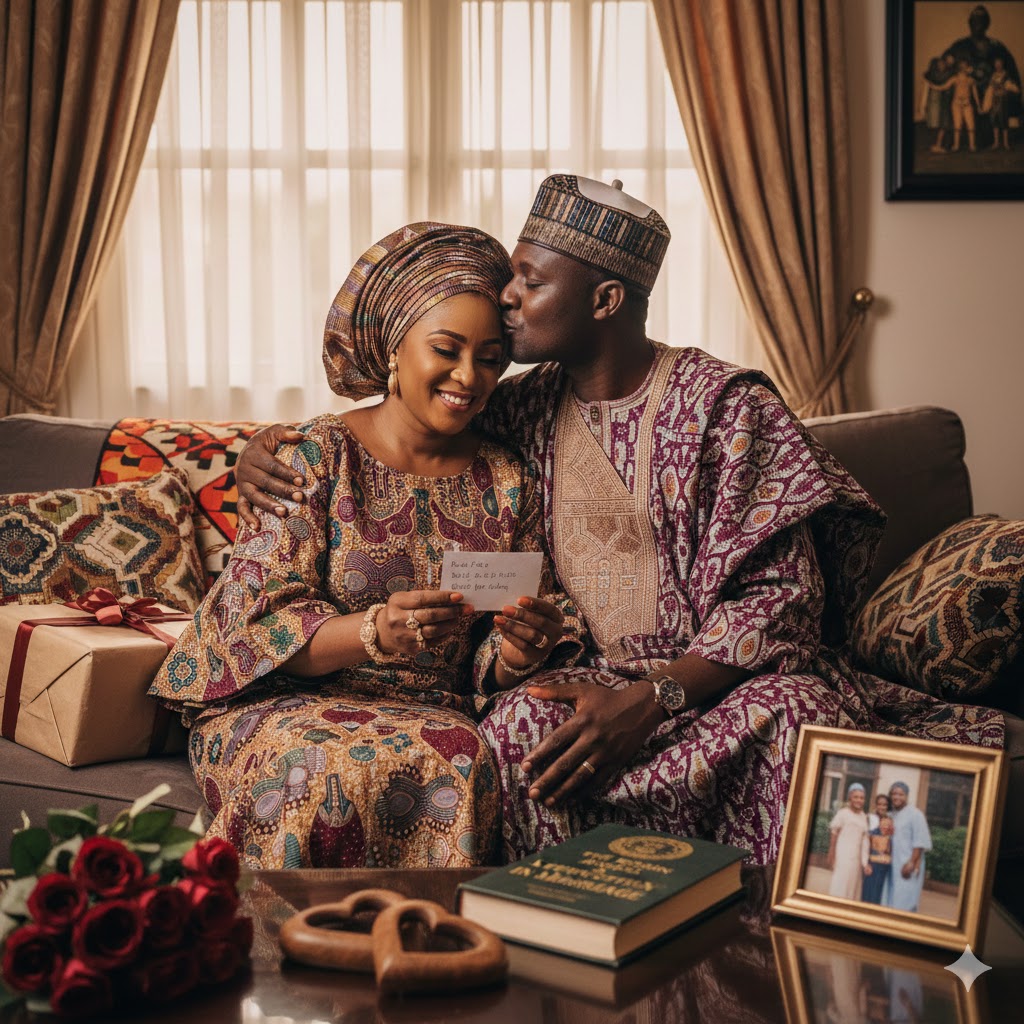
The Role of Appreciation and Affection in Marriage: Why Feeling Valued Sustains Love
Many marriages do not struggle because partners stop loving each other. They struggle because partners stop expressing love in ways that feel meaningful. Appreciation and affection are two of the most powerful, yet most neglected, forces in long-term marriages. When they are present, love feels alive and safe. When they are absent, even the strongest commitment can begin to feel empty.
Appreciation and affection are not extras in marriage. They are emotional necessities. They reassure partners that they are seen, valued, and desired—not just needed for roles they perform.
Why Love Alone Is Not Enough
Love is the foundation of marriage, but love that is not expressed eventually feels invisible. Many couples assume their partner already knows they are loved, so saying or showing it feels unnecessary. Over time, this assumption creates emotional distance.
Marriage is sustained not just by knowing you are loved, but by feeling loved regularly.
Appreciation communicates value.
Affection communicates closeness.
Together, they create emotional security.
Understanding Appreciation in Marriage
Appreciation is the recognition of effort, character, and presence. It is acknowledging what your partner contributes emotionally, practically, and relationally.
In many marriages, especially in high-pressure environments like Nigeria where responsibility is emphasized, effort is often noticed only when it is missing. When things are done well, they are taken for granted.
Simple appreciation—spoken sincerely—can transform how a partner experiences the marriage. Words like “Thank you,” “I see what you do,” or “I couldn’t do this without you” validate effort and restore motivation.
Appreciation reminds partners that they matter beyond obligation.
Affection as Emotional Connection
Affection is the emotional language of closeness. It includes touch, warmth, kindness, and gentle expressions of love. Affection reassures partners that they are emotionally safe and desired.
As marriages mature, affection often becomes conditional—shown only when everything is going well or reserved solely for sexual intimacy. When everyday affection disappears, emotional closeness weakens.
Affection outside the bedroom—holding hands, hugging, sitting close, gentle touches—builds emotional bonding that strengthens intimacy overall.
How Appreciation and Affection Work Together
Appreciation speaks to worth.
Affection speaks to closeness.
A marriage may have affection without appreciation, which can feel shallow. Or appreciation without affection, which can feel distant. Healthy marriages nurture both consistently.
When partners feel appreciated, they are more open emotionally. When they feel affection, they are more secure. Together, these experiences create emotional safety where love can grow.
The Cost of Neglecting Appreciation and Affection
When appreciation and affection are absent, resentment often takes their place. Partners may feel used, unseen, or emotionally alone—even while living together.
This emotional neglect rarely causes immediate conflict. Instead, it creates quiet dissatisfaction that slowly erodes connection.
Real-life scenario:
Ibrahim worked long hours to support his family. His wife, Zainab, managed the home and children tirelessly. Neither felt appreciated. Over time, frustration grew. They loved each other, but both felt invisible. When they began intentionally expressing appreciation and showing affection daily, emotional warmth returned, and conflict reduced significantly.
Appreciation Reduces Conflict
Feeling appreciated lowers defensiveness. When partners feel valued, they are more patient, more forgiving, and more willing to compromise.
Many arguments are not about the issue at hand, but about feeling unrecognized. Appreciation diffuses tension by affirming goodwill.
A simple acknowledgment can prevent many unnecessary conflicts.
Affection Builds Emotional Safety
Affection reassures partners during stressful seasons. It communicates, “We are okay, even when life is hard.”
When affection is present, disagreements feel less threatening. Partners trust that conflict will not destroy the relationship because emotional connection remains intact.
Affection is a stabilizing force.
Cultural Realities and Emotional Expression
In many cultures, including parts of Nigeria, emotional expression—especially from men—is not always encouraged. Love is often shown through provision rather than words or touch.
While provision is important, emotional expression fills a different need. Marriage thrives when both partners learn to express appreciation and affection in ways their spouse can receive.
Emotional expression is not weakness; it is relational strength.
Appreciation and Affection Through Life’s Seasons
Marriages go through seasons—growth, stress, parenting, loss, transition. Appreciation and affection help couples remain connected through change.
When life is demanding, these expressions matter even more. They remind partners that they are not alone and that their effort is seen.
Love survives seasons because appreciation and affection sustain emotional resilience.
Why Small Expressions Matter Most
Grand gestures are memorable, but daily expressions shape emotional reality. Small, consistent acts of appreciation and affection accumulate over time, building trust and security.
A kind word, a gentle touch, a warm smile—these are not insignificant. They are the emotional language of lasting love.
Consistency matters more than intensity.
Relearning How to Express Love
Some partners struggle to express appreciation or affection because it was not modeled for them. These skills can be learned.
Marriage is not about perfection; it is about growth. Couples who intentionally learn to express love strengthen not only their relationship, but themselves.
Effort matters more than style.
Conclusion: Feeling Valued Keeps Love Alive
Marriage flourishes where appreciation and affection are practiced intentionally. They are the emotional nutrients that keep love alive long after novelty fades.
When partners feel valued and emotionally connected, marriage becomes a place of safety, warmth, and joy—not just responsibility.
Love does not thrive on assumption. It thrives on expression.
Appreciation and affection are not optional in marriage. They are essential.





.jpg)


Sign in to comment