 Nurturing Marriages, Enriching Families!
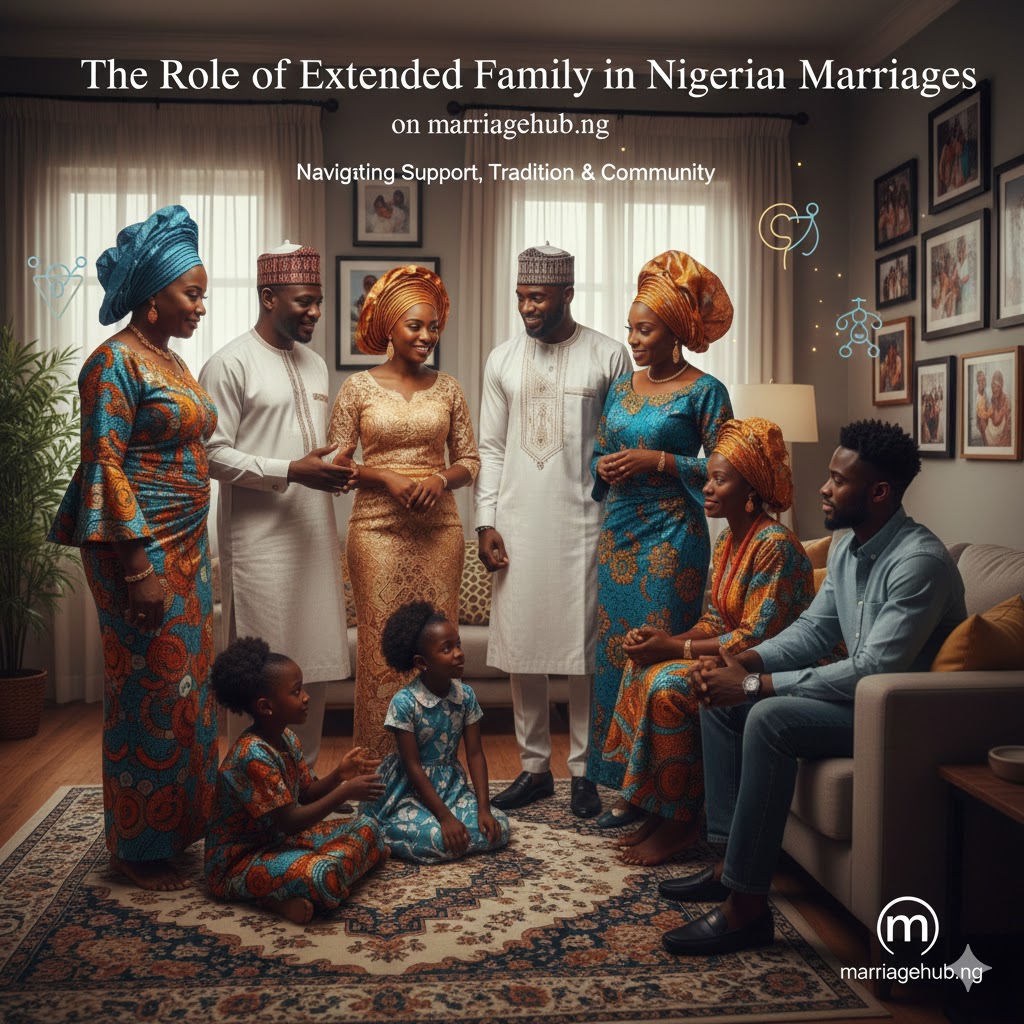
The Role of Extended Family in Nigerian Marriages
Marriage in Nigeria is rarely viewed as a union between two individuals alone. It is commonly understood as a union between two families. From traditional introduction ceremonies to wedding celebrations and post-marital support systems, extended family plays a powerful role in shaping Nigerian marriages.
While this communal approach to marriage can provide strength, support, and stability, it can also introduce complexity and conflict. Understanding the role of extended family in Nigerian marriages is essential for couples who want to build peaceful, thriving homes.
This article explores the cultural, emotional, financial, and spiritual dimensions of extended family involvement—and how couples can manage these dynamics wisely.
Marriage in Nigeria: A Family Affair
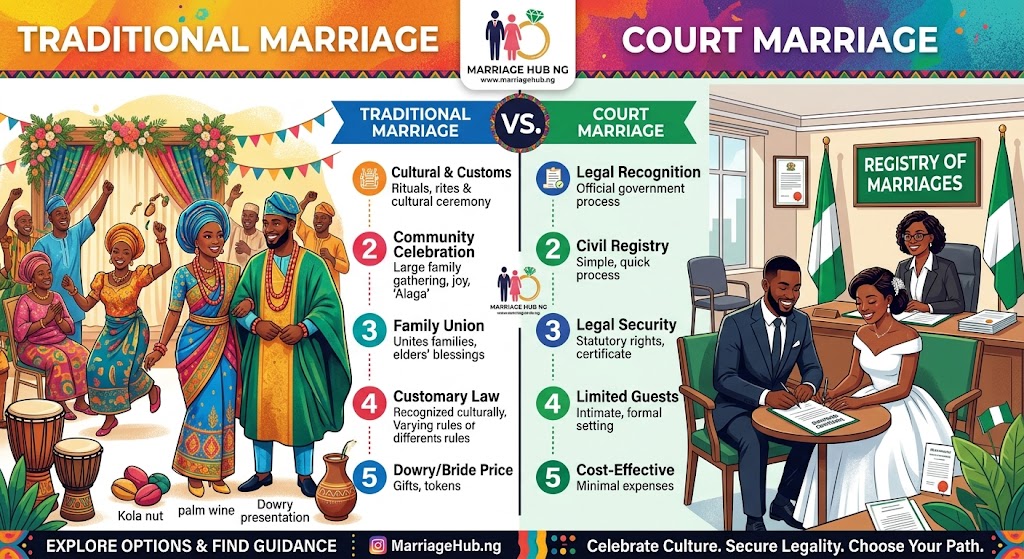
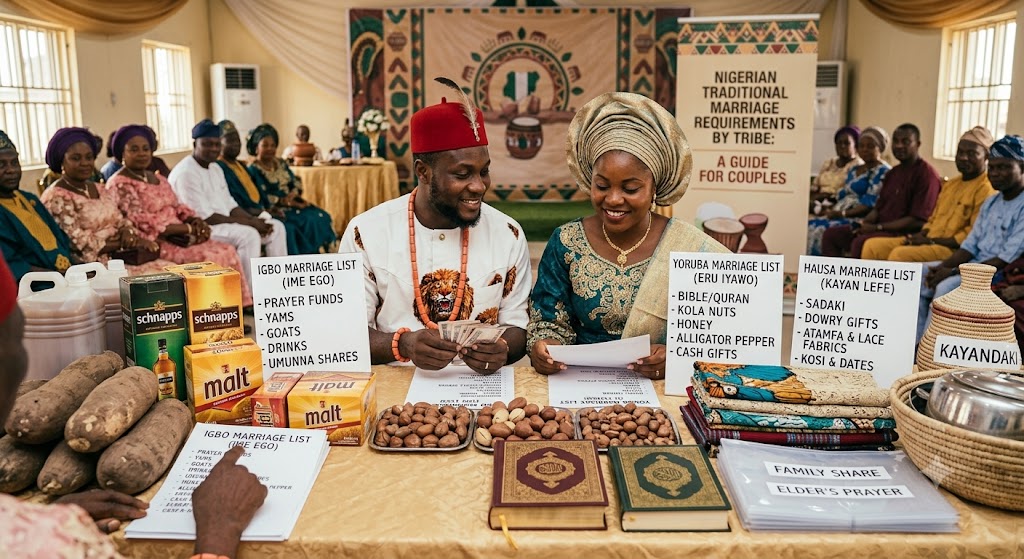
In many parts of Nigeria, marriage is not merely a private decision. It involves consultations with elders, formal introductions, and negotiations between families. Among the Igbo, Yoruba, and Hausa communities, family endorsement often carries significant weight.
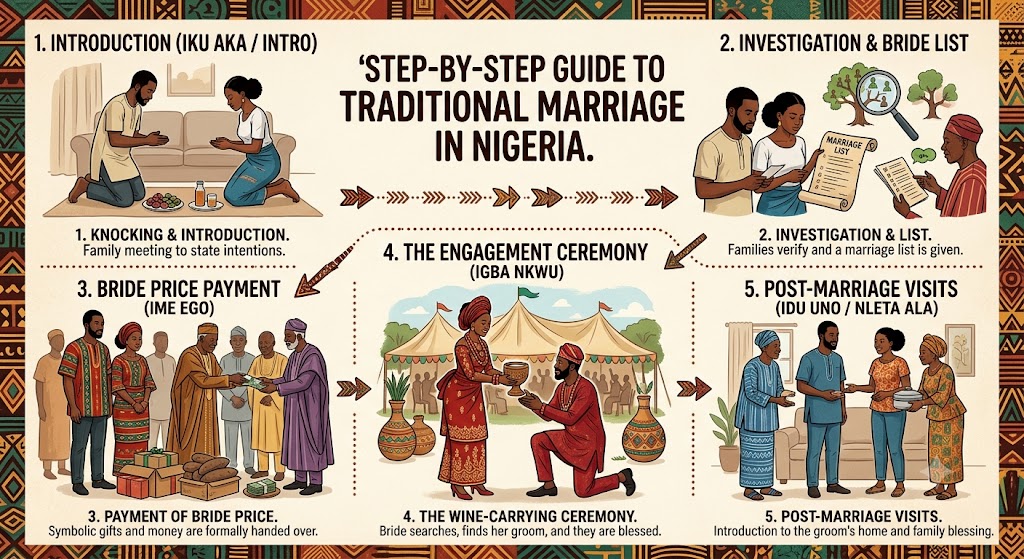
Traditional marriage rites may include:
-
Bride price negotiations
-
Family investigations
-
Extended family meetings
-
Cultural blessings and ceremonies
These processes reinforce the idea that marriage is communal. Families feel invested because they have actively participated from the beginning.
This deep involvement creates both benefits and challenges.
The Positive Role of Extended Family
1. Emotional Support
Extended family often provides emotional stability, especially during difficult seasons. In times of financial hardship, illness, infertility struggles, or marital disagreements, relatives may step in with advice and encouragement.
Unlike Western nuclear systems, Nigerian marriages are rarely isolated. Parents, siblings, uncles, and aunties often function as informal counselors and mediators.
2. Financial and Practical Assistance
Extended families frequently assist with:
-
Childcare
-
Housing support
-
Business funding
-
Wedding expenses
-
Emergency financial needs
In some communities, newlyweds temporarily live with family members while establishing themselves financially. This communal system reduces the burden on young couples.
3. Cultural Continuity
Extended family ensures that cultural values and traditions are preserved. They teach:
-
Respect for elders
-
Proper greetings
-
Marriage customs
-
Parenting expectations
-
Conflict resolution methods
This continuity strengthens identity and belonging.
4. Conflict Mediation
In many Nigerian cultures, elders intervene when serious marital disputes arise. Rather than immediately seeking divorce, couples often involve respected family members to mediate.
This structure can promote reconciliation and accountability.
The Challenges of Extended Family Involvement
While support is valuable, excessive involvement can strain marriages.
1. Boundary Issues
One of the most common problems in Nigerian marriages is blurred boundaries. Parents may:
-
Interfere in decision-making
-
Criticize a spouse openly
-
Demand financial contributions
-
Influence parenting choices
When couples fail to establish boundaries, resentment may build.
2. Loyalty Conflicts
Spouses sometimes struggle between loyalty to their parents and loyalty to their partner.
The Bible in Genesis 2:24 teaches that a man shall leave his father and mother and cleave to his wife. This does not mean abandoning parents but shifting primary loyalty to the spouse.
When loyalty remains divided, unity suffers.
3. Financial Pressure
Extended family obligations can create heavy financial burdens. Expectations may include:
-
Supporting unemployed relatives
-
Funding ceremonies
-
Paying school fees for siblings
-
Hosting frequent visitors
Without clear communication, these pressures can destabilize a marriage.
4. Cultural Expectations vs. Modern Realities
Urbanization in cities like Lagos, Abuja, and Port Harcourt has changed family structures. Nuclear families are becoming more common, yet extended expectations remain strong.
This creates tension between traditional norms and modern economic realities.
Balancing Respect and Independence
A successful Nigerian marriage requires balancing respect for extended family with marital independence.
Couples should:
-
Make decisions privately before announcing them.
-
Present a united front.
-
Avoid criticizing each other to relatives.
-
Communicate boundaries respectfully.
Unity discourages manipulation and external division.
The Role of In-Laws
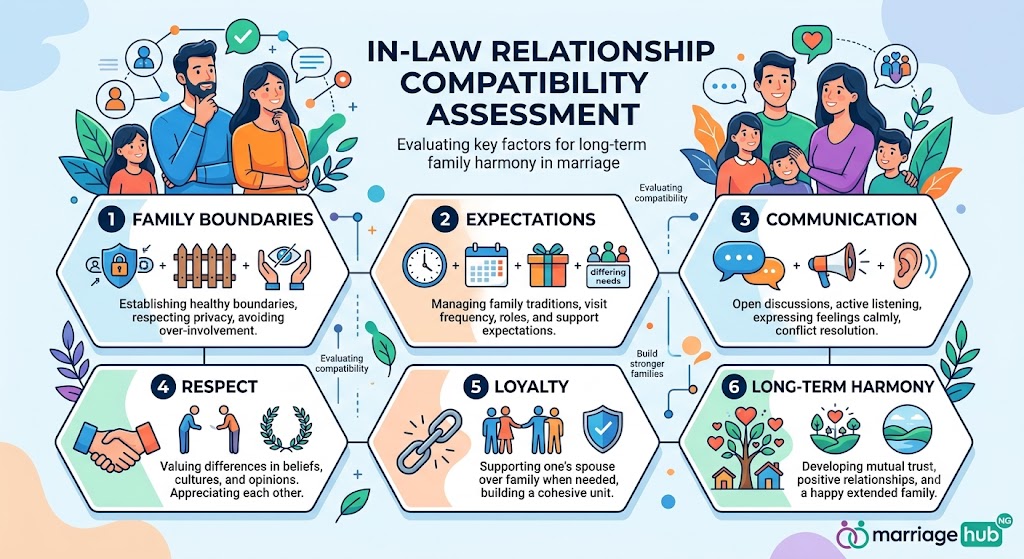
In-law relationships significantly influence marital stability.
Positive in-law relationships provide:
-
Guidance
-
Wisdom
-
Support during childbirth
-
Cultural instruction
However, negative dynamics—such as favoritism, comparisons, or interference—can cause emotional distress.
Healthy in-law relationships require:
-
Mutual respect
-
Clear communication
-
Firm but gentle boundaries
-
Emotional maturity
Spouses must defend each other respectfully when unfair criticism arises.
Living Arrangements and Proximity
In some Nigerian settings, couples live close to or within the extended family compound. While proximity strengthens support systems, it may reduce privacy.
Privacy is crucial for marital intimacy. Couples should strive for:
-
Physical space where possible
-
Emotional boundaries
-
Independent decision-making
Even when living nearby, maintaining autonomy protects the relationship.
Extended Family and Child Rearing
Grandparents and relatives often contribute to child-rearing. This communal approach provides benefits such as:
-
Moral guidance
-
Cultural education
-
Shared caregiving responsibilities
However, conflicting parenting philosophies can create tension.
Couples must agree on parenting standards and communicate them respectfully to extended family members.
Consistency benefits children.
Managing Financial Obligations Wisely
Financial strain is one of the leading causes of marital conflict. In Nigeria’s communal culture, financial responsibility often extends beyond the nuclear family.
To maintain stability:
-
Create a family budget.
-
Decide together how much support is sustainable.
-
Avoid secret financial commitments.
-
Communicate limitations clearly.
Generosity should not compromise marital peace.
The Spiritual Perspective
From a biblical perspective, marriage is a covenant designed by God.
The Bible emphasizes unity, love, and sacrificial leadership. Extended family should support—not undermine—that unity.
When cultural expectations conflict with marital harmony, couples must prioritize God’s design for marriage.
Prayer, mutual respect, and spiritual maturity help navigate difficult situations.
Conflict Resolution and Mediation
When conflicts arise involving extended family:
-
Discuss the issue privately as a couple first.
-
Approach the relative calmly and respectfully.
-
Seek mediation from a neutral, wise elder if necessary.
-
Avoid public embarrassment.
Handling issues maturely prevents long-term resentment.
Intertribal Marriages and Extended Family Dynamics
Intertribal marriages are increasingly common in Nigeria. When partners come from different ethnic backgrounds, extended family expectations may differ significantly.
This can affect:
-
Wedding ceremonies
-
Language use at home
-
Cultural rituals
-
Child naming traditions
Couples should discuss these matters early and seek compromise where possible.
Respect for both families strengthens unity.
Protecting the Marriage from Toxic Influence
Not all extended family involvement is healthy. Some situations may involve:
-
Manipulation
-
Constant criticism
-
Emotional abuse
-
Attempts to control decisions
In such cases, stronger boundaries are necessary.
Romans 12:18 in the Bible encourages believers to live peaceably as much as possible. However, peace does not require tolerating toxicity.
Protecting the marriage sometimes requires limiting access.
Building a United Front
One of the most effective strategies for managing extended family influence is unity.
When spouses:
-
Communicate openly
-
Agree on major decisions
-
Support each other publicly
-
Correct each other privately
They reduce external interference.
Division invites intrusion.
Appreciating the Strength of Community
Despite challenges, the Nigerian extended family system remains one of the country’s greatest strengths.
It promotes:
-
Shared responsibility
-
Emotional resilience
-
Social security
-
Cultural pride
Rather than rejecting extended family involvement entirely, couples should aim to harness its benefits while managing its risks.
Practical Tips for Couples
-
Set boundaries early in marriage.
-
Avoid discussing marital conflicts with multiple relatives.
-
Respect elders even when disagreeing.
-
Prioritize your spouse above all others.
-
Pray together about family decisions.
Consistency builds stability.
Final Thoughts
The role of extended family in Nigerian marriages is profound and multifaceted. It offers support, identity, and community, but it can also introduce pressure and conflict if not managed wisely.
Marriage thrives when couples balance respect for family with independence, unity, and clear boundaries.
The Bible teaches that marriage creates a new primary bond—one that should not be easily divided by external influences.
By embracing the strengths of extended family while protecting marital unity, Nigerian couples can build homes that are both culturally rich and emotionally secure.
In the end, harmony is not about eliminating extended family involvement—it is about guiding it with wisdom, respect, and love.





.jpg)
Sign in to comment