 Nurturing Marriages, Enriching Families!
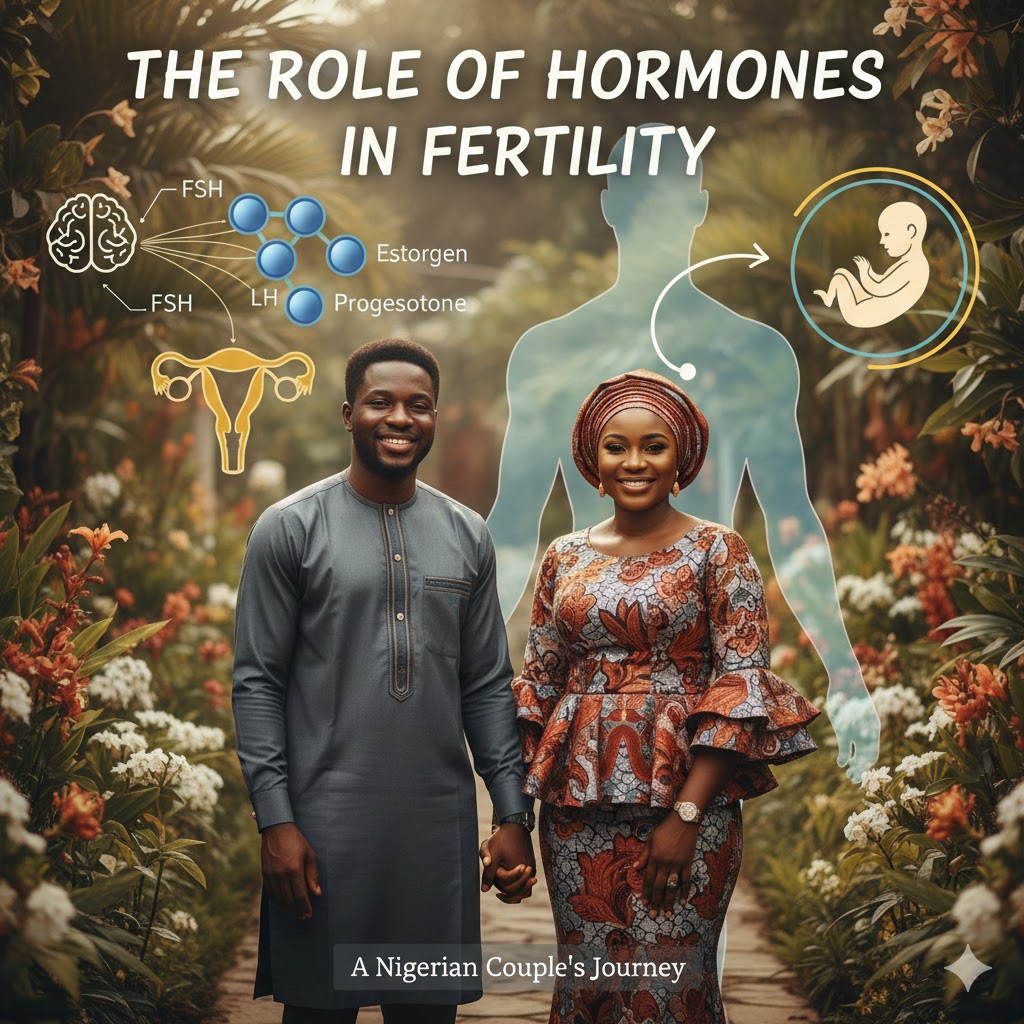
The Role of Hormones in Fertility: A Guide for Nigerian Couples
Fertility is a complex process influenced by many factors, but hormones play a central role in enabling conception. For Nigerian couples trying to conceive, understanding how hormones affect fertility, ovulation, and reproductive health is essential for making informed decisions and taking proactive steps toward parenthood.
Hormonal imbalances are a common cause of infertility in both men and women, and they can often be managed with lifestyle changes, medical interventions, or targeted fertility treatments. This article explores the key hormones involved in fertility, how they affect conception, common hormonal disorders, and practical strategies for Nigerian couples to optimize hormonal health.
Understanding Hormones and Their Role in Fertility
Hormones are chemical messengers produced by glands in the body. They regulate critical processes including growth, metabolism, mood, and reproductive function. In the context of fertility, hormones control ovulation, sperm production, implantation, and the maintenance of pregnancy.
Female Hormones
-
Follicle-Stimulating Hormone (FSH):
-
Stimulates the growth of ovarian follicles (egg-containing sacs).
-
Low or high levels can impair ovulation and reduce fertility.
-
-
Luteinizing Hormone (LH):
-
Triggers ovulation (release of a mature egg from the ovary).
-
Imbalances can prevent ovulation, leading to infertility.
-
-
Estrogen:
-
Supports the growth and health of the uterine lining for implantation.
-
Regulates the menstrual cycle and prepares the body for pregnancy.
-
-
Progesterone:
-
Maintains the uterine lining after ovulation to support early pregnancy.
-
Low progesterone can cause early miscarriage or difficulty conceiving.
-
-
Anti-Müllerian Hormone (AMH):
-
Indicates ovarian reserve (the number of eggs remaining).
-
Low AMH levels may suggest reduced fertility potential.
-
-
Thyroid Hormones:
-
Hypothyroidism or hyperthyroidism can disrupt ovulation and menstrual regularity.
-
-
Prolactin:
-
Excess prolactin can inhibit ovulation and affect menstrual cycles.
-
Male Hormones
-
Testosterone:
-
Vital for sperm production, libido, and sexual health.
-
Low testosterone can reduce sperm count and motility.
-
-
Follicle-Stimulating Hormone (FSH) in Men:
-
Stimulates sperm production in the testes.
-
-
Luteinizing Hormone (LH) in Men:
-
Stimulates testosterone production, indirectly supporting sperm health.
-
-
Thyroid Hormones:
-
Imbalances may affect sperm quality and sexual function.
-
-
Prolactin:
-
Elevated levels in men can reduce libido and sperm production.
-
Understanding these hormones allows couples to identify potential problems and seek appropriate interventions.
Hormonal Imbalances and Fertility Challenges
Common Hormonal Issues in Women
-
Polycystic Ovary Syndrome (PCOS):
-
Characterized by elevated androgens and irregular cycles.
-
Leads to irregular ovulation or anovulation (no ovulation).
-
-
Hypothyroidism or Hyperthyroidism:
-
Disrupts menstrual cycles, ovulation, and early pregnancy maintenance.
-
-
Low Progesterone:
-
Affects implantation and increases risk of miscarriage.
-
-
High Prolactin (Hyperprolactinemia):
-
Can suppress ovulation and prevent conception.
-
Common Hormonal Issues in Men
-
Low Testosterone:
-
Reduces sperm count and motility.
-
-
Elevated Estrogen:
-
Can impair sperm production and libido.
-
-
Thyroid Disorders:
-
Affect sperm quality, volume, and sexual function.
-
-
High Prolactin:
-
Can lead to low libido and decreased fertility.
-
Hormonal imbalances are often treatable with medications, lifestyle adjustments, or assisted reproductive techniques.
How Hormones Influence Conception
Hormones regulate every stage of conception:
-
Ovulation:
-
FSH and LH control follicle development and egg release.
-
Timing intercourse around ovulation increases conception chances.
-
-
Sperm Production:
-
Testosterone, FSH, and LH influence sperm count, motility, and morphology.
-
-
Uterine Environment:
-
Estrogen and progesterone prepare and maintain the uterine lining for implantation.
-
-
Early Pregnancy:
-
Progesterone maintains the uterine lining; hCG (human chorionic gonadotropin) supports early pregnancy.
-
-
Communication Between Partners:
-
Hormonal synchronization between partners (e.g., pheromonal signals) can influence sexual attraction and reproductive readiness.
-
In Nigeria, couples often discover fertility challenges when trying to conceive for a year or more, and hormone testing is a critical part of evaluation.
Hormonal Testing for Nigerian Couples
Fertility clinics in Nigeria offer a variety of hormone tests:
For Women
-
Blood tests for FSH, LH, AMH, estrogen, progesterone, prolactin, and thyroid hormones.
-
Timing of tests is critical: FSH is often measured on day 3 of the menstrual cycle, while progesterone is tested in the luteal phase.
-
Ultrasound may complement hormone testing to evaluate ovarian follicles and uterine health.
For Men
-
Blood tests for testosterone, FSH, LH, prolactin, and thyroid function.
-
Semen analysis evaluates sperm quality, while hormonal testing identifies underlying endocrine issues.
Real-Life Nigeria Scenario: A Lagos couple struggling to conceive underwent hormone testing after six months of TTC. The woman had slightly elevated prolactin, while the man had borderline low testosterone. With medical intervention, lifestyle adjustments, and counseling, they were able to improve fertility and conceive within a year.
Lifestyle Factors That Affect Hormones and Fertility
Hormonal balance is influenced not only by genetics and age but also by lifestyle choices. Nigerian couples can adopt several practices to optimize hormonal health:
-
Balanced Nutrition: Include leafy vegetables (ugu, ewedu), fish, lean meats, nuts, and whole grains. Avoid excessive sugar and processed foods.
-
Regular Exercise: Supports weight management, reduces stress, and improves insulin sensitivity, particularly important for women with PCOS.
-
Stress Management: High stress increases cortisol, which can interfere with reproductive hormones. Prayer, meditation, and hobbies help manage stress.
-
Adequate Sleep: Sleep deprivation disrupts hormonal cycles and reproductive health.
-
Avoid Harmful Substances: Reduce alcohol, tobacco, and recreational drug use.
By making these lifestyle changes together, Nigerian couples can support fertility naturally while also strengthening their relationship.
Hormonal Treatments for Fertility
When lifestyle changes are insufficient, medical interventions may be necessary:
For Women
-
Clomiphene Citrate: Stimulates ovulation in women with irregular cycles or anovulation.
-
Letrozole: Alternative ovulation-inducing drug for women with PCOS.
-
Progesterone Supplements: Support luteal phase and early pregnancy.
-
Thyroid Medications: Treat hypothyroidism or hyperthyroidism to restore fertility.
-
Dopamine Agonists: Reduce high prolactin levels that impair ovulation.
For Men
-
Testosterone Therapy (Cautious Use): Sometimes used under medical supervision, but excessive testosterone can suppress sperm production.
-
Clomiphene or hCG: Stimulate natural testosterone production and improve sperm quality.
-
Lifestyle Adjustments: Weight management, nutrition, and reduced alcohol can improve hormonal balance.
Real-Life Nigeria Scenario: A couple in Abuja discovered that the woman’s progesterone was low after ovulation. With timed progesterone supplementation and lifestyle adjustments, she successfully carried a pregnancy to term.
Hormones and Assisted Reproductive Techniques (ART)
Hormonal regulation is central to treatments like IVF, IUI, and ICSI:
-
IVF: Involves controlled ovarian stimulation with FSH and LH to produce multiple eggs for retrieval.
-
IUI: Timing is guided by LH surges and ovulation prediction kits.
-
ICSI: Hormonal monitoring ensures optimal egg quality for fertilization.
Hormonal support during ART cycles improves implantation rates and reduces the risk of early pregnancy loss.
Emotional and Relational Impact of Hormonal Challenges
Hormonal imbalances can affect more than fertility—they influence mood, energy, and sexual function:
-
Women: Estrogen and progesterone fluctuations can cause irritability, anxiety, or low libido.
-
Men: Low testosterone can reduce motivation, sexual desire, and confidence.
Supporting each other emotionally, maintaining intimacy, and seeking counseling are essential for Nigerian couples facing hormone-related fertility issues.
Real-Life Nigerian Couples’ Experiences
-
Lagos Couple: Hormone tests revealed elevated prolactin in the wife. With dopamine agonist therapy, lifestyle changes, and marital support, she conceived within nine months.
-
Abuja Couple: Male-factor infertility was linked to low testosterone. Through medication, improved diet, and regular exercise, sperm quality improved, leading to conception via IUI.
-
Port Harcourt Couple: The woman had PCOS with high androgen levels. A combination of Letrozole, weight management, and counseling helped regulate cycles and achieve pregnancy.
These cases illustrate that understanding and addressing hormonal issues can significantly improve fertility outcomes.
Practical Tips for Nigerian Couples
-
Seek Early Evaluation: Don’t wait; hormonal issues can be addressed effectively with timely intervention.
-
Maintain Open Communication: Share emotional experiences and support each other throughout testing and treatment.
-
Adopt a Healthy Lifestyle: Nutrition, exercise, sleep, and stress management all support hormonal health.
-
Follow Medical Advice: Take medications and supplements as prescribed and attend all monitoring appointments.
-
Embrace Counseling: Fertility challenges can be emotionally taxing; professional support helps couples cope.
-
Protect Intimacy: Keep the relationship strong through physical and emotional connection.
-
Set Boundaries: Manage societal and family pressures to reduce additional stress.
Conclusion
Hormones are the cornerstone of fertility, regulating ovulation, sperm production, implantation, and early pregnancy. For Nigerian couples, understanding hormonal health, recognizing imbalances, and seeking timely medical and lifestyle interventions are key to increasing the chances of conception.
Fertility challenges related to hormones can be addressed through medical treatments, assisted reproductive techniques, lifestyle modifications, and emotional support. Couples who communicate openly, support each other, and prioritize both emotional and physical intimacy during this journey often experience better outcomes and stronger relationships.
By combining knowledge, proactive medical care, and mutual support, Nigerian couples can navigate fertility challenges effectively, bringing hope, resilience, and the possibility of parenthood.










.jpg)



Sign in to comment