 Nurturing Marriages, Enriching Families!
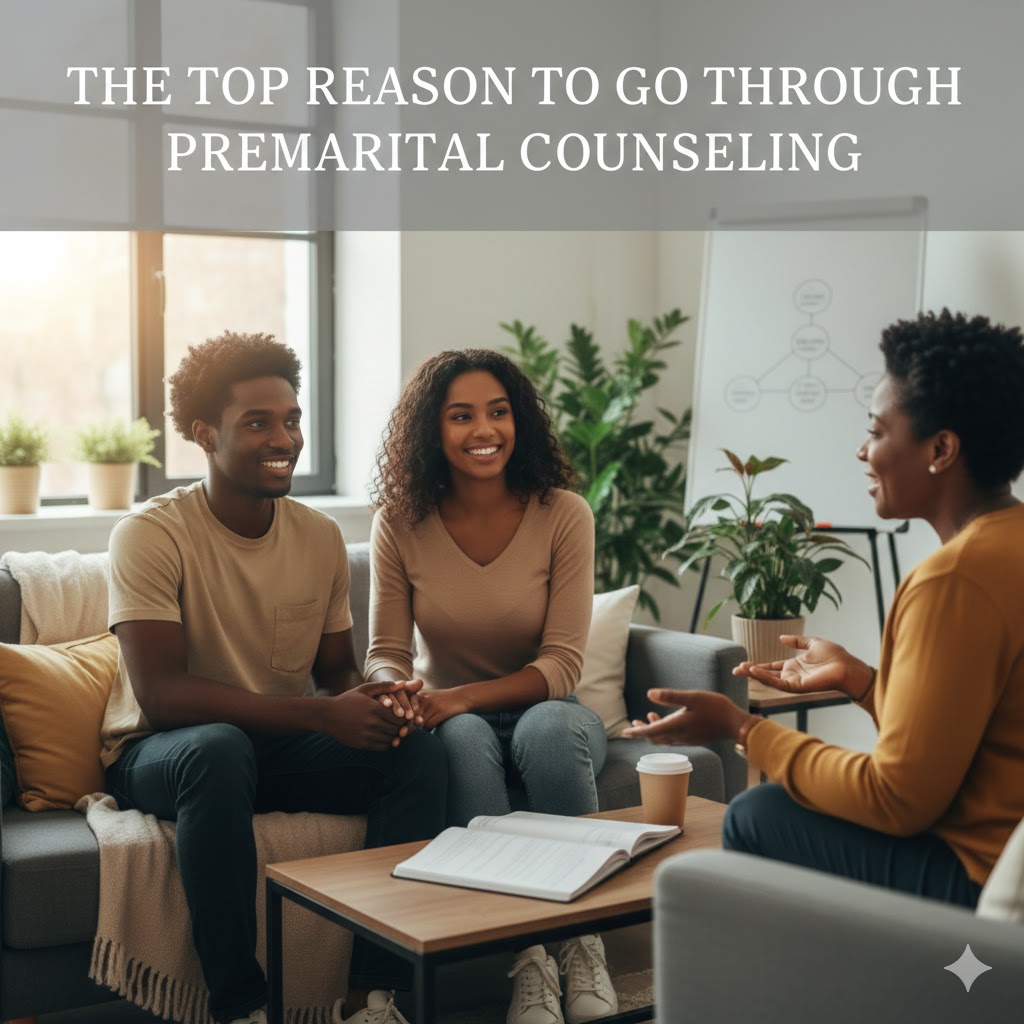
The Top Reason to Go Through Premarital Counseling
You're engaged. You're in love. You've found the person you want to spend the rest of your life with. In this season of celebration and anticipation, it's easy to focus entirely on the wedding—the dress, the venue, the guest list, the cake. But what about the marriage itself?
This is where premarital counseling enters the picture. While many couples view it as an optional extra or something only for those experiencing problems, research and relationship experts tell a different story. Premarital counseling is one of the smartest investments you can make in your future together. But if you could only choose one reason to prioritize it, what would be the most important?
After examining the evidence and listening to countless couples who've been through the process, one reason stands above all others. Let's explore the top reason to go through premarital counseling—and why it could make all the difference in your marriage.
What Is Premarital Counseling?
Before diving into the top reason, it's helpful to understand what premarital counseling actually involves. Premarital counseling is a type of therapy designed to help couples prepare for marriage . It provides a structured, supportive space to discuss important topics, identify potential challenges, and develop essential relationship skills before saying "I do."
A typical premarital counseling program covers several key areas:
-
Communication skills: Learning to express needs and listen effectively
-
Conflict resolution: Developing tools for healthy disagreement
-
Financial planning: Discussing debt, spending habits, and financial goals
-
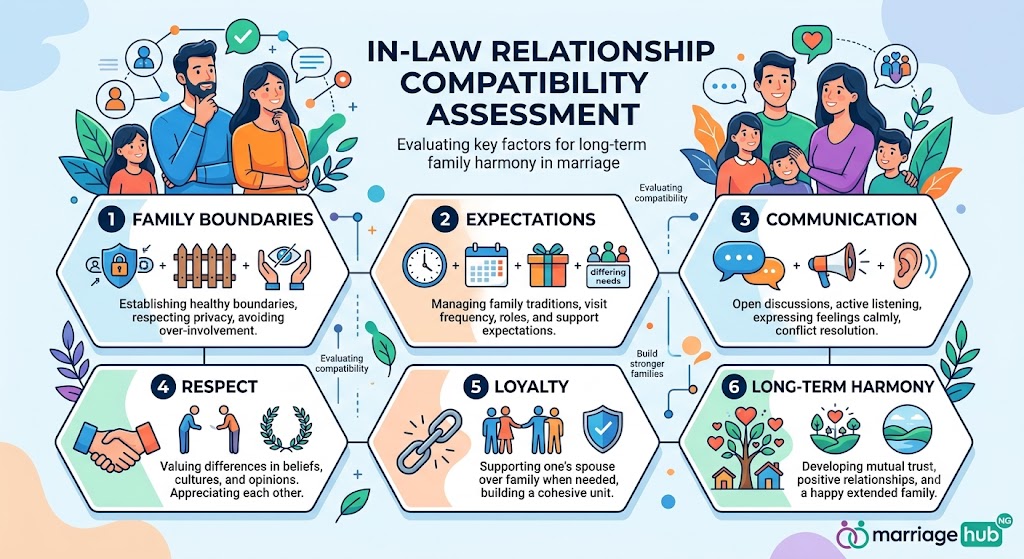
Family expectations: Exploring roles, boundaries, and relationships with in-laws
-
Intimacy and affection: Understanding each other's needs for connection
-
Children and parenting: Aligning on family planning and parenting philosophies
-
Faith and values: Discussing the role of spirituality in your marriage
The process can be led by a licensed therapist, a religious leader like a pastor or priest, or through structured programs offered by community organizations or even online platforms .
Many Good Reasons
There are numerous compelling reasons to pursue premarital counseling. Let's acknowledge them before zeroing in on the primary one.
Premarital counseling reduces the risk of divorce. Studies consistently show that couples who participate in premarital education have stronger marriages and lower divorce rates . It's preventative medicine for your relationship.
It uncovers blind spots. Every couple has topics they've avoided or assumptions they've made. A skilled counselor helps bring these hidden issues into the light before they become sources of conflict .
It improves communication. Many couples don't realize how poorly they communicate until they learn better tools. Counseling teaches practical skills for expressing needs and listening with empathy .
It creates realistic expectations. Hollywood and social media have sold us myths about marriage. Counseling helps couples develop a grounded, realistic view of what marriage actually involves .
It strengthens commitment. By investing time and energy in preparation, couples deepen their commitment and enter marriage with greater confidence .
All of these are excellent reasons. But one rises above them all as the true foundation upon which everything else rests.
The Top Reason: You Learn to Navigate Conflict Constructively
The single most important reason to go through premarital counseling is this: it teaches you how to navigate conflict in ways that strengthen rather than destroy your relationship.
Think about that for a moment. The quality that most determines whether a marriage thrives or fails is not how much you love each other, not how compatible you are, not even whether you share the same values—though all of these matter. The critical factor is how you handle disagreements.
The Inevitability of Conflict
Every couple will face conflict. It is not a sign that you've chosen the wrong person or that your relationship is failing. Conflict is inevitable when two unique individuals with different backgrounds, personalities, and perspectives commit to sharing a life together.
As relationship expert Dr. John Gottman's decades of research have shown, 69% of problems in marriage are unsolvable . They are perpetual issues rooted in fundamental differences between partners. The goal of a healthy marriage is not to eliminate these differences, but to learn to manage them with respect, empathy, and love.
This is where most couples get into trouble. Without proper tools, they default to destructive patterns:
-
Criticism that attacks character rather than addressing behavior
-
Contempt that communicates disgust and superiority
-
Defensiveness that refuses to take any responsibility
-
Stonewalling that withdraws and shuts down completely
Gottman's research identified these "Four Horsemen of the Apocalypse" as predictors of divorce with over 90% accuracy . The presence of these patterns doesn't doom a relationship—but the inability to recognize and counteract them does.
What Premarital Counseling Teaches About Conflict
Premarital counseling provides couples with a toolkit for handling disagreements constructively. Here's what that looks like:
1. You learn to start conversations gently.
How a conversation begins determines how it ends. Couples who master the "gentle startup"—expressing needs without blame or criticism—are far more likely to resolve conflicts productively. Instead of "You never help around here," they learn to say, "I'm feeling overwhelmed with the housework. Could we talk about how to share the load?"
2. You learn to listen for understanding.
Most people listen to respond, not to understand. While their partner is speaking, they're already formulating their rebuttal. Counseling teaches active listening—truly hearing what your partner is saying, reflecting it back, and validating their experience even when you disagree.
3. You learn to self-soothe.
When emotions run high, our bodies go into fight-or-flight mode. In this state, productive conversation is impossible. Counseling teaches couples to recognize when they're flooded and to take breaks—not to escape, but to calm down and return ready to listen.
4. You learn to repair and reconnect.
Every couple will have moments of hurt and disconnection. The key is not avoiding these moments but learning to repair them. Counseling teaches the art of genuine apology and the importance of reconnecting after conflict.
Why This Matters More Than Anything Else
Imagine two couples.
Couple A loves each other deeply. They share similar values and dreams. But when they disagree, they fall into destructive patterns. She criticizes; he withdraws. She feels unheard; he feels attacked. Small disagreements escalate into major battles. Over time, resentment builds. The love is still there, but it's buried under layers of hurt.
Couple B also loves each other. They have their differences—plenty of them. But when conflict arises, they have tools. They start conversations gently. They listen. They take breaks when needed. They apologize and reconnect. Their disagreements actually deepen their understanding of each other.
Which couple has a brighter future?
The research is clear: the ability to manage conflict is the single best predictor of marital success. It matters more than compatibility, more than shared interests, more than passionate love. Because passionate love will ebb and flow. Compatibility will be tested by life's changes. But the ability to navigate differences with respect and care will carry you through every season.
The Skills Transfer to Every Area
Learning to handle conflict doesn't just improve your arguments. These skills transfer to every aspect of your marriage:
-
Financial decisions become collaborative rather than combative
-
Parenting differences become opportunities for teamwork rather than division
-
In-law challenges become manageable with united communication
-
Life transitions become shared adventures rather than sources of strain
As one relationship expert notes, "Premarital education programs have been shown to be effective in improving couple communication and conflict management skills" . These improvements ripple outward, strengthening the entire relationship.
Real Couples, Real Results
Consider the experience of couples who've invested in premarital counseling. Many report that the skills they learned became their lifeline during difficult seasons.
One husband shared how his premarital counselor taught them to call "time-outs" during heated arguments. "In our first year of marriage, we had some brutal fights. But we both knew the rule: if someone calls a time-out, we separate for 20 minutes, then come back. Those breaks saved us from saying things we'd regret."
A wife described how learning to use "I statements" transformed their communication. "I used to say, 'You always forget to...' and he'd immediately get defensive. Now I say, 'I feel stressed when...' and he actually hears me. It's like we're on the same team instead of opposing sides."
These aren't just nice stories—they're evidence of skills that prevent the slow erosion of love that destroys so many marriages.
The Alternative: Learning the Hard Way
Couples who skip premarital counseling don't avoid conflict. They simply face it without preparation. They learn by trial and error—and the errors can be costly.
Without tools, couples develop bad habits. They learn that fighting means winning. They learn to avoid difficult topics. They learn to nurse grudges rather than practice forgiveness. By the time they realize these patterns are destroying their marriage, years of damage have accumulated.
Premarital counseling offers a shortcut to wisdom. It provides the tools that many couples only discover after years of struggle—if they discover them at all.
What If You're Already Good at Conflict?
Some couples read this and think, "We rarely fight. We communicate well. Do we really need this?"
Even couples who handle conflict well benefit from premarital counseling. Why? Because every relationship has blind spots. You may handle current disagreements well, but marriage will bring new challenges you haven't faced:
-
Combining finances when you've always kept money separate
-
Navigating holidays with two families expecting your presence
-
Making decisions about children and parenting
-
Supporting each other through career changes and setbacks
Counseling helps you identify potential challenges before they arise and build skills that will serve you in every season. It's like strength training for your relationship—it prepares you for heavier lifts down the road.
A Note for Those Avoiding Counseling
If the idea of premarital counseling makes you uncomfortable, ask yourself why. Common concerns include:
-
"It means we have problems." (No—it means you're wise enough to prepare.)
-
"It's too expensive." (Compared to divorce? It's the best investment you'll make.)
-
"We don't have time." (You have time to plan a wedding but not to prepare for marriage?)
-
"It should come naturally." (Would you say that about any other important skill?)
The best time to build relationship skills is before you desperately need them. Premarital counseling is not a sign of weakness—it's a sign of wisdom and commitment.
Conclusion
There are many excellent reasons to pursue premarital counseling. It reduces divorce risk. It uncovers blind spots. It builds communication skills. It creates realistic expectations.
But the top reason—the one that underlies all the others—is this: premarital counseling teaches you to navigate conflict in ways that strengthen rather than destroy your relationship.
Because conflict is inevitable. How you handle it will determine everything. Will your disagreements drive you apart or draw you closer? Will you develop patterns of contempt or patterns of respect? Will you learn to repair or learn to resent?
These questions are too important to leave to chance. Premarital counseling gives you the tools to answer them well.
Your wedding lasts a day. Your marriage lasts a lifetime. Invest in the part that lasts.







.jpg)
Sign in to comment