 Nurturing Marriages, Enriching Families!
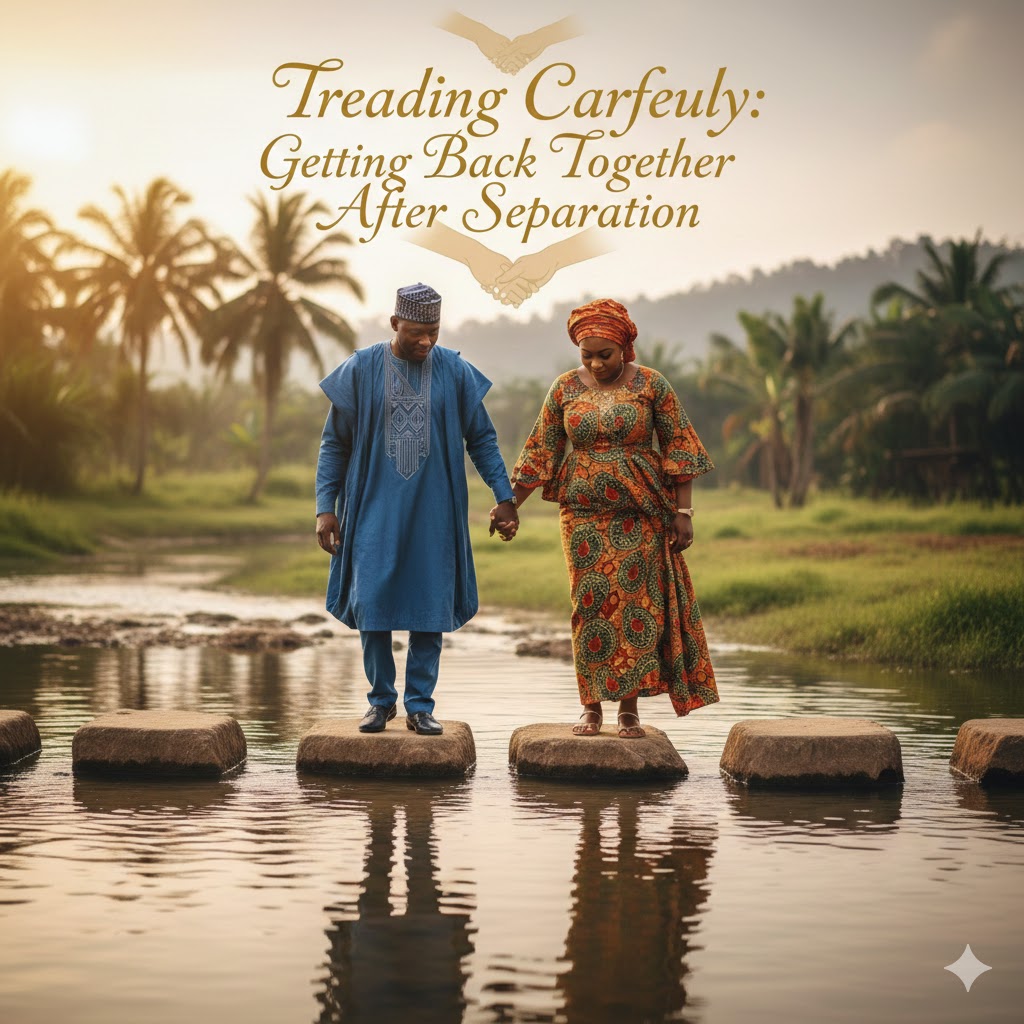
Treading Carefully: Getting Back Together After Separation
Separation is one of the most painful and confusing experiences a couple can endure. It often leaves partners with feelings of hurt, resentment, loneliness, and doubt. In Nigeria, where marriage is not just a union between two people but a connection between families and communities, separation can carry intense social and emotional pressures. Friends, relatives, and society often have strong opinions, which can add to the emotional weight of deciding whether to reunite.
Despite these challenges, separation does not necessarily signal the end of a marriage. Many couples who approach reconciliation thoughtfully and intentionally can rebuild their relationship stronger than before. The key is to understand what led to the separation, address the underlying issues, and create a new foundation based on trust, respect, and communication.
This article provides a step-by-step guide for Nigerian couples seeking to reconcile, with real-life examples, reflection exercises, and a reconciliation checklist to help make the process practical and effective.
Understanding the Root Causes of Separation
Before considering reconciliation, it is crucial to identify why the separation occurred. Nigerian couples face a variety of challenges, and the reasons for separation are often multi-layered. Common causes include:
-
Communication breakdown – disagreements escalating into silent treatment or avoidance
-
Infidelity or breach of trust – emotional or physical affairs
-
Financial strain – conflicts over spending, saving, or debt management
-
Family interference – pressure from in-laws, extended family disputes, or societal expectations
-
Emotional disconnect – feelings of loneliness, lack of intimacy, or growing apart
-
Lifestyle incompatibilities – disagreements over living arrangements, parenting styles, or career priorities
Take the case of Tunde and Aisha, a Lagos-based couple who separated for six months due to constant arguments over finances. Tunde felt pressured by his extended family to provide more, while Aisha felt neglected and emotionally unsupported. Understanding these root causes helped them approach reconciliation with clarity and purpose.
Reflection Exercise: Take 30 minutes to list the reasons for your separation. Be honest, avoiding blame. Include both your perspective and your partner’s. This reflection forms the foundation for intentional reconciliation.
Healing Individually Before Reuniting
Separation provides an opportunity for personal growth and emotional healing. Reconciliation will fail if either partner returns while still carrying unresolved anger, bitterness, or resentment.
Steps for personal healing include:
-
Processing emotions: Allow yourself to feel hurt, sadness, and disappointment without suppressing them. Journaling or talking with a trusted friend can help.
-
Self-reflection: Examine your role in the issues that led to separation. Understanding your contribution helps prevent repeating past mistakes.
-
Spiritual grounding: Prayer, meditation, or religious counsel can provide clarity and emotional stability.
-
Rebuilding confidence: Engage in activities that restore self-esteem, like pursuing hobbies, career goals, or social connections.
In Nigerian marriages, spiritual and community support often play a vital role. Couples who sought guidance from pastors, Imams, or family mentors frequently report a smoother path to reconciliation because they addressed emotional and relational growth alongside their cultural and spiritual context.
Exercise: Write down three personal goals for growth during the separation period. Consider emotional, spiritual, and social dimensions. Share these goals with your partner when appropriate to demonstrate your commitment to change.
Rebuilding Communication
One of the main reasons marriages falter is poor communication. When getting back together, couples must focus on honest, open, and empathetic dialogue.
Tips for effective communication:
-
Listen actively: Avoid interrupting, judging, or defending. Reflect back what you hear to ensure understanding.
-
Express feelings using “I” statements: “I feel hurt when…” instead of “You always…”
-
Set aside time: Busy schedules, household duties, and societal pressures can interfere, so prioritize dedicated moments for discussion.
-
Address misunderstandings immediately: Don’t let small issues fester into resentment.
Example: When Chinedu and Ngozi reunited after a five-month separation, they agreed to a “daily 15-minute conversation rule.” This allowed them to discuss emotions and challenges without distractions, gradually restoring trust and emotional closeness.
Exercise: Schedule a “reconciliation conversation” once a week. Use this time to share feelings, clarify misunderstandings, and reaffirm your intentions to rebuild the relationship.
Addressing Core Issues
Returning to the relationship without resolving the underlying problems often leads to repeated separation. Couples must identify the core issues that caused the split and address them intentionally.
Infidelity requires honest acknowledgment, transparency, and accountability. Partners must set boundaries to restore trust, such as sharing whereabouts or limiting interactions with individuals who caused conflict.
Financial disagreements can be mitigated by creating a joint financial plan, budgeting together, and clarifying responsibilities. In Nigeria, couples often face family expectations, such as providing for siblings or contributing to community events. Clear boundaries and planning prevent financial stress from triggering conflict.
Family interference is a common challenge in Nigerian marriages. Couples must set clear boundaries with in-laws, extended family, and friends while maintaining respect and cultural sensitivity. Presenting a united front is crucial for long-term harmony.
Emotional disconnect can be addressed by rebuilding intimacy through shared experiences, open communication, and affection. Spending quality time together, expressing appreciation, and reconnecting physically help bridge the emotional gap.
Rebuilding Trust
Trust is fragile and requires consistent effort to restore. Both partners must demonstrate honesty, reliability, and emotional transparency.
Steps to rebuild trust:
-
Follow through on promises and commitments
-
Be transparent about actions and intentions
-
Acknowledge mistakes and take responsibility
-
Celebrate small milestones to reinforce reliability
Example: Segun and Funke were separated for four months after a trust breach. Segun demonstrated commitment by consistently checking in, attending counseling sessions, and avoiding situations that could trigger suspicion. Funke gradually regained trust because his actions were consistent and transparent.
Exercise: Write down five ways you can demonstrate trustworthiness. Discuss these with your partner and create mutual accountability.
Rediscovering Each Other
Separation allows couples to see one another with fresh eyes. Reuniting is not just about returning to old routines but creating a renewed connection.
Ways to rediscover each other:
-
Engage in activities you both enjoy, like cooking, watching movies, or walking
-
Revisit shared memories while creating new experiences
-
Express gratitude for each other’s growth and efforts
-
Focus on positive aspects rather than past grievances
Example: Ifeanyi and Ada used their reunion as an opportunity to explore new hobbies together. They joined a dance class and began cooking traditional Nigerian dishes as a team, which strengthened their bond and added fun to their relationship.
Seeking Professional Guidance
Reconciliation can be complex. Professional support from marriage counselors, therapists, or faith-based mentors provides tools, strategies, and an objective perspective.
Counseling helps couples:
-
Navigate difficult conversations
-
Rebuild emotional intimacy
-
Address unresolved conflicts
-
Develop a shared vision for the future
Tip: Choose a counselor who understands Nigerian cultural contexts and marital expectations, as they can provide tailored guidance.
Setting Boundaries
Boundaries protect a reconciled relationship from repeating past mistakes. Boundaries may include:
-
Limits on family involvement in personal matters
-
Clear financial responsibilities
-
Healthy social media use
-
Personal space and time for self-care
Couples should discuss boundaries together, ensuring mutual respect and understanding. In Nigeria, cultural and societal expectations can make boundary-setting challenging, but it is essential for a sustainable reunion.
Moving Forward Together
After reconciliation, couples must actively nurture their relationship. Success depends on consistent effort, mutual respect, and shared growth.
Strategies for long-term success:
-
Maintain open communication and weekly check-ins
-
Continue personal growth individually and as a couple
-
Establish rituals of connection, like weekly date nights or joint devotional time
-
Celebrate milestones and positive behaviors
-
Reinforce trust and transparency consistently
Reconciliation Checklist for Nigerian Couples
-
Identify the reasons for separation
-
Heal individually before reconciling
-
Rebuild communication and active listening skills
-
Address core issues: infidelity, finances, family interference, emotional disconnect
-
Set and respect healthy boundaries
-
Rediscover shared interests and positive memories
-
Seek professional guidance or mentorship
-
Build trust through consistent actions
-
Celebrate progress and small victories
-
Commit intentionally to ongoing effort and mutual growth
Getting back together after separation is possible but requires patience, self-awareness, and intentional effort. Nigerian couples face unique cultural, societal, and family challenges, but with thoughtful planning, honest communication, and mutual commitment, reconciliation can lead to a stronger, healthier marriage.
Separation can be a turning point, offering an opportunity for growth, reflection, and renewed commitment. Treading carefully, addressing root causes, rebuilding trust, and rediscovering each other ensures that the relationship not only survives but thrives.










.jpg)



Sign in to comment