 Nurturing Marriages, Enriching Families!
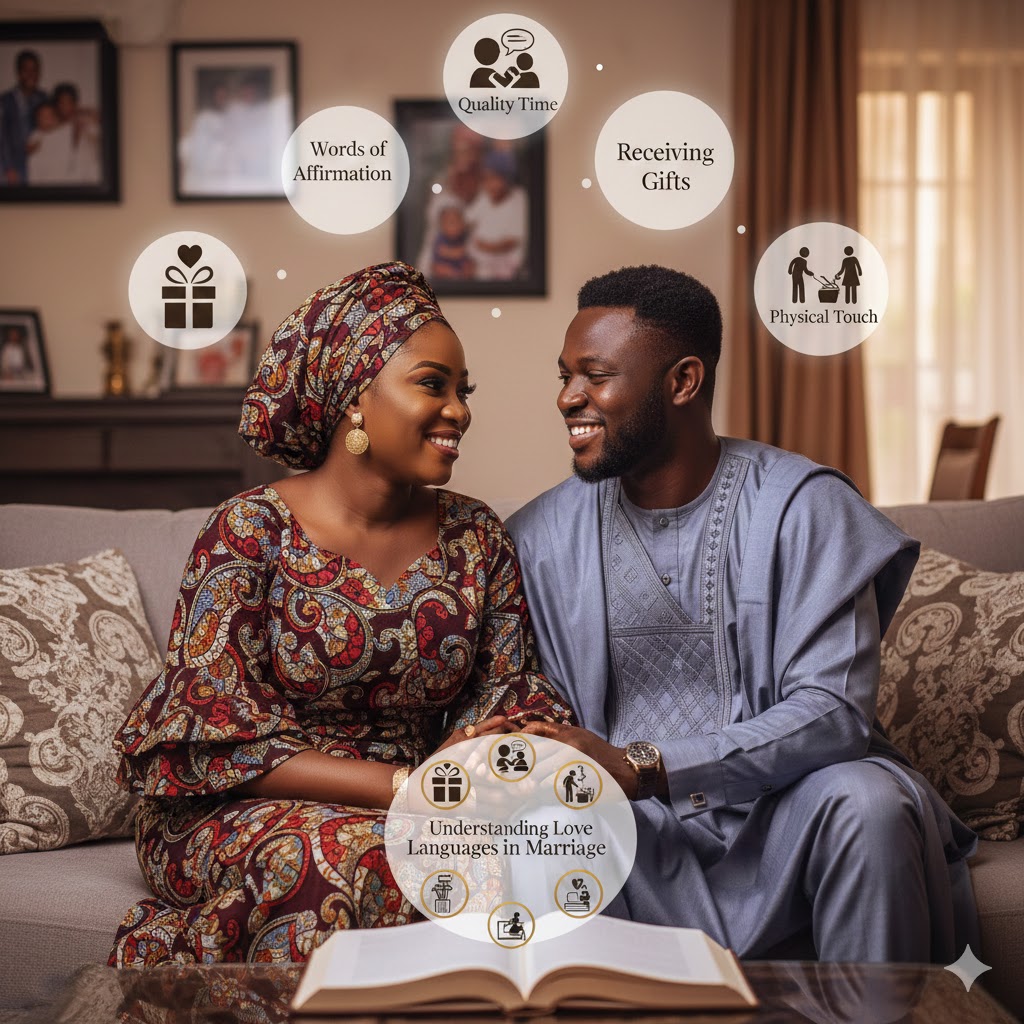
Understanding Love Languages in Marriage: How Knowing Your Partner’s Emotional Language Strengthens Connection
Marriage is a journey of two individuals learning to navigate life together. Beyond shared goals, responsibilities, and routines, emotional connection is what sustains love over the years. One of the most powerful tools for building and maintaining that connection is understanding love languages.
The concept of love languages, popularized by Dr. Gary Chapman, reveals that people express and receive love in different ways. Recognizing your partner’s emotional language can transform the way you communicate, reduce misunderstandings, and deepen intimacy in your marriage.
What Are Love Languages?
A love language is the primary way a person experiences emotional fulfillment. It answers the question: “How do I feel most loved?” People may feel valued through words, actions, touch, gifts, or quality time. Couples often assume that expressing love in their preferred way will automatically resonate with their partner, but mismatched love languages are a common source of disconnect.
Understanding love languages is not about manipulation; it is about empathy. When couples learn to speak each other’s language, they communicate love in a way the other can genuinely feel and internalize.
Why Love Languages Matter in Marriage
Even couples who deeply care for each other can feel disconnected if love is not expressed in a way that resonates emotionally. Misunderstandings often arise not from lack of love, but from differing ways of expressing it. For instance, one partner may feel loved through acts of service, while the other interprets words of affirmation as the ultimate expression of affection. Without awareness of these differences, frustration, hurt, and emotional distance can emerge.
Recognizing love languages allows couples to meet each other’s emotional needs intentionally, rather than assuming that what feels loving to one partner will feel loving to the other. It reduces conflict, enhances intimacy, and fosters a sense of being truly seen and valued.
The Five Primary Love Languages
Although the expressions of love can vary, most people fall into five main categories:
-
Words of Affirmation – Feeling loved when a partner expresses appreciation, encouragement, or verbal affection. This may include compliments, gratitude, or thoughtful messages.
-
Acts of Service – Experiencing love when a partner helps in practical ways, such as cooking, running errands, or supporting responsibilities.
-
Receiving Gifts – Feeling valued when a partner offers tangible symbols of thoughtfulness. Gifts are less about materialism and more about emotional significance and attention.
-
Quality Time – Experiencing love through focused, undivided attention, shared activities, or meaningful conversations.
-
Physical Touch – Feeling loved through physical closeness, such as holding hands, hugs, kisses, or intimate touch.
Understanding these languages is just the first step; applying them intentionally is what strengthens marriage.
Real-Life Scenario: Speaking Each Other’s Language
Tomi and Segun had been married for six years. Tomi’s primary love language was quality time, while Segun valued acts of service. For years, Segun would fix things around the house or handle chores to show love, while Tomi felt unloved and lonely because there was little dedicated time together. Tomi, in turn, would suggest outings and conversations, which Segun often saw as unnecessary or time-consuming.
Once they learned about love languages, they began consciously meeting each other’s needs. Segun made time for weekly date nights, while Tomi expressed appreciation for Segun’s acts of service. Over time, both felt genuinely loved and understood. Their marriage improved not because their personalities changed, but because they learned to speak each other’s emotional language.
How Love Languages Affect Conflict Resolution
Conflict in marriage often escalates when partners misinterpret each other’s expressions of love or concern. Recognizing love languages can prevent misunderstandings. For example, a partner who speaks through words of affirmation may feel hurt if the other does not express verbal appreciation, while the other partner may feel unacknowledged if acts of service go unnoticed.
By understanding love languages, couples can approach disagreements with empathy, knowing that differences in expression do not indicate lack of love. Instead, these differences can become opportunities for growth and deeper understanding.
Love Languages Are Dynamic
It is important to recognize that love languages are not static. Life circumstances, personal growth, and changing seasons in marriage can shift the way partners feel most loved. For instance, a partner who once valued physical touch may find that words of affirmation or acts of service become more meaningful during stressful times.
Regular check-ins about emotional needs ensure that love languages are understood and applied effectively throughout the marriage journey.
Practical Steps for Applying Love Languages
Understanding love languages requires intentionality. Couples can:
-
Discuss and identify each other’s primary love languages openly.
-
Observe responses to different expressions of love to see what resonates.
-
Make deliberate choices to express love in the partner’s preferred language.
-
Adjust and refine efforts over time as needs and circumstances evolve.
Even small, consistent actions aligned with a partner’s love language can dramatically improve emotional connection and intimacy.
Cultural Context and Love Languages in Nigeria
In Nigerian marriages, love is often demonstrated through provision, responsibility, or meeting family obligations. While these actions are valuable, they may not always align with a partner’s emotional language. For example, one spouse may feel loved through quality time, but cultural expectations may prioritize chores or financial provision over relational connection.
Understanding and applying love languages allows couples to navigate cultural norms while ensuring that emotional needs are met. This intentional approach strengthens the relationship and prevents emotional neglect.
The Long-Term Impact of Speaking Each Other’s Love Language
Couples who consistently speak each other’s love language report higher satisfaction, deeper emotional intimacy, and greater resilience during challenging seasons. Emotional needs are met, trust grows, and affection becomes more spontaneous and heartfelt.
Marriage is not a static contract; it is a living relationship that thrives on attention and care. Speaking your partner’s love language is an ongoing act of love that nurtures long-term connection.
Conclusion: Love Languages as a Tool for Lasting Connection
Marriage is not only about commitment; it is about meaningful connection. Love languages provide a roadmap for expressing love in ways that are felt deeply and authentically. Understanding your partner’s emotional language reduces conflict, increases intimacy, and strengthens resilience.
When couples learn to speak each other’s love language, they build a marriage where both partners feel seen, valued, and loved—not just in moments of joy, but through every season of life.
Love is not always about grand gestures. It is about intentionality, empathy, and understanding. By embracing love languages, couples ensure that love is not only declared but truly experienced.





.jpg)
Sign in to comment