 Nurturing Marriages, Enriching Families!

What Is Marriage?
Marriage is one of the oldest and most meaningful human institutions. Across cultures, religions, and societies, it serves as a foundation for family, companionship, stability, and social order. While the form and expectations of marriage may vary, its core purpose remains rooted in commitment, partnership, and shared responsibility.
Meaning of Marriage
Marriage is a legally, socially, and often spiritually recognized union between two people who commit to sharing their lives together. It is built on mutual consent, love, respect, trust, and responsibility. Marriage goes beyond romance; it involves companionship, cooperation, emotional support, and long-term commitment.
In marriage, two individuals choose to build a life together, support each other’s growth, and navigate challenges as partners. It is a union that requires intentional effort, patience, and sacrifice.
Historical Background of Marriage
Historically, marriage emerged as a structure for survival, family continuity, and social organization. In many traditional societies, marriages were arranged to strengthen family ties, protect property, and ensure lineage.
Over time, the concept of marriage evolved. Romantic love became an important factor, especially in modern societies. Today, marriage is widely viewed as a partnership based on emotional connection, shared values, and personal choice, while still retaining cultural and religious significance.
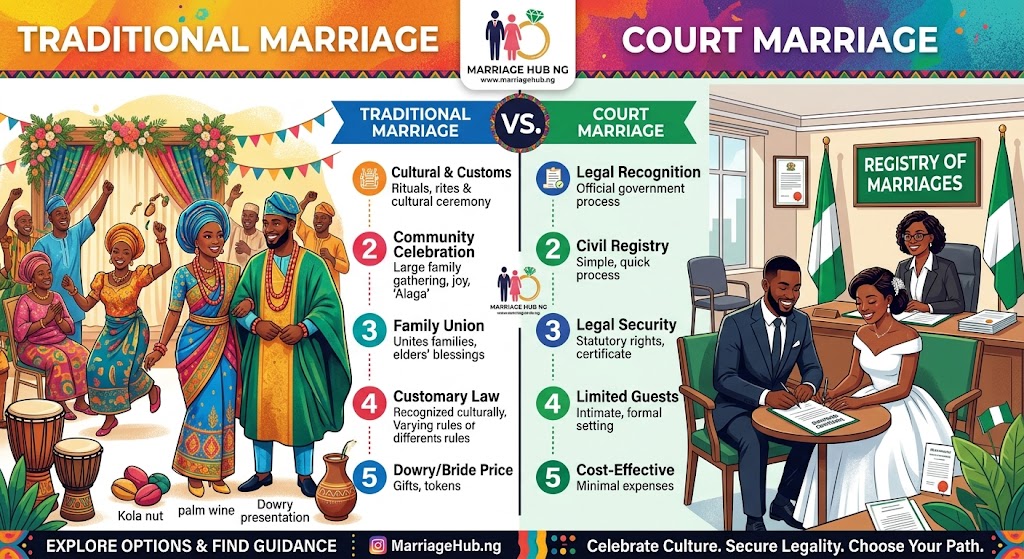
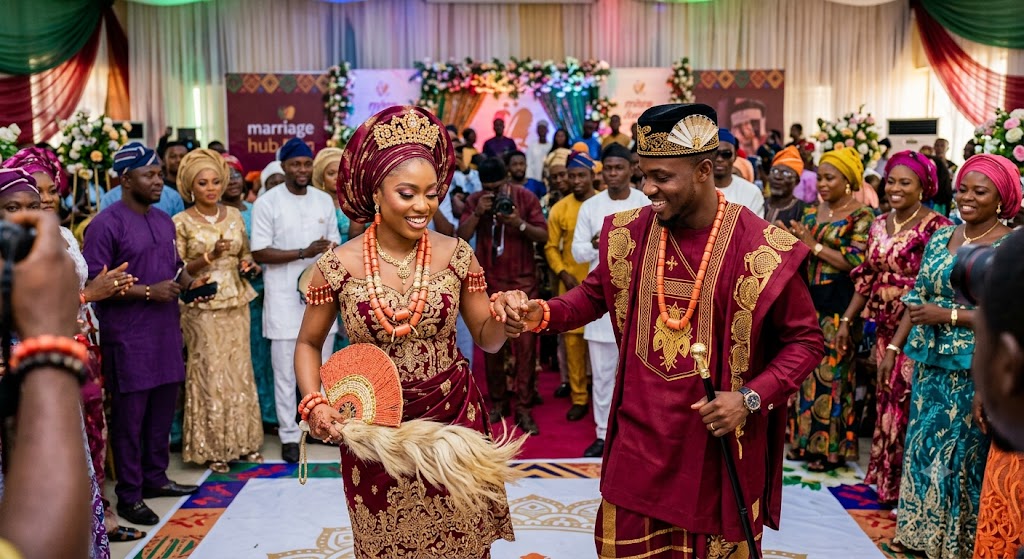
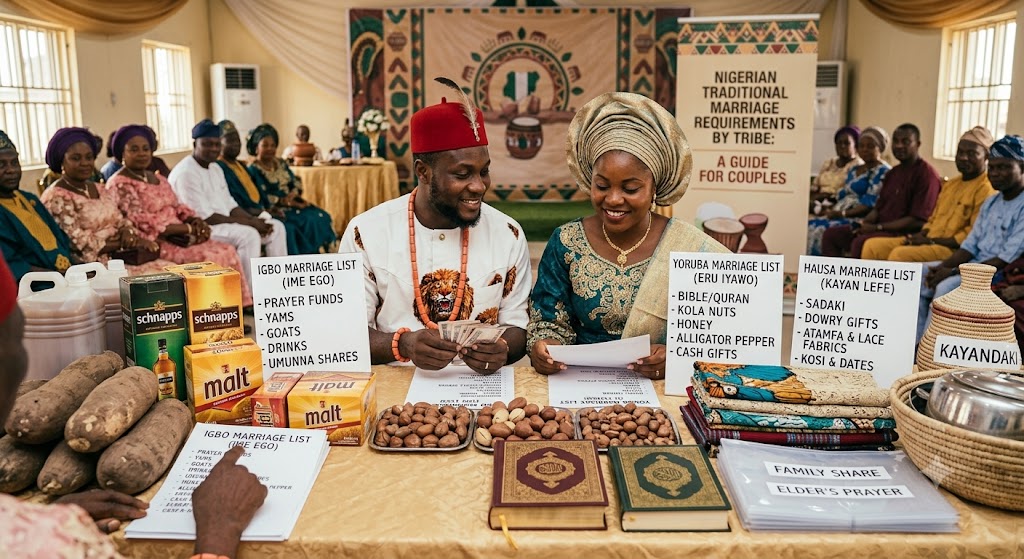
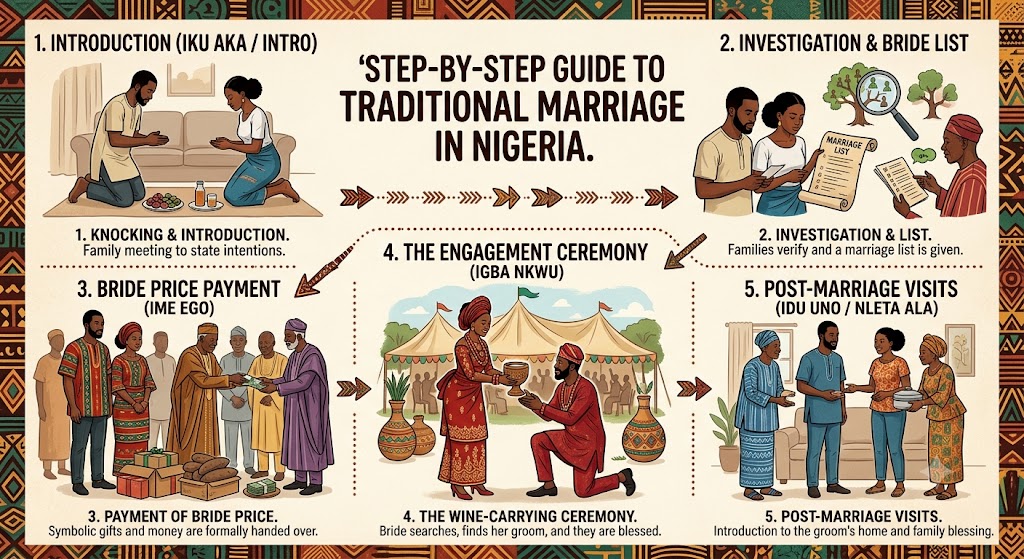
In African and Nigerian contexts, marriage is not just a union between two individuals but a joining of families. It involves cultural rites, community recognition, and shared responsibilities beyond the couple.
Purpose of Marriage
Marriage serves several important purposes. It provides companionship and emotional support, offering a sense of belonging and security. It creates a stable environment for raising children and passing down values, culture, and traditions.
Marriage also promotes cooperation and shared responsibility in areas such as finances, decision-making, and personal growth. Spiritually, marriage is often viewed as a sacred covenant that reflects commitment, unity, and mutual care.
Key Elements of a Healthy Marriage
A healthy marriage is built on love, respect, and trust. Effective communication allows couples to express needs, resolve conflicts, and understand each other. Commitment ensures stability, especially during difficult seasons.
Mutual respect recognizes individuality and boundaries, while intimacy—both emotional and physical—strengthens connection. Shared values, goals, and vision help couples remain aligned as they grow together.
Marriage in Modern Society
In today’s world, marriage continues to evolve. Couples now balance traditional expectations with modern realities such as career demands, changing gender roles, and technology. Despite these changes, the core principles of marriage—commitment, partnership, and mutual support—remain essential.
Successful marriages today require adaptability, emotional intelligence, and continuous effort. Couples who intentionally nurture their relationship are better equipped to thrive.
Marriage is more than a ceremony or legal agreement; it is a lifelong journey of partnership, growth, and shared purpose. It requires commitment, communication, and compassion to flourish.
When approached with understanding and intentionality, marriage becomes a source of strength, love, and fulfillment for individuals, families, and society.






.jpg)

Sign in to comment