 Nurturing Marriages, Enriching Families!
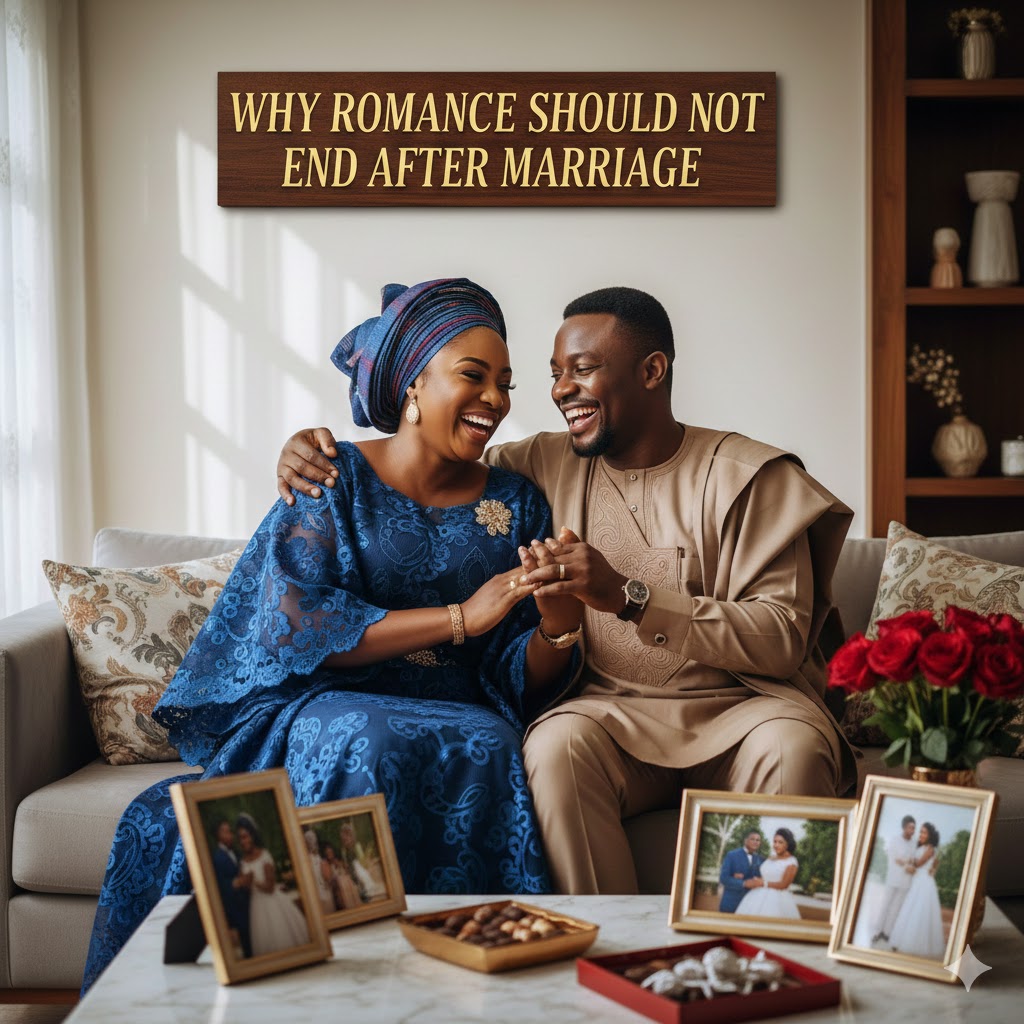
Why Romance Should Not End After Marriage: How Keeping the Spark Alive Strengthens Love for Life
One of the most damaging myths about marriage is the belief that romance is only for courtship. Many couples unconsciously assume that once vows are exchanged, bills are paid, children arrive, and routines settle in, romance naturally fades—and that this is normal. Over time, affection is replaced with familiarity, and passion is postponed for “when life is less busy.”
But romance is not a pre-marriage luxury. It is a post-marriage necessity.
When romance disappears, marriages don’t usually collapse overnight. Instead, emotional distance slowly grows. Conversations become functional. Touch becomes rare. Appreciation fades. Partners remain married, yet feel lonely inside the relationship.
Romance is not childish, unrealistic, or unnecessary after marriage. It is one of the strongest tools couples have to stay emotionally connected, resilient, and deeply in love.
Understanding What Romance Really Means in Marriage
Romance is often misunderstood as expensive dates, surprise gifts, or dramatic gestures. While those can be meaningful, romance in marriage goes much deeper. Romance is intentional affection. It is the decision to keep pursuing your spouse emotionally, mentally, and physically—even after familiarity sets in.
Romance says, “I still choose you.”
In marriage, romance is expressed in how partners speak to each other, how they make time, how they show care, and how they protect emotional closeness.
Why Romance Naturally Declines After Marriage
Many couples do not intentionally stop being romantic. Life simply takes over.
In Nigeria especially, marriage often comes with immediate responsibilities—financial pressure, extended family expectations, career demands, parenting, and social obligations. Romance is not deliberately abandoned; it is postponed indefinitely.
Ada and Kunle were deeply affectionate while dating. After marriage, work stress, rent, and family responsibilities consumed their attention. They loved each other, but romance felt “optional.” Over time, Ada felt unseen, while Kunle assumed love alone was enough.
This pattern is common—and dangerous.
Romance Is Emotional Maintenance, Not Entertainment
Just as a car needs regular servicing, marriage needs emotional maintenance. Romance is that maintenance.
Romantic gestures—no matter how small—signal emotional availability. They reassure your partner that they are still desired, valued, and cherished beyond roles like “husband,” “wife,” “parent,” or “provider.”
When romance disappears, emotional neglect often follows.
Why Romance Matters More After Marriage Than Before
Before marriage, romance is fueled by excitement and uncertainty. After marriage, romance must be fueled by intention.
Marriage exposes partners to each other’s flaws, weaknesses, and vulnerabilities. Romance softens these realities. It creates emotional safety and reminds couples why they chose each other in the first place.
Romance keeps friendship alive. It reduces resentment. It makes forgiveness easier. It sustains attraction through changing seasons.
Romance Protects Against Emotional Drift
Emotional drift is one of the most common silent threats to marriage. Couples talk daily but stop connecting deeply. They coexist but stop sharing inner worlds.
Romance interrupts this drift.
Simple acts—affectionate messages, thoughtful check-ins, playful moments, or shared laughter—pull partners back toward each other emotionally.
Without romance, marriages become efficient but emotionally empty.
The Link Between Romance and Sexual Intimacy
Sexual intimacy does not thrive in emotional neglect. Romance builds anticipation, desire, and connection.
Many couples complain about declining sex without realizing that romance has already disappeared outside the bedroom.
When partners feel emotionally pursued, sexual intimacy feels natural rather than pressured. Romance creates the emotional bridge that makes physical closeness fulfilling.
Romance and Respect Go Hand in Hand
Romance is not separate from respect—it reinforces it.
When couples are romantic, they tend to communicate more kindly, listen more attentively, and treat each other with greater consideration. This builds mutual respect and reduces conflict.
Romance reminds partners that they are lovers, not just teammates managing life.
Real-Life Scenario: When Romance Is Revived
Fatima and Ibrahim had been married for eight years. Conversations revolved around children, work, and finances. Affection was minimal. Both felt disconnected but didn’t know why.
After attending a marriage seminar, they intentionally reintroduced small romantic habits—compliments, evening walks, laughter, and intentional time together.
Within months, emotional closeness returned. Arguments reduced. Intimacy improved. Nothing dramatic changed—except intentional romance.
Romance Is Not Weakness or Distraction
Some people believe romance makes marriage unserious or distracts from responsibility. In reality, romance strengthens responsibility.
Couples who feel emotionally connected handle stress better, communicate more effectively, and support each other more willingly.
Romance does not weaken marriages—it fortifies them.
Romance Teaches Children What Love Looks Like
Children learn about relationships by watching their parents. When romance is present, children grow up understanding affection, respect, and emotional connection.
A romantic marriage models healthy love, not perfection.
Romance Is a Choice, Not a Feeling
Feelings fluctuate. Romance survives on choice.
Choosing romance means choosing effort when life is busy, choosing kindness when conflict arises, and choosing connection when routine threatens closeness.
Long-lasting love is built by couples who keep choosing romance.
Conclusion: Marriage Thrives Where Romance Lives
Romance should not end after marriage—it should evolve.
It may look different from the dating phase, but it is even more powerful because it is intentional, mature, and deeply rooted in commitment.
Romance keeps marriage alive, vibrant, and emotionally fulfilling. It turns survival into satisfaction and commitment into connection.
In the end, marriage is not sustained by obligation alone, but by affection intentionally nurtured over time.
Romance is not optional in marriage. It is essential.




.jpg)
Sign in to comment